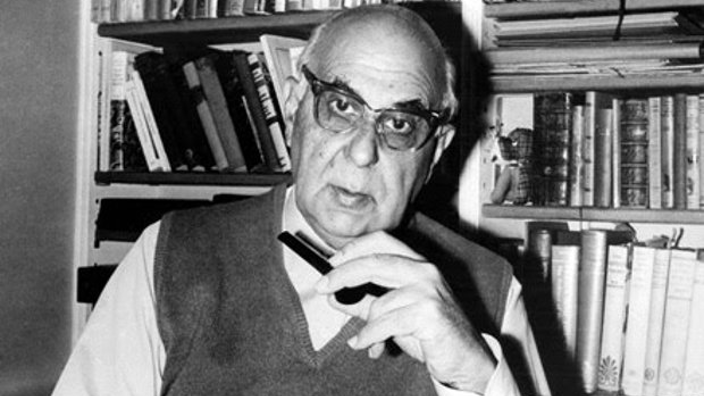
Giorgos Seferis: The Nobel Prize-winning poet

·

By Victoria Loutas

Giorgos Seferis was the first Greek poet to be awarded the Nobel Prize for Literature. We take a look back at his incredible life.

Early Life:

Seferis was born in 1900 in Smyrna Greece. He attended school in Smyrna before his family settled in Athens in 1914 to escape the devastation of World War 1. 

His family later moved to Paris in 1918, where Seferis would go on to study Law at the University of Paris and discover his passion for literature. 

Literature work:

In 1926, Seferis was appointed Greek Minister of Foreign Affairs, a role in which he served until 1931, when he was appointed to the Greek Consulate in London. He later held post in Albania from 1936 to 1938.

His international travels and connection to Greece were the inspiration for much of Seferis’ writing, which is filled with themes of isolation, wandering and death. 

He began writing his early poetry in 1931, which consisted of Strophe (turning point). His mature poetry explores the sense of awareness, particularly of Greece’s great past. 
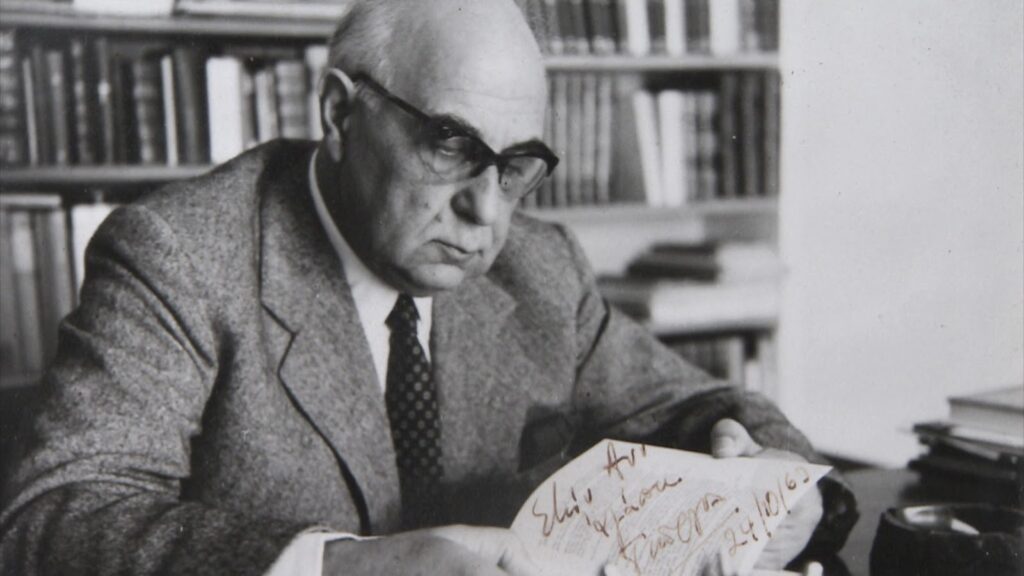
Photo: Greek News Agenda

In addition to writing poetry, Seferis published a book of essays (Dokimes) in 1961. He also published a collection of his work and translations of works by T.S Eliot and other French, English and American poets entitled Antigrafes (copies) in 1965. 

In 1963, Seferis was awarded the Nobel Prize in literature, demonstrating the impact and success of his poetic career. 

Death and Legacy:

In 1969, Seferis publicly took a stand against the Dictatorship of the Colonels in Greece. His funeral, on September 20, 1971 was turned into a mass demonstration against the military government. 

Seferis’ contributions to diplomacy and to the art of literature will always be remembered and cherished.

Share:

KEEP UP TO DATE WITH TGH

By subscribing you accept our Terms of Service and Privacy Policy.

Latest News

International Day of Dance: The lives of Melbourne’s Greek dance teachers

Dance has long been at the heart of Greek culture, particularly within the traditions of Hellenism that are taught across Australia.

Cyprus recognised at Lakemba ANZAC Service

The 2026 ANZAC Day service at Lakemba brought together veterans, families, students, and civic leaders in a formal commemoration.

Nominees announced for the CYDIA Awards 2026

The Cyprus Diaspora Forum has announced the nominees for the CYDIA Awards® 2026, the annual celebration recognising outstanding achievements.

Why Greeks in Australia are rethinking how they manage property in Athens

Your Athens home may sit empty for months, but problems don’t wait — for many in the diaspora, Home Watch Athens offers peace of mind.

Seminar to examine rise of Metaxas regime and fascist influence in interwar Greece

A public seminar examining the political turmoil and ideological forces that shaped modern Greek history will take place in Melbourne.

You May Also Like

Why we don’t celebrate Orthodox Easter at the same time as Catholics

The Julian Calendar was established by Julius Caesar in 45 BC, and is based on the time it took for the sun to go around the earth.

Certificate of Attainment in Greek awarded to 2024 candidates at Greek Centre event

On Saturday, November 20, Certificates of Attainment in Greek were awarded to candidates who sat the May 2024 examinations.

Jim Giannopoulos appointed CEO of GHD

Global professional services company, GHD, has appointed Jim Giannopoulos, who will be based in Melbourne, Australia, as CEO.