By Peter Oglos.
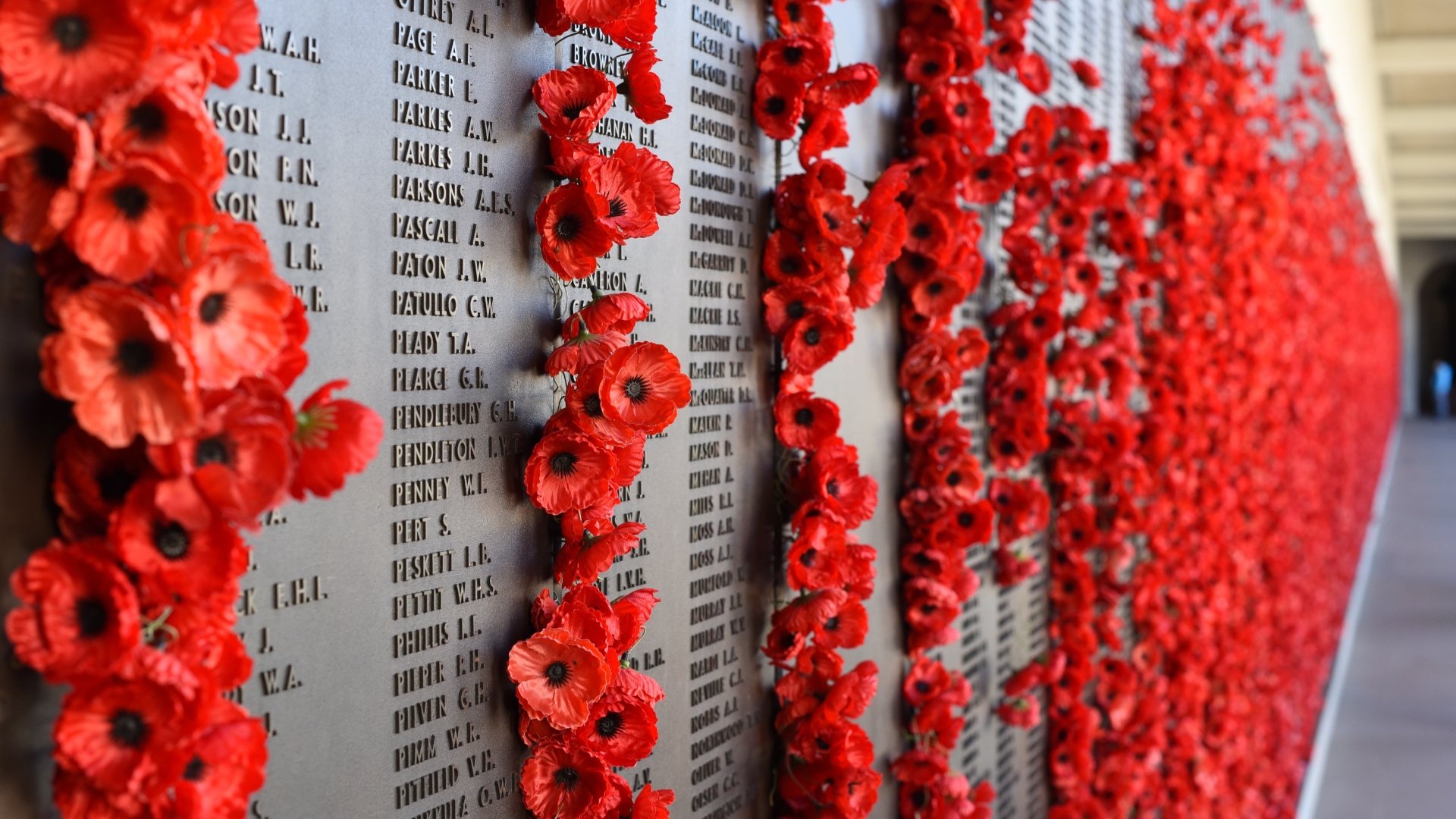
Anzac Day, 25 April, marks the anniversary of the first major military action fought by Australian and New Zealand forces during the First World War.
While the Anzacs were formed during WWI, their spirit lives on in every active and passed serviceman who fights under the Southern Cross flag.
Traits of mateship, honour and bravery is what separates the Anzac forces from other foreign army corps, and is an image that every Australian and New Zealand soldier feels obliged to uphold.
The ‘Anzac Legend’
The Anzac Legend was formed in the bunkers at Gallipoli in 1915. The Anzacs, who represented the Australian and New Zealand Army Corps, were sent out as part of an Allied expedition to capture the Gallipoli Peninsula and open the way to the Black Sea for the Allied navies.
The Australian and New Zealand soldiers who landed on Gallipoli’s shores expected a not so simple, but swift victory against the Ottoman Empire. What they faced was anything but.
Commanded by Ottoman leader Mustafa Kemal, the defending army forced a stalemate. The Anzacs, separated by the ‘no man’s land’, were cut off from victory and forced to hold their position for eight months.
At the end of 1915, the Anzacs and Allied forces retreated, suffering over 56,000 casualties, including 8,709 from Australia and 2,721 from New Zealand.
The loss of Gallipoli was seen as severe blow for the Allied forces, but also for the Anzacs, as the united Corps’ first battle saw 8,709 Australian soldiers not make it home.
On the Australian streets, people mourned. On April 25, 1916, the first Anzac Day parade was held, honouring those who died on the Allied front.
Between 1915 and 1916 was the creation of the ‘Anzac Legend’; A concept which suggests that the Australian and New Zealand soldiers possess qualities unique to their homeland, namely those of endurance, courage and, most importantly, mateship. The Anzac Legend is synonymous with Gallipoli campaign being the moment the beautiful nation was born.
The Anzac spirit lives on in all modern soldiers on the front and those protecting their homeland.
ANZAC’s during WWII: The Greek campaign
The term ‘Anzac’ was used sparingly during later campaigns. In April 1941, the Anzac forces were called upon once again to fight beside the British to repel the Axis powers.
Under the command of the British general, Sir Henry Maitland Wilson, the Anzacs and British troops were sent to defend the Greece for a period of a few months, but the battle was lost in just over three weeks.
The campaign was sadly hindered by poor communications between the Greek and British commanders, the primitive road and rail system in Greece, the difficult terrain, and the speed and success of the German advance.
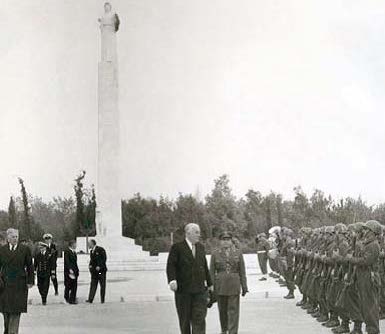
This battle, now regarded as the Greek campaign of 1941, become known as one of the shortest and disastrous campaigns of the second world war. The failed campaign resulted in thousands of Greek and ANZAC deaths, along with 12,000 Allied troops, including 3,000 Australians, becoming prisoners of war of the Germans.
Thousands of Australians were still isolated in Greece, cut off from the evacuations, yet over one thousand Anzacs managed to escape, largely owing to the bravery of the Greek people who assisted them.
Of the 1,686 Anzacs (Australian and New Zealand ) 646 Australians are buried or memorialised in Greece in Phaleron, Athens, Rhodes and Suda Bay in Crete. Over 50 percent of deceased Australians have never been found or are unidentified and are memorialised at the Athens Memorial.
What does Anzac Day mean for Veterans?
Anzac Day is a time when the country comes together, spiritually and physically, to commemorate fallen Australian soldiers.
Anzac cookies are made at home while commemorative rugby matches are carried out. Among this, celebrations are carried out across many pubs and taverns in Australia.
While Anzac Day is a time for mourning, it’s also a time of reflection for many war veterans. Ken Tsirigotis is a Greek Australian veteran who served 22 years in the Australian Army Corps, and continues to serve his country as COO of Melbourne Legacy.
Speaking to The Greek Herald, Tsirigotis said that Anzac Day for him is a series of themes.
“So for me personally, it’s about mateship, service, sacrifice, commemoration and celebration,” Tsirigotis said.
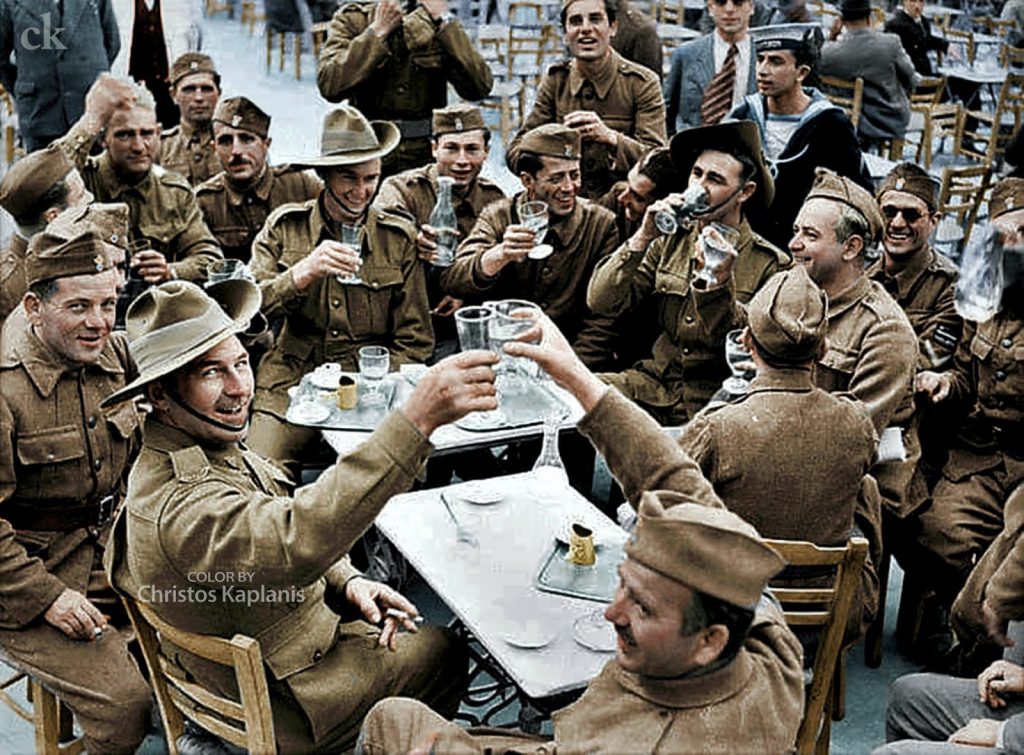
“Mateship is quite different to friendship, and it’s something that in the context of the military is so deeply ingrained and can only really be understood by people that have served.
“Because you’re willing to put your life down for someone that you may not even know their first name, you may not know where they’re from, and you may not really know much about them, but what you do know is that they are on your left and on your right, and you will do everything that you can do to look after them in order to achieve whatever outcome it is that you’re fighting for.”
Tsirigotis adds that service and sacrifice is extended to actions committed off the battlefield, recognising the actions carried out in honour of their country.
“I keep those five things front and foremost, purely as the foundations for my existence and for the role that I have in legacy,” Tsirigotis concludes.
“When I’m going out trying to explain to people that haven’t served, so the penny can drop about why we exist and what we do.”

