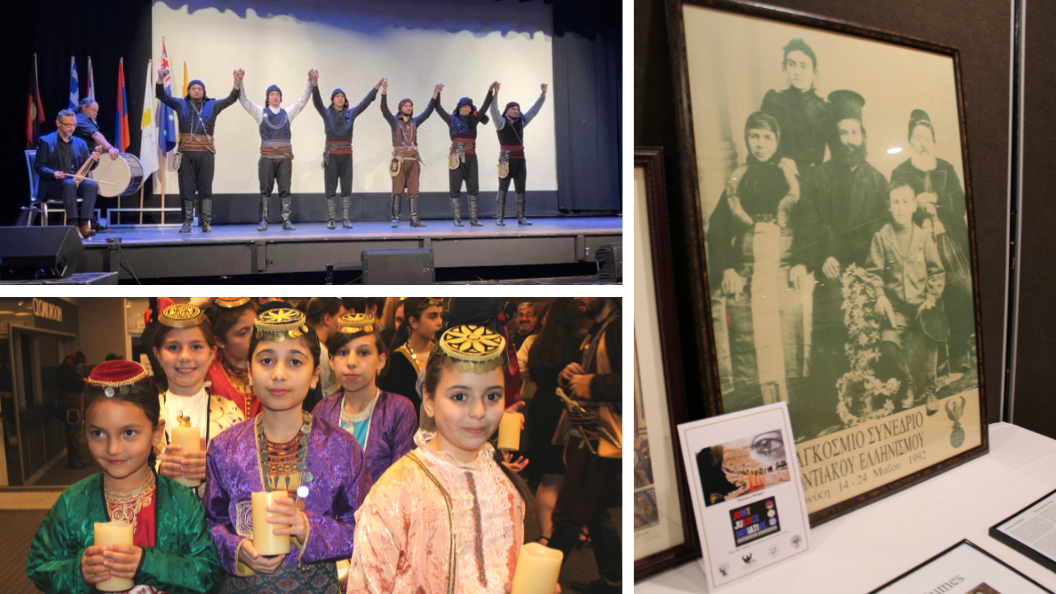
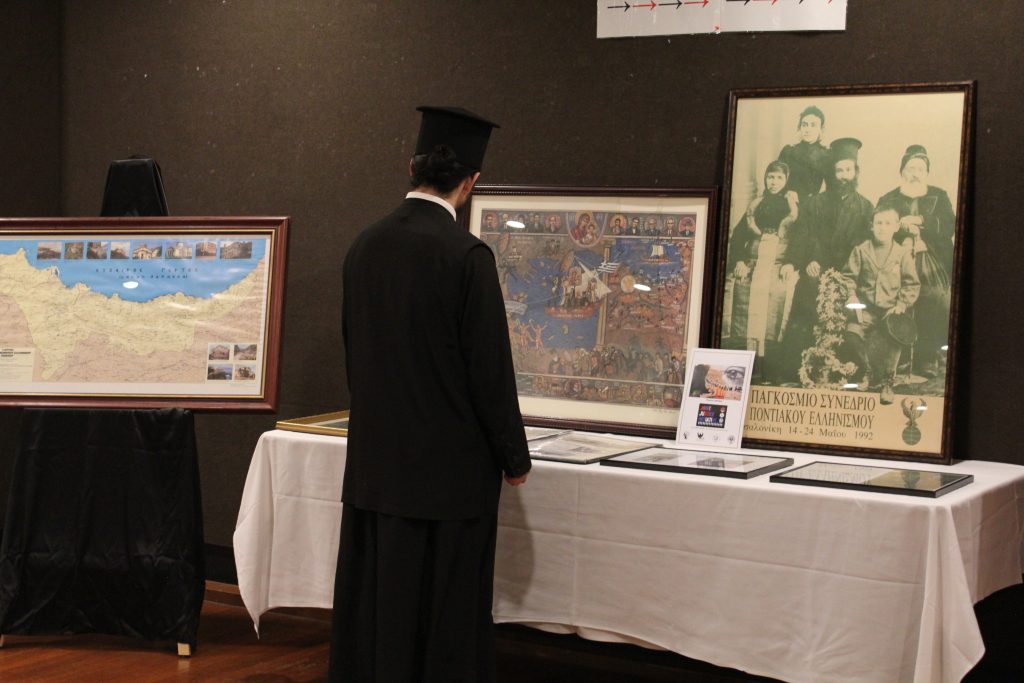
The 353,000 Pontian Greeks who lost their lives during the Greek genocide committed by the Ottoman Turks between 1914 and 1922 were remembered on Thursday night with a special event at Marana Hall in Hurstville, Sydney.
The event was organised by Pontoxeniteas NSW, Panagia Soumela Sydney and Diogenes Wollongong, and saw over 200 people attend on the night including a number of prominent members of the Greek, Assyrian and Armenian communities.

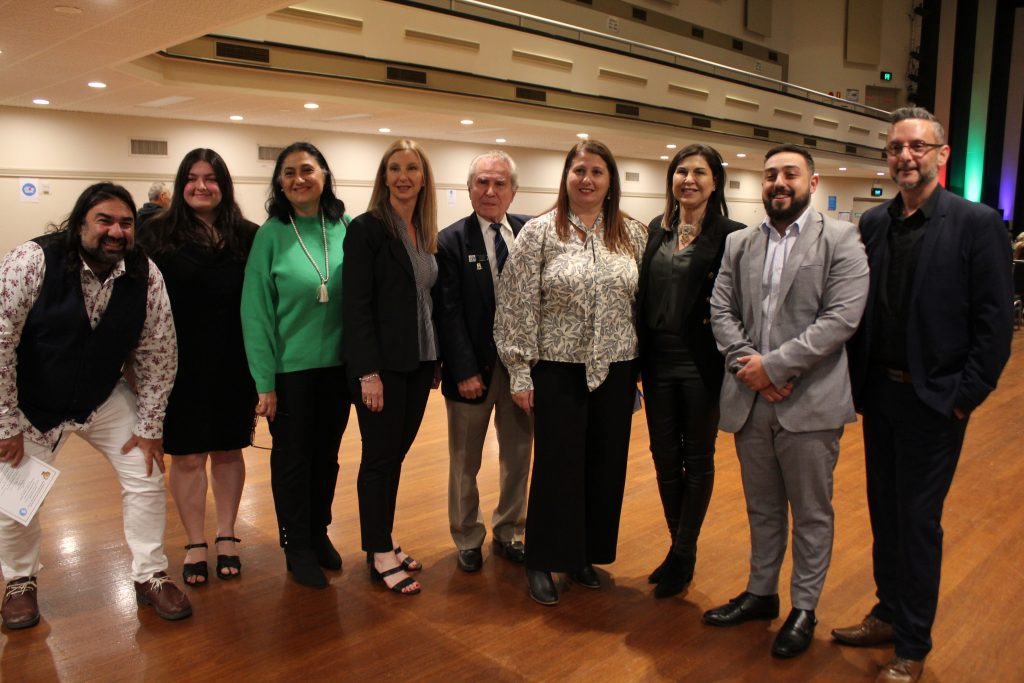
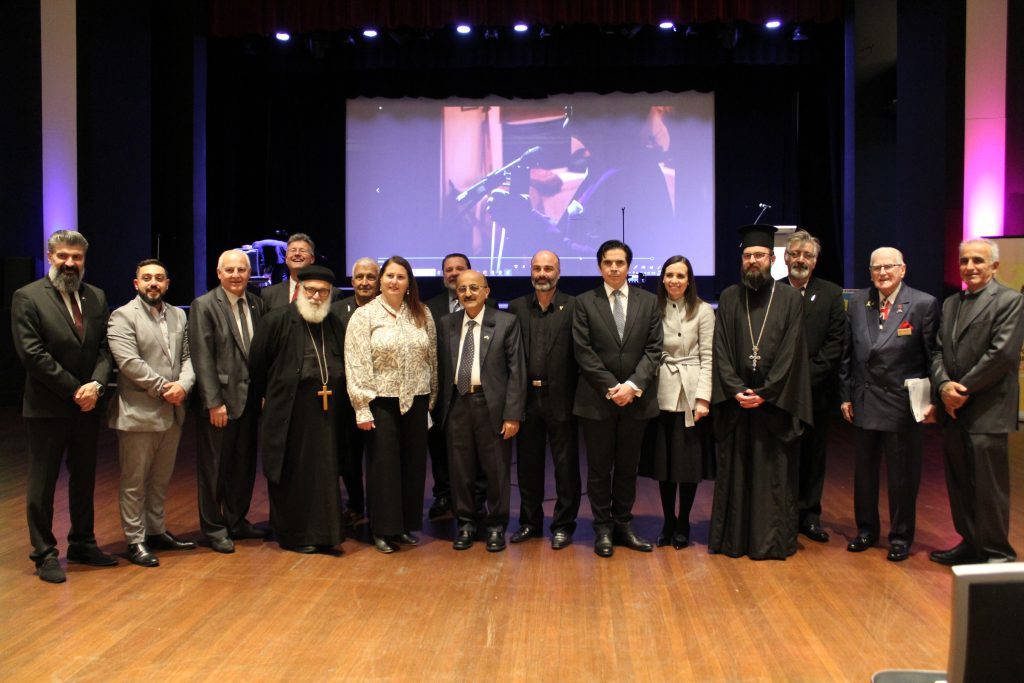
They were the Consul General of Greece in Sydney, Christos Karras; the Chancellor of the Greek Orthodox Archdiocese of Australia, Archimandrite Christophoros Krikelis; The Honourable Courtney Houssos MLC, representing the NSW Labor Leader Chris Minns; The Honourable Reverend Fred Nile MLC; the Vice President of the Federation of Pontian Associations of Australia, Esta Paschalidis Chilas; the President of the Greek Pontian Society of Wollongong “Diogenes,” Nicholaos Chrissostomidis; the President of Panagia Soumela Sydney, Peter Papoulidis; the President of Pontoxeniteas NSW, Maria Anthony; Michael Kolokossian and Mathew Mikhail from the Armenian National Committee of Australia; and Hermiz Shahen and David David from the Assyrian National Council – Australia INC; among many others.
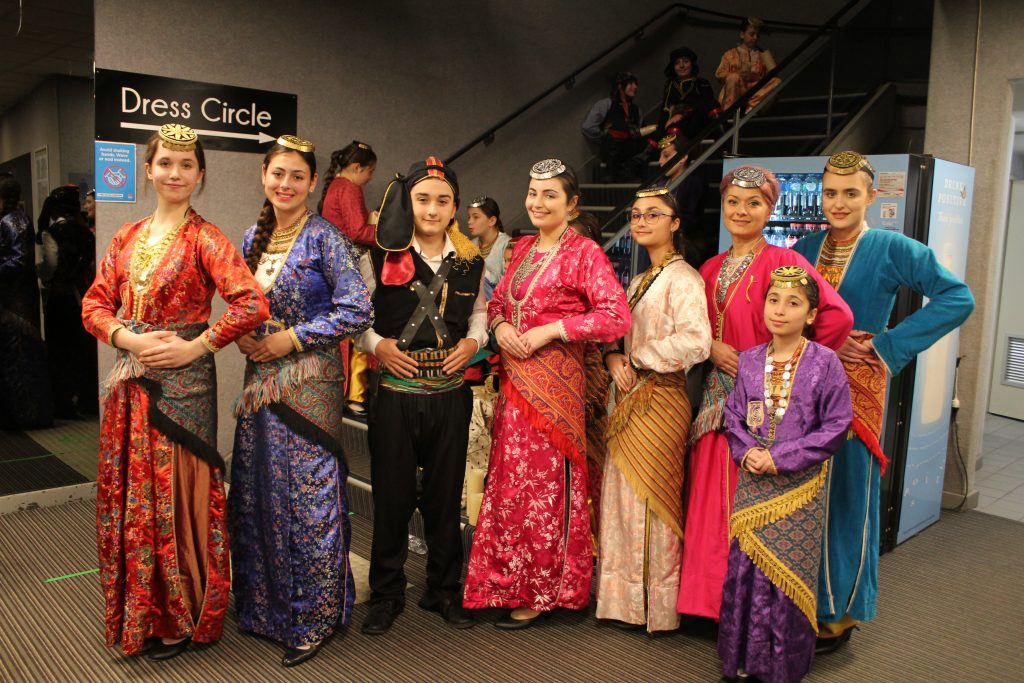
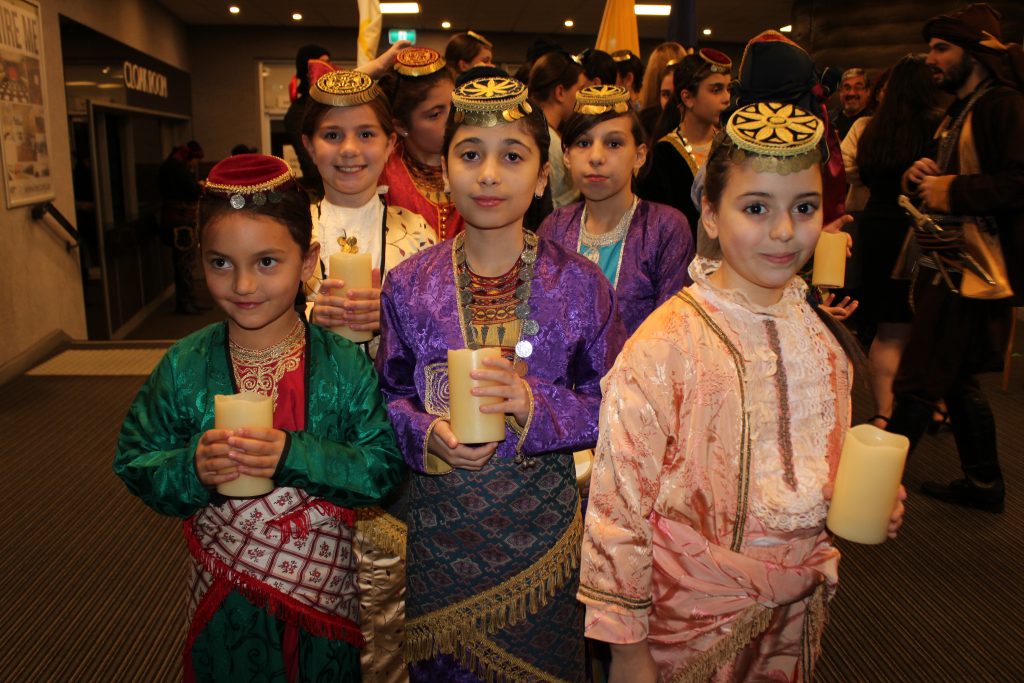
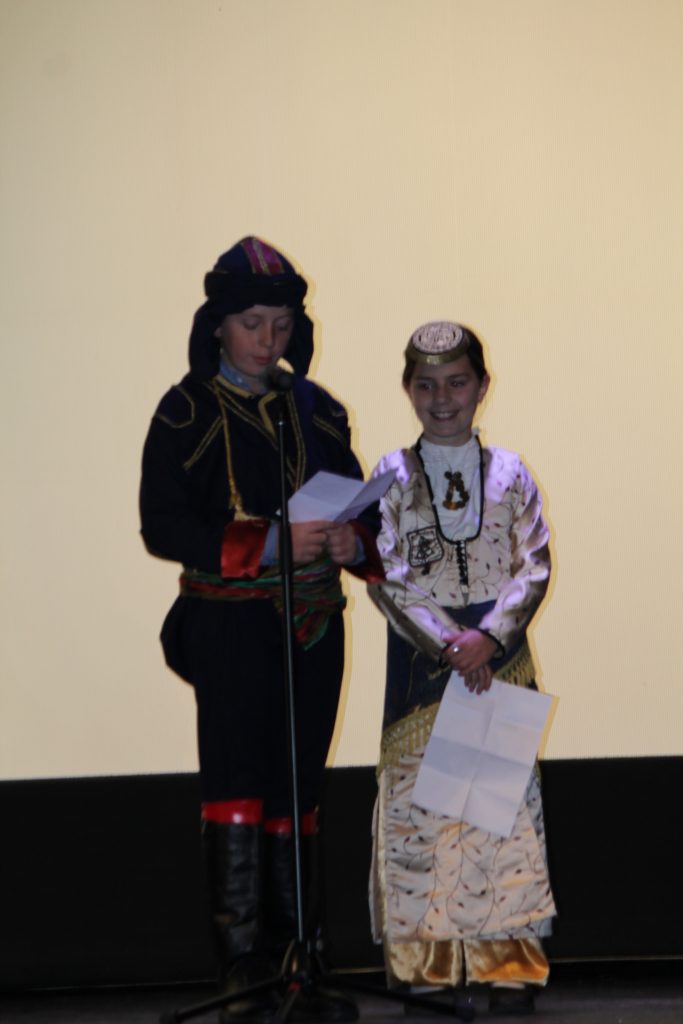
Official proceedings on the night kick started with a heart-warming entry by Pontian youth dressed in traditional Greek costumes and students from St Euphemia College, carrying candles and singing a song titled ‘My Homeland, My Homeland’ by Peter Papoulidis.
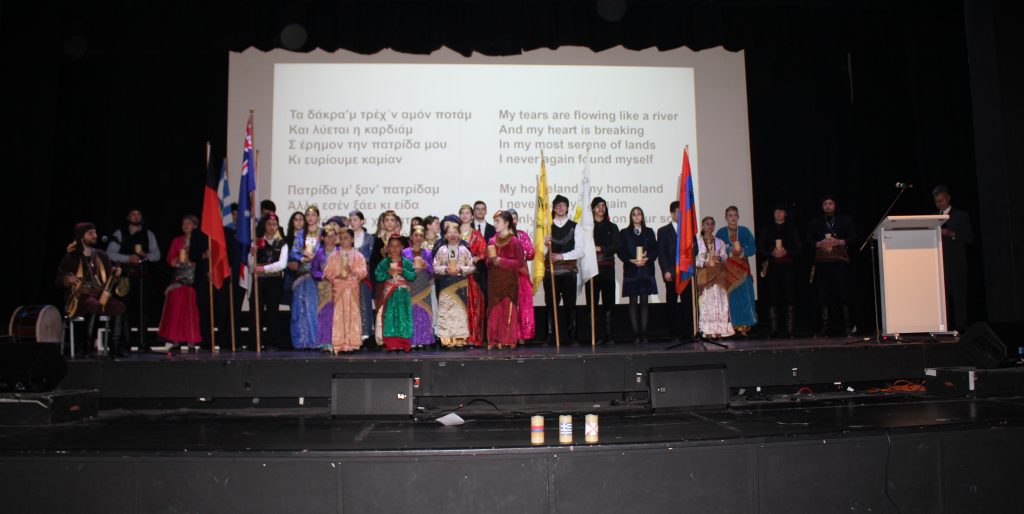
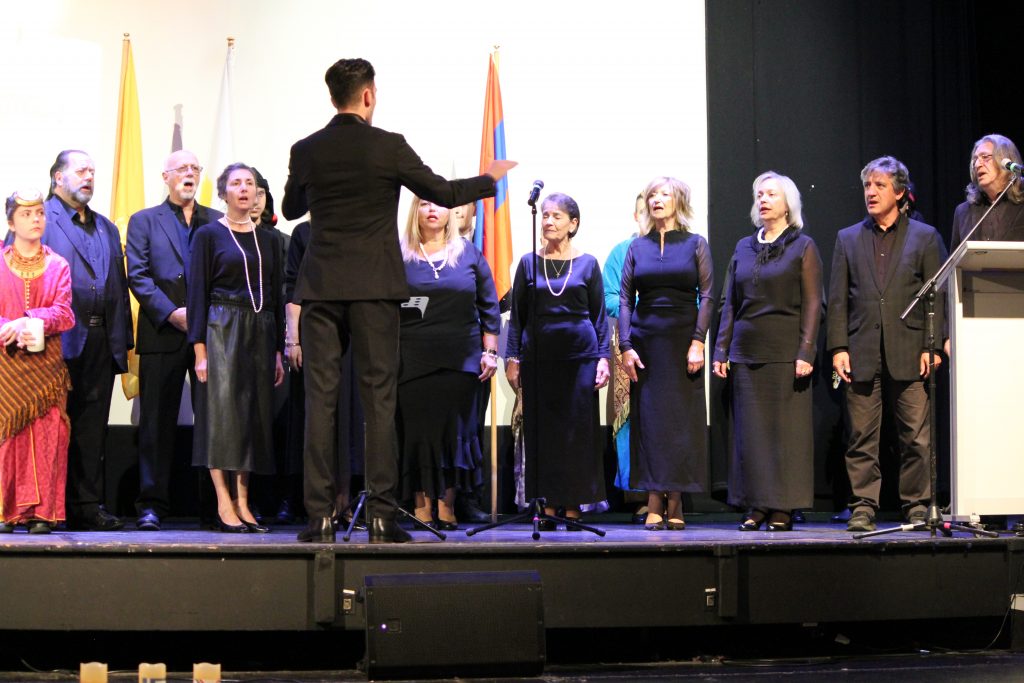
This was followed by the recital of the Australian and Greek National Anthems by the Australian Hellenic Choir, as well as the Ode by Peter Tsigounis, a minute silence and a small prayer.
Two poems were also read out on the night including one by Christina Ioannidou in Pontic Greek titled, ‘The Bell of Pontos,’ and one by Ilias Theodoridis called ‘Agia Sophia.’
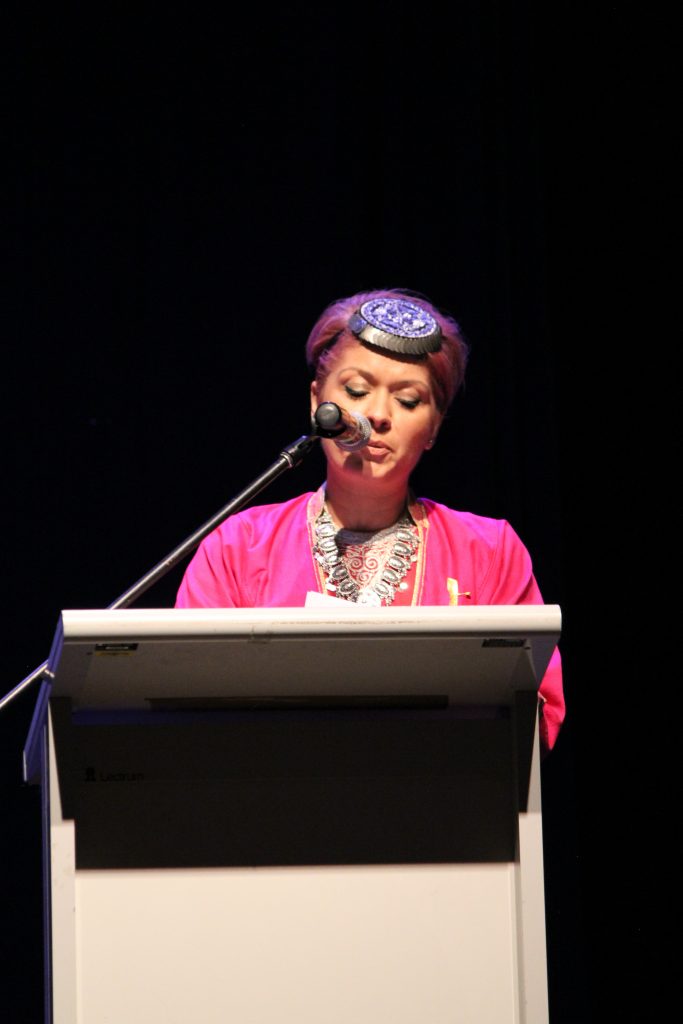
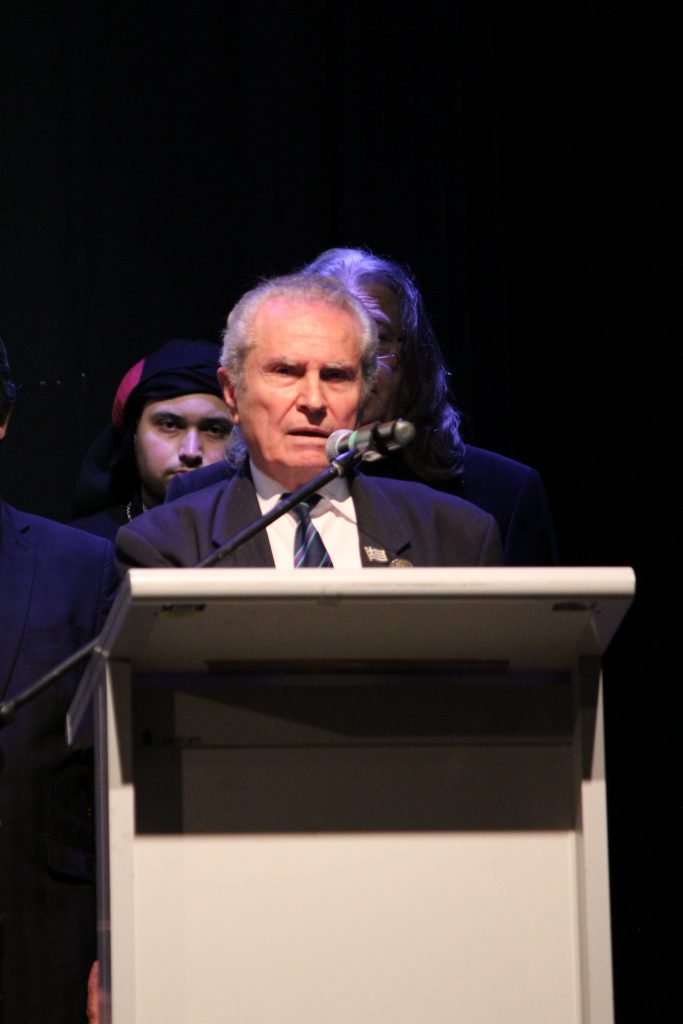
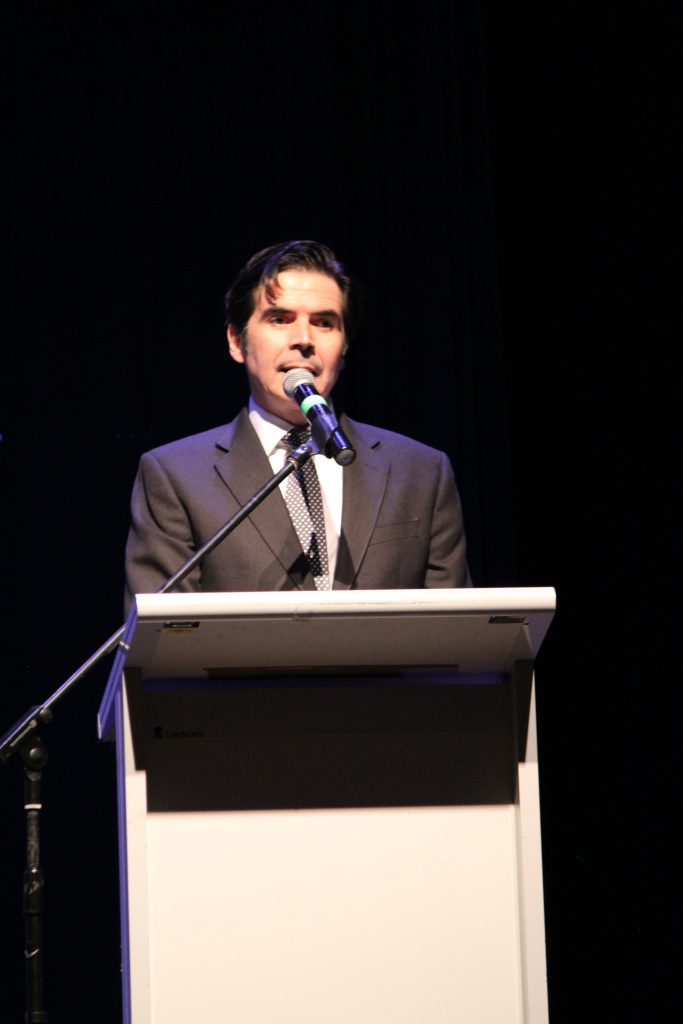
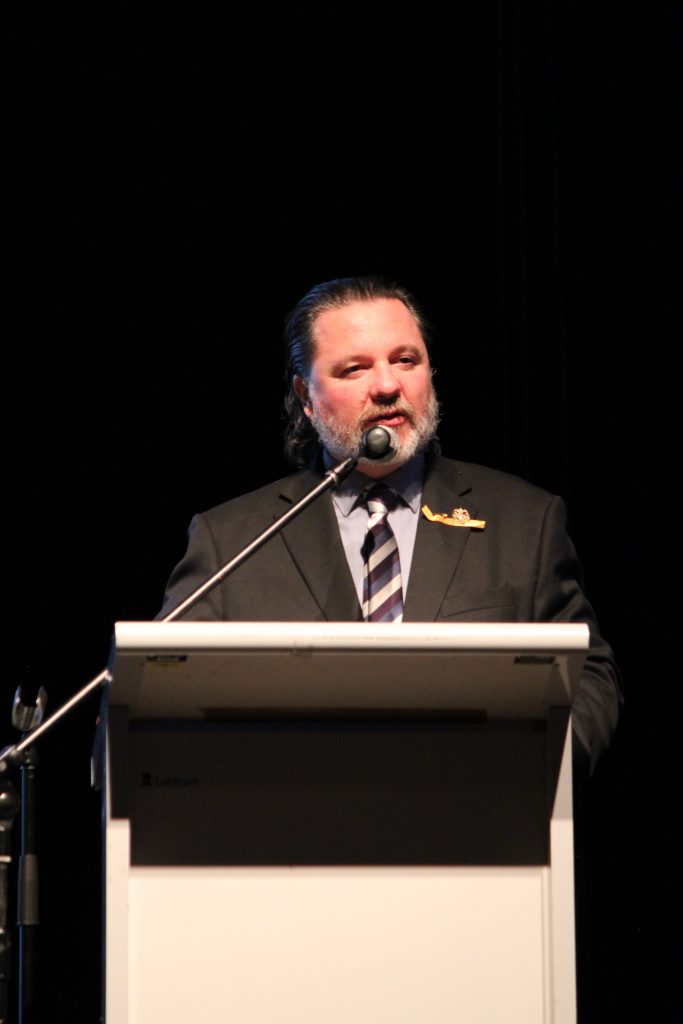
A number of speeches were then given by Ms Houssos, Mr Nile and Mr Karras.
In her speech, Ms Houssos stressed that there are two aspects to the Greek Pontian Genocide: “the horror of the loss of life and of the extinguishing of all of the possibilities that all of those lives could and should have had,” as well as “the loss of the homeland.”
“So it is absolutely beautiful to see all of the children and young people in traditional dress today. That connection to culture, that connection language, that connection to traditions is so important… and I really want to pay tribute to the Pontian community generally for maintaining those traditions,” she added.
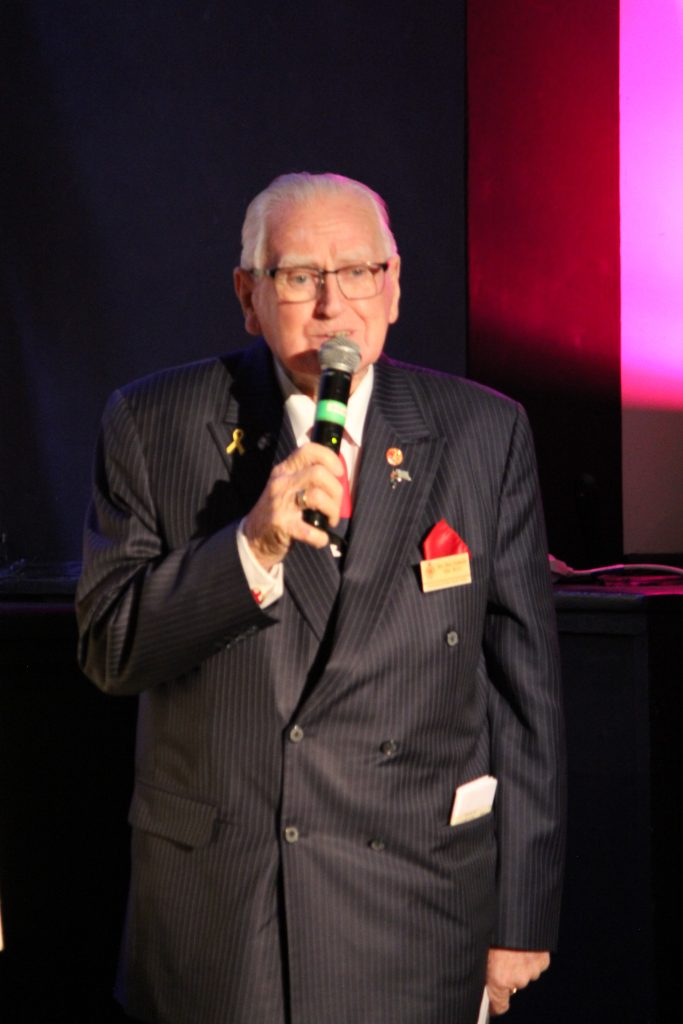
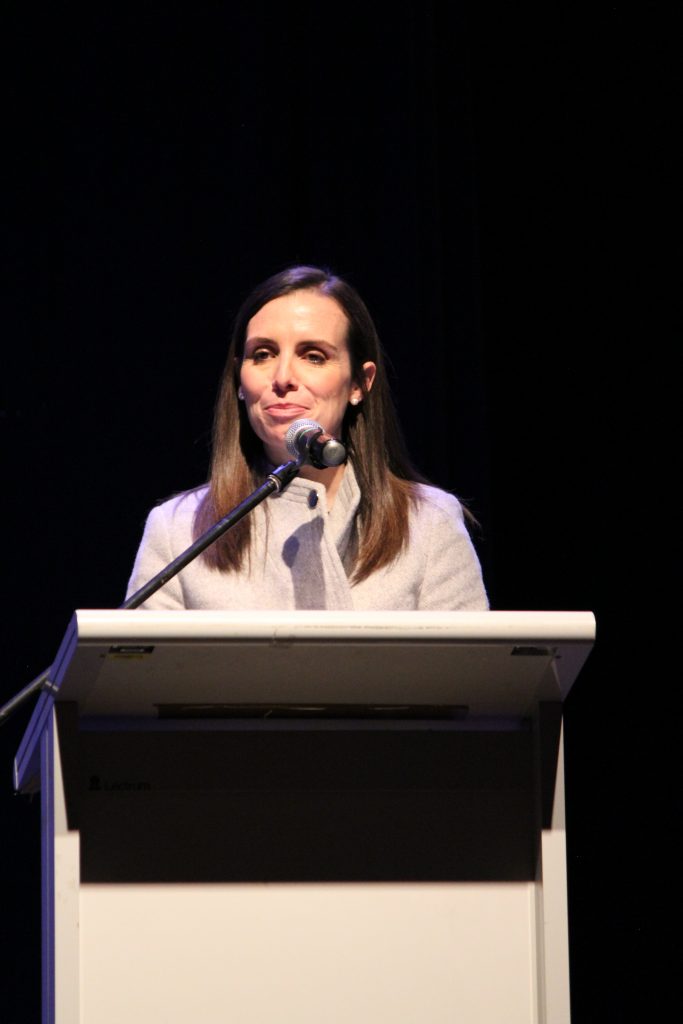
Mr Nile was next to the stage and explained how after he attended last year’s Greek Pontian genocide commemoration event he received a letter from the Turkish Consul General in Australia saying he will be banned from visiting Turkey in the future.
“I was very shocked to get that advance notice that I was no longer welcome in Turkey because of my support of the genocide but that won’t change my attitude,” Mr Nile said, drawing loud applause from the crowd.
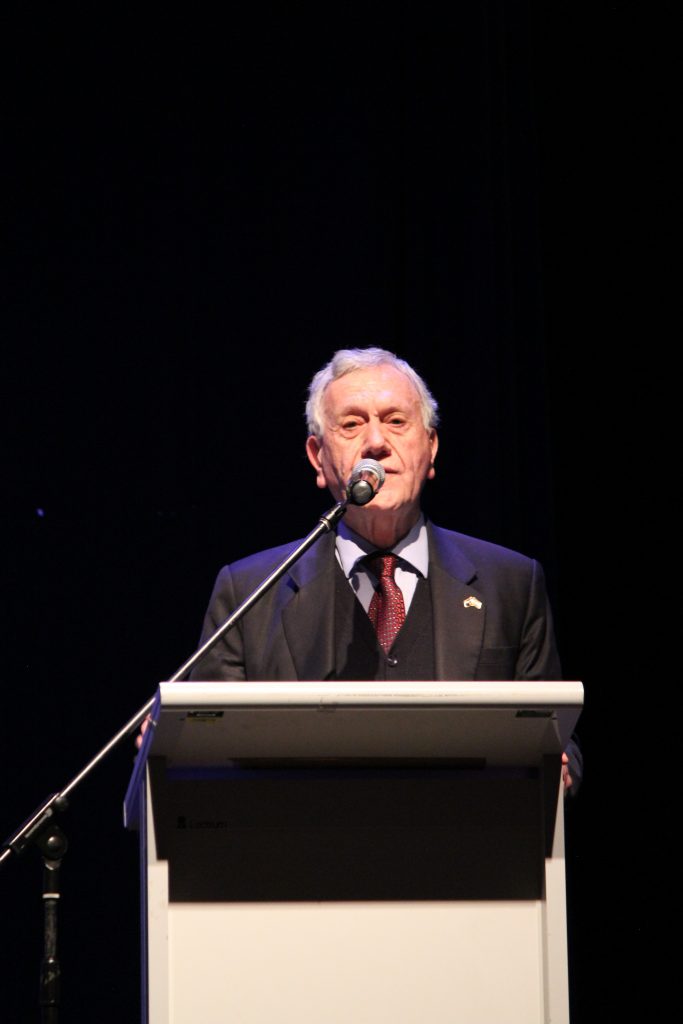
This speech was followed by Mr Karras who said these commemorations are important to remember and honour the “victims of a heinous crime against humanity.”
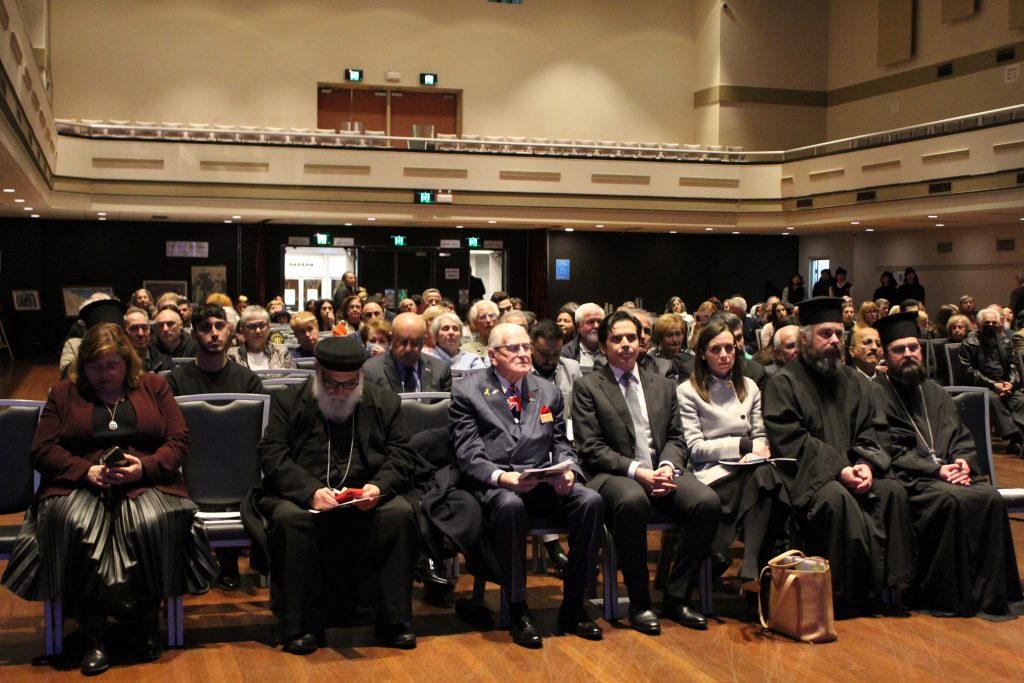
“The struggle for international recognition of the Pontic genocide continues,” Mr Karras said.
“It is our duty to know and to honour our history not in order to attach blame, but to ensure that such heinous crimes as the Pontic genocide are never repeated.”
After this speech, there was also a talk by Costa Vertzayias on the ‘Complicity of Covering up the Genocides,’ as well as two small speeches by Andrew and Georgia Belogiannis on ‘Why is it important for the Australian Government to recognise the Genocide.’
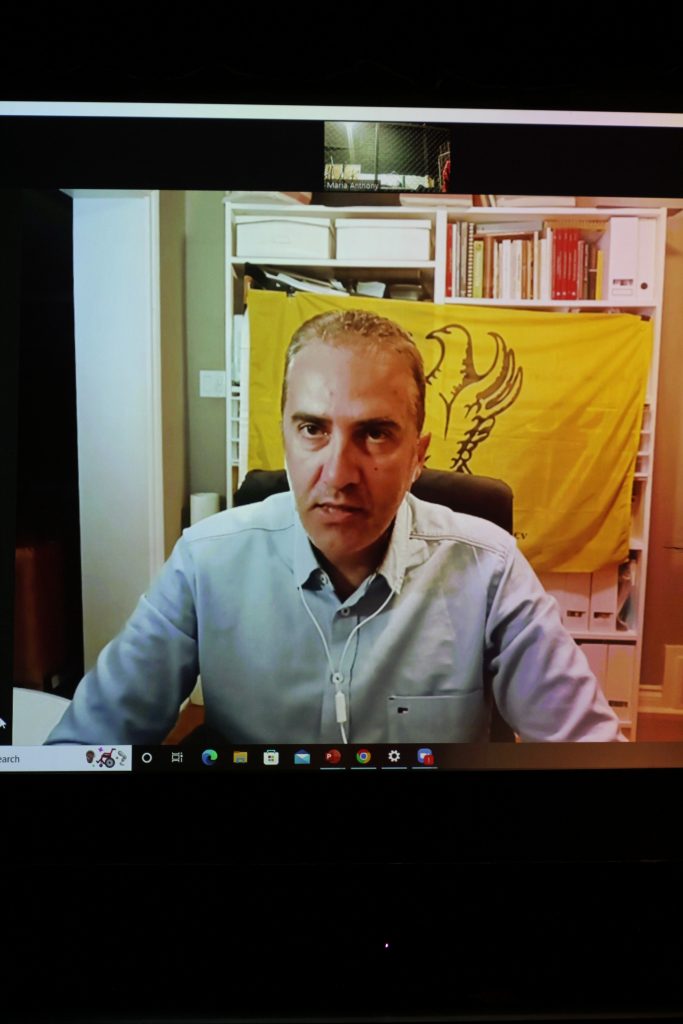
Last, but certainly not least, was the Keynote Speaker, Dr Theophanis Malkiidis, who Zoomed in from Canada on the night.
In his speech, which was summarised by Dr Panayiotis Diamadis, Dr Malkiidis spoke about the history of the Greek Pontian genocide and the importance of genocide commemoration events. He also urged the Greek Australian community to continue pushing for the Federal Government to acknowledge the Ottoman atrocities against the Pontians, Assyrians and Armenians as a genocide.
These official proceedings concluded with a traditional Serres performance by Pontian males including Kyle Klazidis on vocals, George Apostolidis on the lyra, Arthur Natsikas on the daouli, Peter Papoulidis for the poem, and Peter Tsenkas, Jacob, Nicholas, Dimitris Poniris, and Kosta Papoulidis as Serra dancers.
*All photos copyright: The Greek Herald / Andriana Simos.