
By Kathy Karageorgiou.
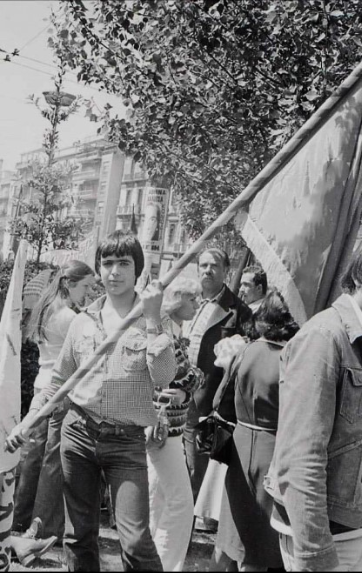
Grigoris Kasitas, aged 60, was born and bred in Athens, Greece. Keen to talk about May 1st as a celebratory event commemorating Labour Day, he also shares his experiences about his visits to Australia.
“May Day is Labour Day and not a day of ‘flowers.’ It is a day of homage to the hard-earned rights of workers – to the labour movement managing to reduce the working day to eight hours. Any other version of May 1st is propaganda diverting people from the workers struggle against exploitation,” he enthusiastically explains.
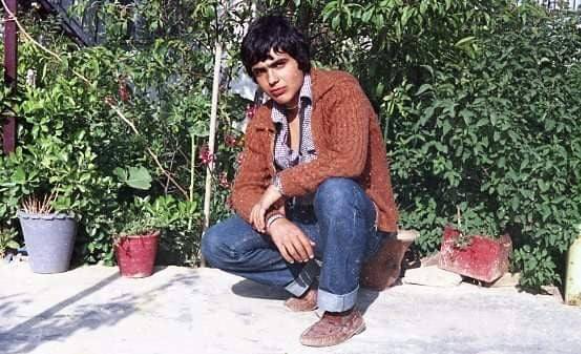
He and his Greek Australian wife try to spend much of their time living in the countryside not far from Athens, commuting back and forth for work.
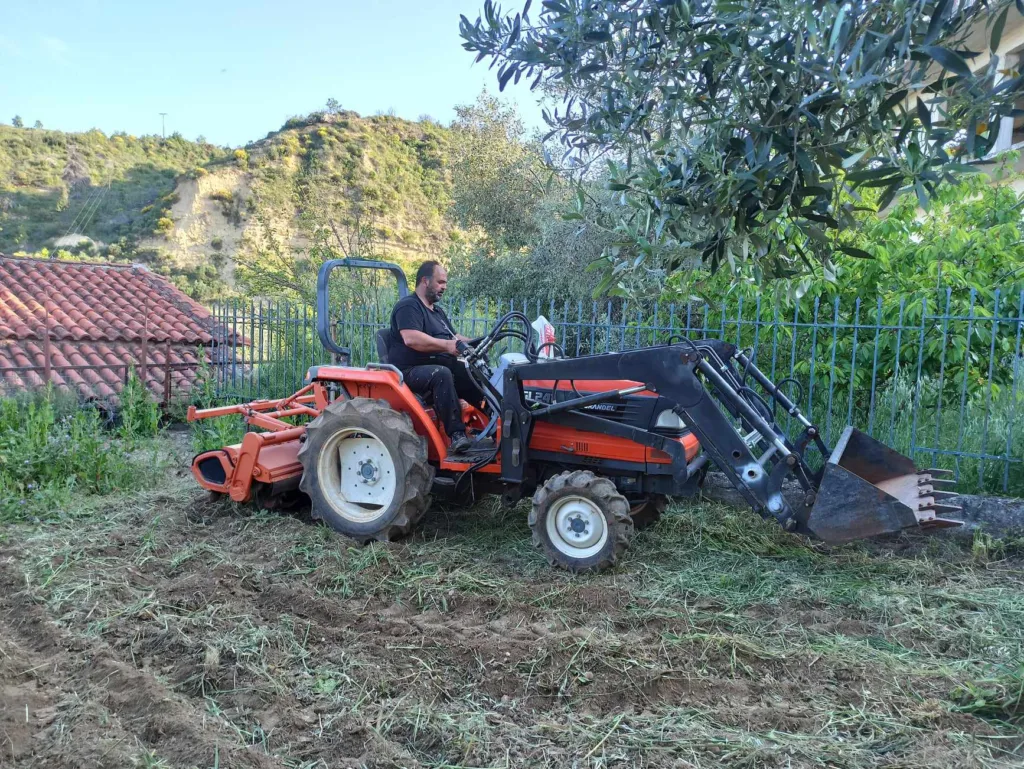
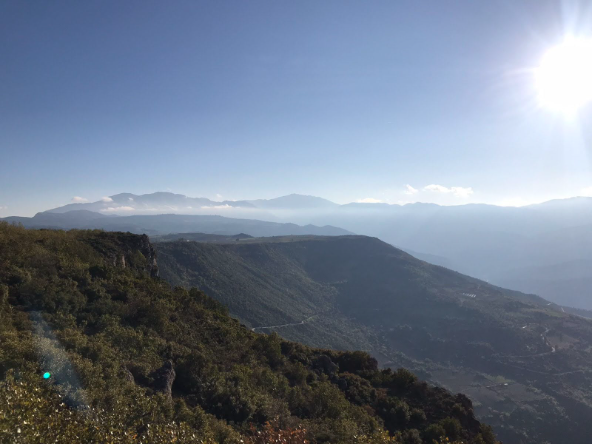
“We work hard and saved to buy a small property in a mountainous part of the Peloponnese. Athens can be a nightmare – traffic, chaos and air quality’s not great, so I try to spend most of my time in the mountains,” he says.
Alluding to his 2008 and 2012 visits to Australia with his wife and daughter, he says, “Life in Australian cities isn’t as bad as in Athens, because you have peace and quiet. You can’t compare Greece with Australia – it’s like night and day. Greece is so unorganised whereas everything in Australia seems to work – from rubbish collecting, road maintenance, clean streets, as well as the bureaucracy. Even the police in Australia are helpful. I was looking at a map and a policeman politely asked, ‘can I help you?’ They don’t do that here in Greece. In Australia, the law is enforced at every level and there’s accountability to the people.”

I mention that if the police in Greece at times attempt to enact their call of duty, many Greeks consider it fascist and turn against them. Grigori calmly responds, “perhaps that’s because people are angry that the overall system in Greece doesn’t seem to care about its citizens.”
I’m curious for him to continue, to perhaps point out things that I as a Greek Australian possibly take for granted.
“Getting a tax file number there [in Australia] took 10 minutes! Here, that would be considered a joke… Another reason why celebrating the 1st of May Labour Day is very important – for people to demand better!” he says.
Australia has its problems too – such as crime and inflation, I point out, to which he says, “Look, I’m under no illusions. I know how Australia treated its Aborigines, and that it’s a capitalist country in every way. It’s also less populous than Europe and rich in mineral wealth, but Australia’s government nonetheless has more humane, social aspects to it compared to Greece.

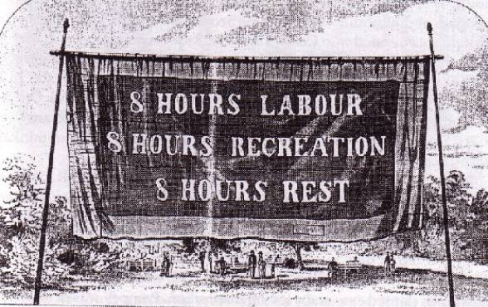
“If a Greek steals for example, he usually has a serious reason, like to feed his kids, whereas if an Australian steals, it’s not because he needs to eat! And that’s why acknowledging the 1st of May – Labour Day is so crucial. We have to keep fighting for the dignity of working people and their families.”
Speaking of generations, I ask Grigoris for his views on the Greek Australian community.
He pauses and says: “The 1st generation are kind and hospitable. That’s the good part of them retaining their 1950s and 60s Greek mentality. But they’re stuck in a kind of time warp… whereby they have extremely conservative values which show in things like their dress sense, their views towards sexuality, and how they brought up their kids. So, it’s hard for the 2nd generation who have to balance two cultures made up of different and often clashing value systems.”
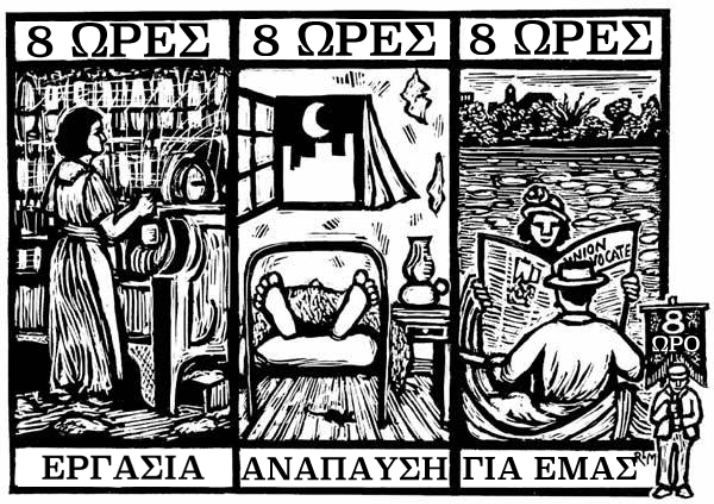
Grigori alludes to the capitalist system getting worse since the Greek crisis starting in 2007, whereby “employment laws and rights began to be ignored, and the fear of unemployment made many workers hostages to unscrupulous bosses.”
He refers to being disappointed upon seeing Greek Australians in Australia “unthinkingly offering themselves wholly to the capitalist system of exploitation, through neglecting to live life.”
Expanding, he says, “I understand the Greeks went to Australia as migrants for a better life, but many forgot to enjoy life, and young people there are doing the same. They bring their work home, beyond eight hours. They bow their heads, and before you know it, they’re 70, 80 years of age and perhaps they’ve accrued wealth, but… at the cost of their personal life.
Grigoris asserts proudly, “I am a Leftist who did notice that Australia stands with its people and not against them.”
