
By Peter Tantalos
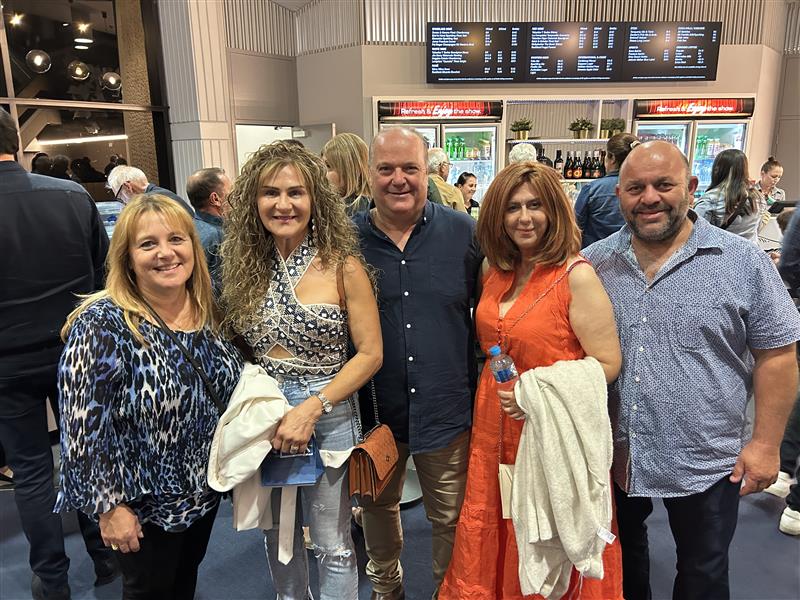
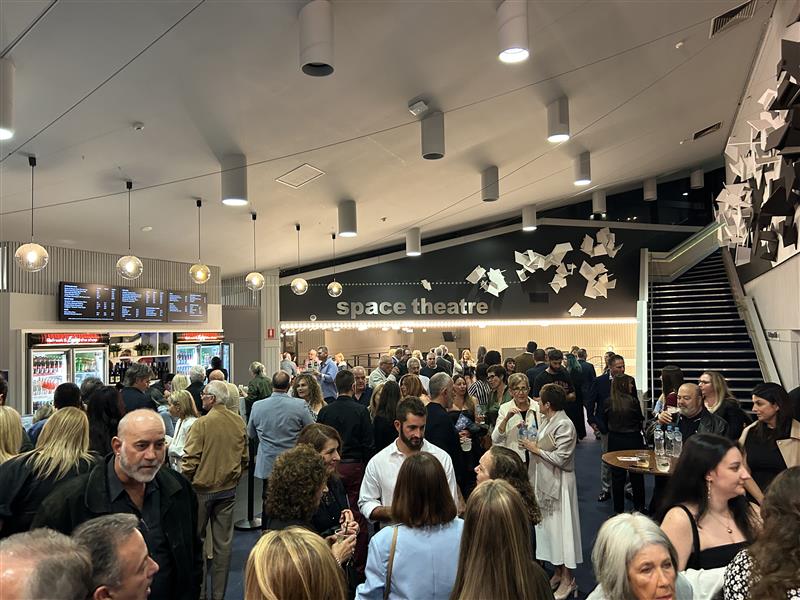
On March 23 in a sold-out event, the Festival Hellenika dedicated a musical night to the “Zeibekiko,” a popular dance with deep roots in the folk traditions of Greece and Asia Minor.
Festival Hellenika is an annual multi-disciplinary arts festival, from March to May, that celebrates the richness of Hellenic culture. It aims to maintain, develop, and promote Hellenic links across various art forms, contributing to the enrichment of Australian society.





Zeibekiko is unique for its singular choreographic style, relying on the improvisational movements of the individual dancer throughout the display. It is a typically emotive type of dance, and is learnt by observation and integration of various styles into one’s own technique.
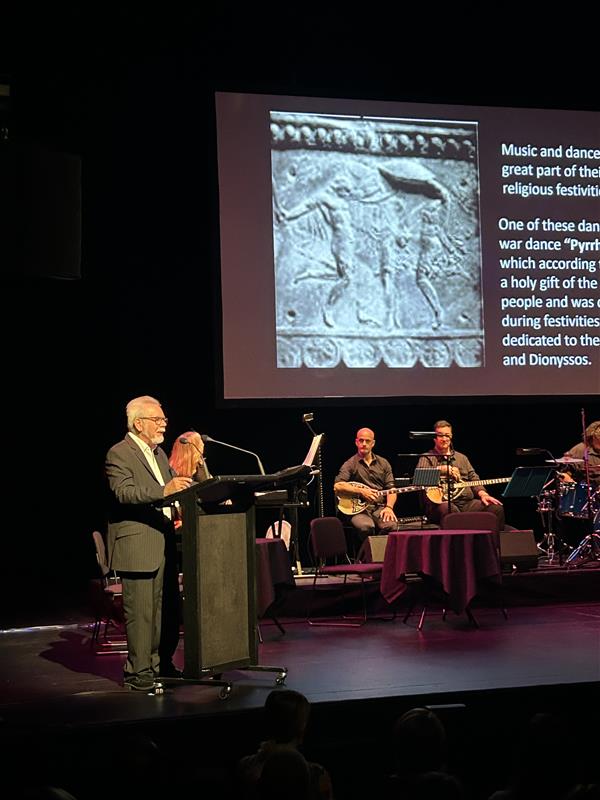
This event brought concertgoers on a journey through the history and origins of Zeibekiko, through the performance of a spectrum of Rebetika, Laika and contemporary songs.


The dance’s name is derived from the Zeibeks of Asia Minor. Initially resembling a war dance, it evolved into an improvised solo dance; A solo dance which now holds a revered place in Greek culture, symbolising not only themes of sorrow, loss and tragedy but also strength, defiance and resilience.
The Zeibekiko dance has evolved over centuries, reflecting changes in Greek society while maintaining its core uniqueness. Initially a masculine performance, women have increasingly participated in recent years, breaking free from traditional gender roles.
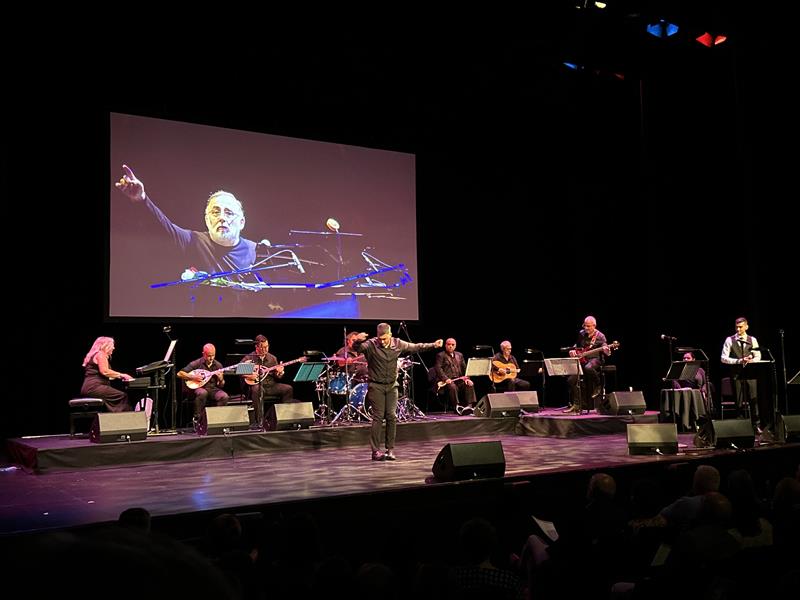
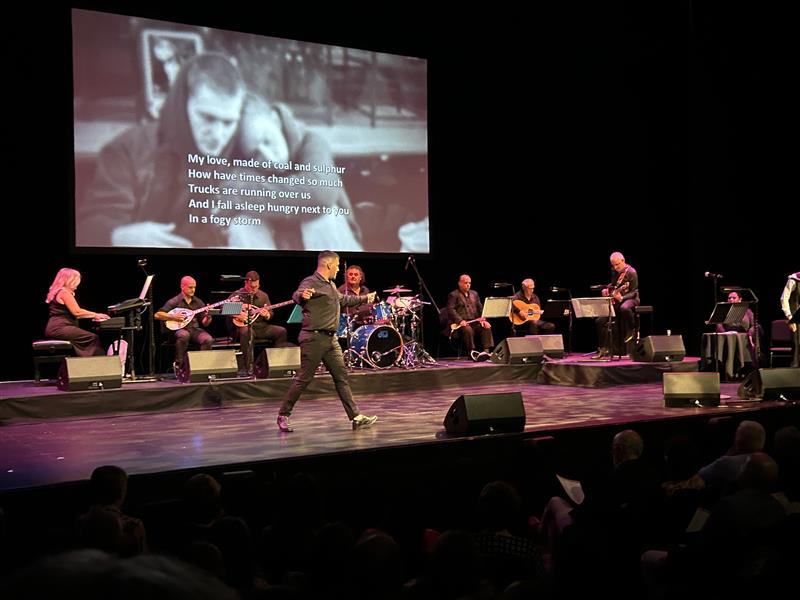
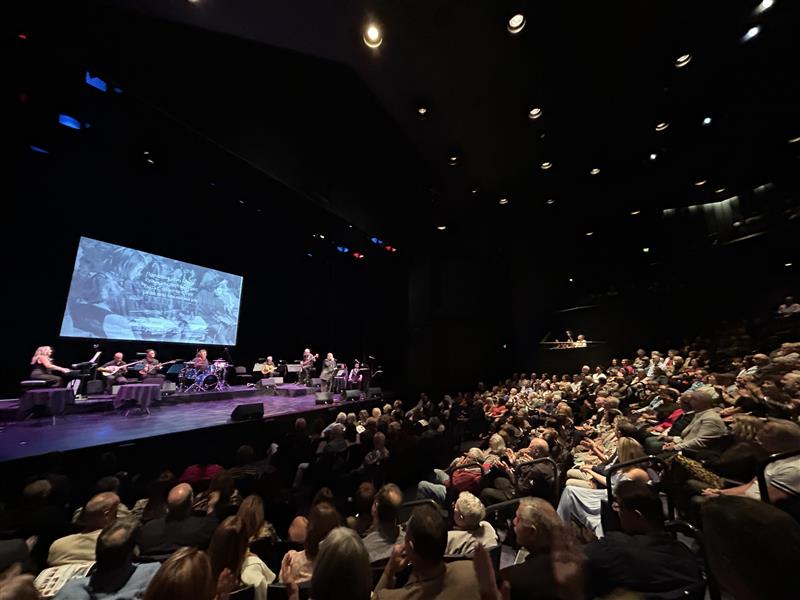
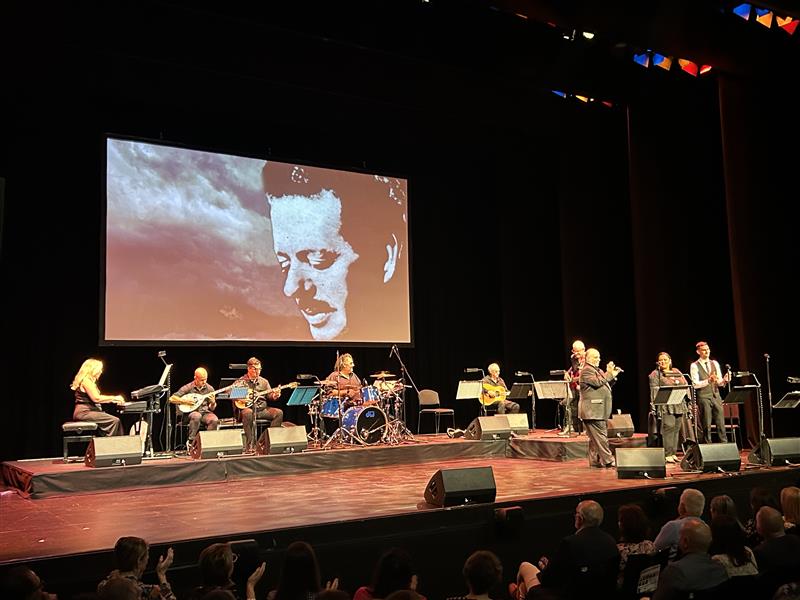
The evening was highlighted by performances from an extraordinary musical ensemble. Vocalists Joanna Chryssostomou, Stamatis Dimitrakopoulos, and Jim Mountzouris, under the guidance of maestro Paul Gelios, delivered beautiful renditions of Zeibekiko classics.
Further, the event showcased talented dancers from the Messinian Dance School of SA, and the Greek Orthodox Community of SA (GOCSA) Dance Academy, complimenting the traditional songs with dynamic live performances.






The Festival Hellenika event provided a memorable night that celebrated the traditional culture and emotion of the Zeibekiko. By intertwining the history of the historic struggles of Greeks with the dance’s spirit, the music reaffirmed the enduring legacy of Zeibekiko in Greece’s cultural fabric.

