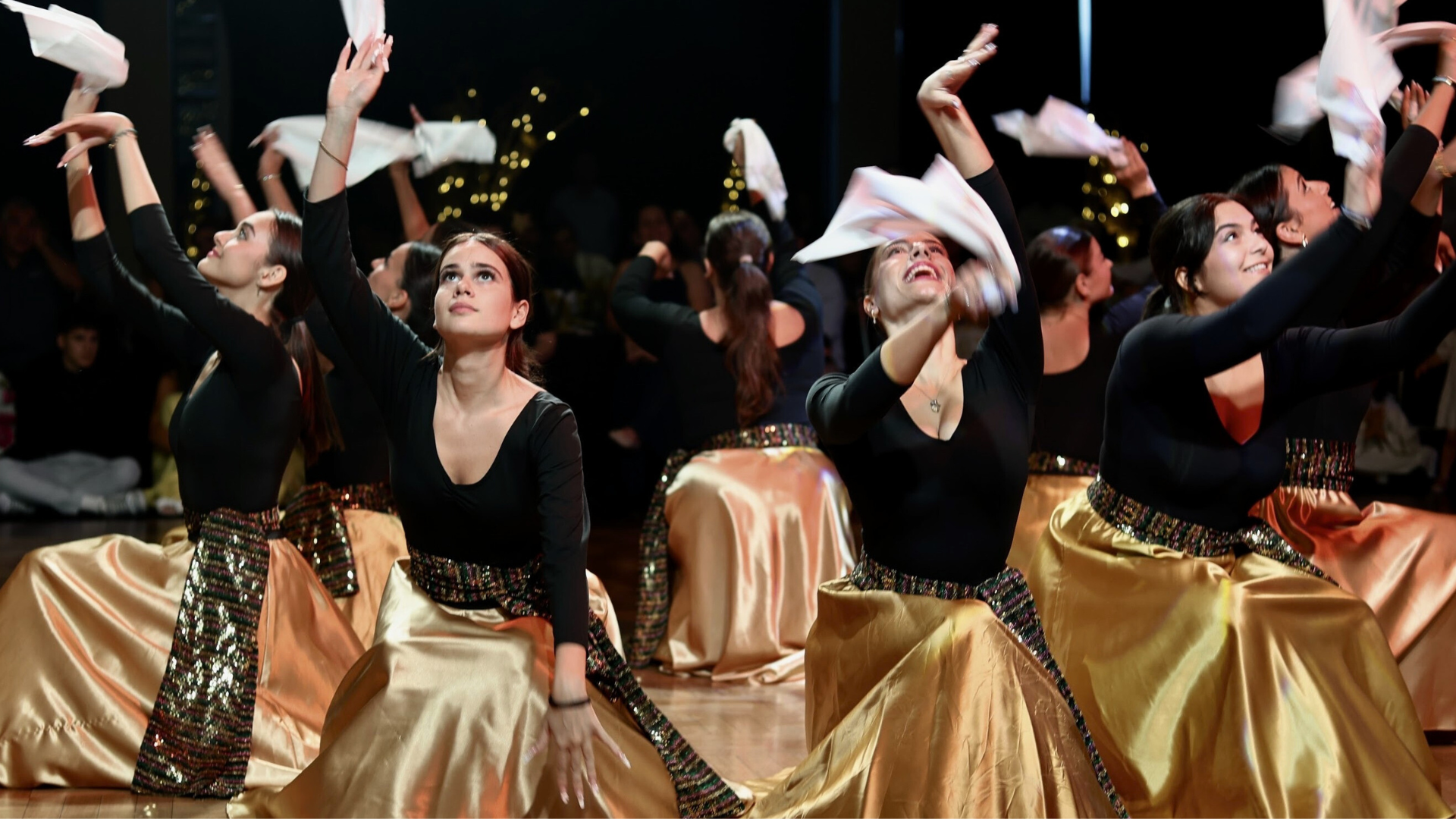
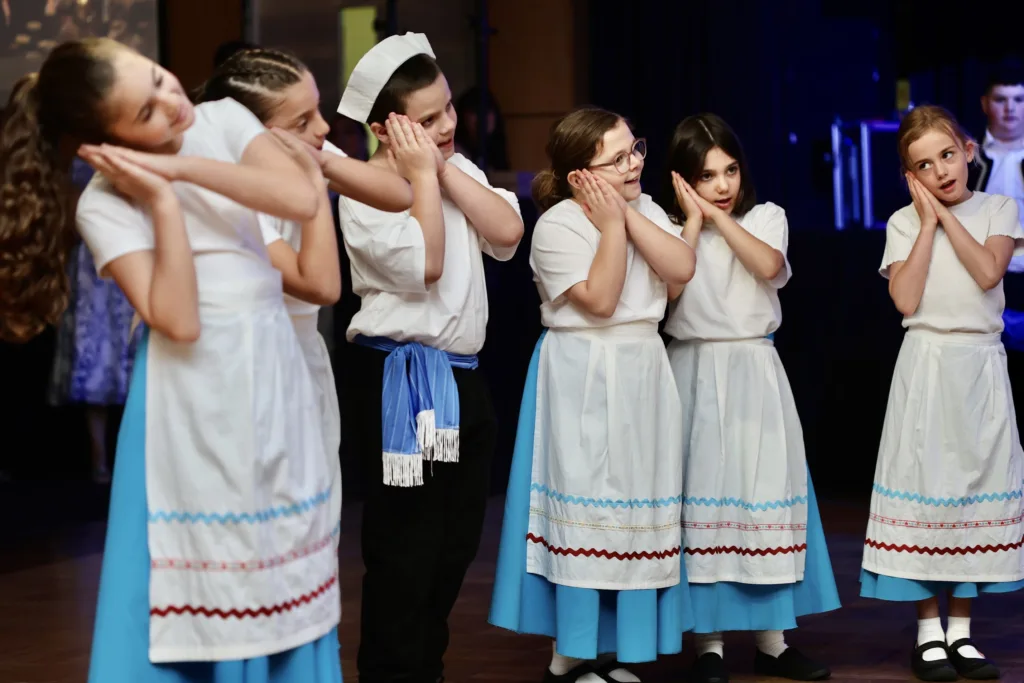
If you’re a Greek Australian who’s grown up in Canberra, you’re probably familiar with the Canberra Hellenic Dancers (CHD).
The Greek dance organisation is unique to Canberra, as it is the only one in the Australian Capital Territory (ACT), and offers both traditional and modern Greek dance classes for children and adults.
With 11 different dance groups, and more than 200 dancers aged 5 to 70 enrolled and attending dance classes each week, the dance organisation has been a hit for Greeks in the community since the 80s.
In an interview with The Greek Herald, the President of the CHD Maria Kouparitsas revealed how the dance organisation was founded, as well as some of its greatest achievements over the years.
How did the Canberra Hellenic Dancers come about?
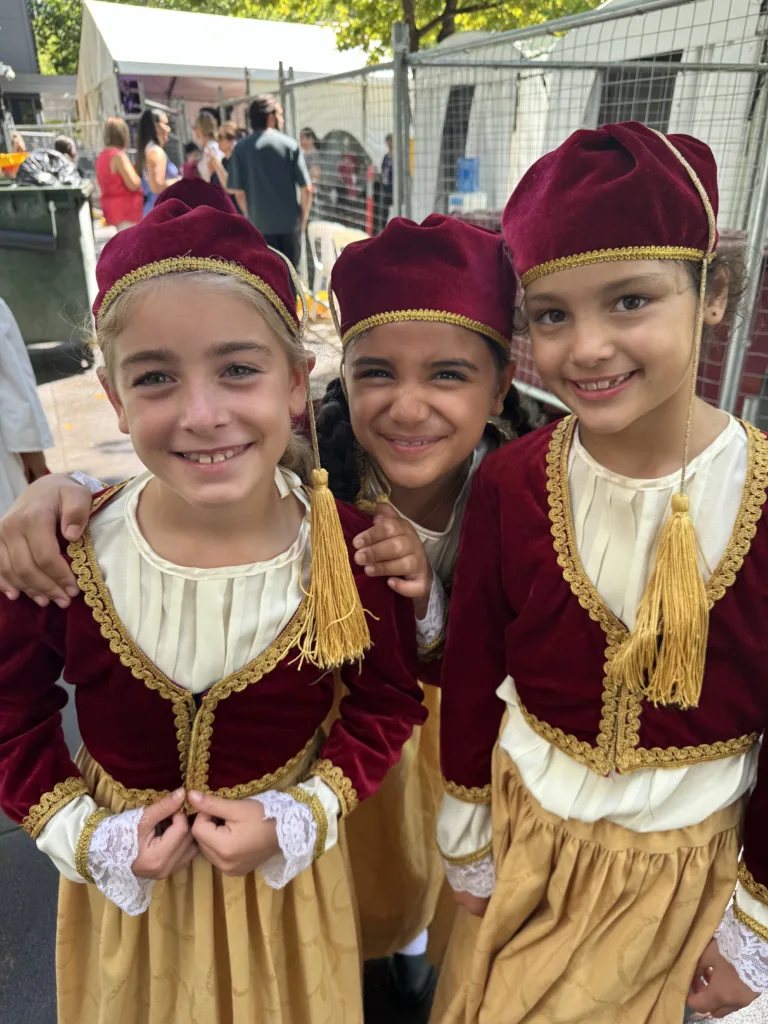
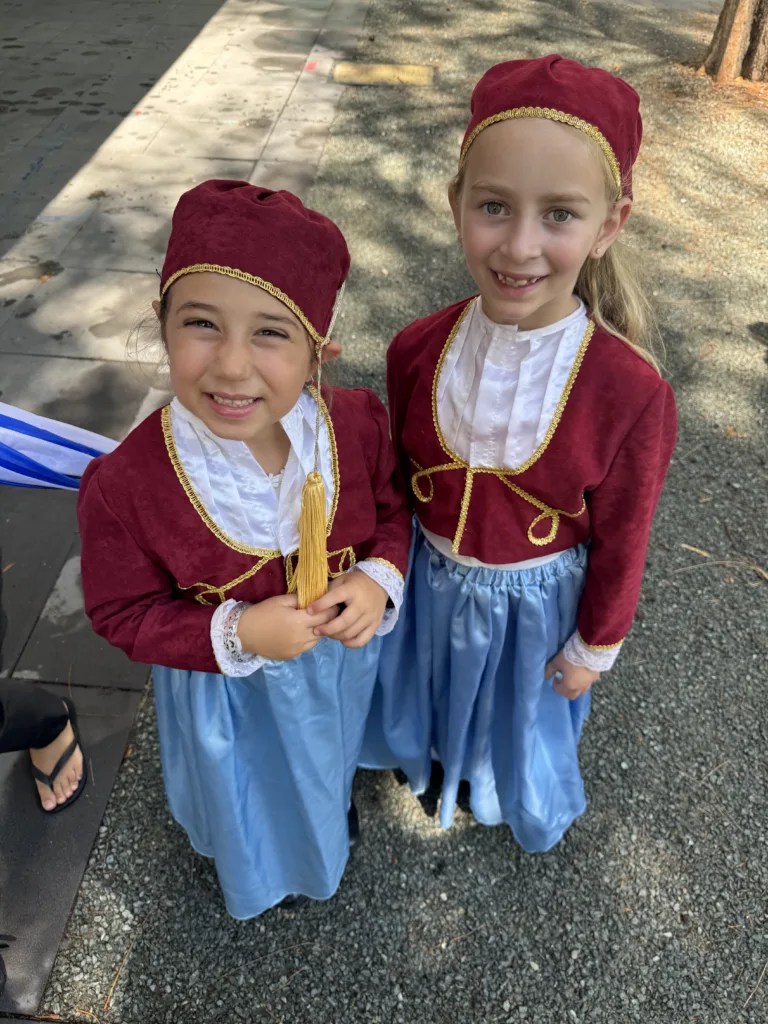
Maria said the dance group started in 1980.
“It was founded by Mrs Effie Antoniou, who wanted to start a dance school for the youth of Canberra,” Maria told The Greek Herald.
“We started off with quite a small number of students, and it has grown over the years.”
What will you learn?
Joining the group is like joining a community and embracing “a love for dance.”
“Depending on your level, you will learn the basics and then the more advanced style of dance, and gain experience in the different styles of Greek dancing from the different regions in Greece,” Maria said.
Connections to the Hellenic Club
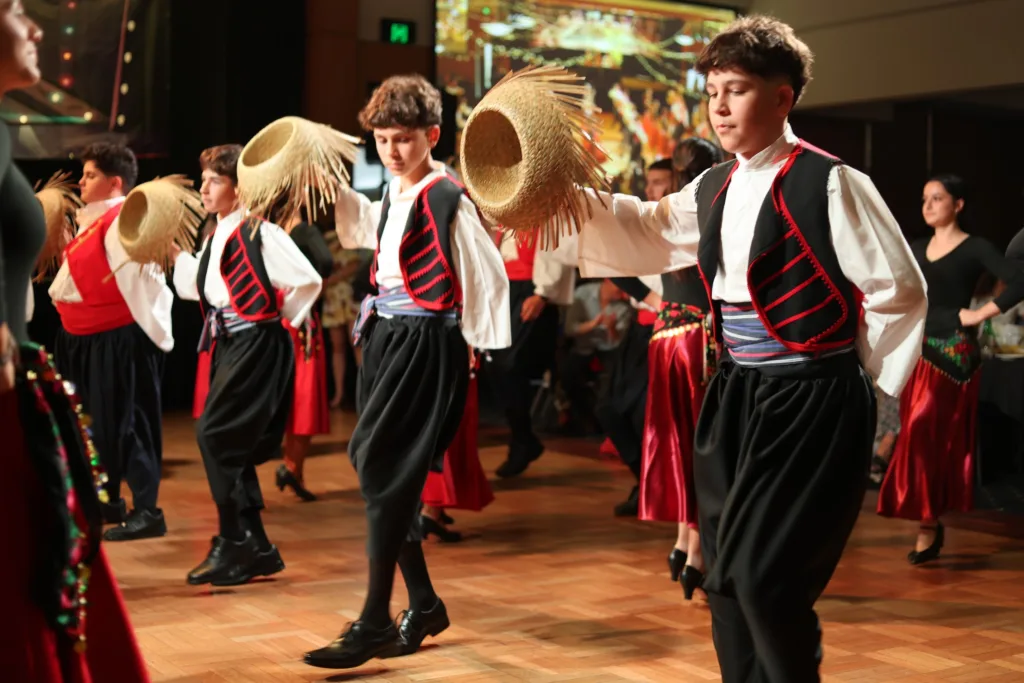
The Hellenic Club of Canberra has played a vital role in the formation of the CHD. Maria described it as the dancers’ “second home and biggest supporter.”
“It’s where all our dancing classes are held,” she said.
“If we aren’t dancing here, then on many nights we are eating here!
“We are very grateful to the Hellenic Club for continuing to support us in so many ways and we could not do what we do without them.”
Accomplishments over the years
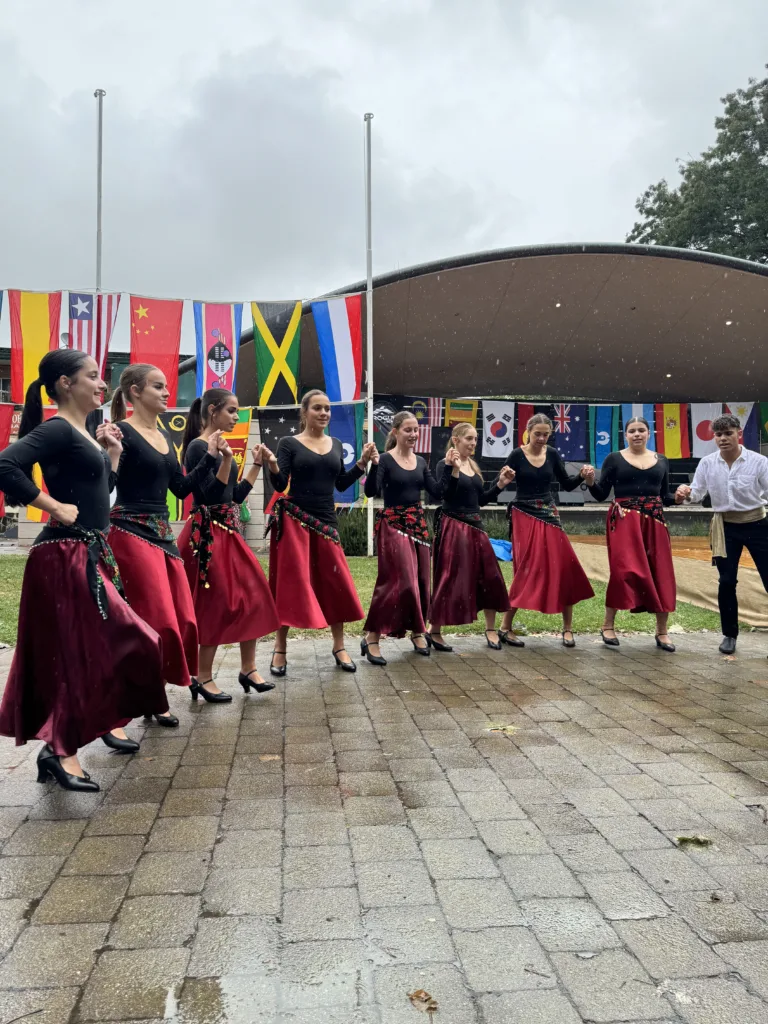
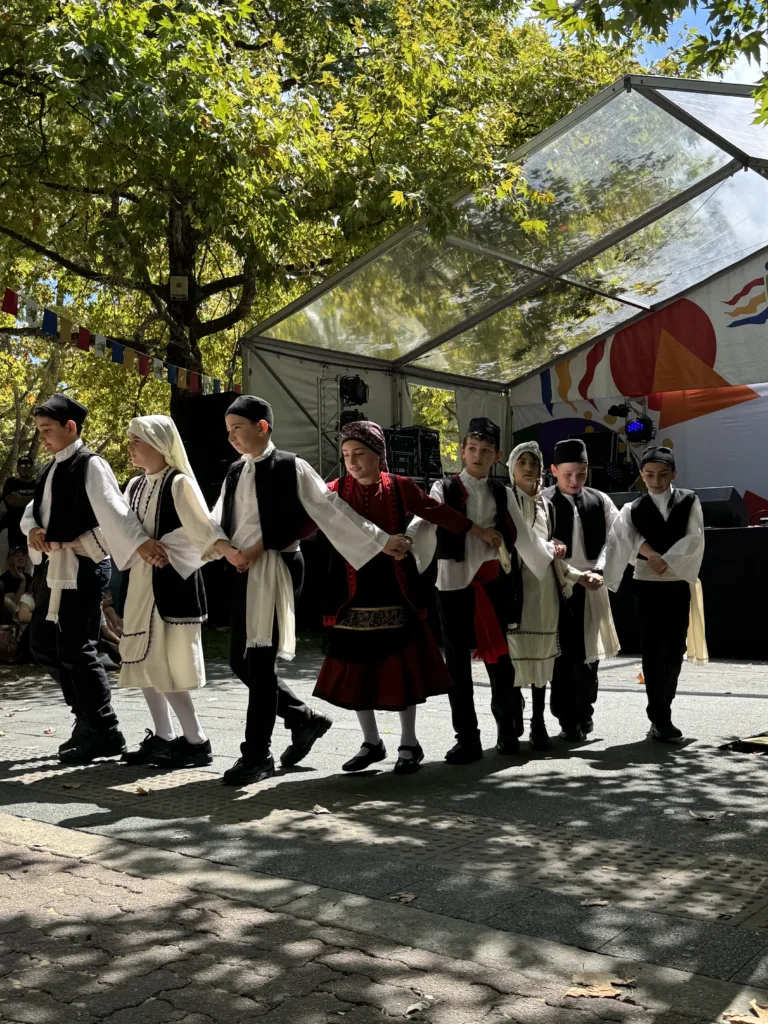
The CHD have become known for performing all around Australia, showcasing their special talents on multiple occasions including multicultural festivals, Greek association events, private functions, National Museum exhibitions, local fetes, and at Aged Care facilities.
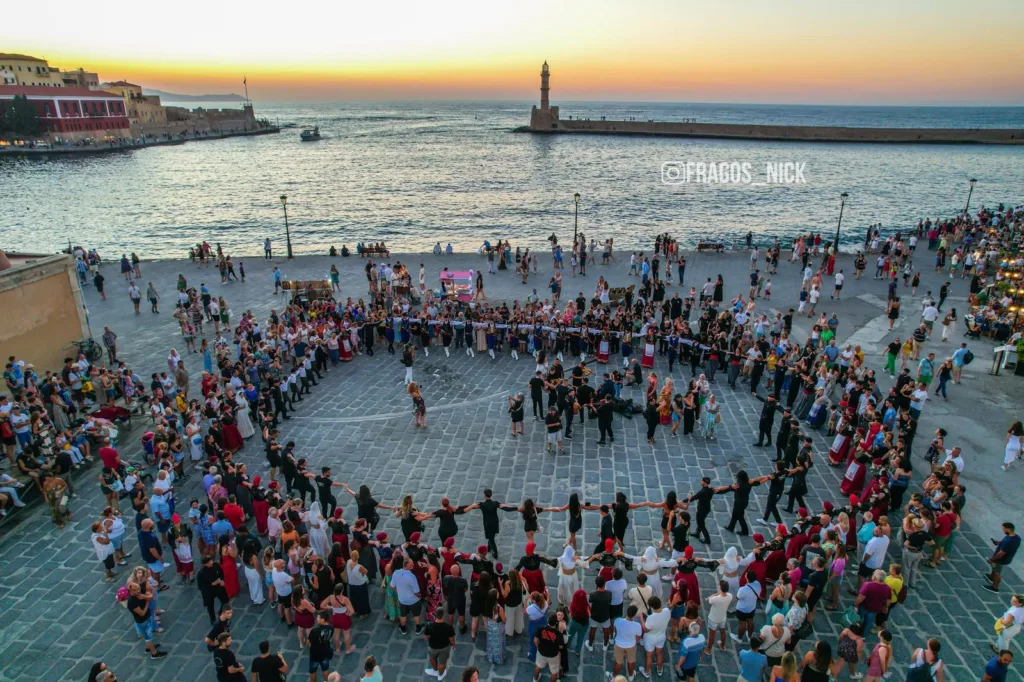
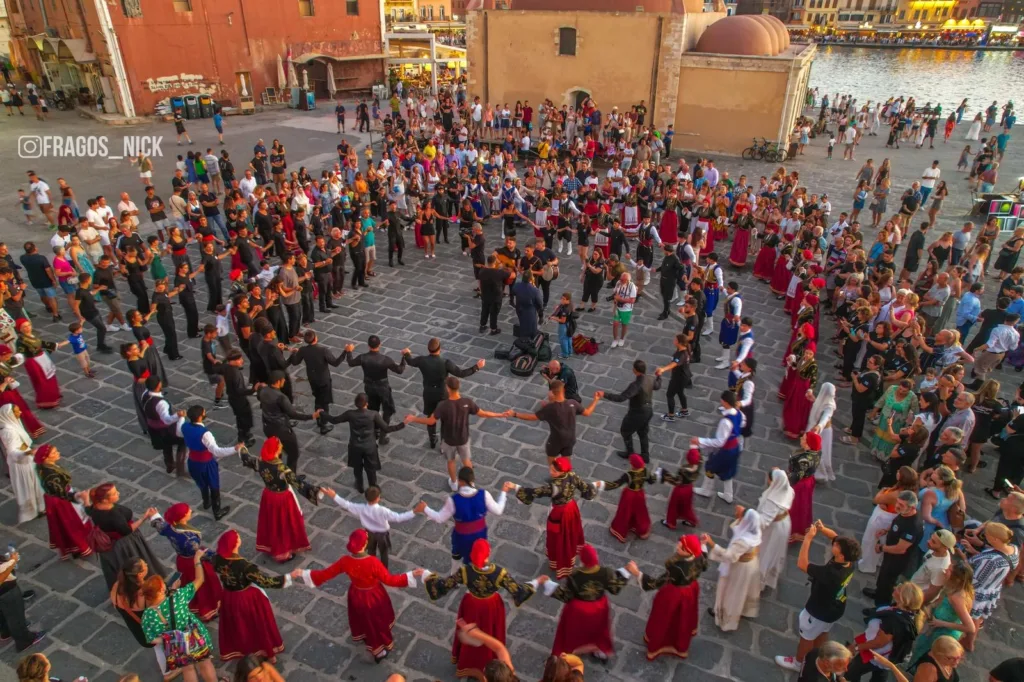
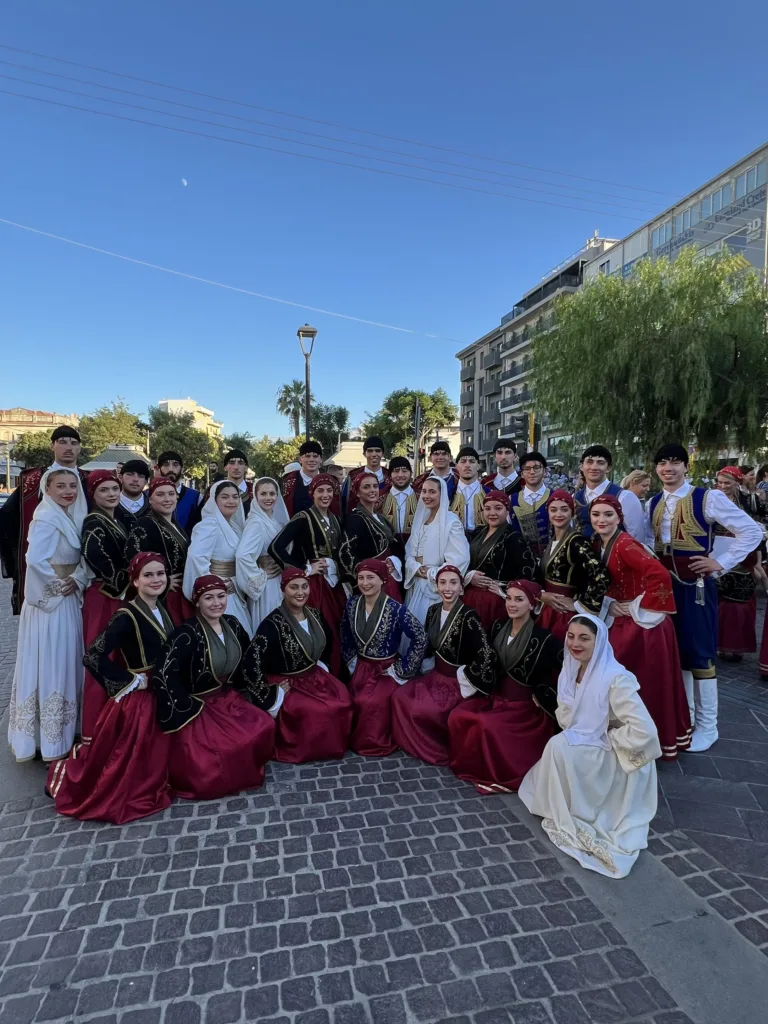
Maria shared that one of their biggest accomplishments includes travelling to Greece in 2024 with two senior groups for a “once in a lifetime experience.”
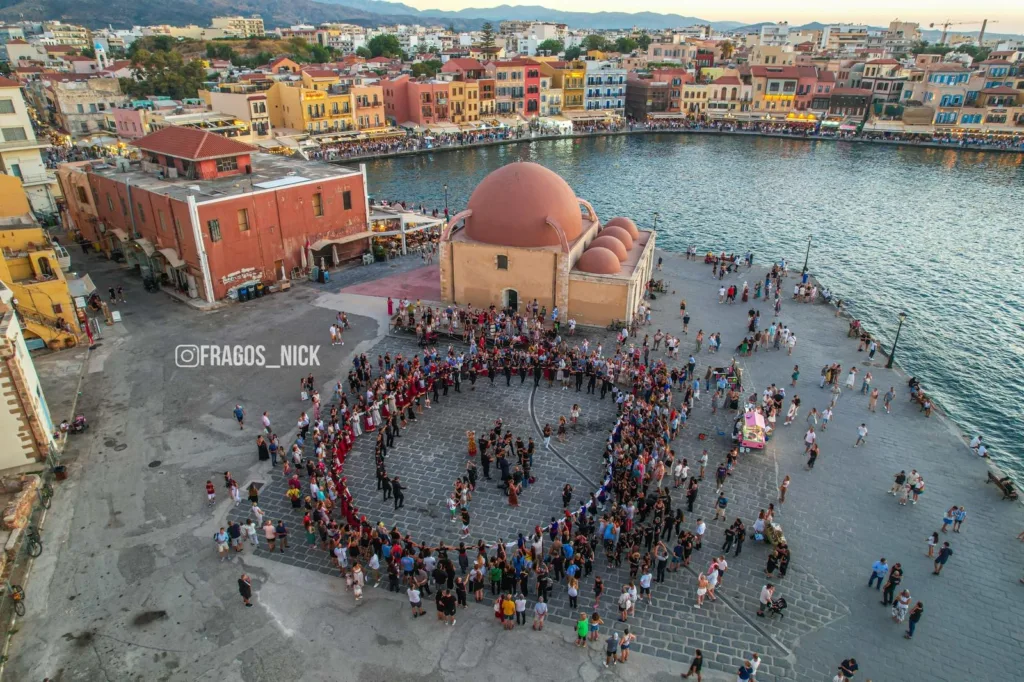

“Our committee spent months planning this trip for our students and tried to pack as much as possible so they could get a taste of history, culture and dance all packed in a 10-day experience,” Maria said.
“As part of this trip, we attended Greek dancing workshops with some of the best dance schools in both Athens and Crete, learned more about our history at various historic and archaeological sites, performed on the streets of Crete together with the locals and got to immerse ourselves completely in our culture.
“For many of the students, who are now second and third generation Greeks, this was their first time visiting the motherland.”

The importance of Greek dancing
The CHD President emphasised the importance of Greek dancing amongst young people.
“It is so important for us to pass Greek dancing knowledge down to younger generations to keep the passion for Greek dancing alive,” Maria said.
“I also think that Greek dancing is an excellent opportunity for our young Greek Australian community to connect with their Greek heritage and culture, meet new people and make lifelong friendships.”
The dancer experience
The Greek Herald additionally spoke with two CHD dancers, Nicole Schwirtlich and Michael Voudouris, to hear about their experiences.
Nicole, 25, with Greek origins from Kythera, said her dancing journey began when she was a child in Sydney. Once she moved to Canberra, she joined the CHD to get involved with the local community.
“In addition to being a great workout, Greek dancing teaches us about our history,” she said.
“We may live far away from Greece, but learning these traditional dances is a way for us to engage with these stories and continue connecting with our heritage.”
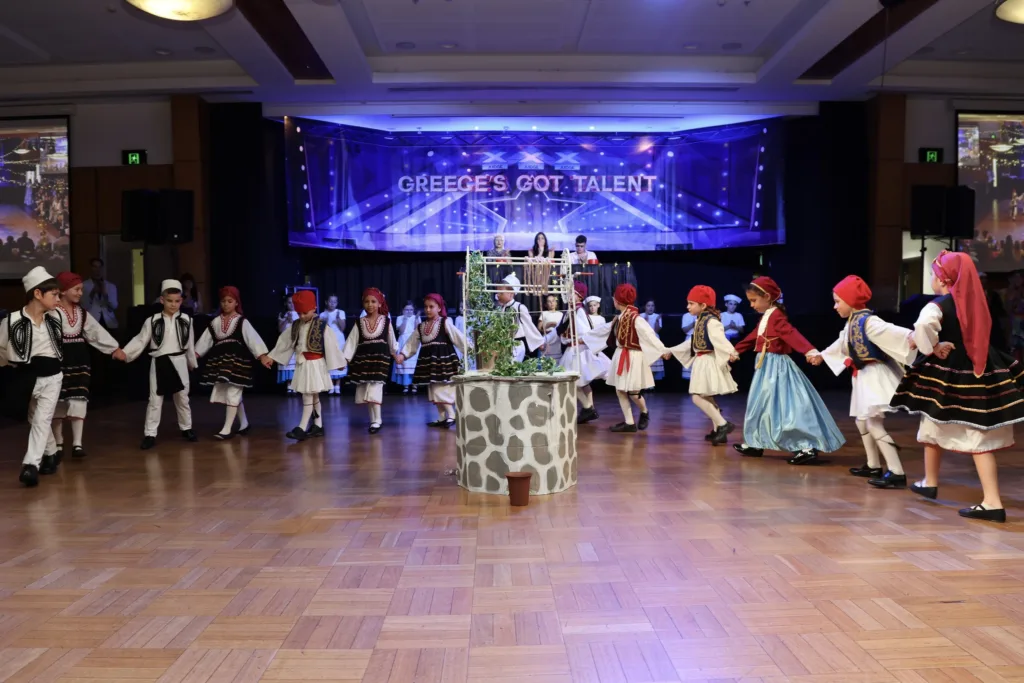
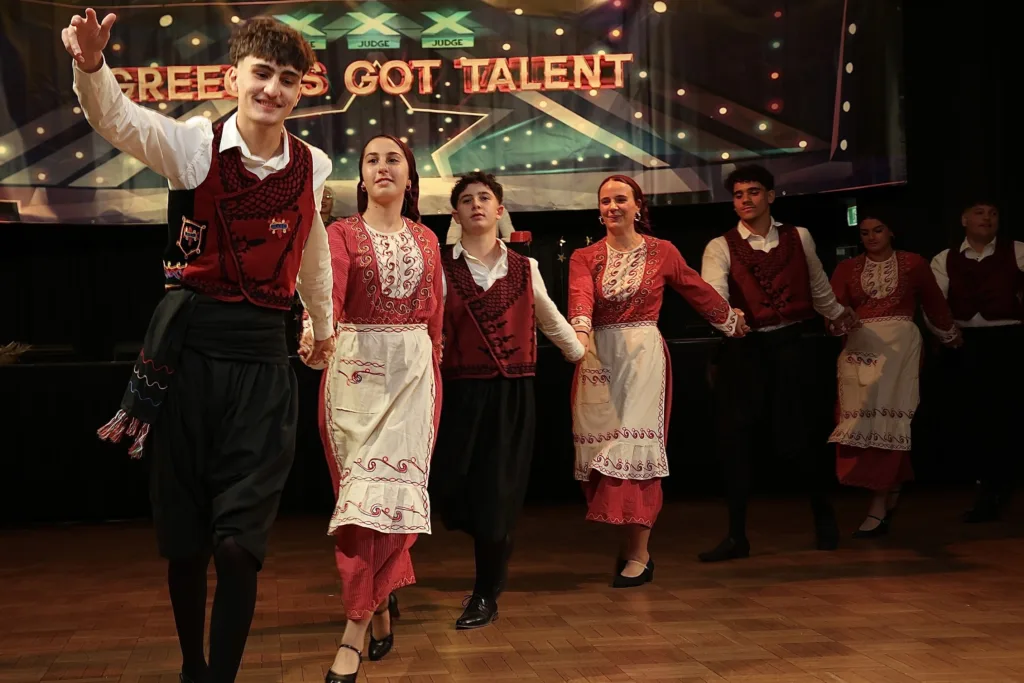
Michael, 19, began Greek dancing at the age of five here in the ACT.
“My parents forced me to do it and I was young, but I’m glad they did,” Michael said.
“I like Greek dancing because all of my best friends are here, and we get to travel the world together.”
He encourages more young people to join the dance group.
“The amount of people you meet and what you learn about the culture is what will make you love it even more,” Michael said.
.)