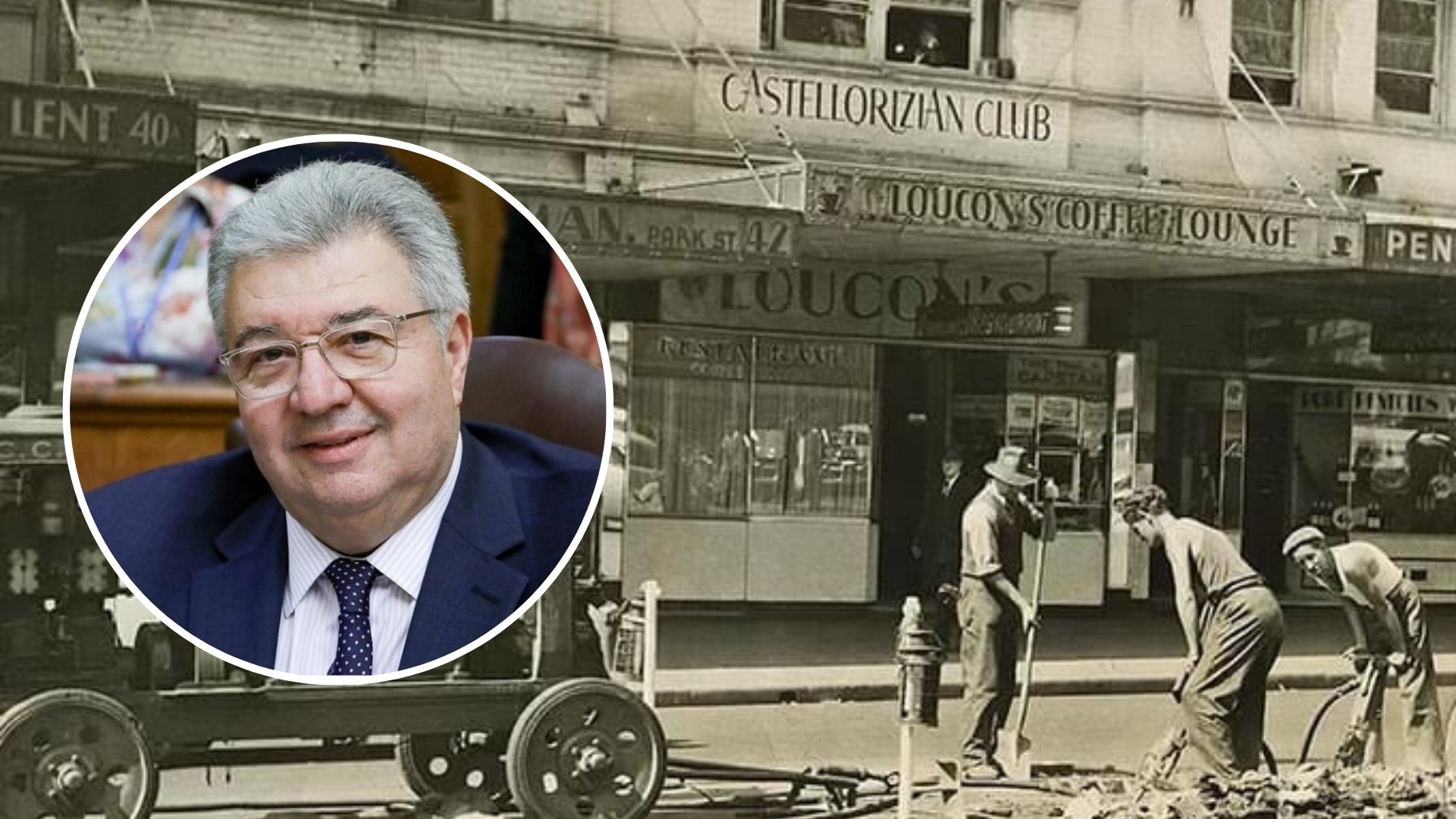
Greece’s Secretary General for Greeks Abroad, John Chrysoulakis, has issued a letter to the President of the Castellorizian Association of New South Wales to congratulate them for celebrating their 100th anniversary this year.
In the letter, Mr Chrysoulakis said the Association’s centenary celebrations are proof that the Castellorizian community in NSW is “undeniably… one of the most dynamic and creative groups of the Greek diaspora.”
“Like all immigrants, the Castellorizians faced infinite difficulties. They were a cheap labour force when they first arrived [in Australia], and were faced with racism and inequality, but also unbearable nostalgia,” Mr Chrysoulakis wrote.
“They contributed to the economic and social development of Australia, as they were hardworking, honest and honourable, with respect for family, the laws and the mentality of the peoples with whom they coexisted.”
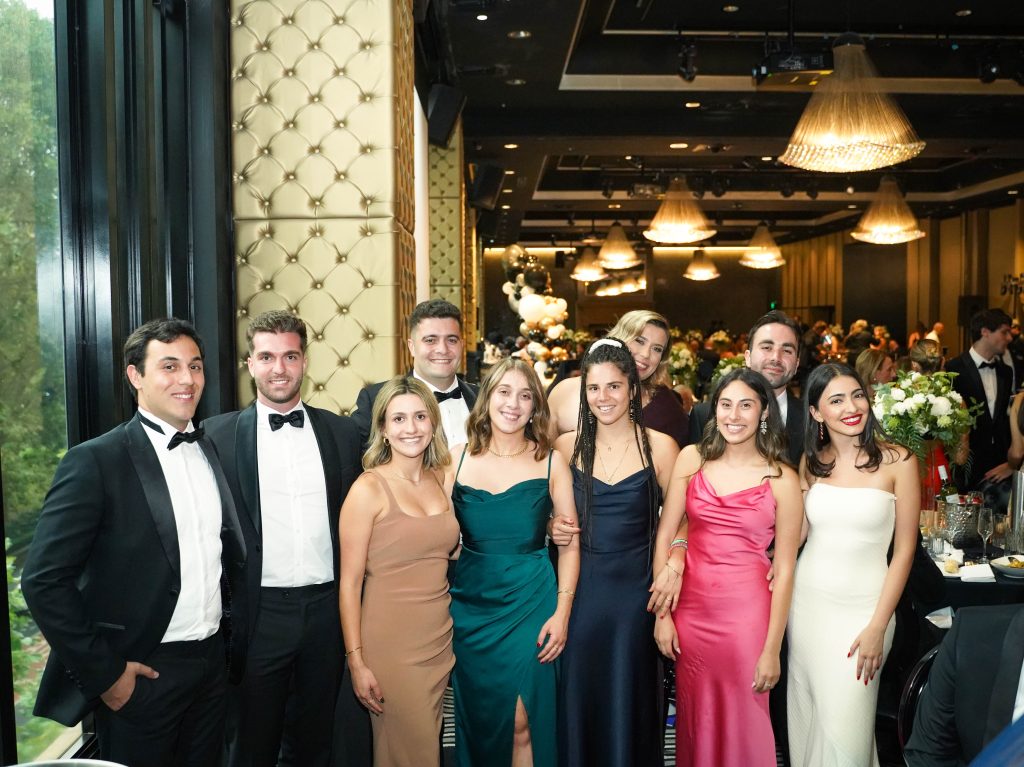
The Secretary General added that whilst the Castellorizians contributed significantly to Australian society, they always maintained a strong connection to their homeland and beloved Greek island of Castellorizo.
He also commended them for passing on traditions to the next generation.
“They created a new living Castellorizo in distant Australia, keeping their dances, songs, costumes and customs alive… A new Kastellorizo, far away from the Aegean, but at the same time so close!” he wrote in the letter.
“Most important of all, however, is that they enriched their children and grandchildren with love for the land of their ancestors. It is surprising how much the new generation of Castellorizians – third, fourth and even fifth generation immigrants – love their island and claim a better future for it.”
Mr Chrysoulakis concluded his letter by expressing his well wishes to the Association.
“Along with my respect for your long history, you have my warmest wishes for the future: Always be active and creative, unite Greeks and always honour your Motherland, just as your ancestors did for a whole century,” he wrote.
“The legacy you have is heavy, but I am sure you will respond in the best possible way.”

