By Mary Sinanidis
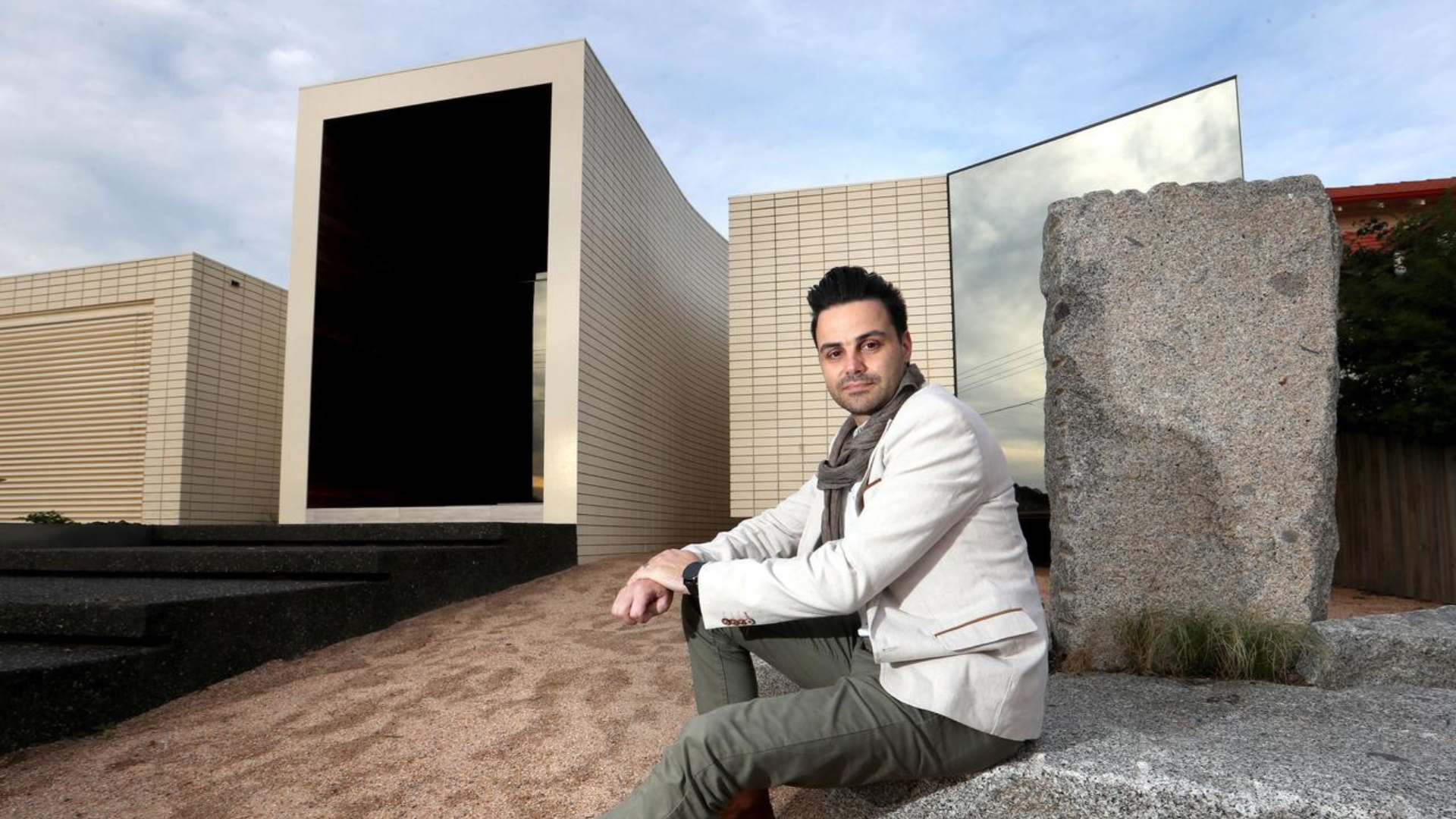
Deeply influenced by his Greek roots, renowned architect Billy Kavellaris has carved a distinct niche for himself in the world of design, seamlessly blending the timeless essence of Hellenic culture with cutting-edge architectural concepts.
From a humble migrant upbringing in Reservoir, the life of Kavellaris and his family in their award-winning home in Toorak is far removed from the reality of his childhood.
He told The Greek Herald that he grew up surrounded by all that was “absolutely kitsch” with doilies, komboloia (worry beads), statues of Alexander the Great and even a crucifix.
“When you’re a younger person, you think, ‘Oh my God, look at these things,’ but as I get older, I just love that kitschy-ness. I hold it dear to my heart and retranslate it in a contemporary way, which is what I did with George’s [Calombaris] restaurant,” Kavellaris said.
“You have this real duality of something very contemporary upstairs and something very traditional downstairs, and that tension between these two things is what makes it interesting. It really shows a lineage and the past, present and future of where our Greek culture is going.”
With parents who worked as cooks, including a mum who was head chef at St Basil’s, the kitchen was a focal point, and he jumped at the chance to rekindle these memories in his most recent design venture, working on George Calombaris’ Hellenic House Project.
“There’s a house basically downstairs and a kitchen, like the one we all grew up in,” he said.
“It looks like a traditional Greek house, with the doilies and all those sorts of things. And it is meant to feel like home. It’s not pretentious and is meant to feel like you’ve gone into a traditional Greek home to have a meal. And then upstairs there’s the good room, like the front saloni we all had but where we were never allowed into because it was reserved for special occasions.”
Kavellaris explained how his Greekness formed “the very foundation” of his design philosophy.
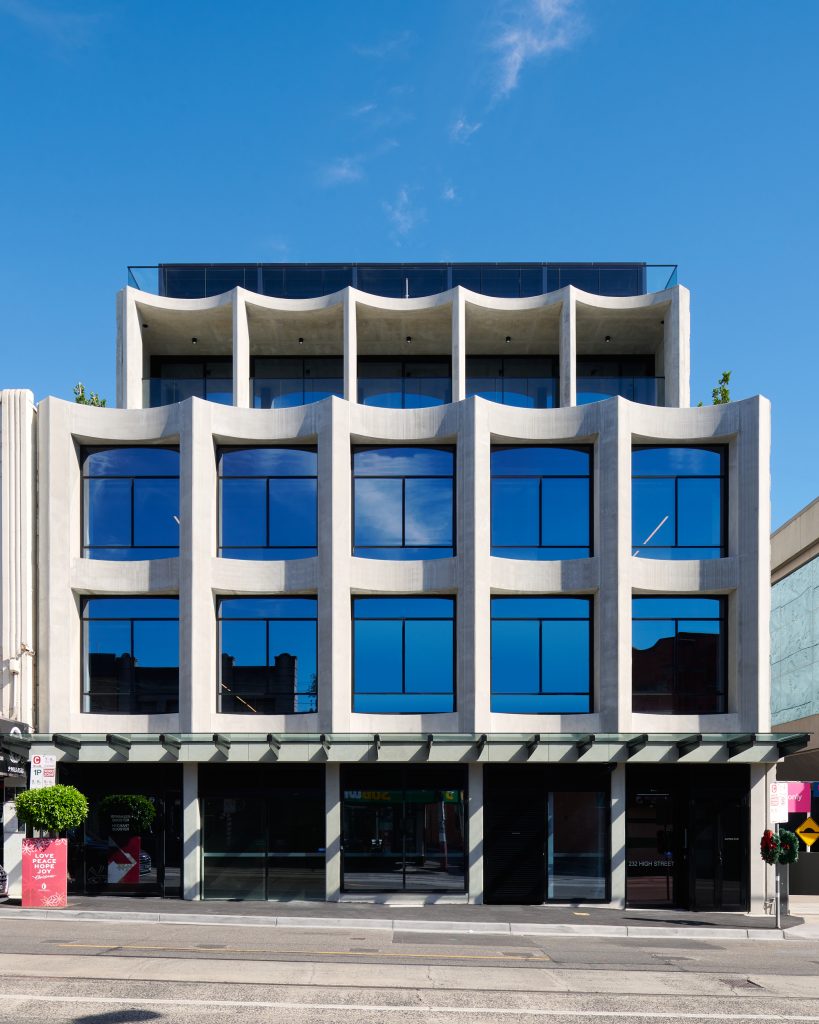
“It is not limited to aesthetics; it permeates the very essence of how I perceive spaces and their purpose. Greek culture emphasises the importance of hospitality, warmth and shared experiences which I seek to infuse into every project,” he said.
Another of Kavellaris’ notable endeavours is his collaboration with the Archdiocese in Northcote, which he describes as “a proud moment” as he particularly revels in designing spaces he grew up in.
“Designing for the Greek Orthodox community is a privilege. It allows me to fuse the timeless beauty of Greek architecture with the aspirations of a modern congregation,” he said.
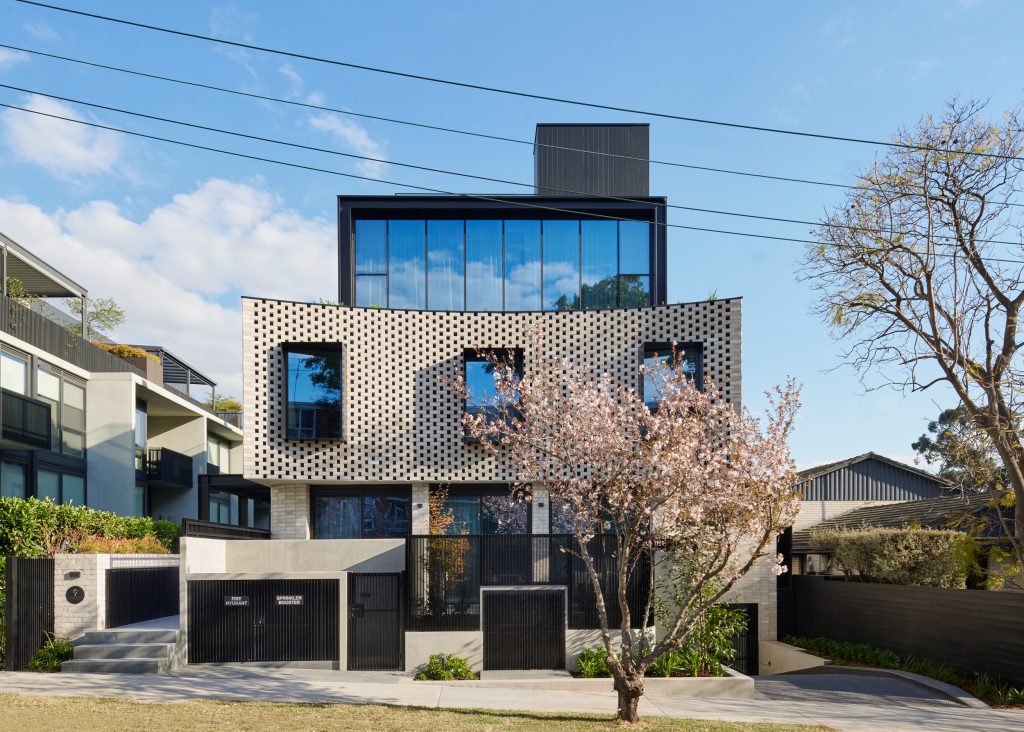
“The challenge lies in harmonising the past and present, creating spaces that invite contemplation while embracing the needs of a vibrant community.”
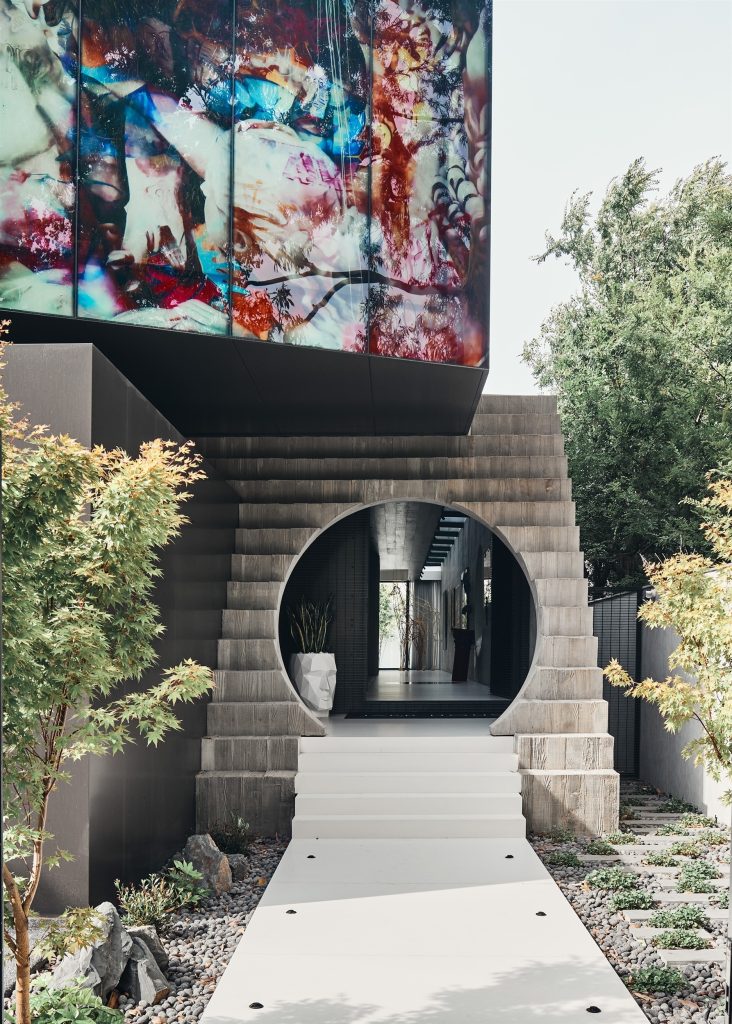
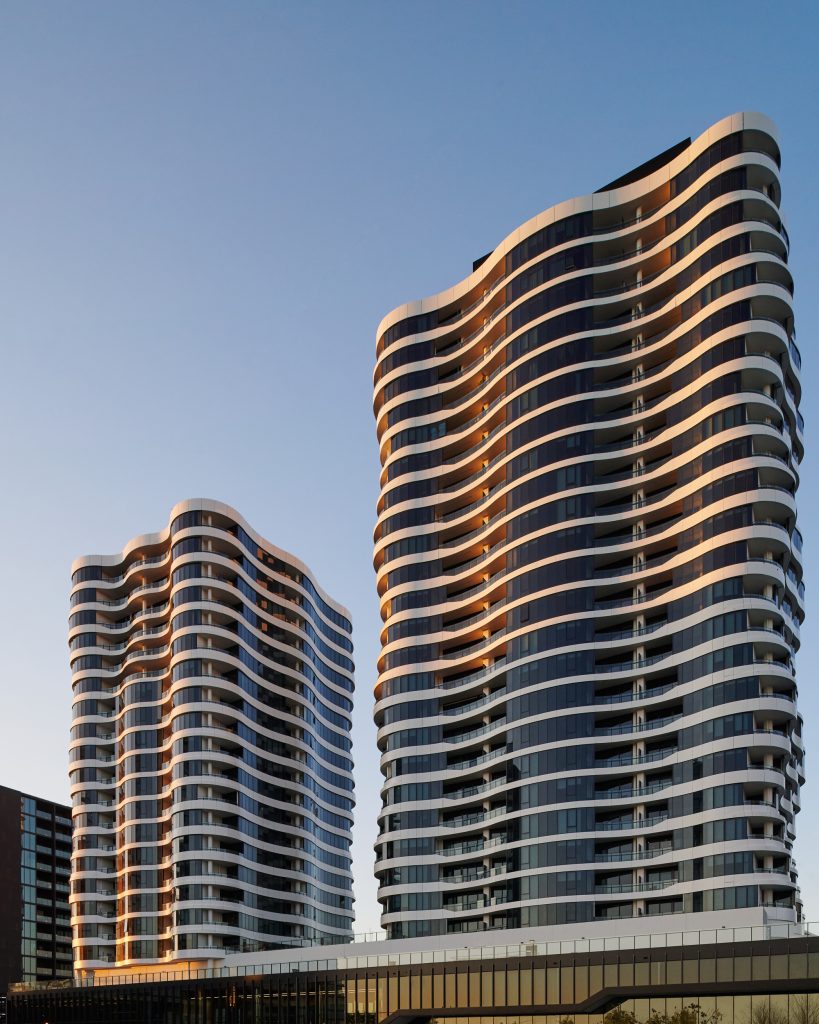
Kavellaris has also made a name for himself in the realm of residential and commercial designs. His works, characterised by their organic flow and meticulous attention to detail, have earned him international acclaim.
“Each project is an opportunity to tell a story. By understanding the aspirations and desires of my clients, I can shape spaces that reflect their unique narrative. It’s about translating their dreams into tangible architectural expressions,” he said.
Keeping our stories alive:
When he isn’t envisioning great architectural designs, Kavellaris researches the Greek migrant story in Australia and is in the early stages of a documentary.
“I’m looking to celebrate ordinary everyday migrants. My parents’ story is so harrowing and so amazing that they could make movies out of it,” he said.
“The interesting thing I tell people when I tell the story is that most immigrants have a similar story. My yiayia on my mother’s side had her father die in World War I, her husband died in World War II and her son died in the Turkish invasion of Cyprus. Now I don’t know how anybody could keep going in life under those circumstances. And on top of that living in extreme poverty, having five children and living a rural life. It was a very difficult life for my grandparents.
“My mother came here at the age of 18 or 19 to try to find a new life and met my father who had a similar story. He lived in the mountains of Kalavryta, a beautiful place, but very isolated, and was raised by his aunt and uncle because they couldn’t have children.”
Bearing in mind his family history, Kavellaris has come a long way but he refuses to forget where he came from.
“When I was growing up, we lived a very modest lifestyle. My parents were working class people, and we weren’t very wealthy at all. They sacrificed everything to educate myself and my sister. Many of the things I do today aren’t just for me but also for my parents,” he said, adding that he may have been born here but “the DNA and my parents’ lineage is still within me.”
“My kids are growing up in a different environment and I’m doing my best to keep them grounded. They both work and they are doing a good job of understanding where their cultural roots are, where their grandparents came from and understand that we are living in a different environment to their grandparents, the hills of Kalavryta.”

He should not fear the loss of identity in his own household. His daughter Jorja, a VCE student, was so inspired by Hellenic art that her Grecian-inspired drawings were seen as good enough to be included as a design feature in Calombaris’ restaurant.
Kavellaris took his two children and wife to his parents’ villages in January.
“It was really beautiful,” he said, adding that they also visited other sites.
“Approaching the Acropolis is a humbling experience. Speaking to a taxi driver while going there, he told me that one of the key architects in the city had been asked a question about whether people visiting the city should go to the Acropolis and whether this should be by foot, by bike or by car. He said that they should approach on their knees, and I thought that was a very beautiful analogy about its importance. It’s a living embodiment of our enduring heritage.”
Married to an Italian, Kavellaris said that his “fear” is that “as we intermingle with other races” we may begin to lose our Hellenic identity, and this is one reason he is keen to promote it. As a result, he does a lot of pro bono work for the Hellenic Museum, The Hellenic Initiative, and Alphington Grammar, amongst other groups.
“To be ‘Hellenic’ is not to be of a place but to embody a certain sense of values,” he said. “These should be shared by everyone. My line of work does that.”
