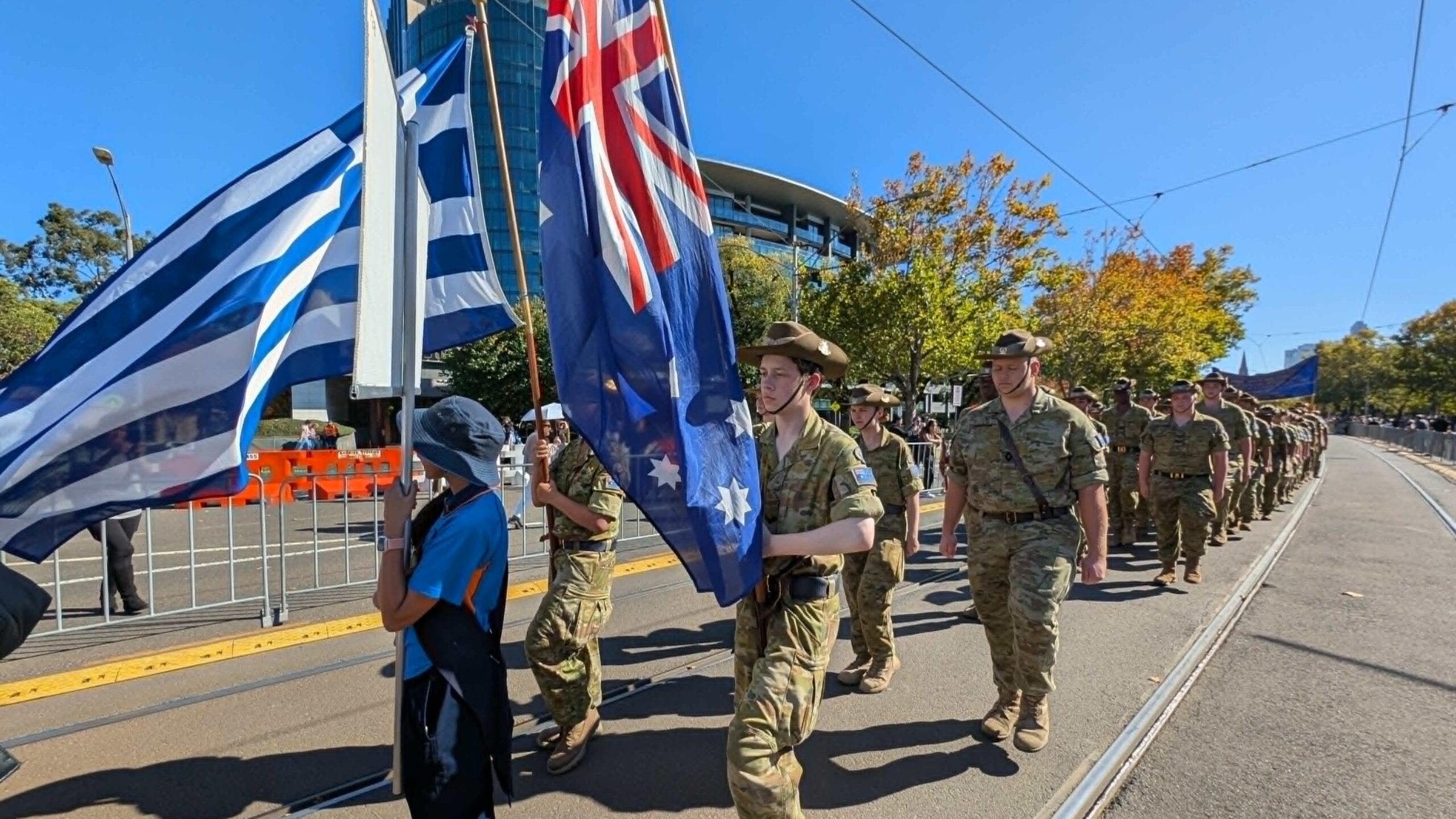
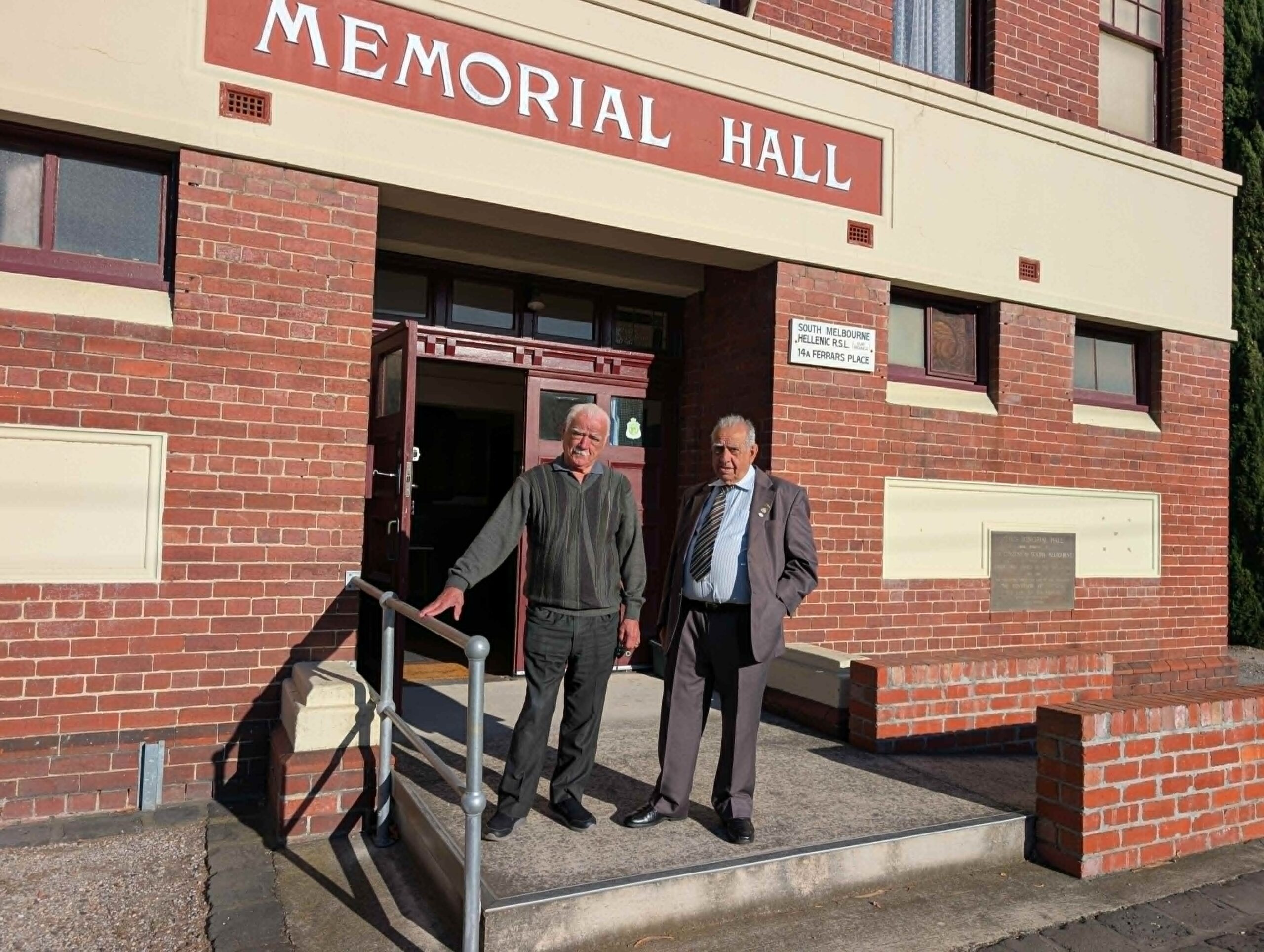
At the Hellenic RSL clubhouse on Ferrars Street in South Melbourne, the annual ritual begins early on Anzac Day: jackets pressed, medals pinned, flags carefully folded.
Every year, they meet here before stepping into the wider ANZAC Day march towards the Shrine. This year felt a little thinner, and some of the absences were keenly felt.
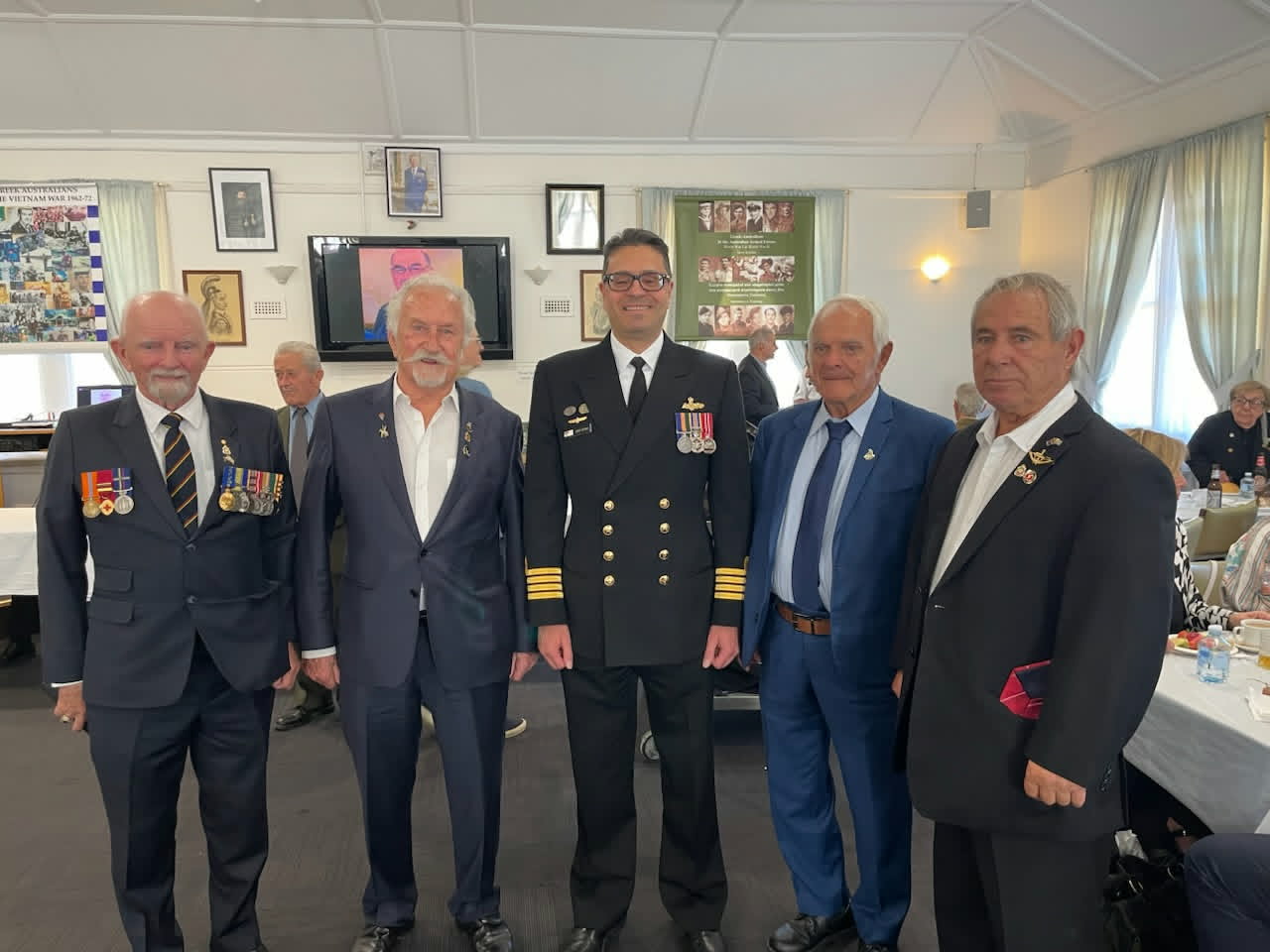
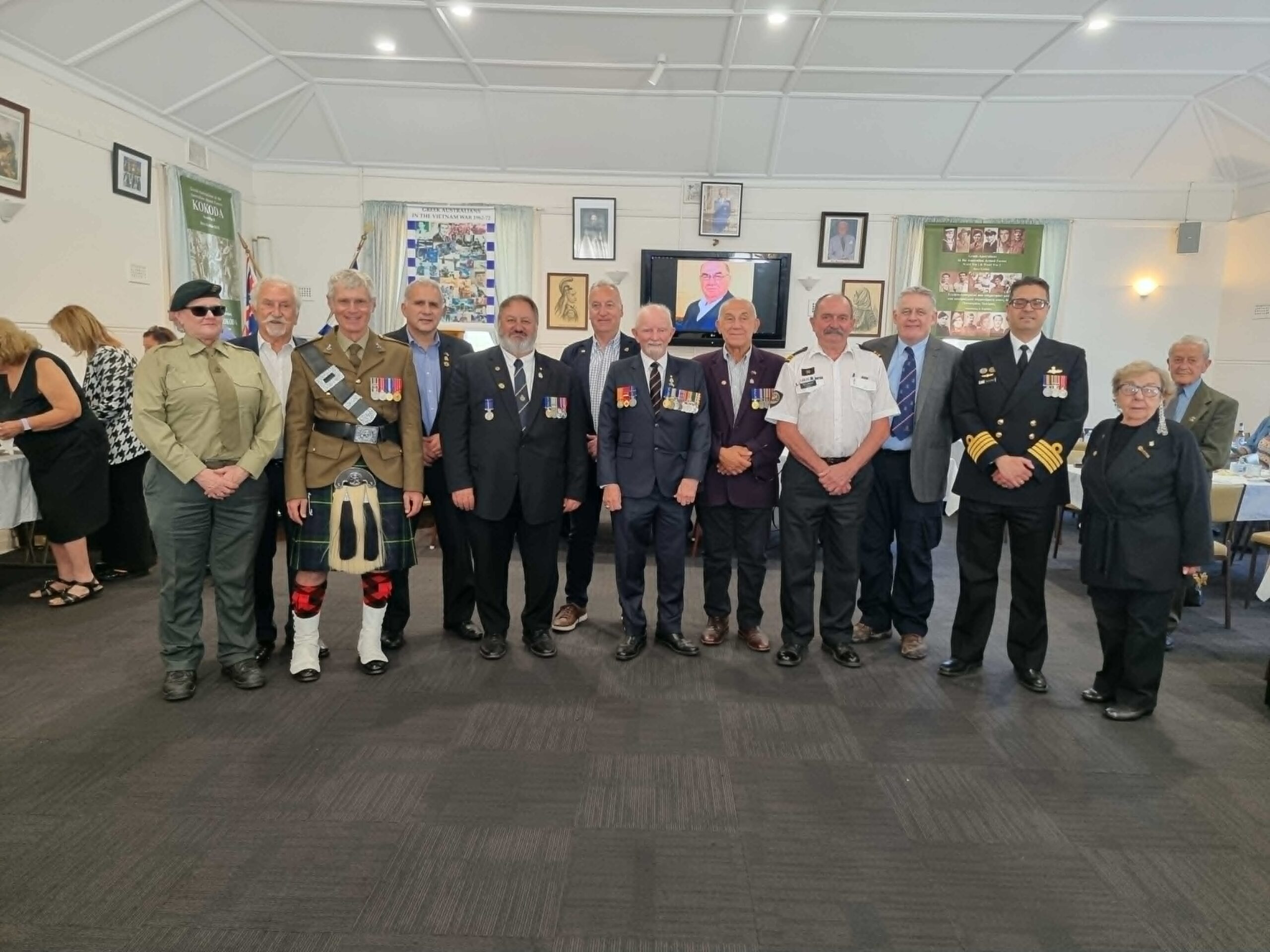
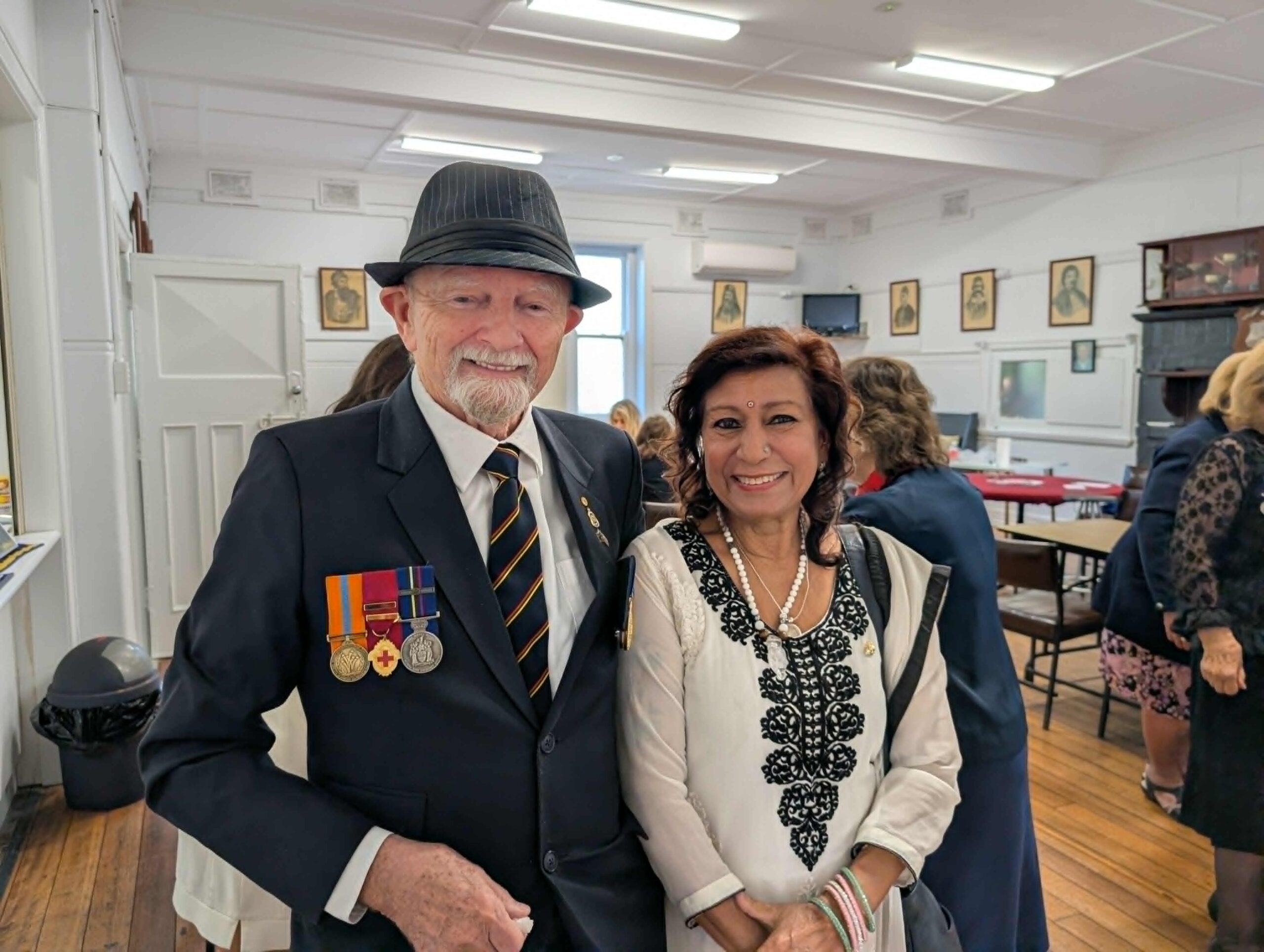
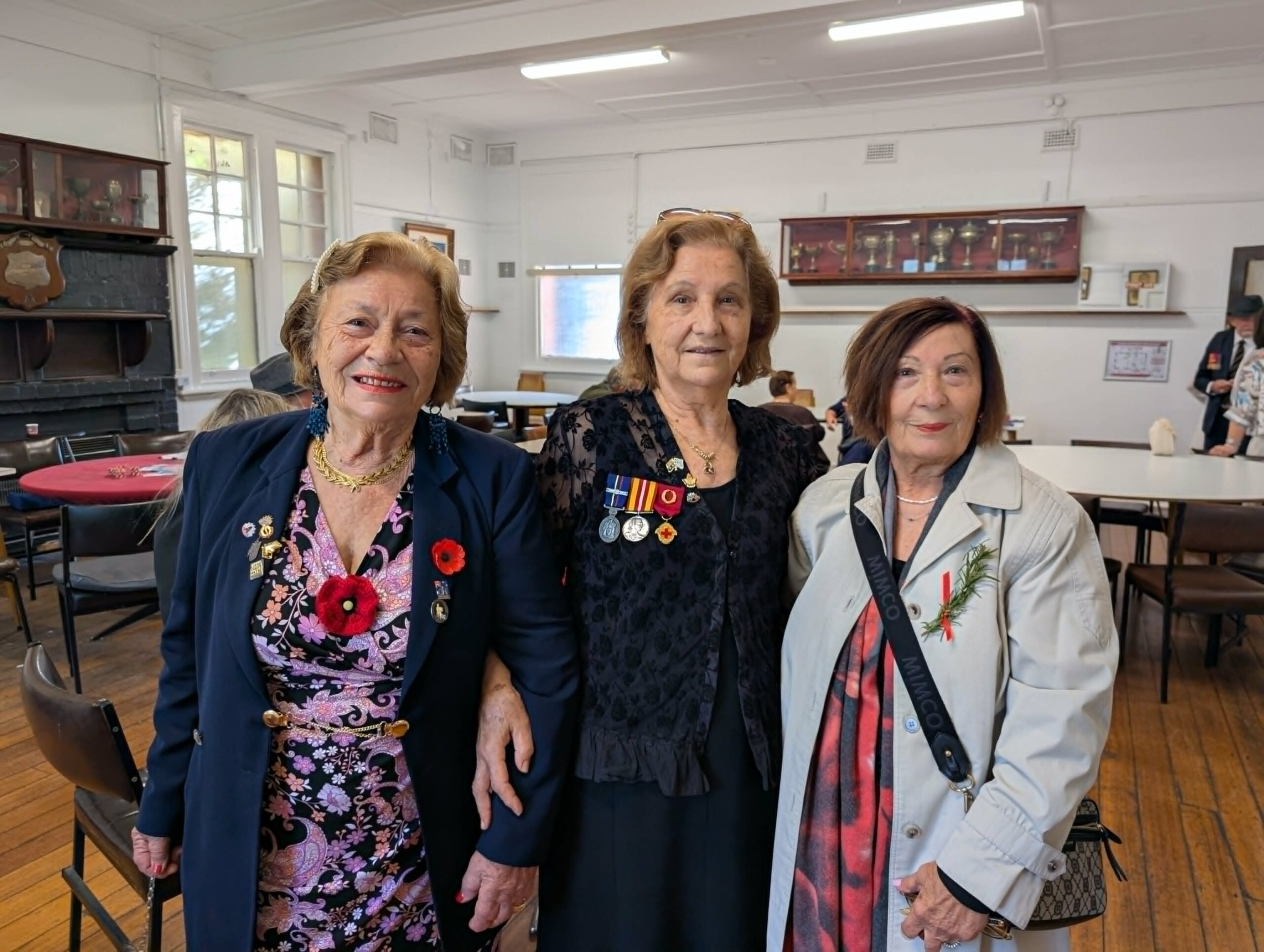
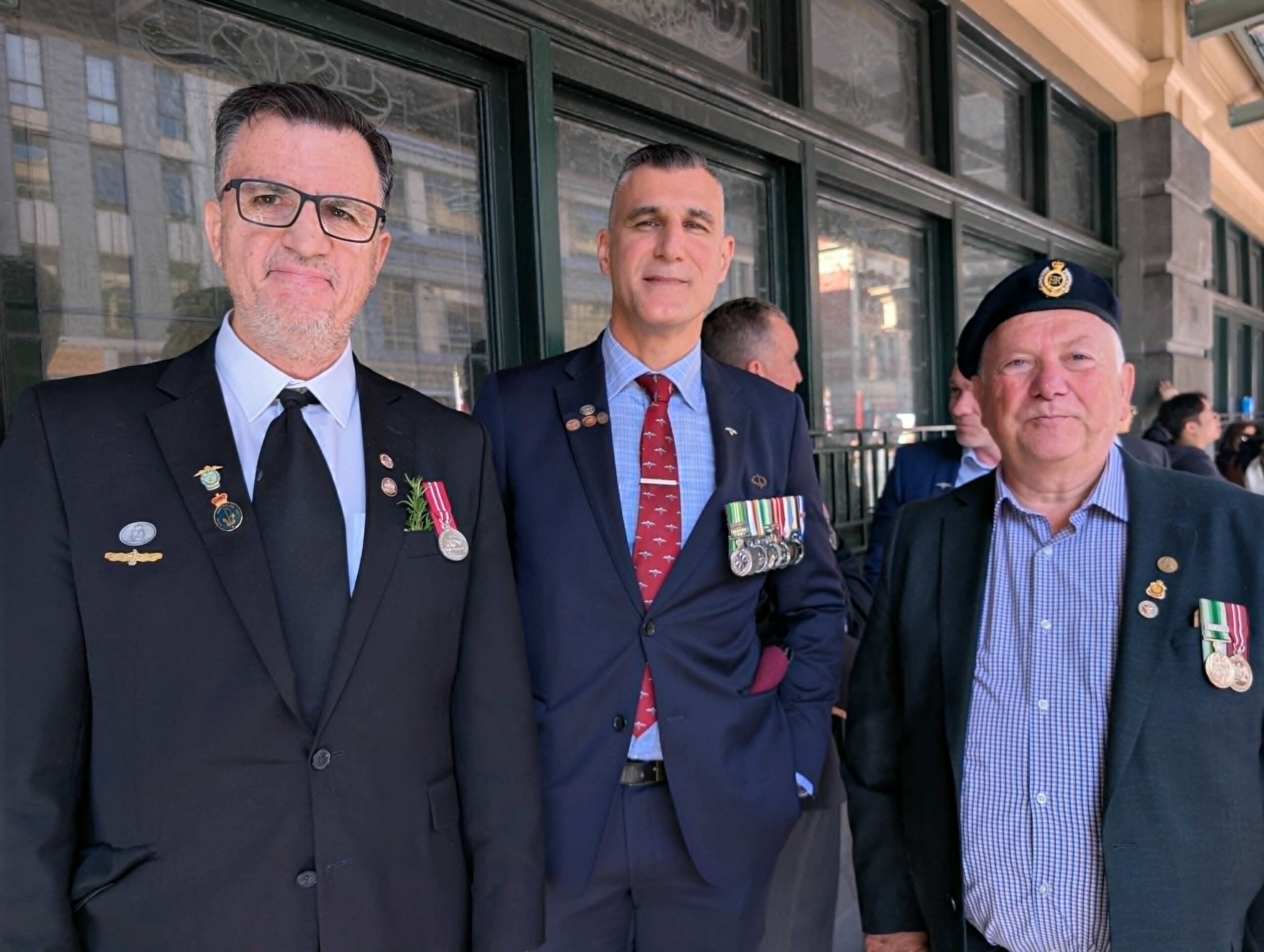
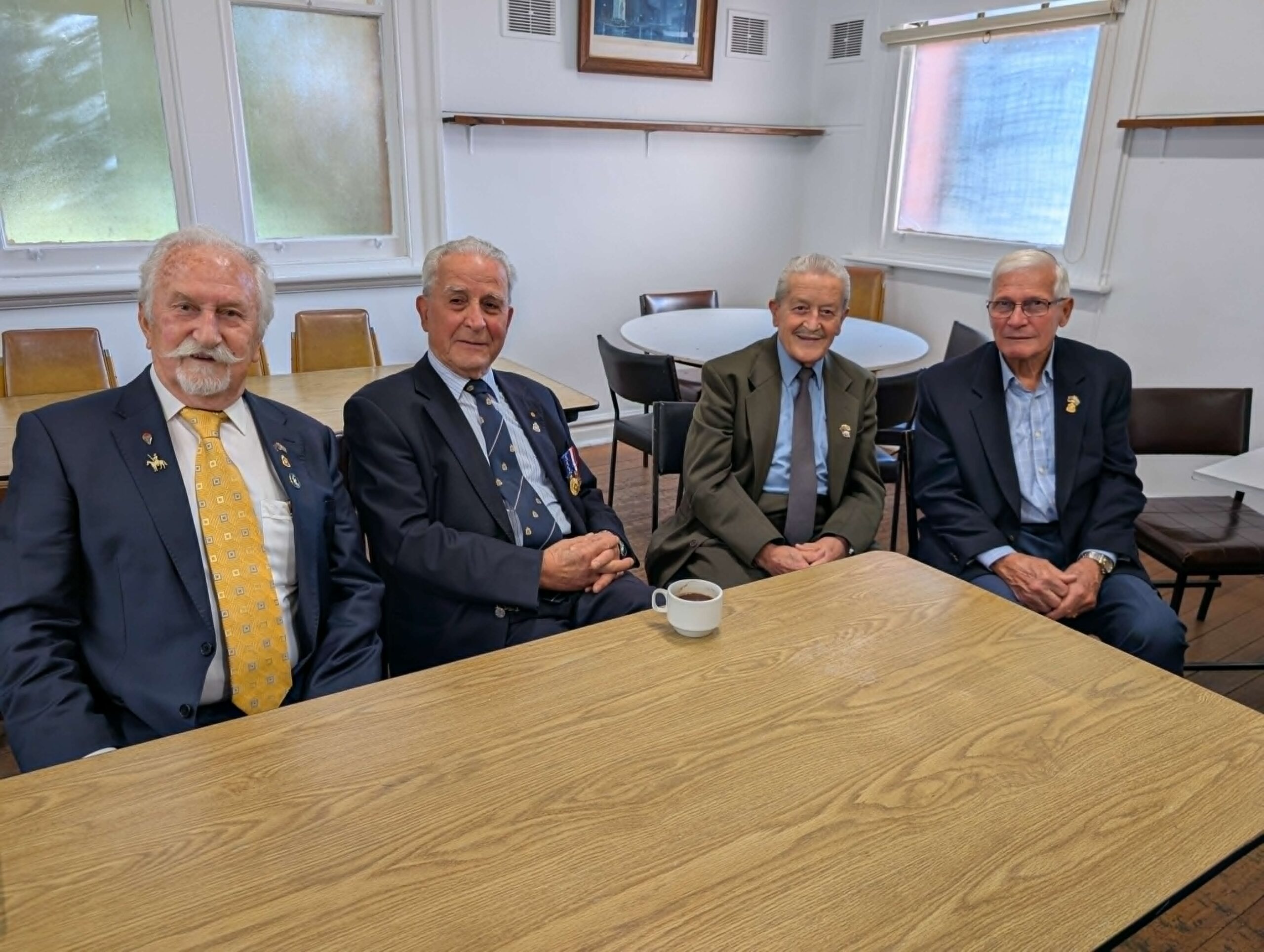
Among them was the late Peter Stathopoulos’ wife, who stood in his place following his passing three months ago. A former sub-inspector of the British South African Police in Rhodesia from 1967 to 1969, Peter had once told The Greek Herald that on the battlefield he was more afraid of snakes than bullets.
This year, his widow held his medals. “Heroes die too,” she said, adding that the Hellenic RSL had been “his life” in later years.
For Hellenic RSL President Manny Karvelas, ANZAC Day isn’t just an Australian story, but a shared one between Australia and Greece.
“Historically it all began in Lemnos, Gallipoli. Mudros was the staging point,” he says. “Then fast forward to the Greek campaign and the Battle of Crete in WWII, then Korea… we are allies.”
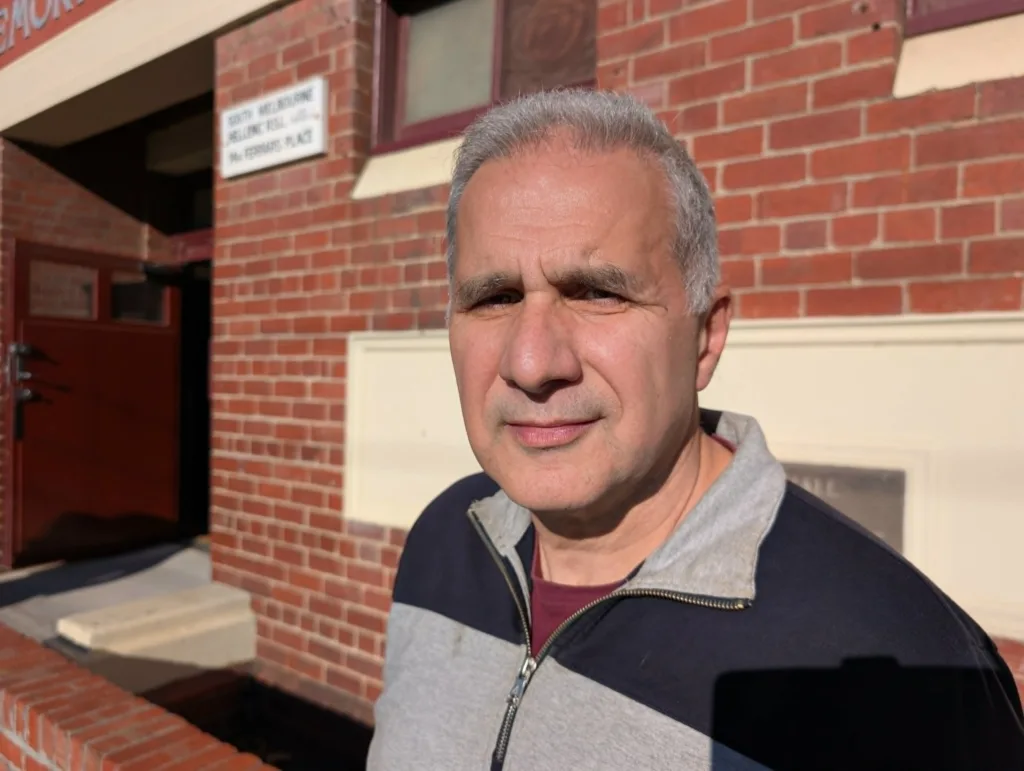
Inside the sub-branch are people who remember the Nazi occupation of Greece, who carry inherited trauma, who’ve lived under the long shadow of war in ways that don’t always show.
For Mrs Mihalopoulos, ANZAC Day is not symbolic but deeply personal. Her husband, Miltiadis, served in Korea. She lost him 18 years ago, but she still attends the ANZAC Day services.
“There is trauma,” she says quietly, remembering the stories he told her from the battlefields of Korea, the guilt he carried after a man from his group was killed.
“He said the Koreans would sprout from the earth,” she recalls. “He could never have imagined he would end up in Korea.”
Dimitrios Vergis carries a story that shaped the life of his father, who served in Asia Minor for seven years. He speaks of a litany of survival: lice, exhaustion, near-death moments, missions where men did not return.
“He told me they would eat while shells exploded,” Vergis says. “The trauma stayed with him.”
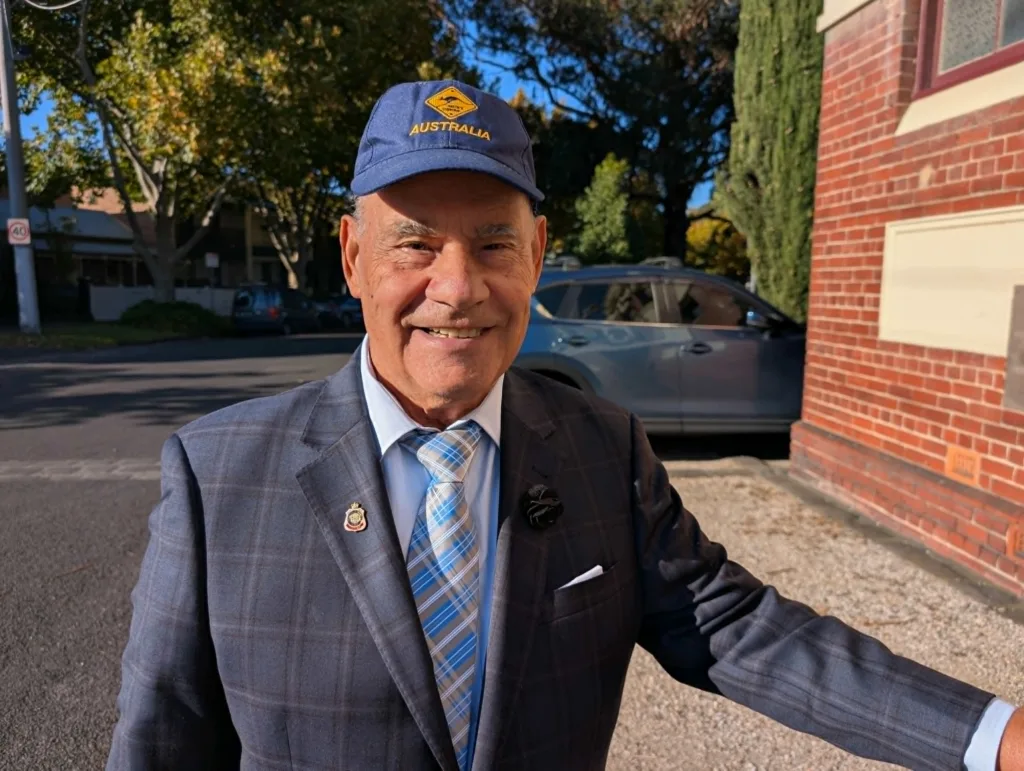
Anastasia Kallianiotis has been awake since 3:30am to attend the dawn service, an annual ritual. “I get teary. Remembrance is different for each of us. I remember my father, who served on the Albanian front.”
All week, she had been selling ANZAC badges, stopping strangers, asking them what the day meant.
“Australia is always with Greece,” says Nikolas Andronis.
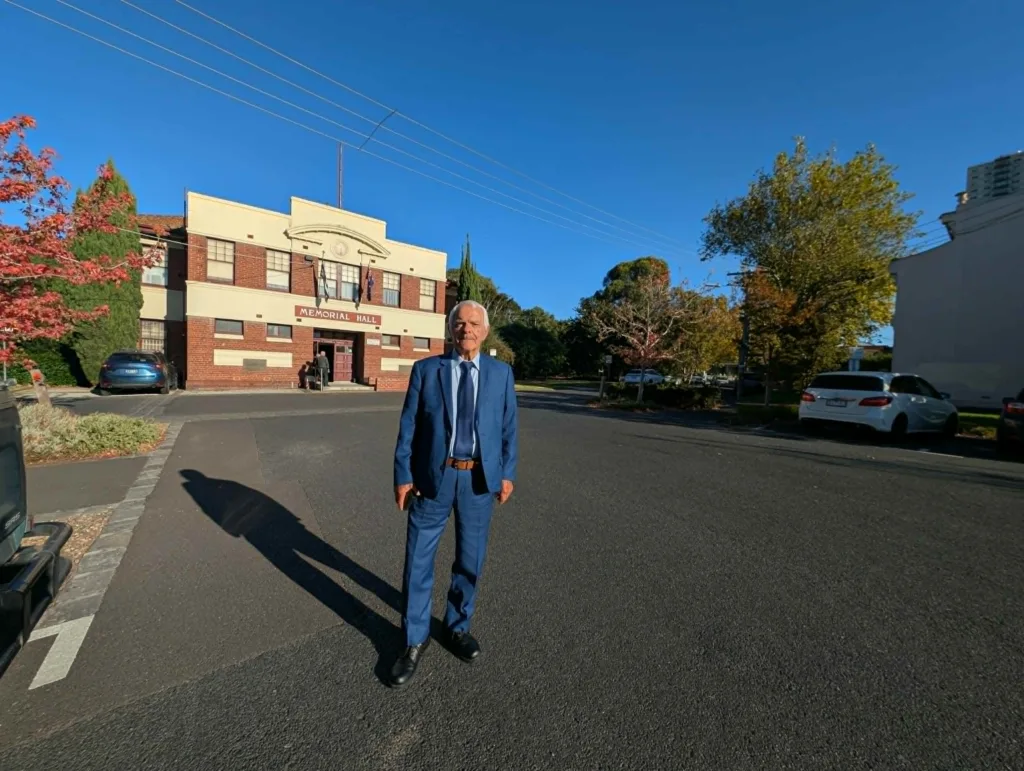
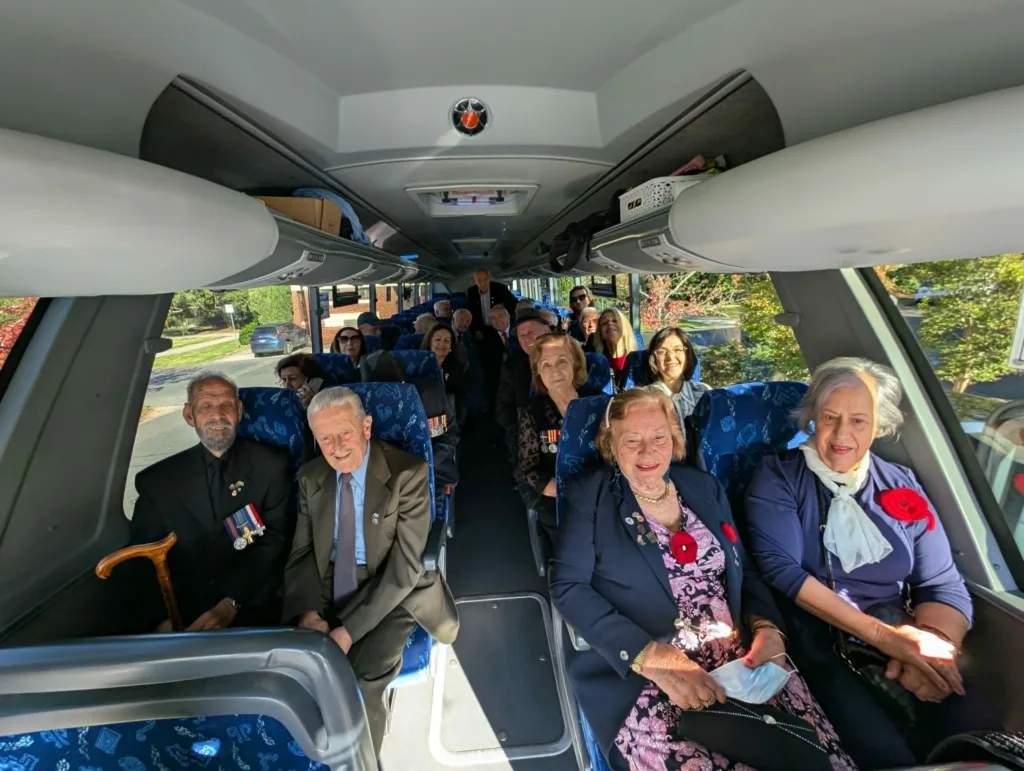
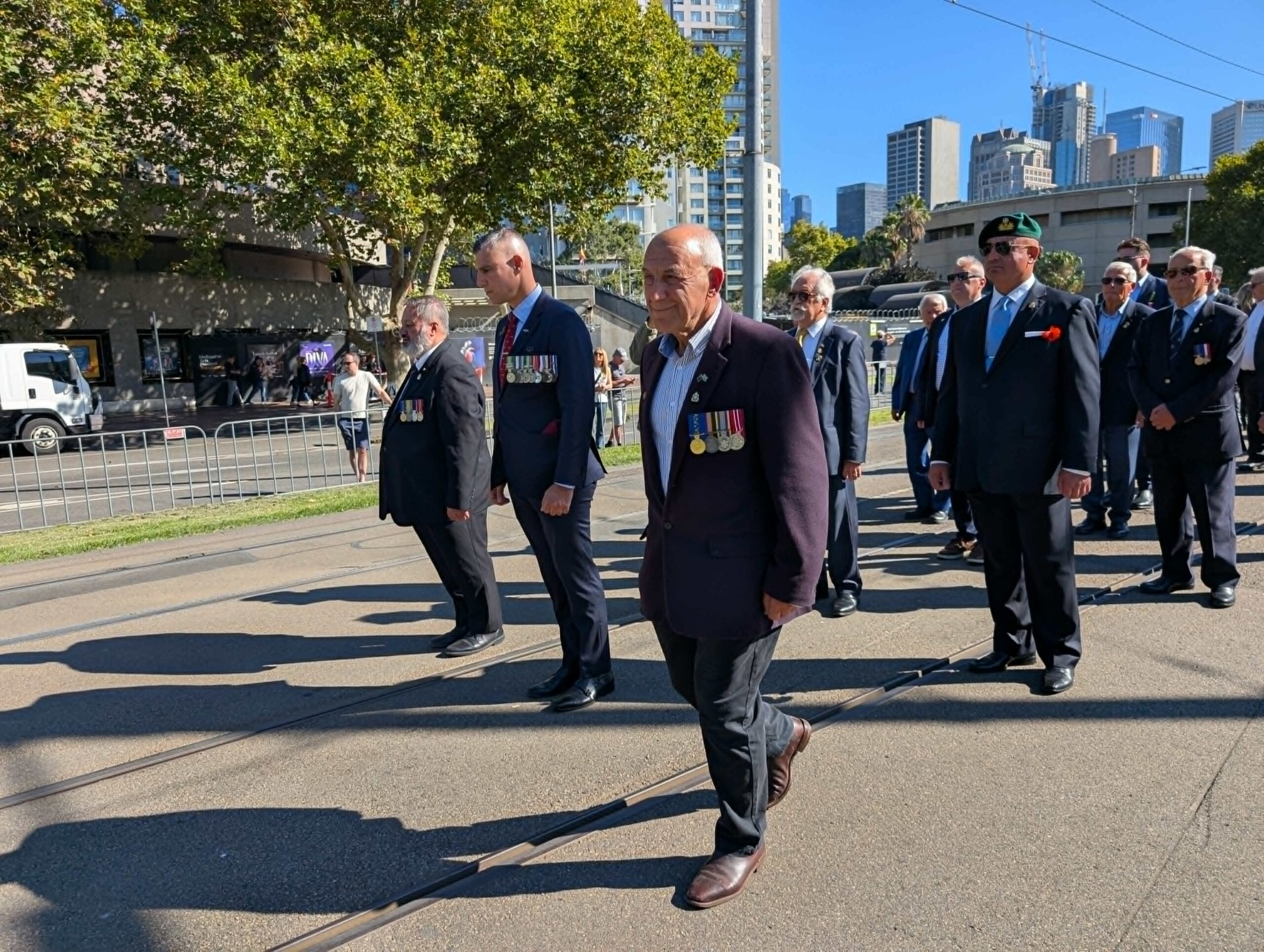
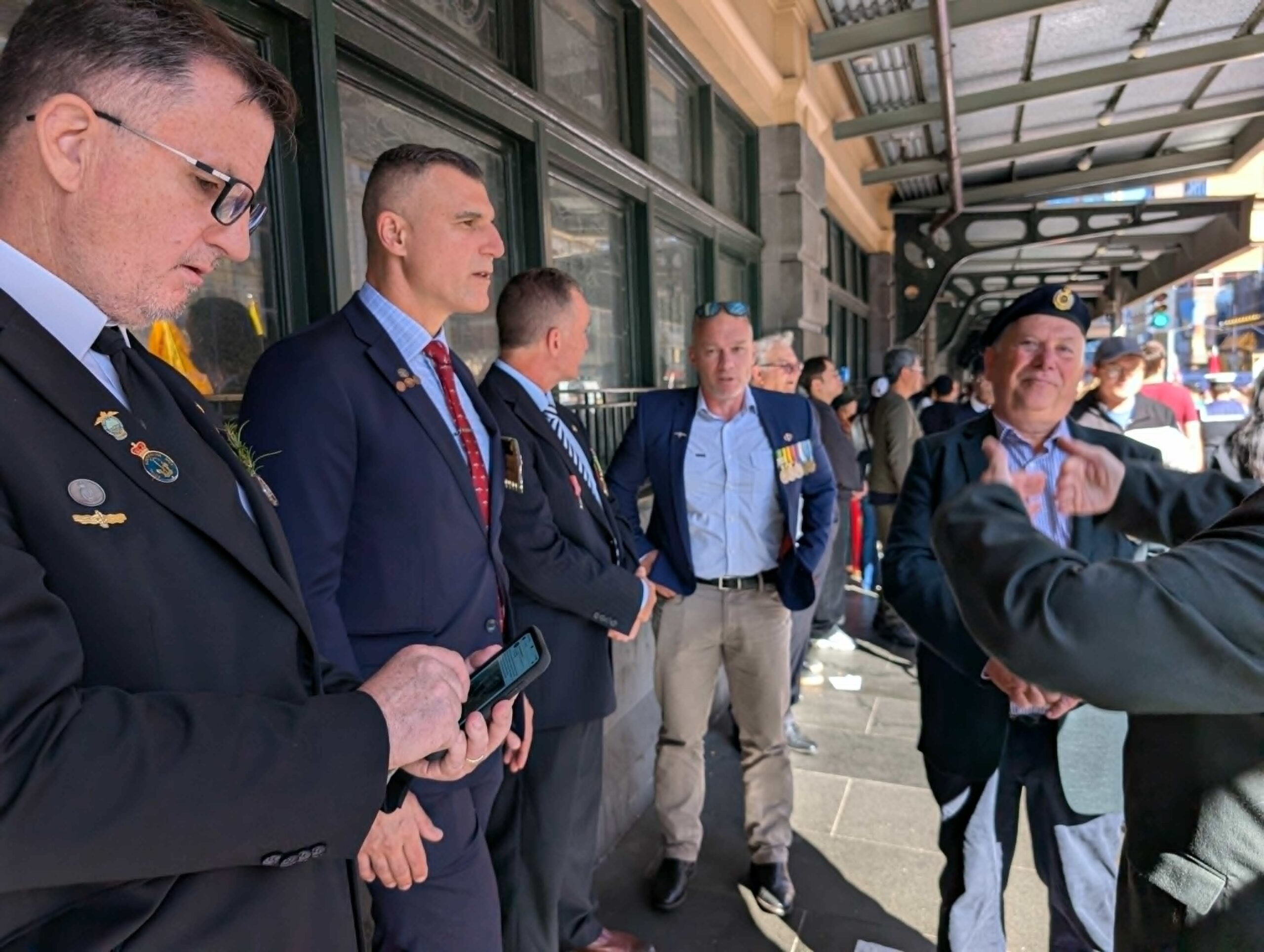
The spirit of solidarity continues as the group boards a bus to meet at the corner of Flinders and Swanston streets. Hellenic RSL Secretary Terry Kanellos waits, organising members into place.
Just behind them, the Turkish delegation stands for a moment, a reminder of how history evolves in Australia. Once enemies at Gallipoli, they are now part of the same march, carrying words attributed to Ataturk about shared loss regarding the “Johnnies and Mehmets”, though extensive research has challenged their authenticity.
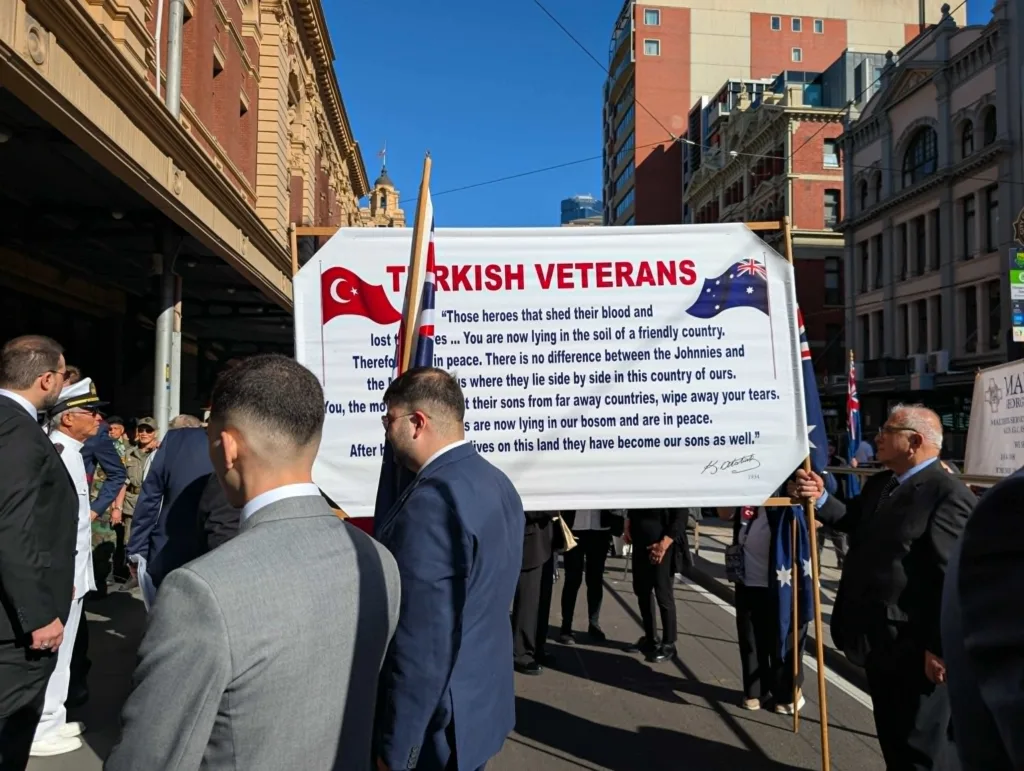
Vicky Creed, an Australian-born member of the Hellenic RSL and former officer of cadets with the 30 RCU Sunshine unit, says, “Behind the allies march the ‘enemies of Australia’ in former wars. Regarding Turkey, Ataturk’s words changed that. That’s why they march with us now.”
Not everyone buys it, and occasionally there are squabbles. John Stuart remembers a knife fight he stopped between Serbs and Croatians 20 years ago. “It’s a good thing I had my sword!” he recalls, as the police arrived soon after.
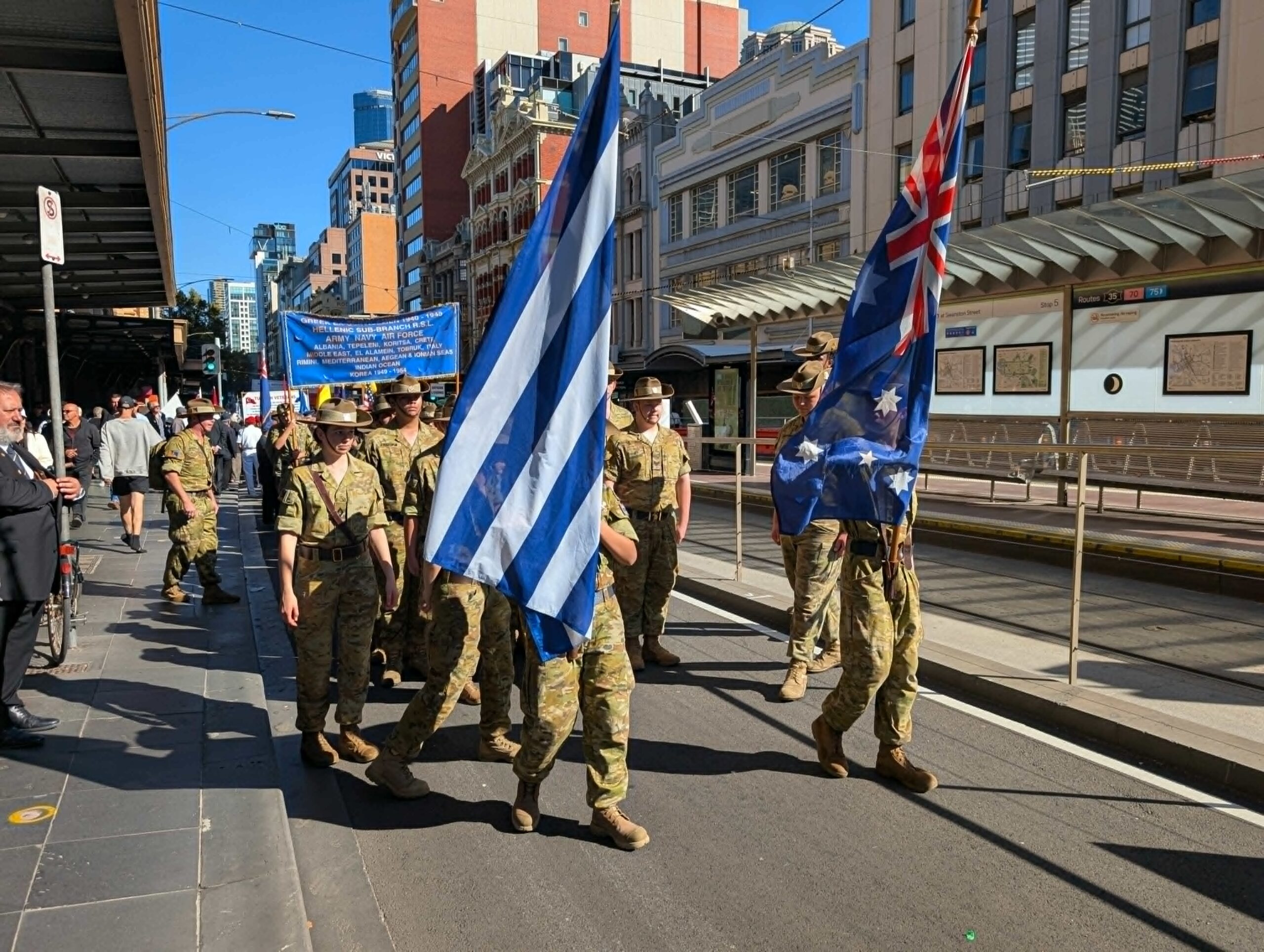
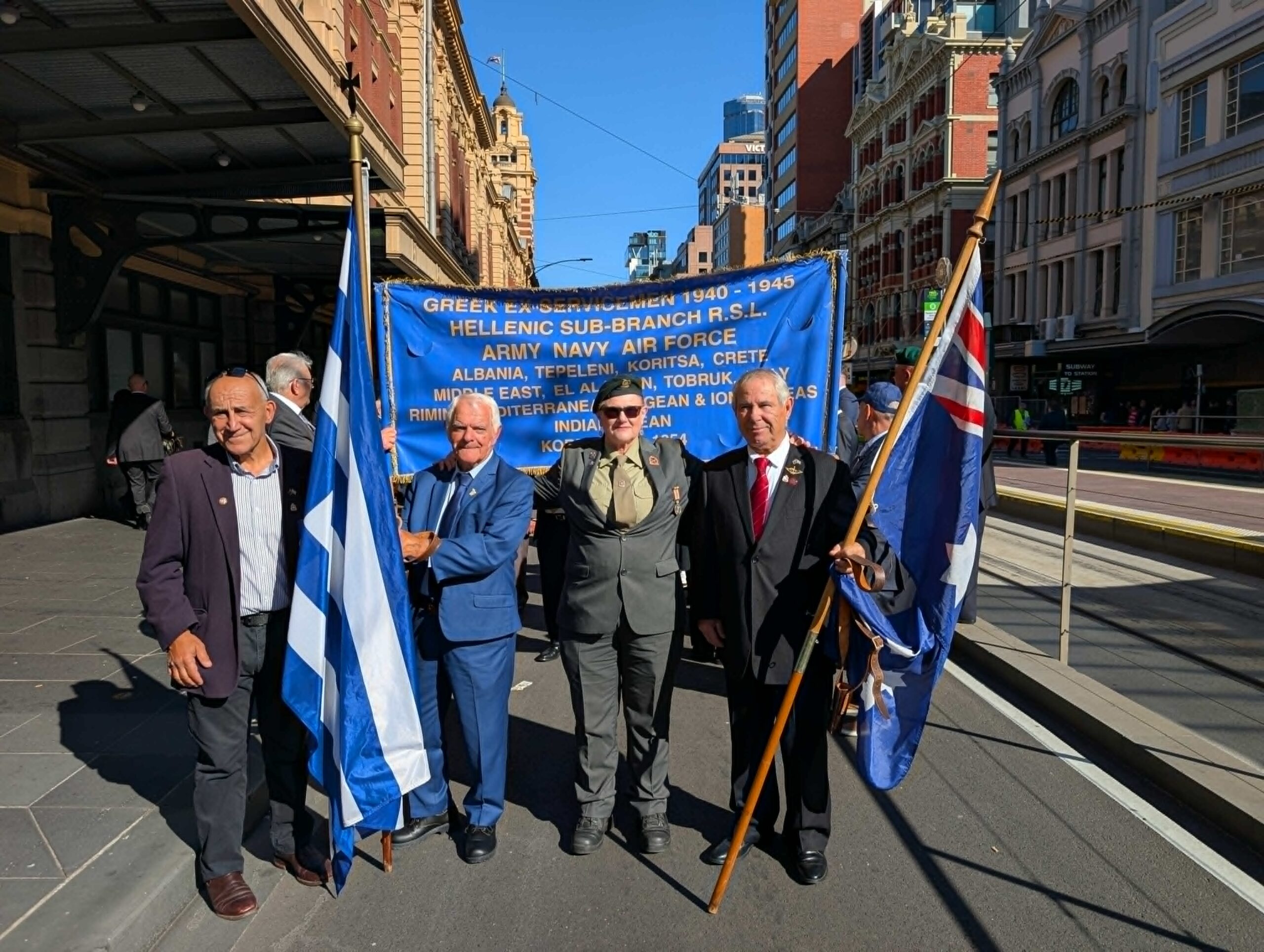
Alex Tzaninis, who served in the Greek special forces (OYK), holds the Australian flag, while naval veteran Daskourelos holds up the Greek flag. I ask him if he got that honour due to his strong patriotism. “Maybe I am the biggest patriot,” he says.
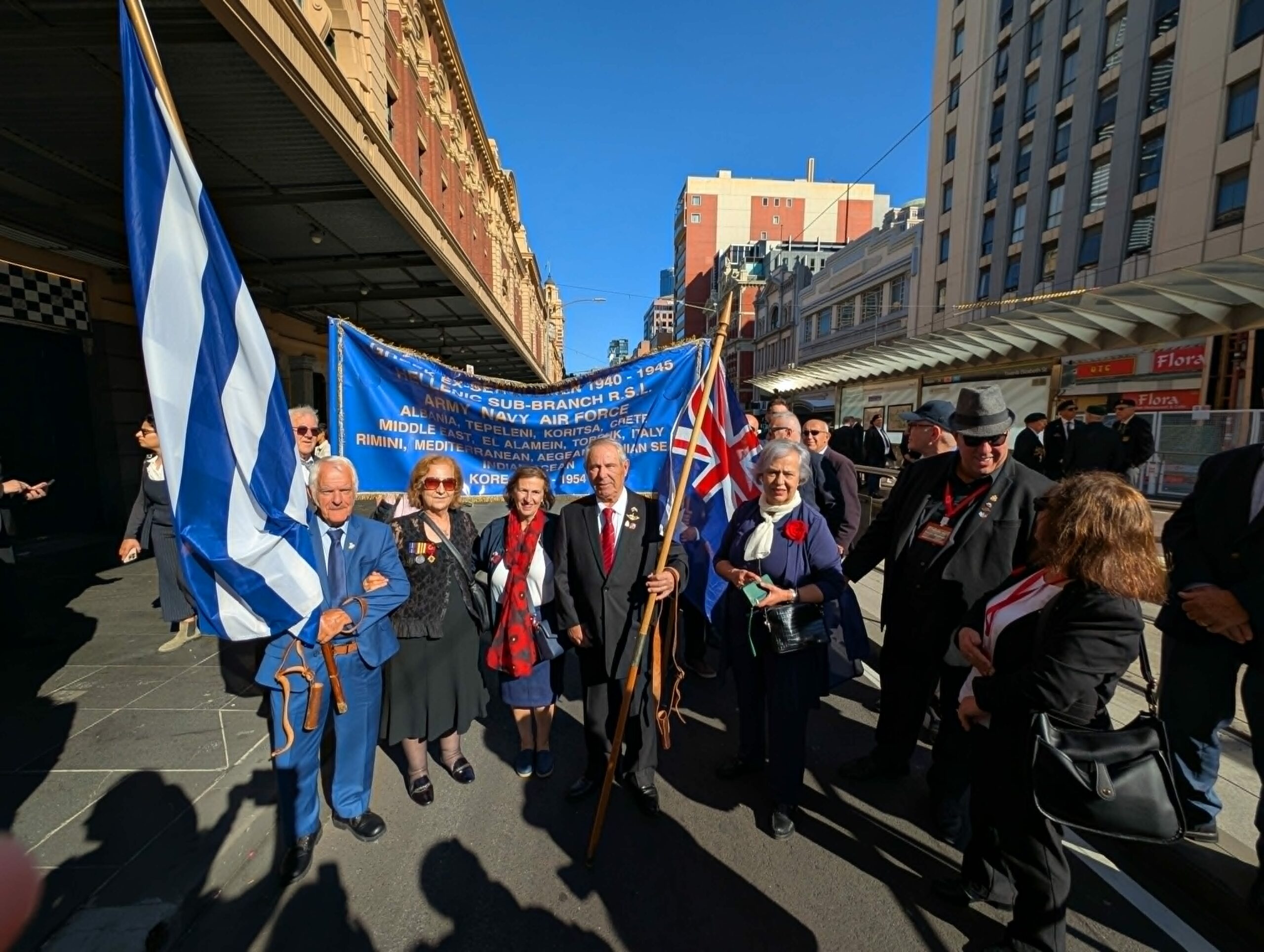
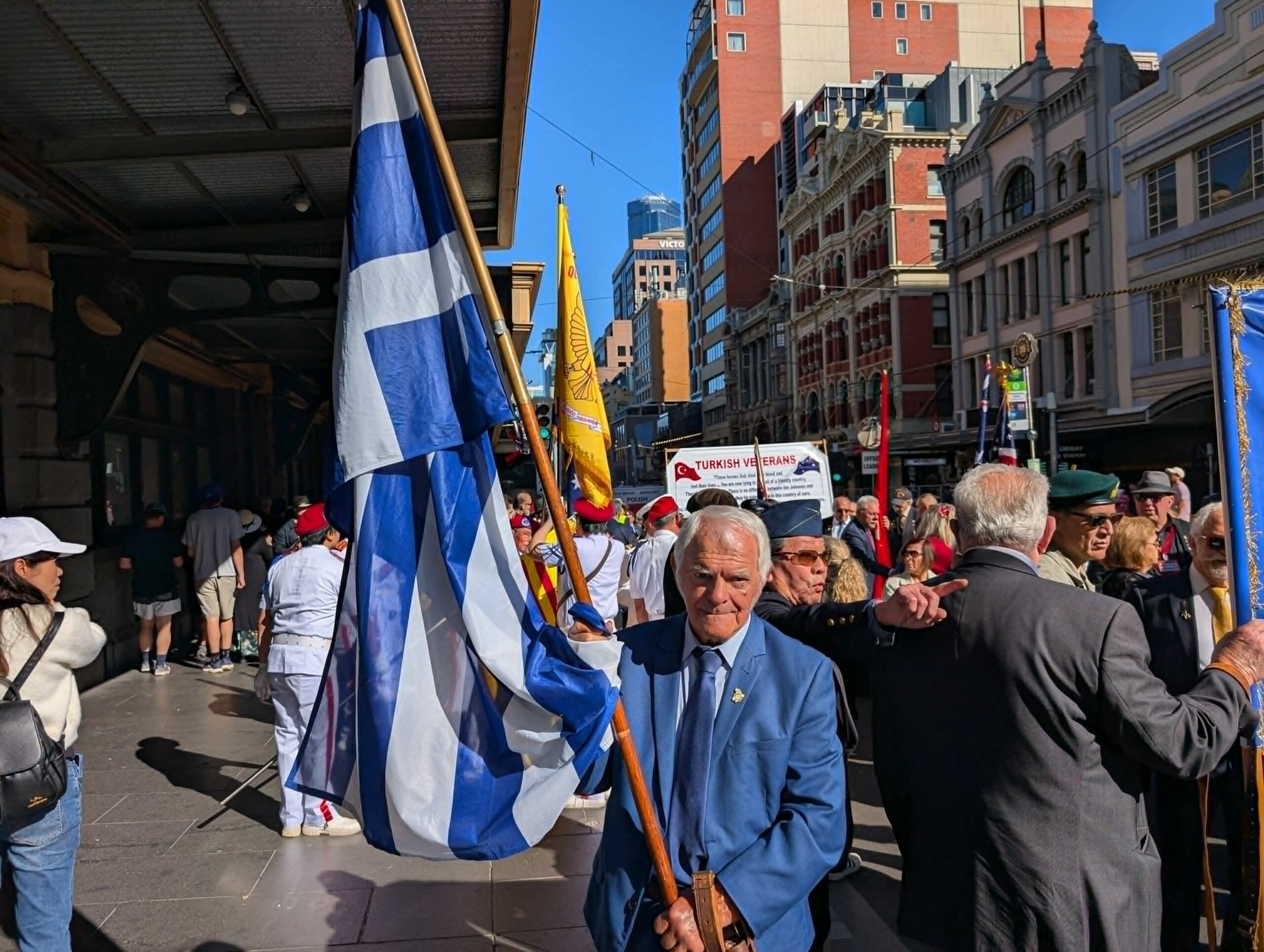
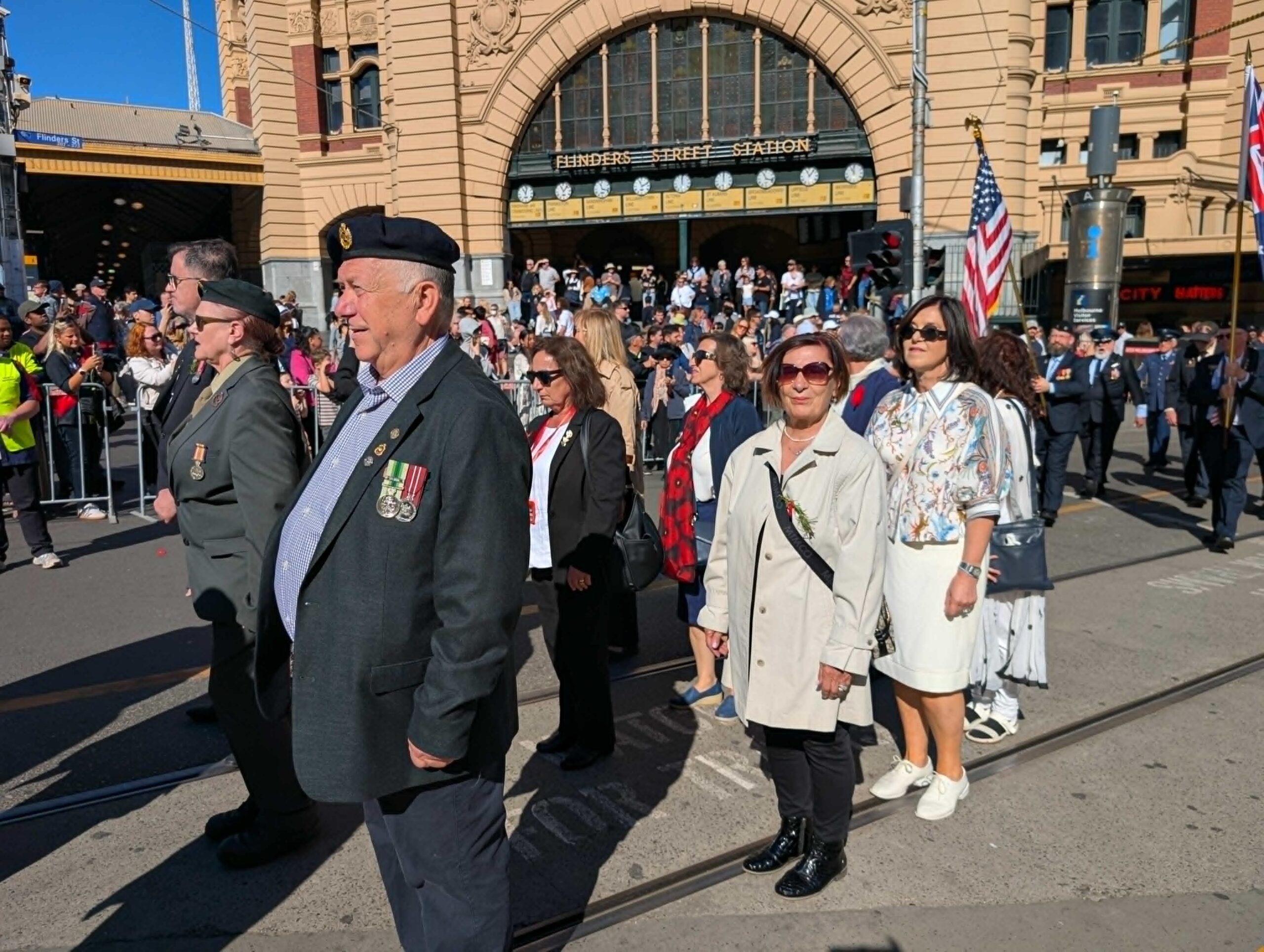
“I don’t just show up at the Hellenic RSL on ANZAC Day but every month. And I show up for all celebrations.
“A lot of people speak about patriotism, but it’s just a word. We need to have it in our blood and minds. If you just say it, it has no value.”
He gestures toward the Shrine route. “Australians fought side by side with Greeks in many wars. That is why we are allowed to honour both, together.”
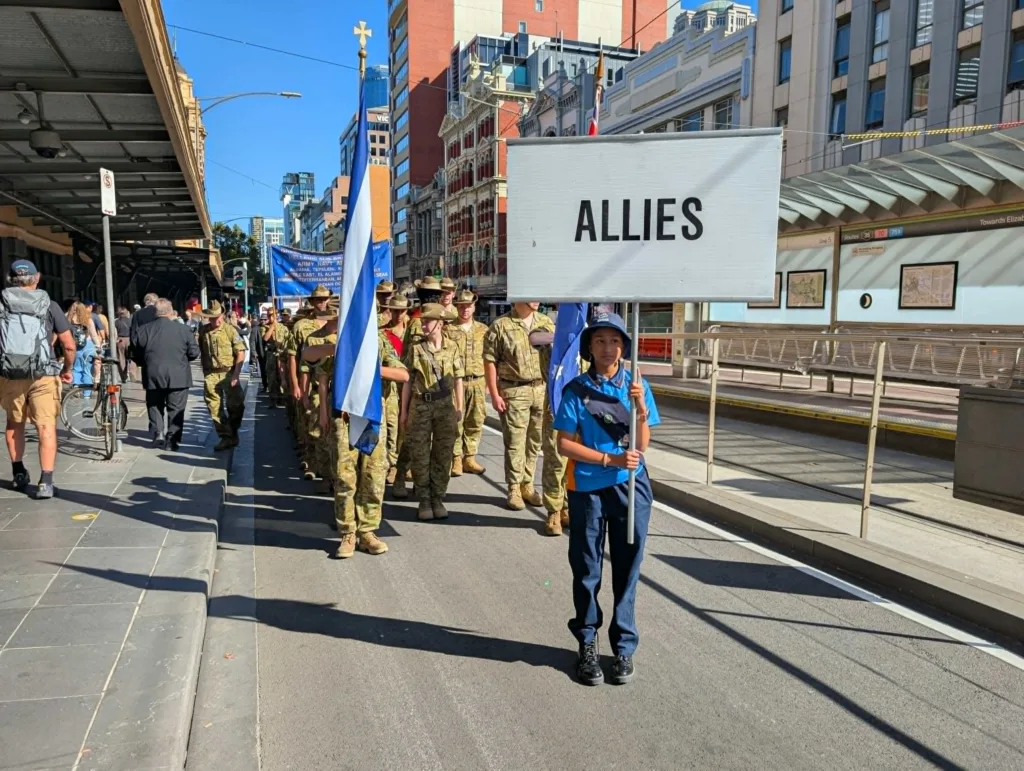
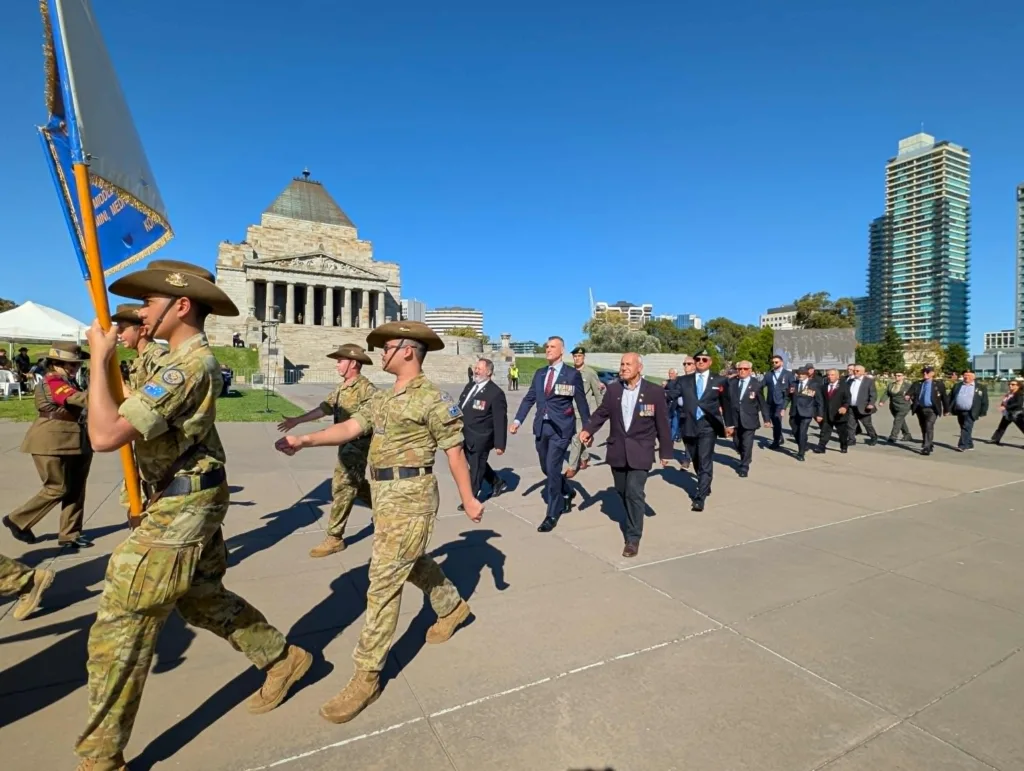
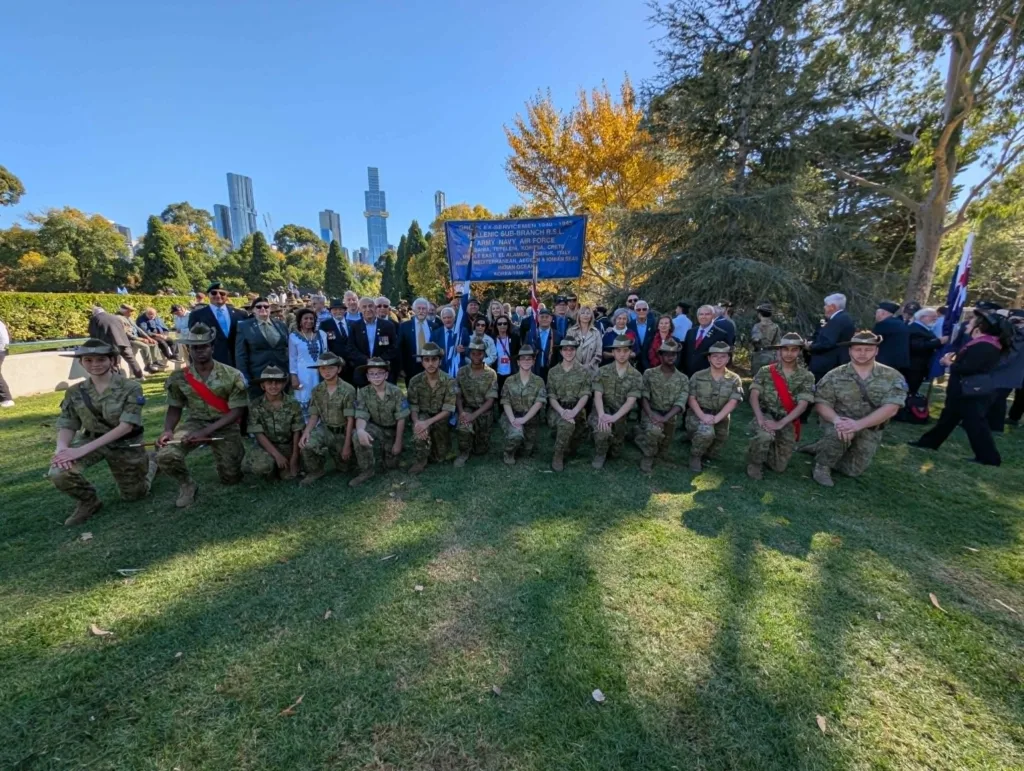
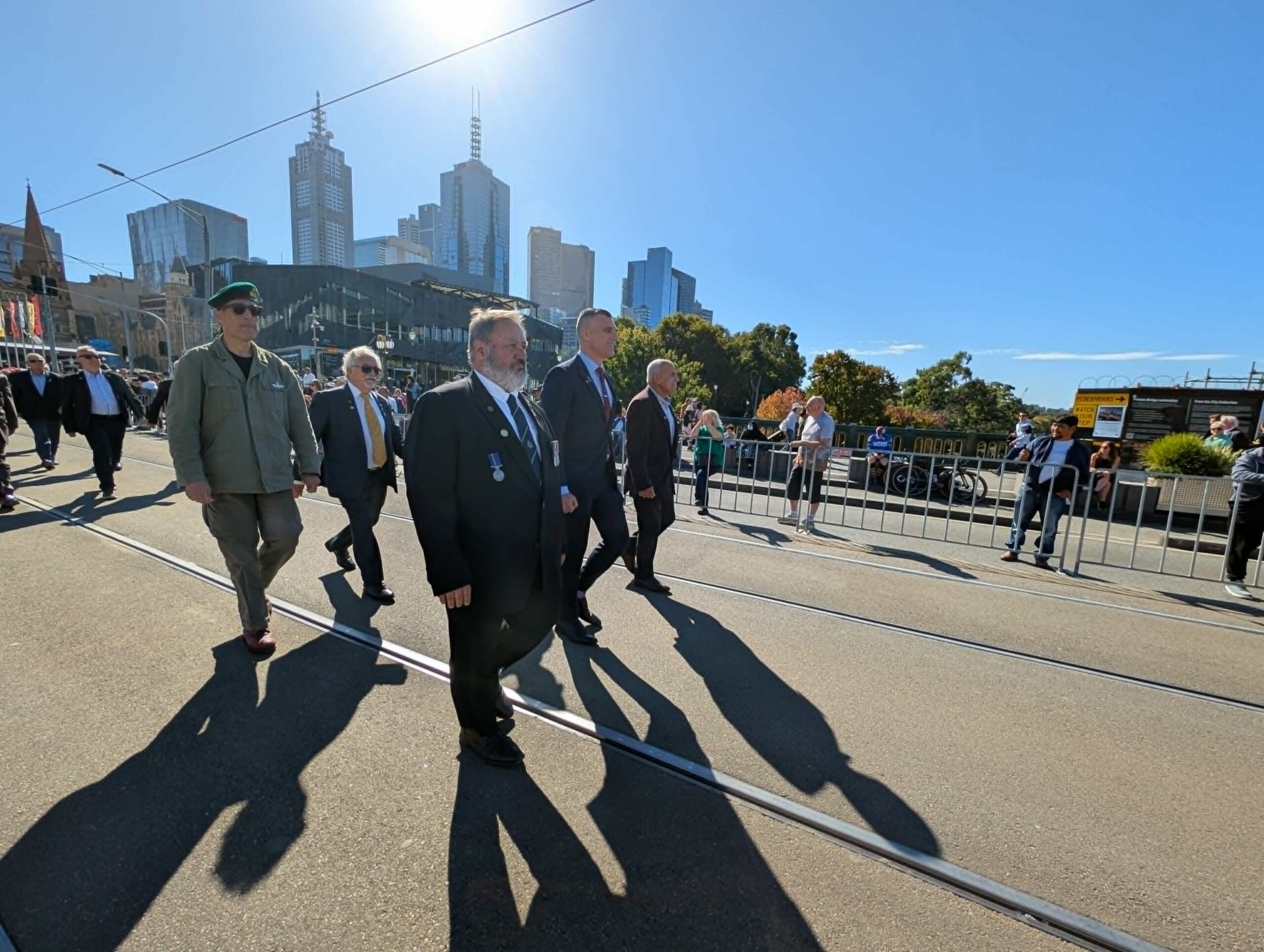
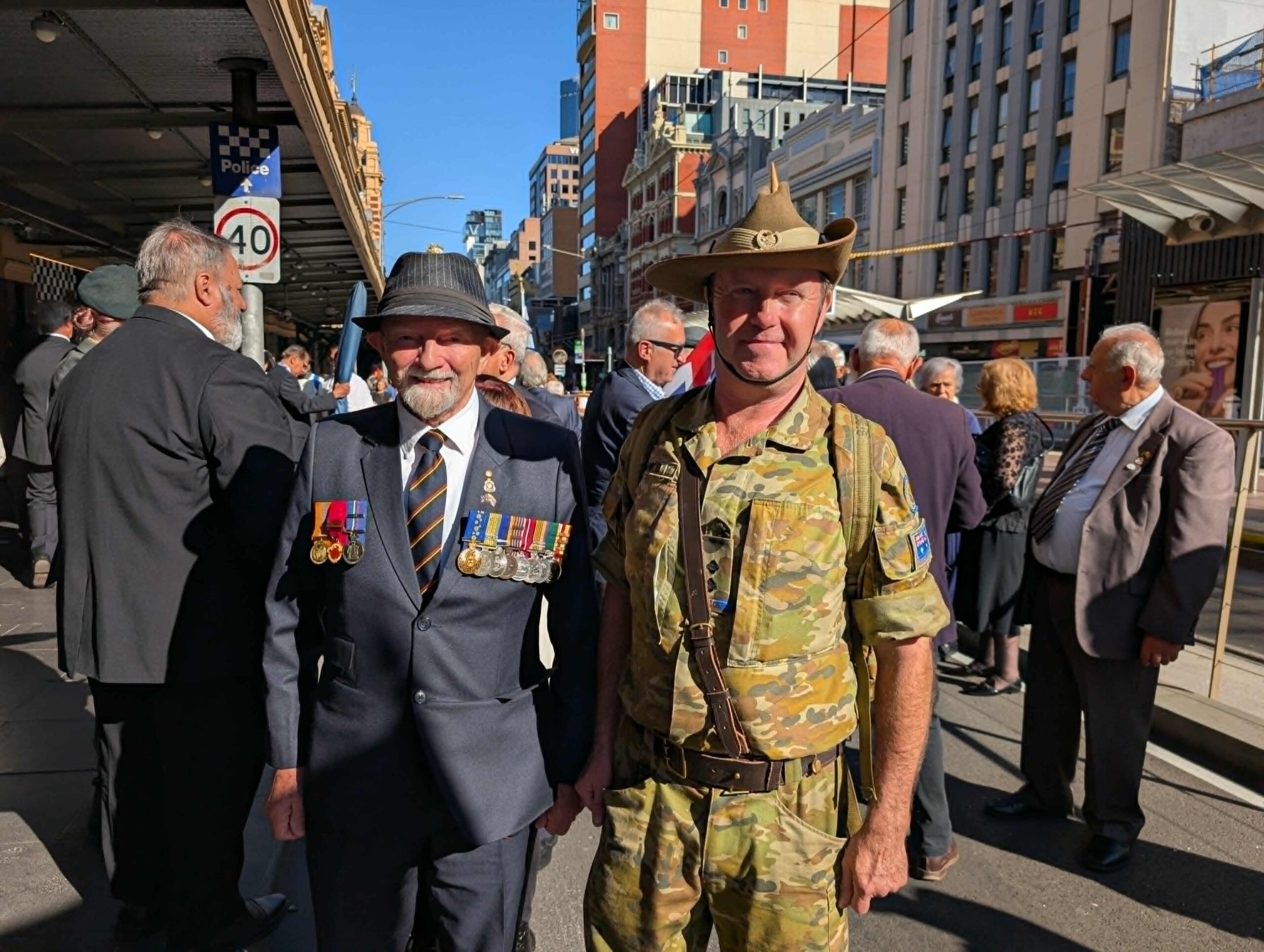
Despite many men being elderly, they sit in the sun for hours, walk the distance and then go back to the clubhouse for lunch.
For the Hellenic RSL, this is more than a day. It is who they are.
*All photos copyright The Greek Herald / Mary Sinanidis.
