By Peter Capsanis
I was born in 1957 in the small rural and remote town of Warren, that is 500 kilometres away from Sydney, in the central northwestern region of New South Wales.
Warren then only had a population of about 1,500. The total shire was just over 4,000. My father, Anastasios (Archie) Capsanis and his older brother, Peter Capsanis (my uncle Peter) owned a café, the Monterey café, from about 1924 to 1972, when we all left to come to settle in Sydney.
Warren and the central northwestern region of NSW was very much, at that time, the centre of the wool industry i.e. that was when it was often said up to the 1960s that “Australia rode on the sheep’s back”.
The Warren shire region was relatively prosperous then with the large landed rural properties, that were often referred colloquially to as the “squattocracy”, such as, “Haddon Rig”, which was owned by the Faulkner family, who were very well known right throughout Australia.
My mother Maria Capsanis (nee Maria Maneas) in the 1960s became a dressmaker in Warren and would often sew for some of the wives of those landed estates, particularly as Maria became an excellent dress maker, though she never had much formal training.
Originally, my uncle Peter and his father (i.e. my grandfather John Capsanis) arrived in about 1924 and settled in Warren by establishing the Monterey café on the main street i.e. Dubbo Street. My uncle Peter in fact bought quite a few other businesses on Dubbo Street, such as the butcher’s shop etc.
My father and uncle Peter were from the small town of Potamos on the Greek island of Kythera, which amongst other things, was famous for the legend of the goddess of love (i.e. Aphrodite or as known in Western Europe, the goddess, Venus).
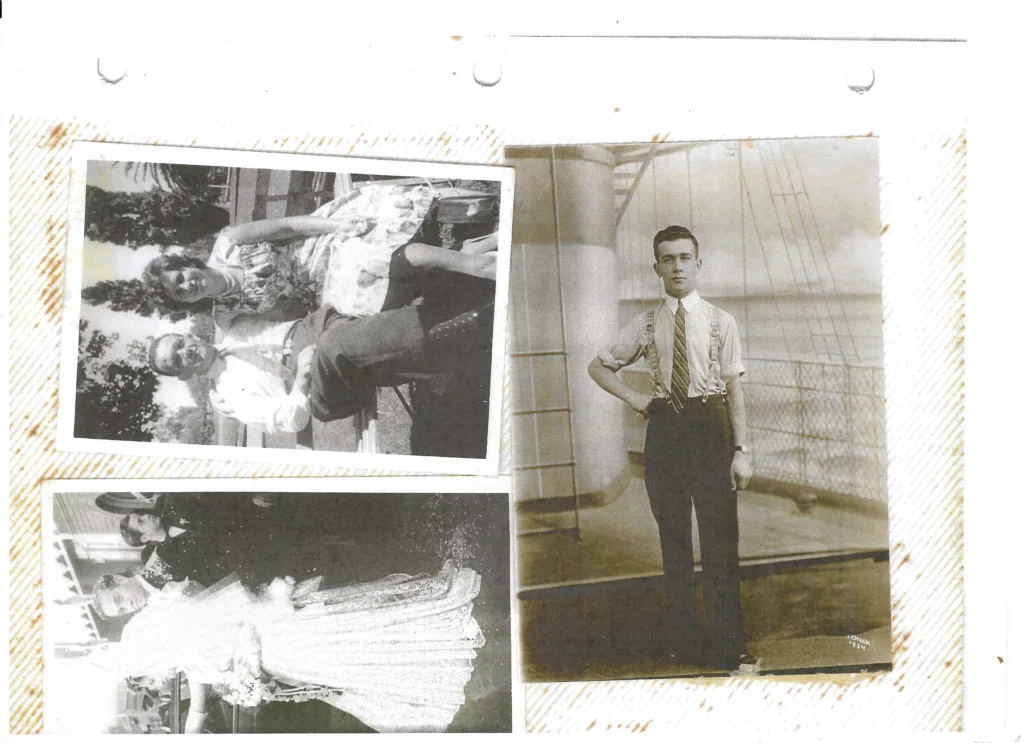
My grandfather went back to Greece a couple years later. Then later on, in 1927, he sent his youngest son, Anastasios (Archie) Capsanis, (ie my father) to Warren in Australia to help his older adult brother (my uncle Peter) in the Monterrey café. My uncle Peter became in effect Archie’s surrogate father as Archie was only 13 years old. Greek society then was highly patriarchal, with the eldest son assuming a paternalistic patriarchal role.
It must be understood that at that time many Greeks were forced to emigrate from their ancestral homelands in Greece as Greece was then still a largely poor peasant agrarian-based economy.
This was particularly the case after the Asia Minor Catastrophe of 1922 when Greece lost an ill-fated war to Turkey, largely because of the most ill-conceived η Μεγάλη Ιδέα (the Great Idea). That catastrophe led to the violent uprooting οf about 1,300,000 Greek Orthodox Christians from Asia Minor, particularly following the violent if not genocidal destruction of Smyrna, then the second largest city of the Ottoman Empire, on the west coast of Asia Minor. Many of those refugees from Smyrna were settled in Piraeus, the port city of Athens. They had to live in hastily constructed shanty towns and in dire poverty, as the Greek economy was verging on collapse, especially following a sequel of wars, from the Balkan Wars in the lead up to WW1, World War I itself and then, of course, the ill-fated Greco Turkish War from 1919-1922.
My uncle Peter and my father Anastasios ran the Monterey café in Warren until 1972. It most certainly did not specialise in Greek ethnic cuisine! In fact, the standard fare then was steak, eggs and chips with some peas as the only vegetables. There was also fish and chips, hamburgers, and meat pies with chips, peas and loads of tomato sauce. In other words, “cholesterol delight!”
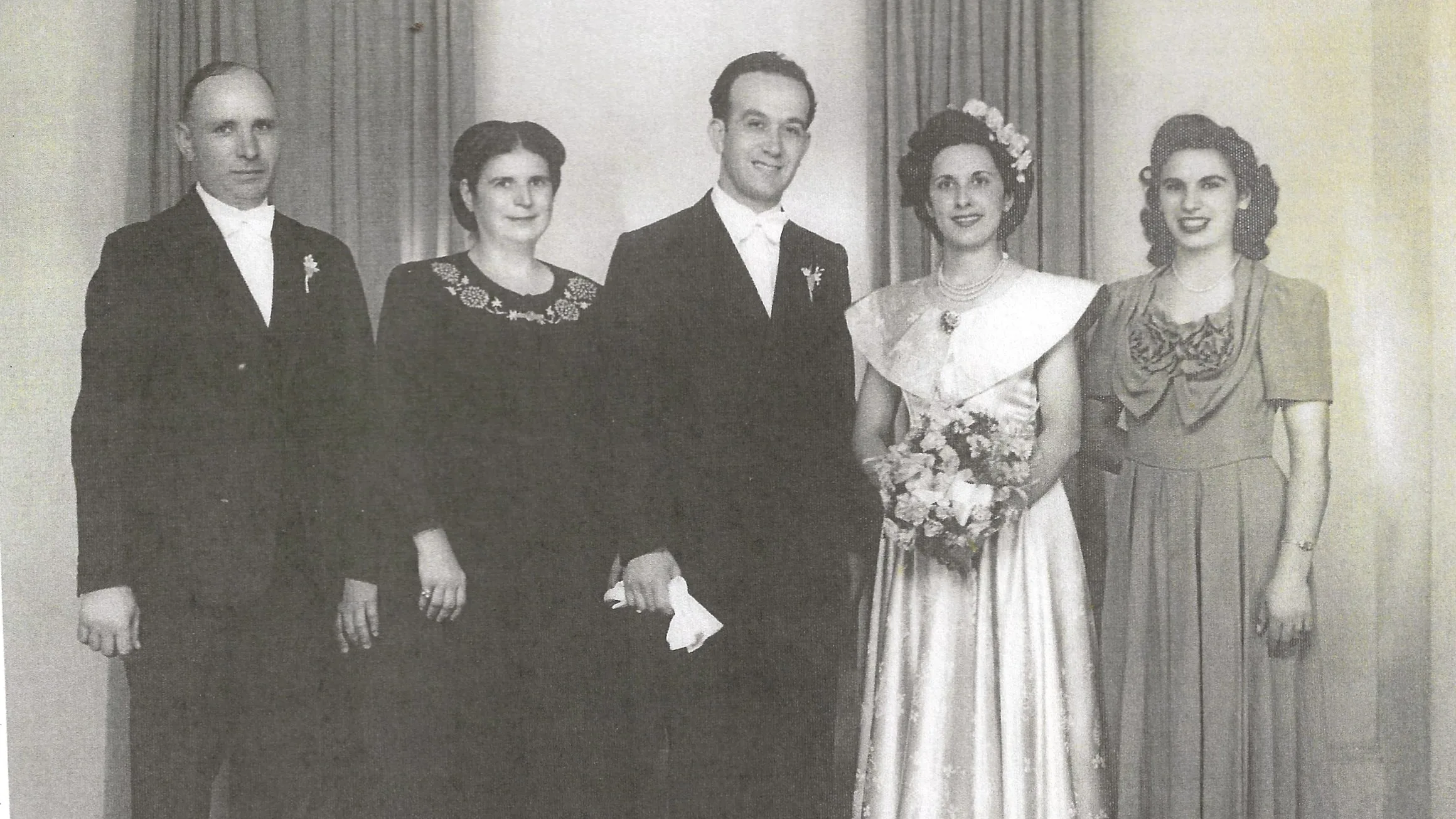
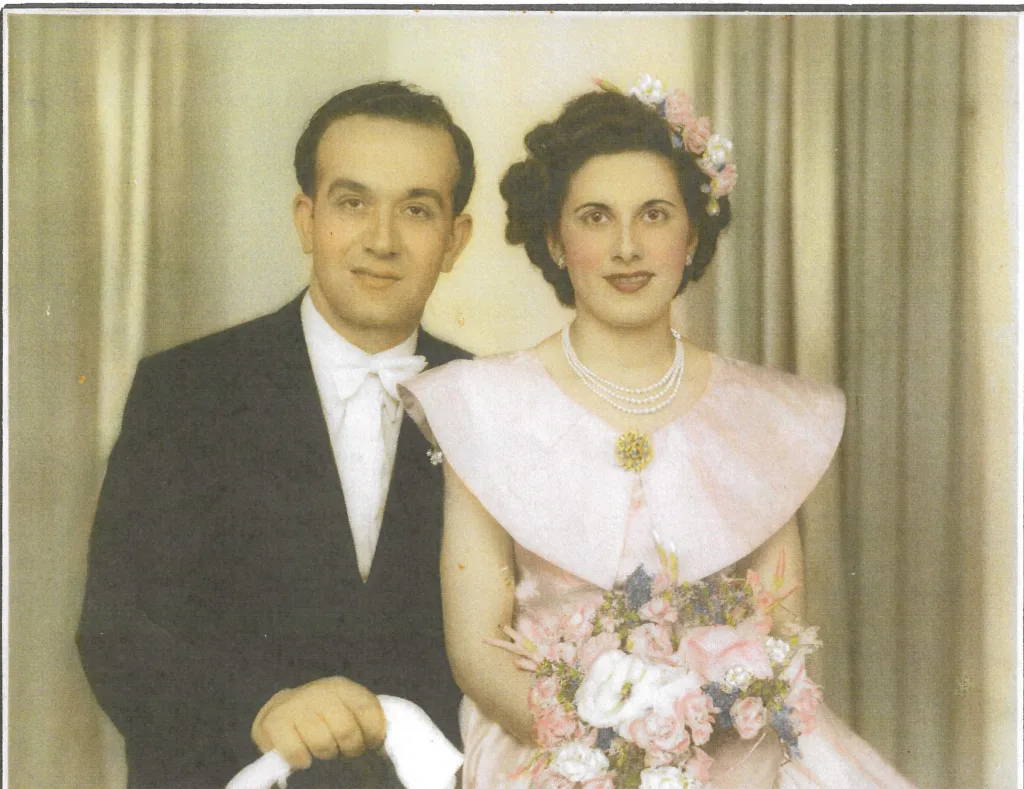
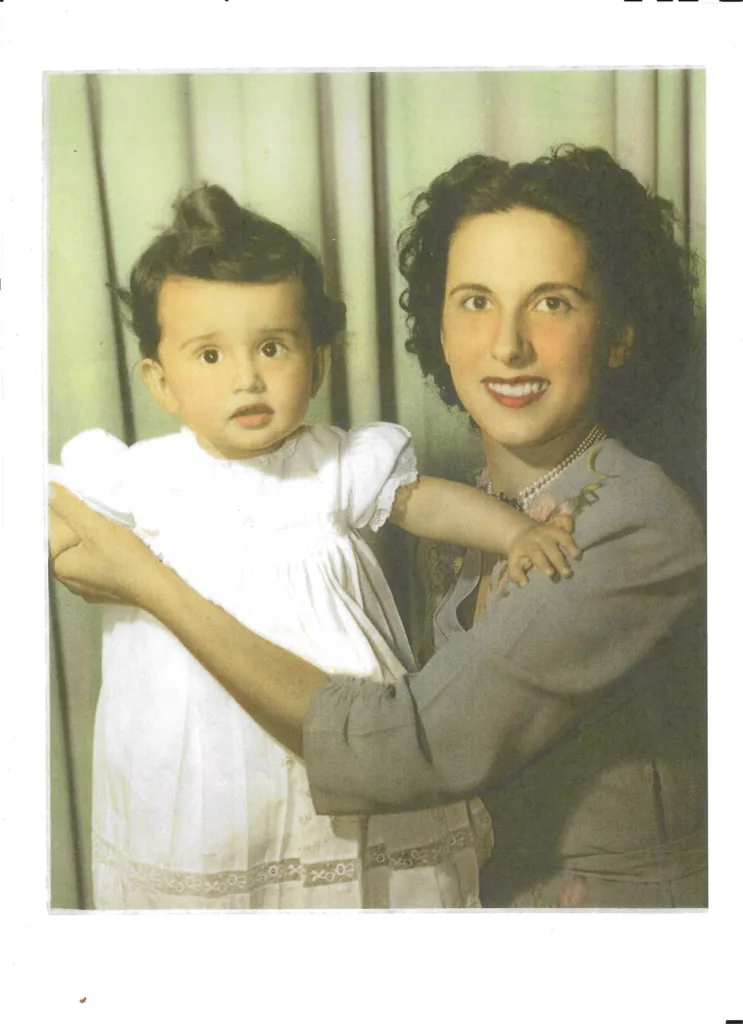
My father Archie got married at the age of 36 to my mother Maria aged 21 (nee Maneas) (Gerakiteys) is her family’s informal village name) in 1949. It was an arranged marriage by relatives as was the custom for most Greek marriages at that time. In fact, my father and mother met only twice, and, on both occasions, those two meetings were very closely chaperoned. That was simply the custom then, as is still in many parts of the Middle East and India. My uncle George Psaltis, who was first cousin to Archie, was key to arranging the marriage. Uncle George and his wife Alexandra had a café business in Gilgandra, the nearest town some 80 kilometres away. We would visit them every now and again during much of the 1960s.
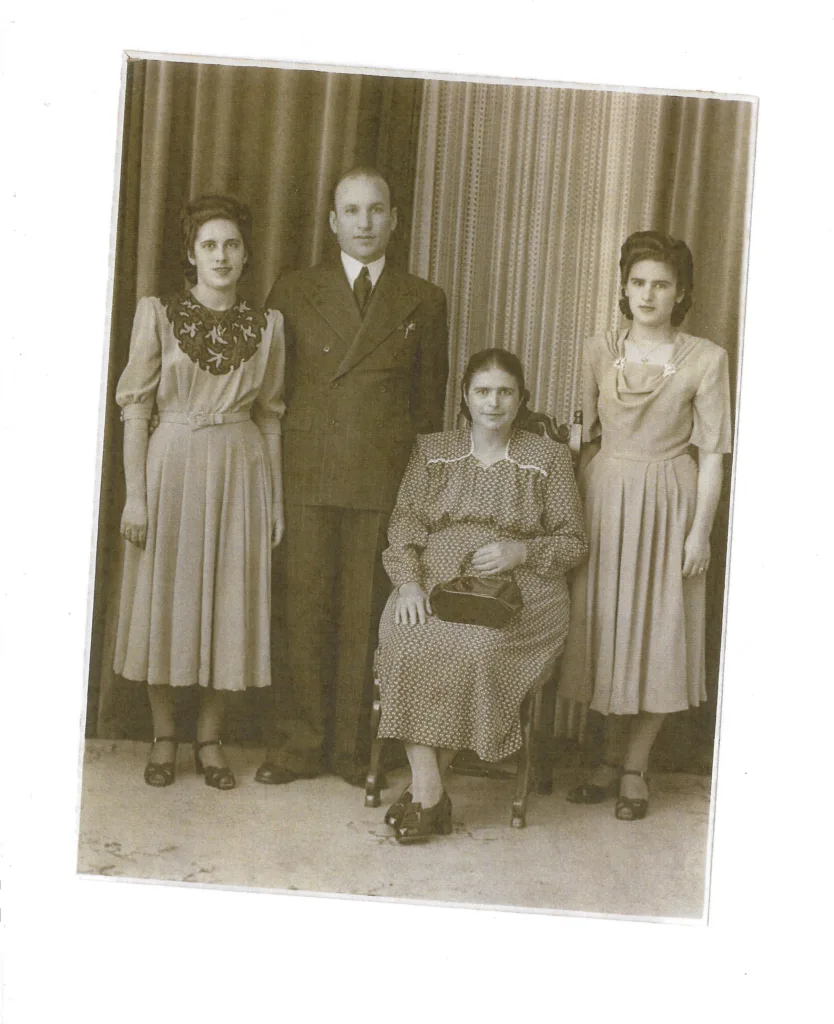
Maria was from Aronathika, a small village inland on the island. She, her younger sister, our Auntie Rosie and their mother Eleni (i.e. my maternal grandmother) had emigrated to Sydney in 1947 with the assistance of my maternal grandfather, (my pappou) John Maneas i.e. Maria’s father.
My pappou (John Maneas) had in fact emigrated to Sydney just after the defeat of the Greek army in Asia Minor in 1922. He had been conscripted into that war, but fortunately only as a cook, but he did witness atrocities and outright horrific war crimes committed by both the Greeks and the Turks. He apparently recorded some of these historic events in a diary, which has since been lost.
Maria and Archie had three children in Warren. Florence 1951, John 1954 and me in 1957. We all originally grew up in Warren, but later Florence and John went to boarding school in Sydney and Bathurst respectively.
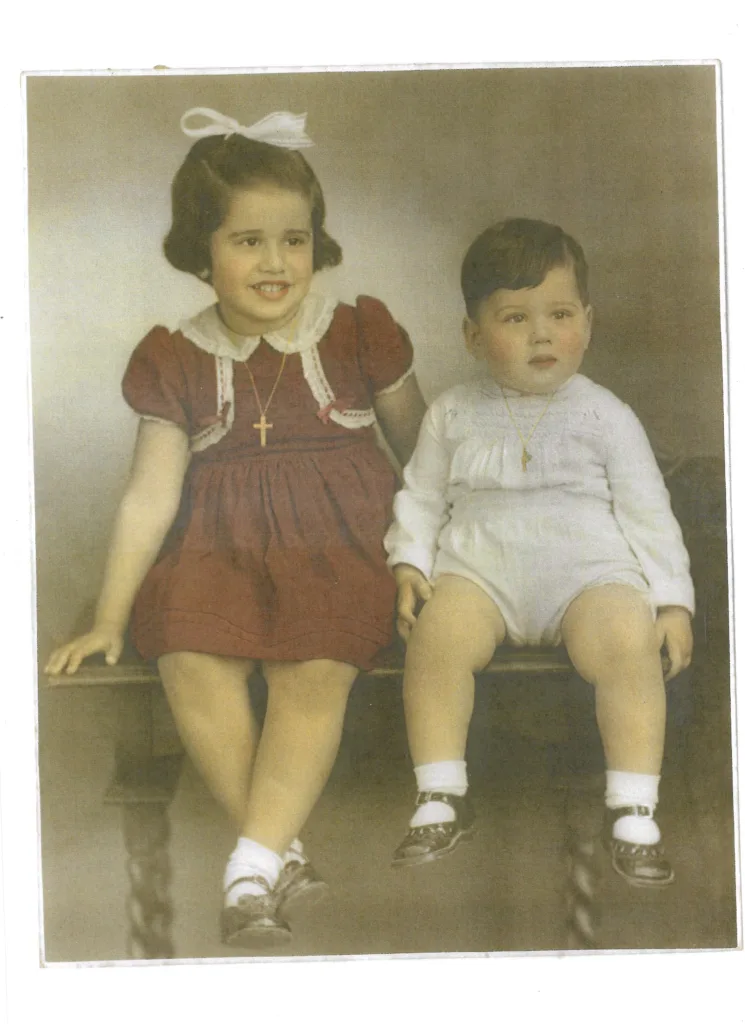
So, I grew up and was well and truly raised in Warren until Maria and Archie finally decided to leave in 1972 to settle in Sydney on the lower North Shore, when I was 14 years old.
Originally, when I was born there were two other Greek families in Warren. From memory they were green grocers. But when I was about 5/6 years old, they had left and so we were really the only Greek family in town.
The only other “ethnic family” was a German Austrian family of a single mother, Gertrude Steinke, who was to say at the least very eccentric. Anyway, Billy, her youngest son became for quite a while my closest friend.
The townspeople at least originally in (i.e. in the 1920s and 1930s, before modern forms of communication and transport, such as cars and the internet), could have a small-town mentality to any outsiders, even from anywhere else in Australia, let alone from halfway across the world.
So, our Greek Kytherian families in rural NSW had to work hard at times to be accepted as “true blue Aussies”!
