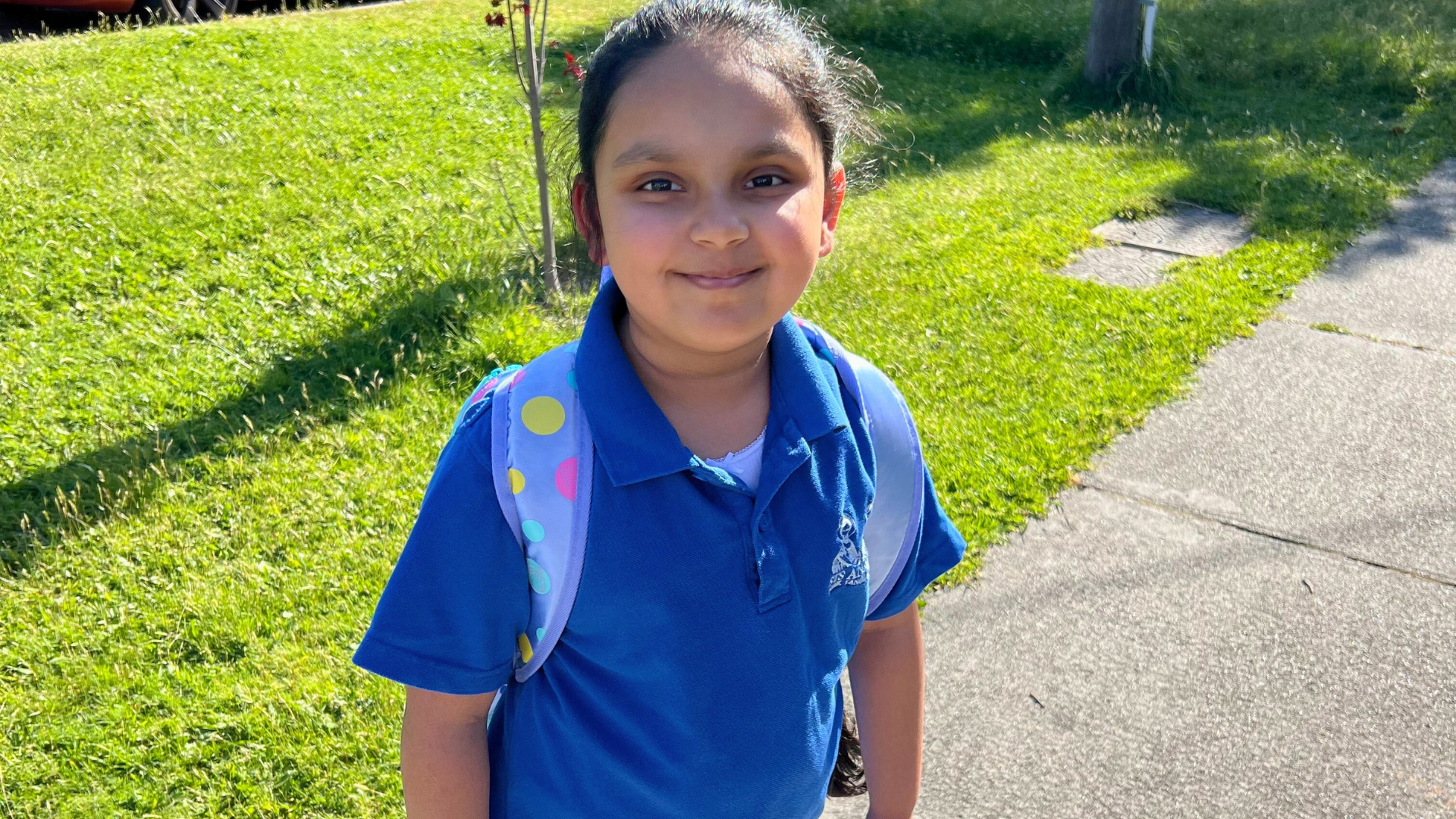
At just eight years old, Viha Dammanapeta confidently orders food in Greek, greets Oakleigh shopkeepers with ease, and reads Greek signage aloud. These moments still surprise and delight her parents.
What makes this remarkable is that Viha does not come from a Greek household. The language isn’t inherited through family history or spoken at home; it is a language she chose, sparked by school friendships, the vibrant life of her suburb, and a fascination that began almost as soon as she could read.
Her mother, Sneha Dammanapeta, a teacher in India and a teacher’s aide in Australia, noticed that Greek stood out to Viha long before she showed interest in any other language. Growing up in Oakleigh, a superb steeped in Hellenic culture, Viha absorbed the rhythms of the Greek language.
At school, she was surrounded by Greek Australian peers, and her interest was strengthened even more.
To support this, her parents enrolled her at Saint Anargiri Greek Language Centre, where her progress has been rapid. Having no yiayia (grandmother) to practise with at home, the school has become her extended Greek family, a place where language, culture and encouragement fill that gap.
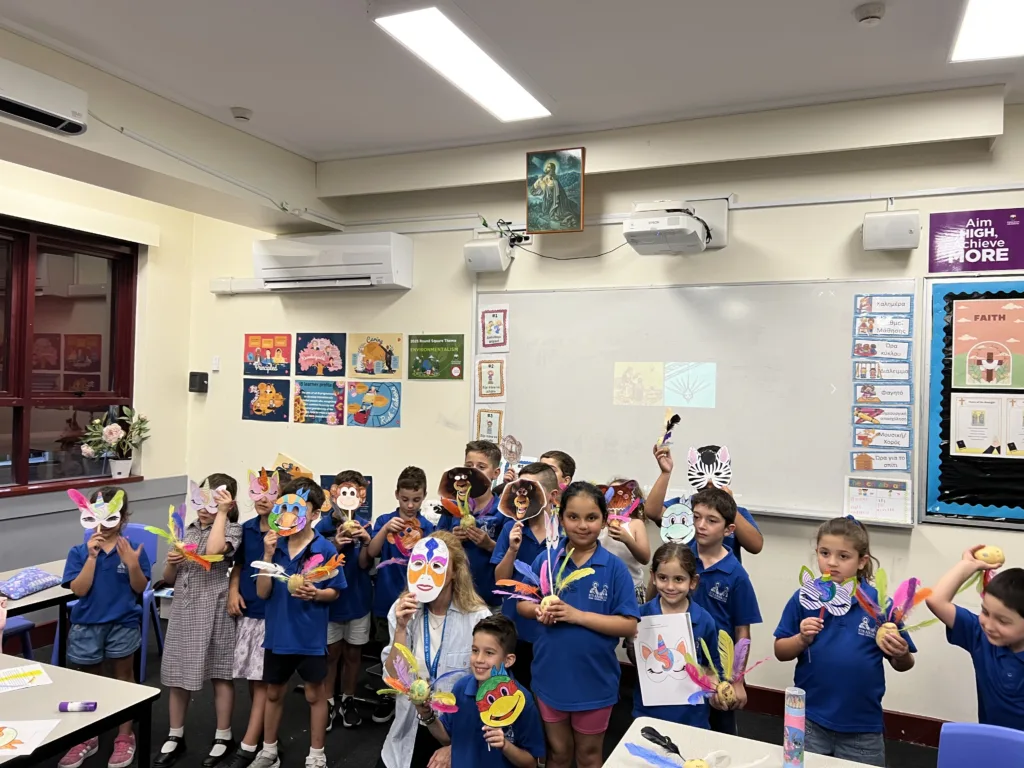
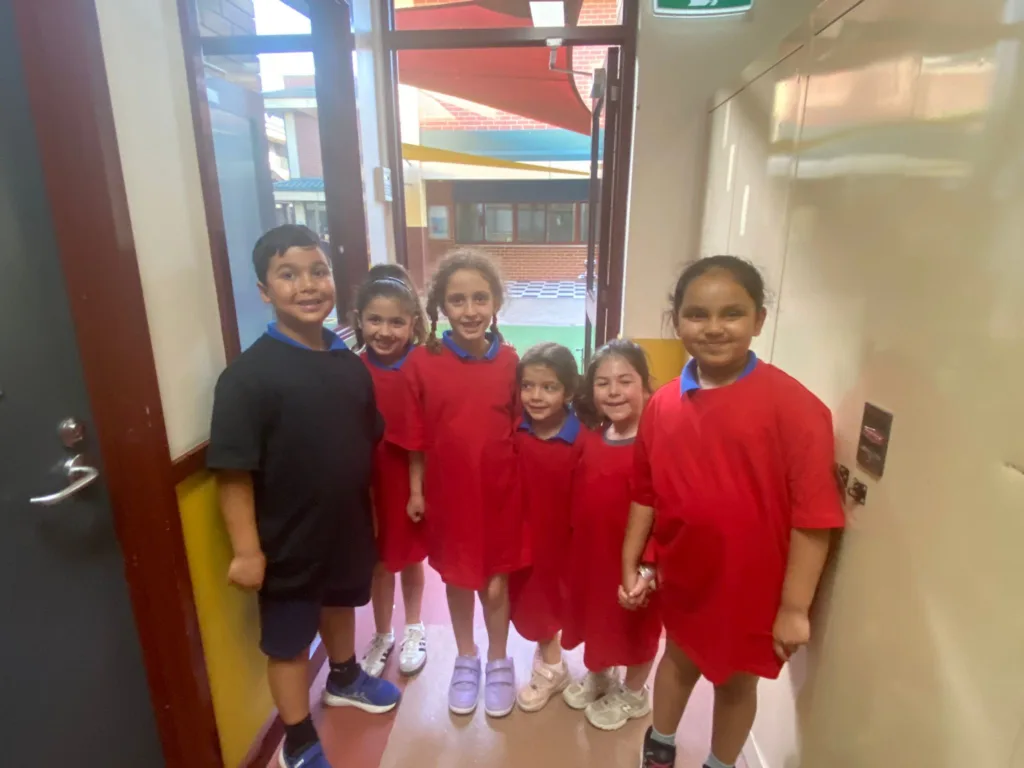
“She speaks Greek in the classroom, however we speak Indian at home. Viha understands Indian, though she usually replies in English,” Sneha says.
“Greek was different. From around the age of three, she showed a real desire to learn. Once she started at Oakleigh Grammar, her teacher noticed immediately how naturally she was picking it up.”
That curiosity quickly turned into confidence. Now in her third year of formal Greek language studies, Viha has moved into her school’s advanced-level Greek class, surpassing many of her peers of Greek background.
Some of the proudest moments for Sneha, however, happen outside the classroom.
“When she was little, she’d try to decode the Greek letters on shop signs by herself,” she recalls. “Seeing her read and order independently in a shop was incredibly special.”
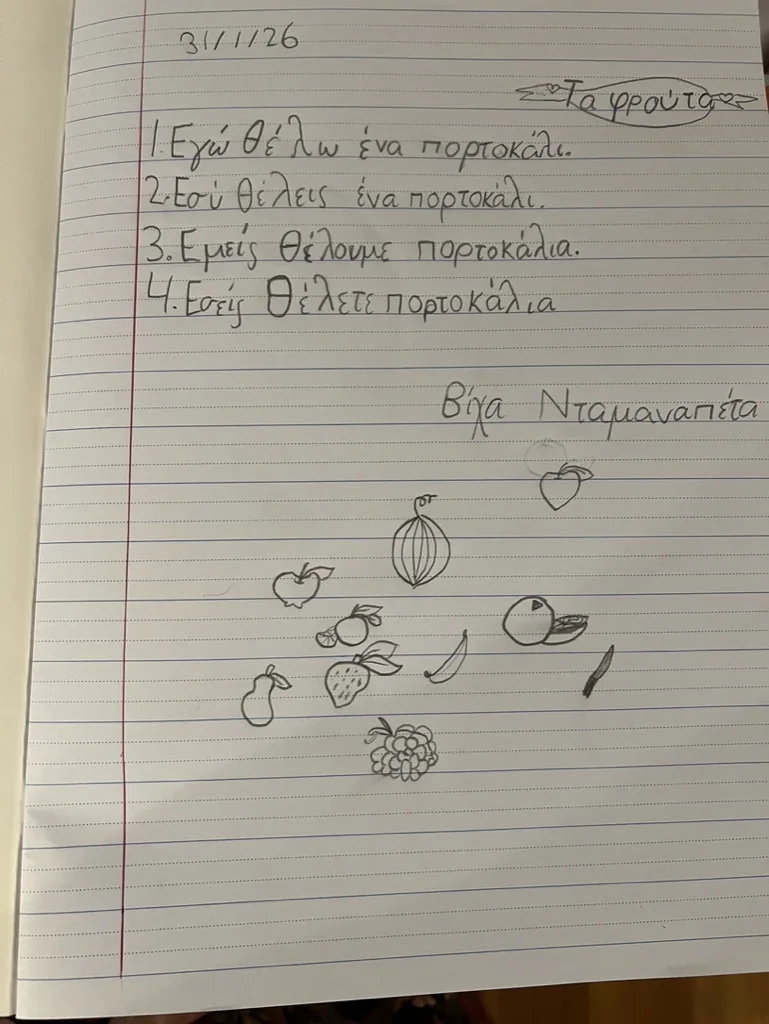
Greek can be daunting for children whose first language comes from a different linguistic branch, but Sneha believes motivation outweighs difficulty.
“Viha’s engagement in Greek studies has been both positive and enriching,” Sneha says.
“She approaches the language with enthusiasm, appreciating the cultural insights and sense of connection it offers. While Greek may present challenges for students whose first languages differ significantly, Viha’s enthusiasm shows that curiosity and steady effort make the journey rewarding. We value the cultural depth the program provides and are proud to see her integrating so fully into the school’s Greek-learning community.”
This passion has transformed Viha’s social world.
“She used to hold back a little,” Sneha observes. “Learning Greek helped her understand how language works; how to greet, respond, and connect. It really opened her up.”
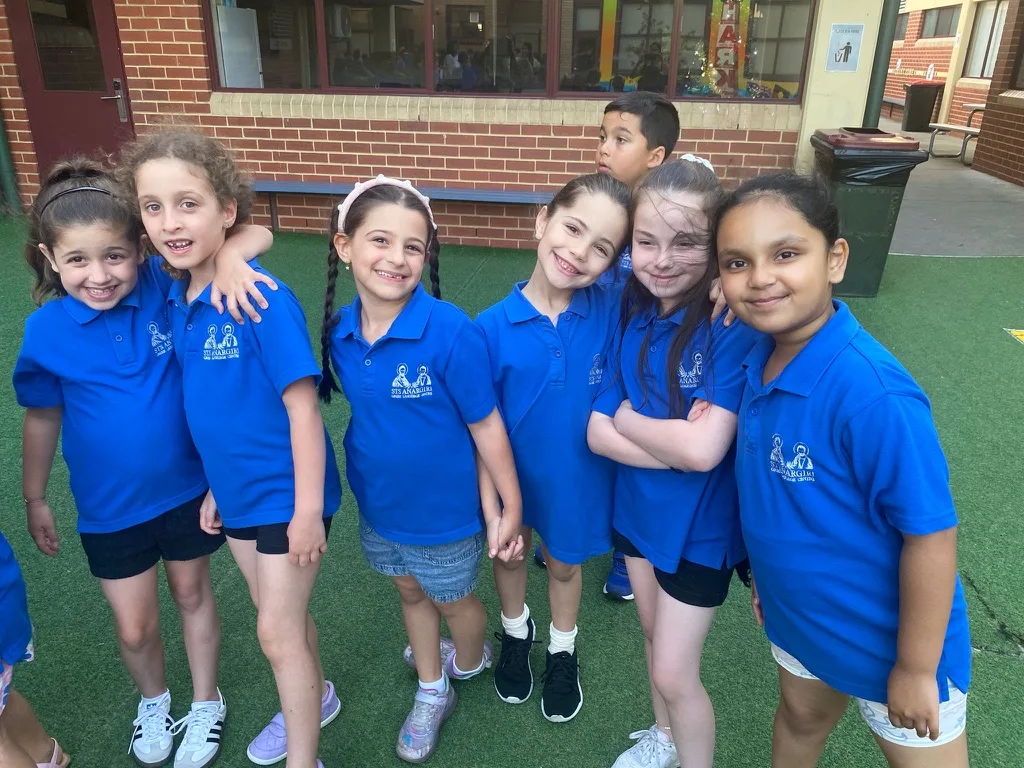
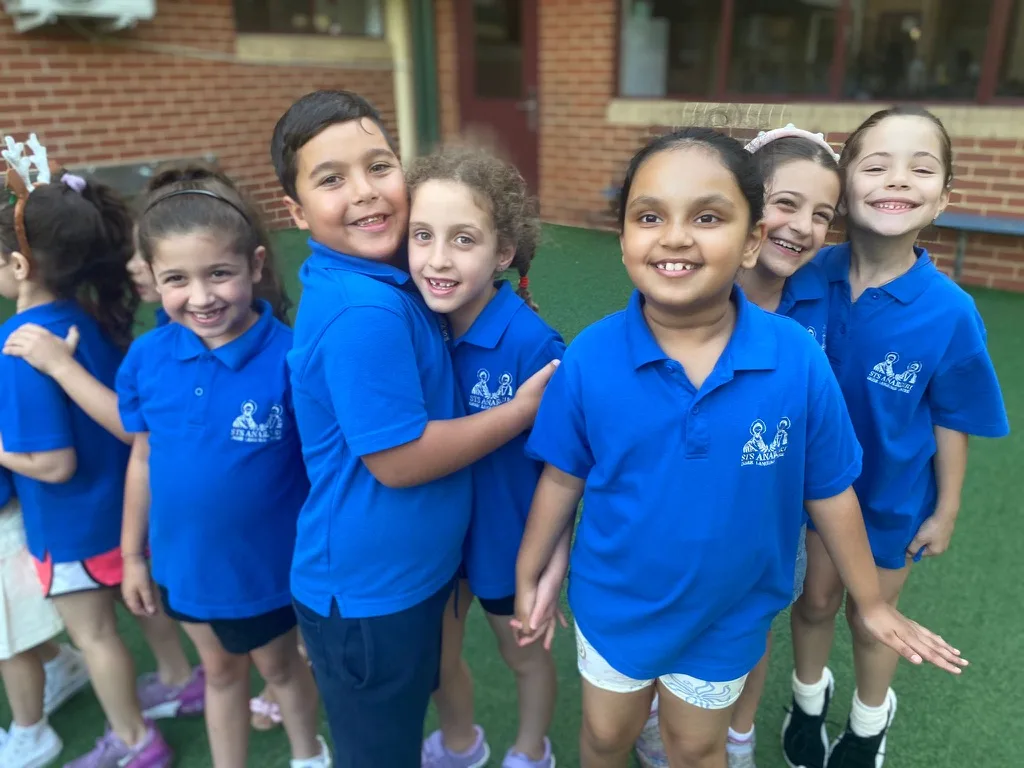
While nobody speaks Greek at her home, Viha finds her “village” through books, choir, and the local library. The community has also embraced the family, encouraging their efforts.
“During celebrations like OXI Day (Greece’s entry into WWII), other parents always help explain the history so I can follow along too,” Sneha says.
Viha’s imagination is now firmly set on the Mediterranean. A trip to Greece has topped her bucket list since she was four years old.
For her, learning the Greek language isn’t a chore, it’s a key to a new world.
“Learning Greek is exciting because every day feels like a new adventure,” Viha says. “I get to make friends, explore a rich culture and discover something new. It’s fantastiko (φανταστικό)!”
On World Greek Language Day (February 9), Viha’s story serves as a beautiful reminder that language isn’t just something you are born into, it’s something you can fall in love with.
