By Martina Simos.
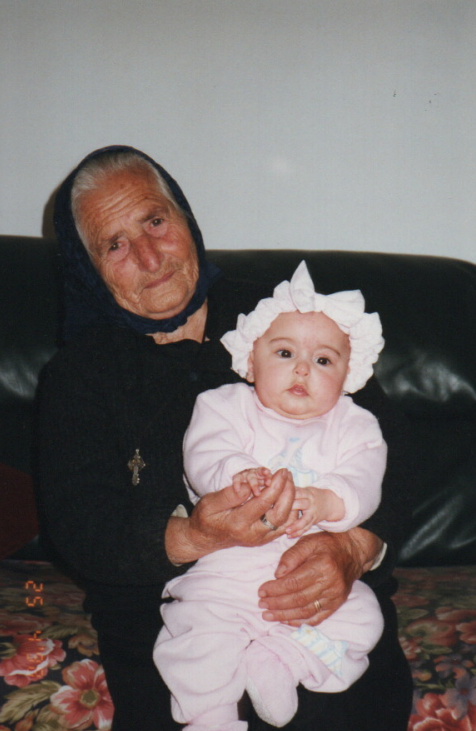
As a youngster, Maria Tsentidou was inspired by watching her yiayia sew patchwork and cross stitching, not knowing that one day sewing would be the key to connecting to her Pontian cultural roots.
“I’ve had a fondness for sewing since I was very young,” Maria tells The Greek Herald.
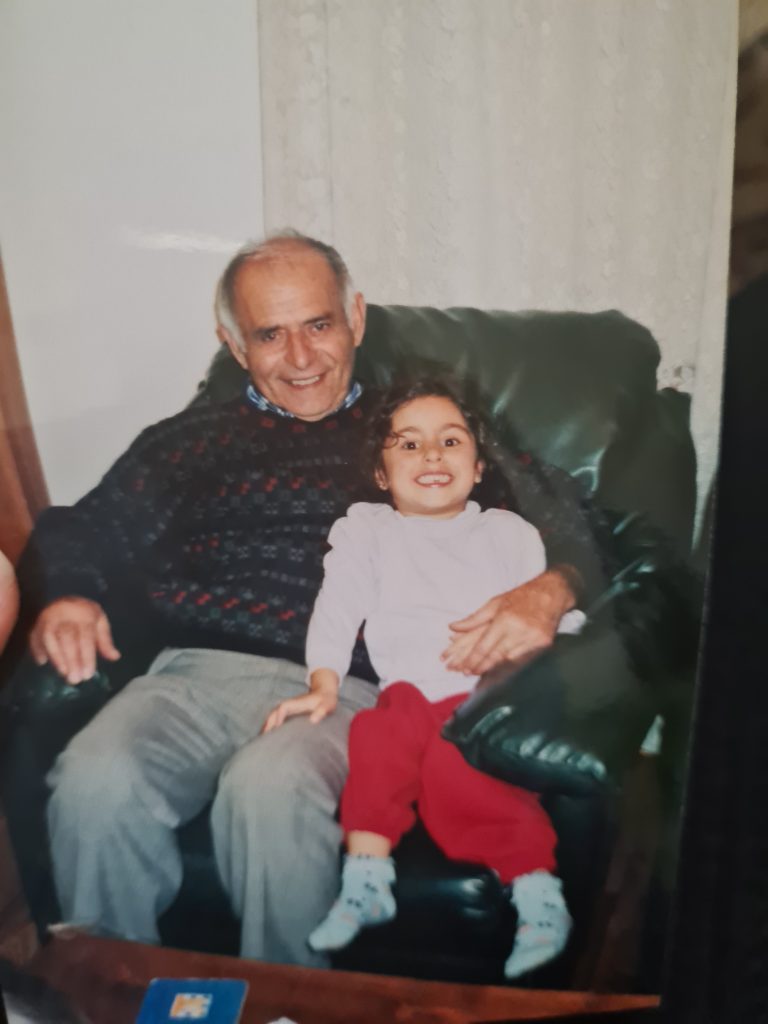
“One day I had seen that my pappou had a ripped pair of trousers, so I hid in a spare room and started to hand stitch the rip back together.
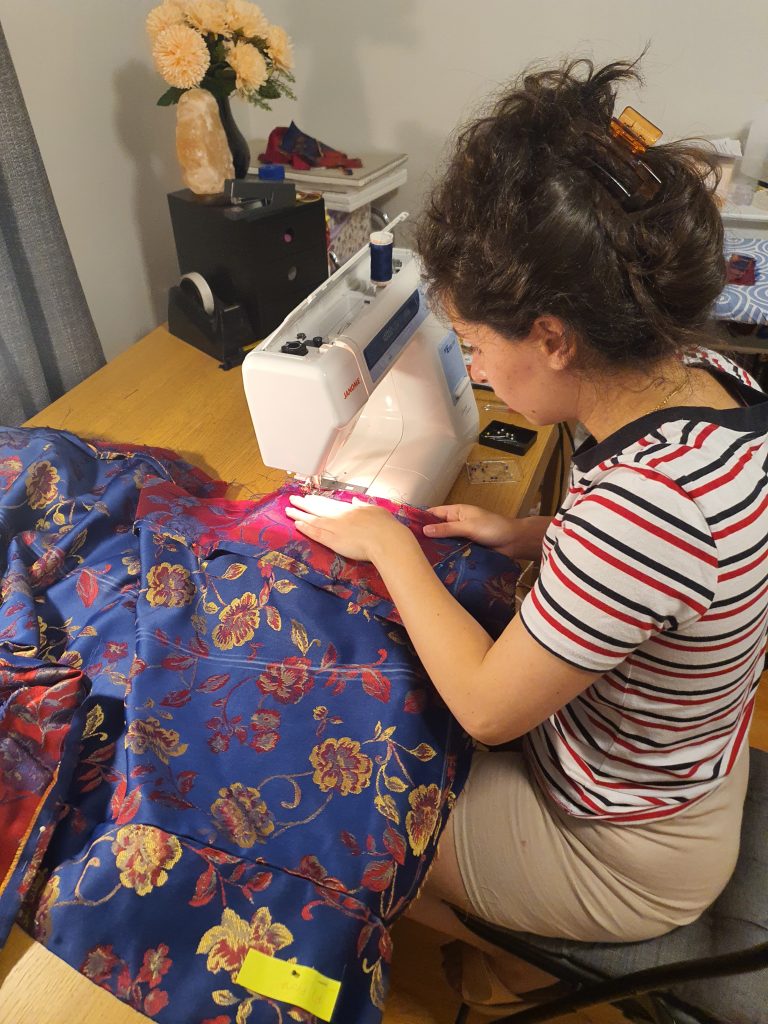
“To my grandparents’ surprise I had a natural talent, so much so that my grandfather still to this day, has kept those trousers as a memory.
“He too, in his youth, would sew, apparently helping an uncle in his tailoring shop in Greece. Both my parents are also pretty good at sewing, so I guess it runs in the family.”
Pontian roots:
The fourth generation Pontian lives in Adelaide, South Australia, but her Greek heritage stems from Imera and NeaKessaria Pontos.
Maria’s great grandfather, Ioannis Tsentidis, hailed from West Pontos and came from a family of farmers. After the population exchange between Turkey and Greece in 1923, Ioannis settled in Greece and was one of the founders of NeoKessaria Pierias.
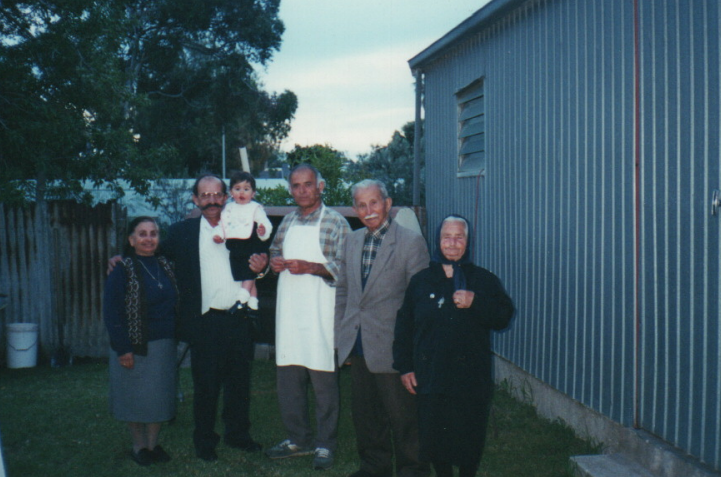
“I come from a mixed-race family – Anatolian Greek [Pontian] on my dads’ side and various European ethnicities from my mother’s side,” Maria says.
“I definitely have an influence from all sides however, I have an incredibly close connection more to my Anatolian roots.”
Keeping traditions alive:
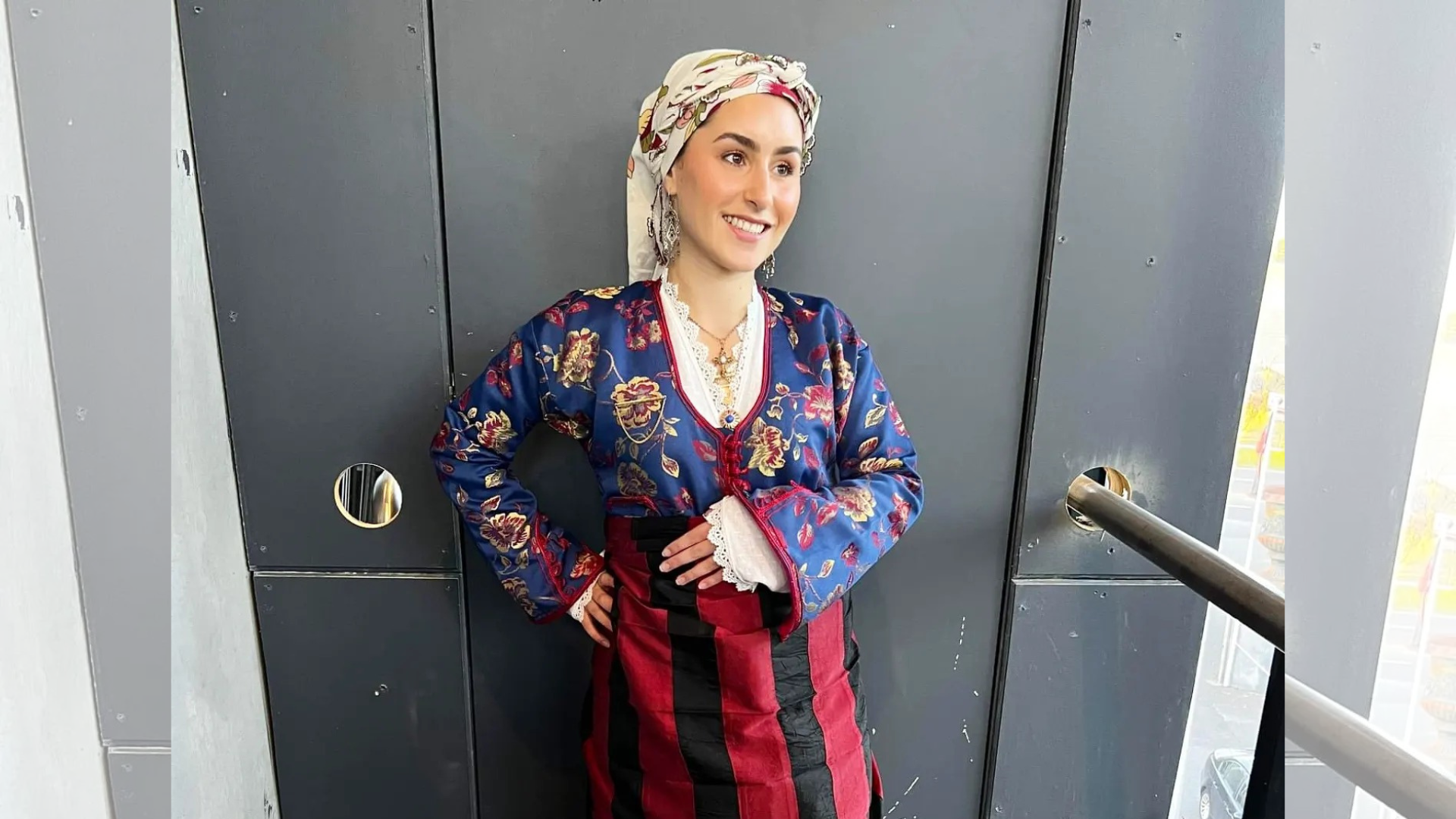
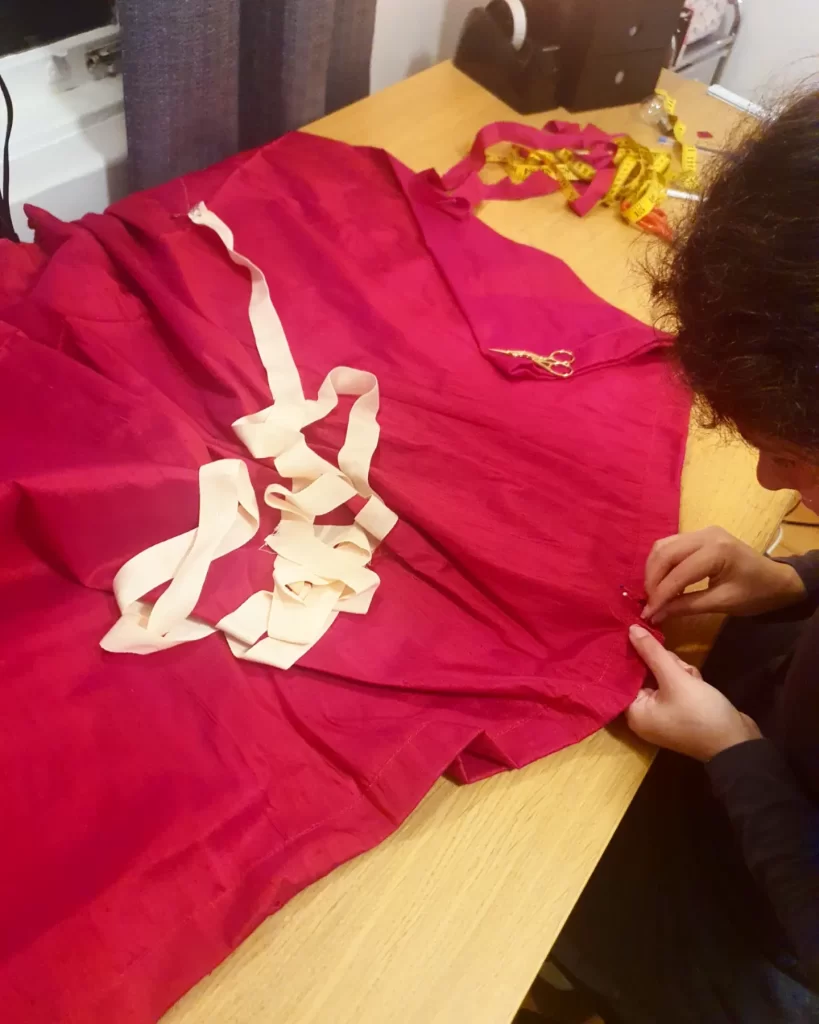
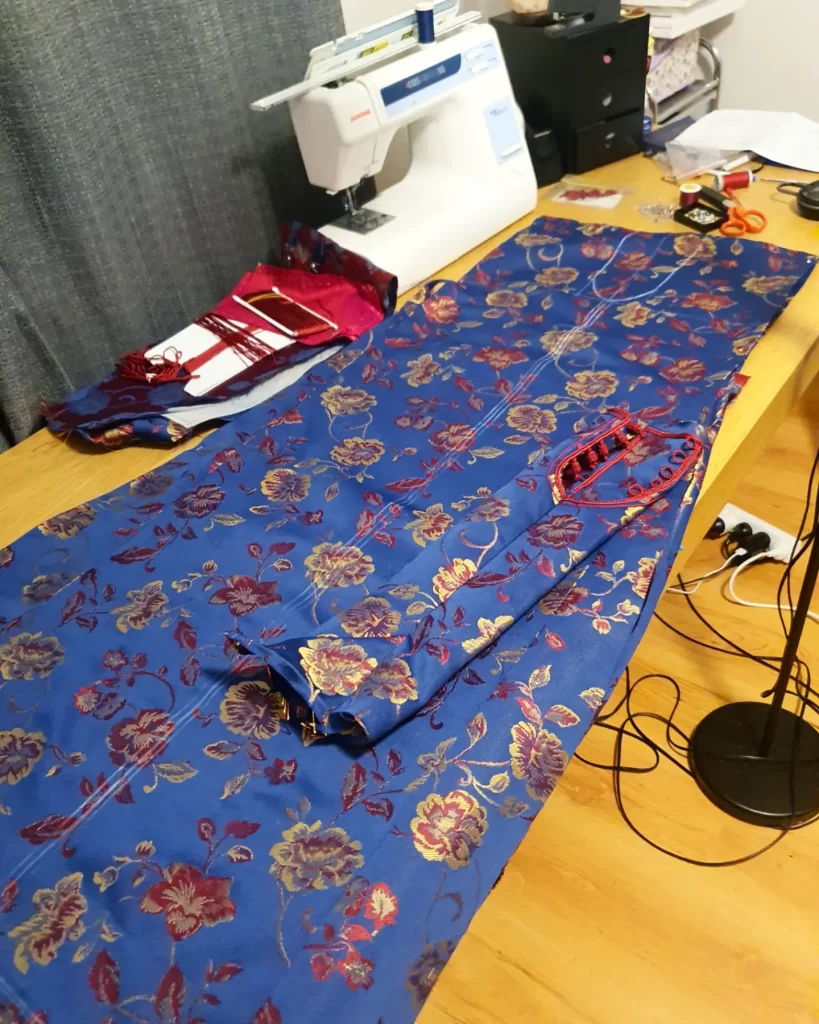
In 2020, the 25-year-old was inspired by her childhood love of sewing and stepped into the role of novice seamstress and began to sew the national costume of her Pontian roots.
Driven by her passion for sewing, ‘foresies’ (traditional clothing worn for performing) and a love of dancing with the ‘endimasia’ (traditional clothing), Maria decided to sew her own cultural attire, with the help of her mentors – Peter Kouvelis, Efthimi Avgetidis and Lena Kalamarinou.
She is grateful for their assistance in sharing their knowledge, especially with the cultural and region-based significance, sewing and preservation of ‘endimasies.’
“I am fortunate to have created my own ‘endimasia’ in honour of the Haldia region my great grandparents were born in,” she says.
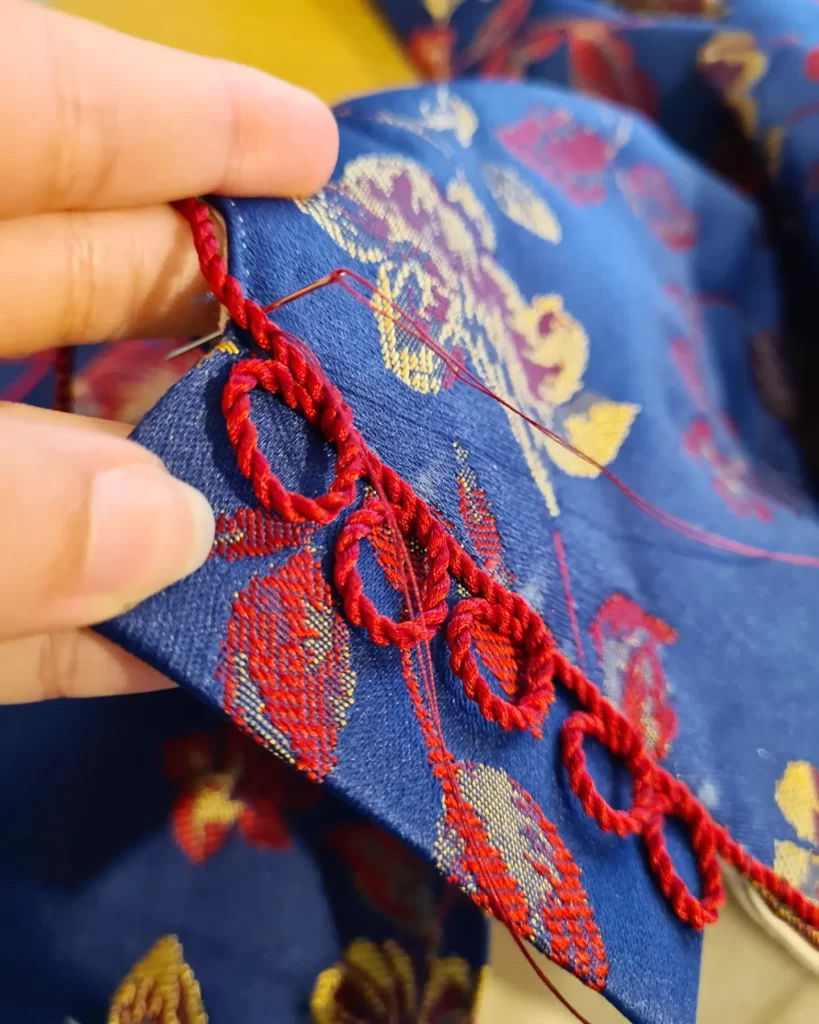
“My journey began two-and-a-half years ago with a simple needle and thread and a desire to connect to my roots beyond music and dance.
“The art of sewing ‘endimasies’ is often overlooked and overshadowed as anyone can grab a needle but not everyone can sew authentically.”
Maria found wearing a ‘mantili’ (headscarf or Letchek in Pontian) also became very “precious” to her and 12 months ago she committed to wearing a Letchek daily to acknowledge her cultural identity.
“This enables me to represent my culture and start new conversations around cultural representation in the youth,” Maria says.
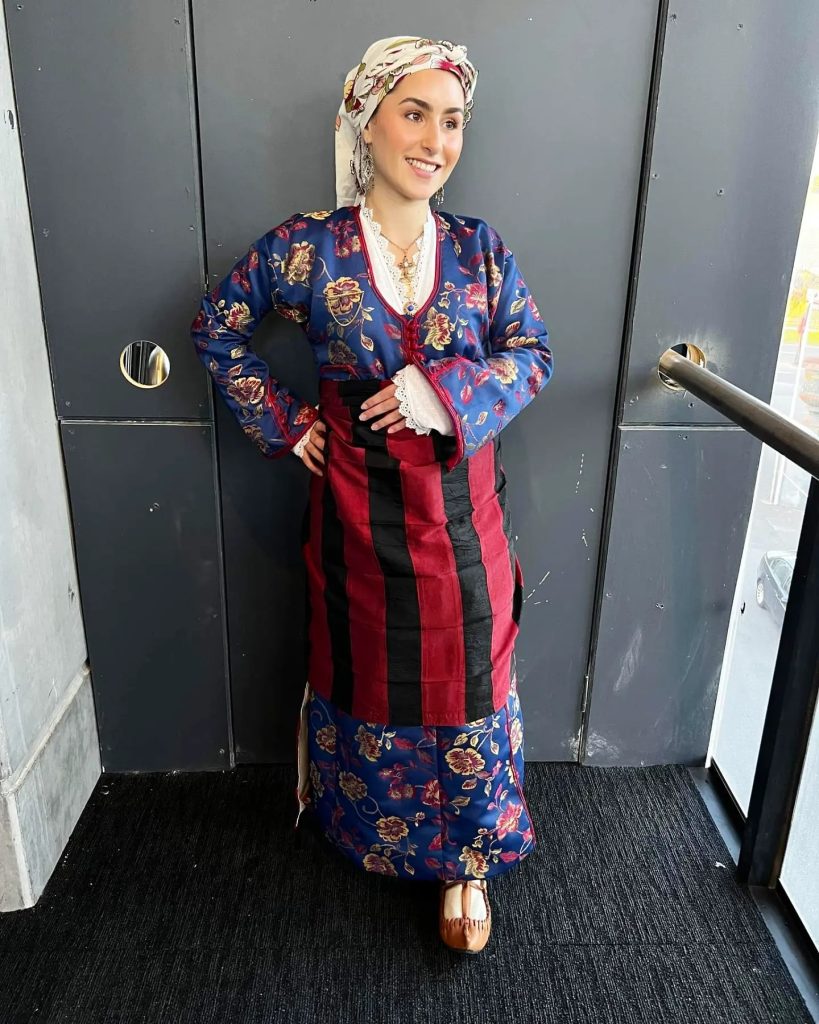
“This art could die out in one generation, just like our ancient dialect will.
“As a community, we are easily caught up in the representation of culture through only music and dance, and forget that without the attire, we lose valuable representation.
“Without those who make attire, where would we be as Pontians and Anatolians? Therefore, preservation of our culture starts from simply asking questions, sharing knowledge, and having a willingness to help one another and push boundaries to learn outside of what we know.
“This is our responsibility. It’s the only way we, as youth, can ensure the success of our community.”
Future goals:
Next month, Maria and her partner Mr Avgetidis, who is also of Pontian background, will take part in a ‘soul-searching’ adventure. The couple will travel to Pontos in modern day Turkey and Greece with plans to visit their ancestral villages and absorb more of the Pontian culture.
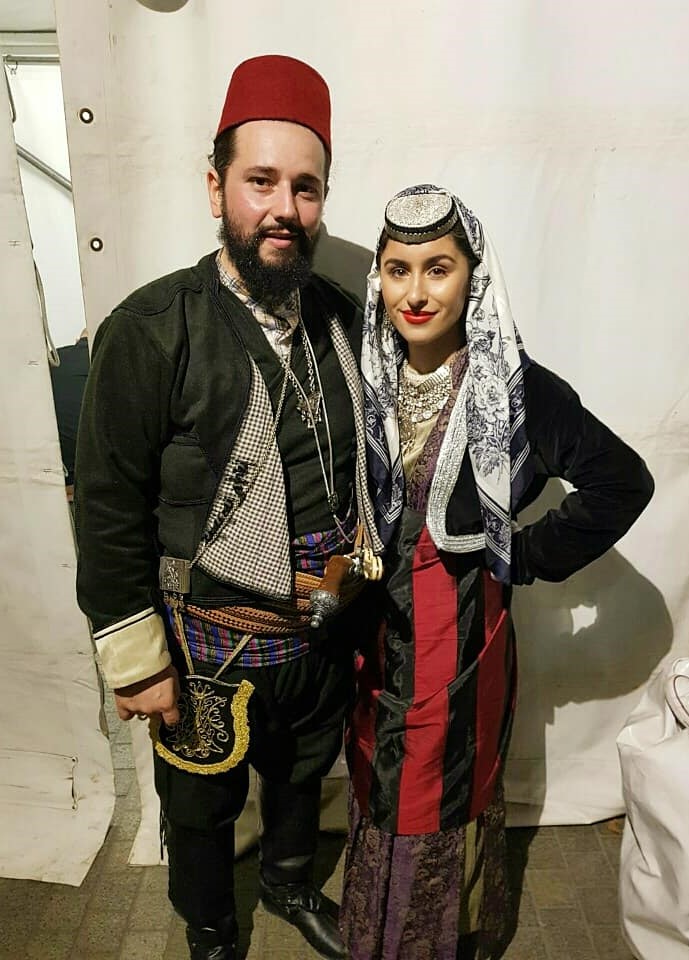
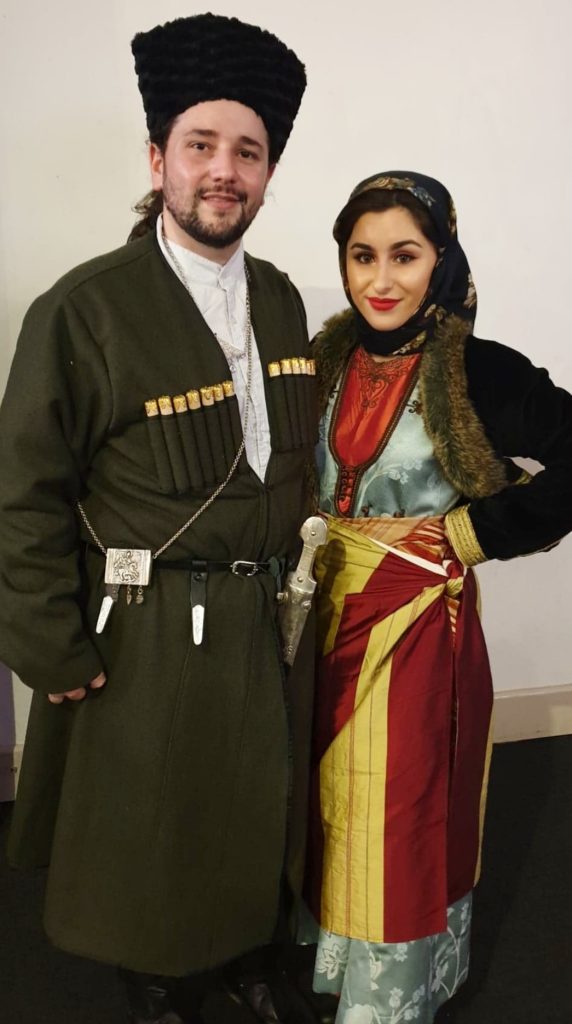
Maria also has plans to continue her sewing adventure, not only to finesse the art but to raise awareness among the next generation.
“I have stepped into a role of a novice seamstress and truly look forward to where this journey will take me in my future as I continue to learn, sew and preserve our culture through a needle and thread,” she says.
“I’m hoping with time, experience and practice, I can advance into a more professional role in the world of being a seamstress and a cultural educator around traditional attire of all kinds / region-based foresia.
“This is my future goal for the preservation of culture and to strengthen the youth.”
READ MORE: Synapantema 2023: A memorable gathering for Australia’s Pontians in Melbourne.

