Over 300 years ago, the Age of Enlightenment would birth ‘a mythology of technology,’ bringing the world into the Industrial Age and changing the course of civilisation into a machine and cement-heavy modern society.
Indigenous innovation and systems that integrate with nature would be ignored in favour of colonialism and modern infrastructure, pulling resources from the earth and dismantling “primitive” ways of living. Modern society, with its development, mining and high technology, would begin to view nature as a hindrance, destroying ecosystems and using the earth’s resources in rapid strides all in the name of progress.

Meanwhile, for the past millennia, people in remote villages and civilisations from all corners of the world have continued to nourish and cultivate nature-based technologies that are sustainable and work with mother earth, rather than against it. They utilise multigenerational ancient technologies, known as Traditional Ecological Knowledge (TEK), and pass this wisdom down to cultivate infrastructures that favour generations to come.
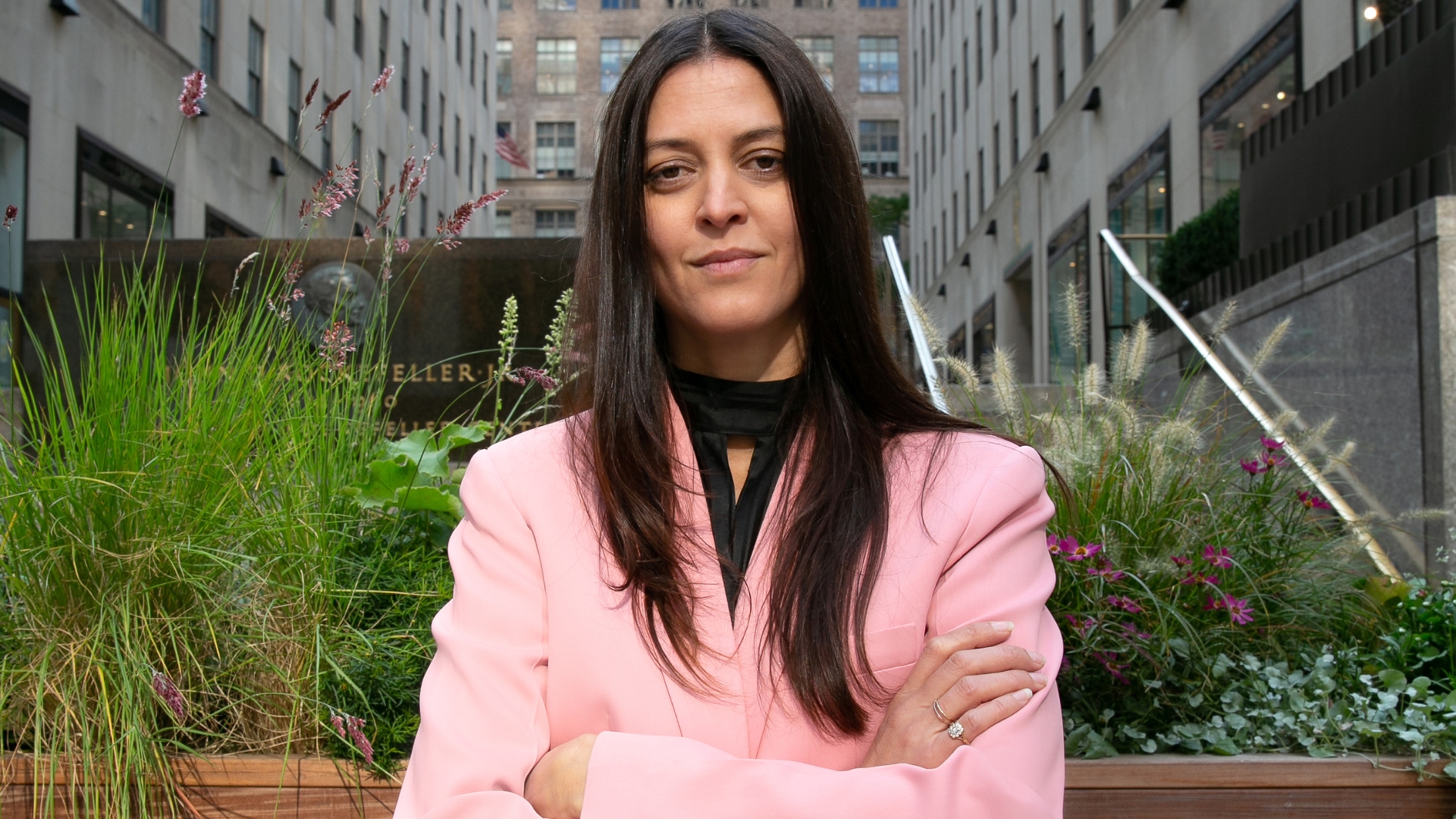
The Greek Herald spoke exclusively with Julia Watson, a leading expert in these Lo—TEK nature-based technologies, who advocates for ancient cultural practices and technologies to be part of modern design and architecture for sustainable living.
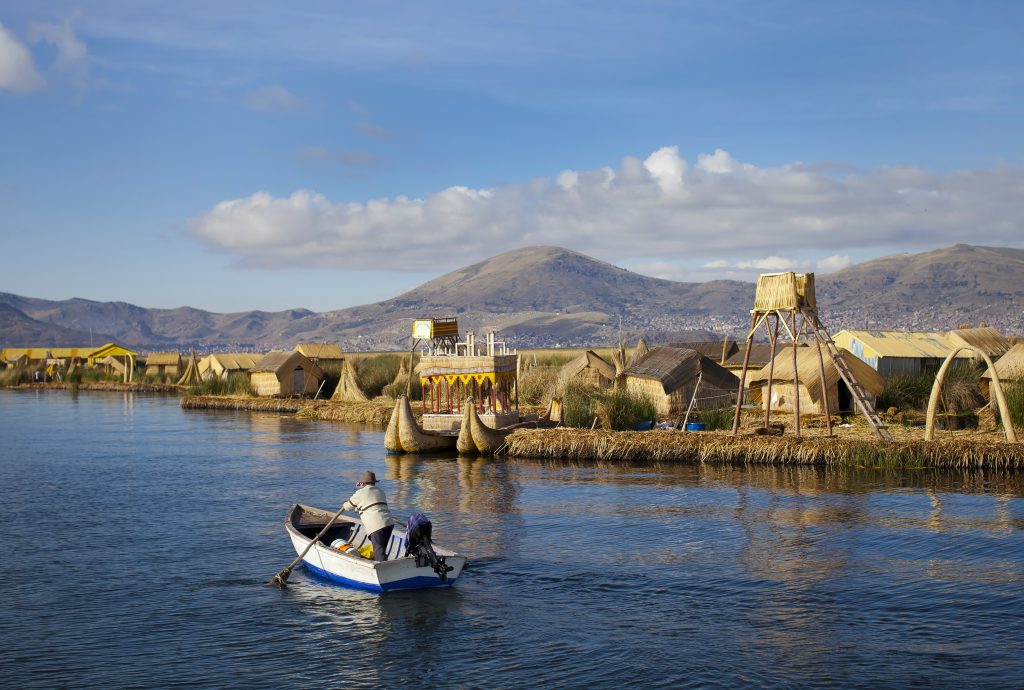
island system on Lake Titicaca in Peru inhabited by the Uros, who build their entire civilisation from the locally grown totora reed. Photo: Enrique Castro-Mendivil
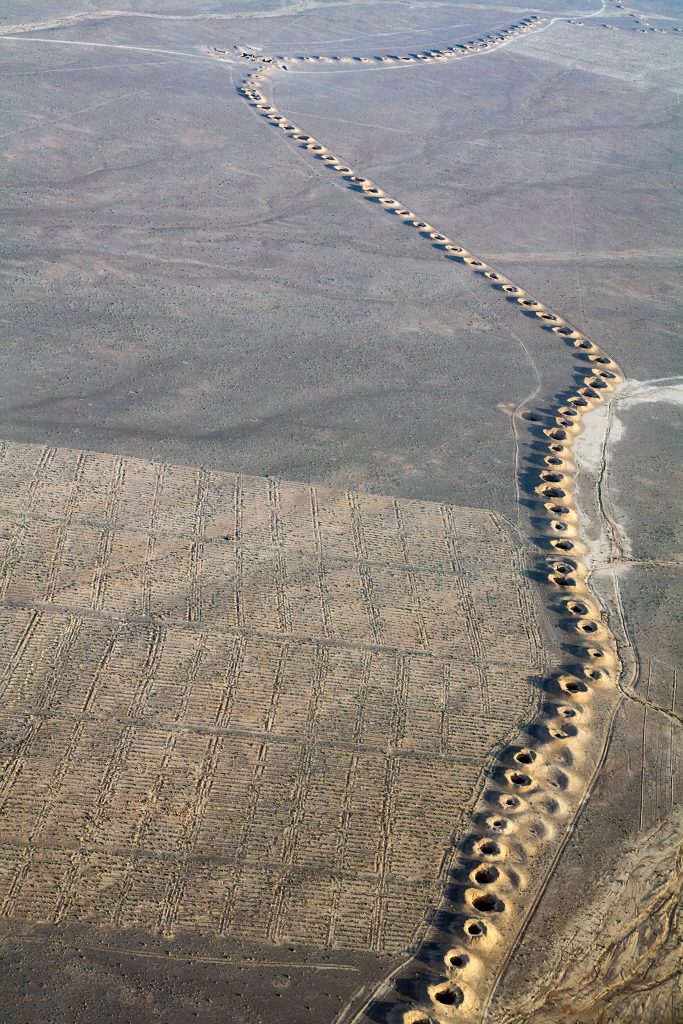
Photo: Alireza Teimoury

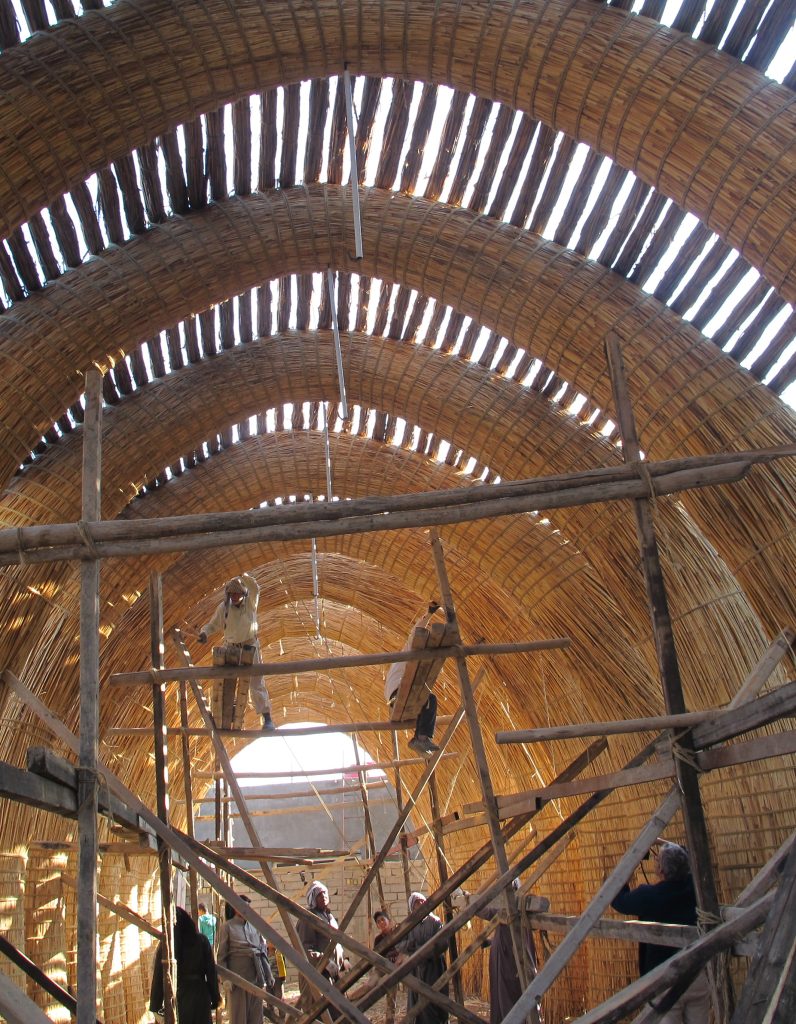
Photo: Jassim Alasadi
Julia’s research on TEK is covered in depth within her best-selling book, Lo-TEK Design by Radical Indigenism, published in 2019. The cumulative body of multigenerational knowledge focuses on sustainable, climate and resilient infrastructures and shows us the importance of no longer ignoring what modern society deems “primitive.”

Julia’s connection to her Greekness:
As a designer and Lo-TEK expert, Julia’s journey started long before authoring her book. For the past decade, she has lectured at Harvard, Columbia and other universities about nature-based technology, sustainable design and climate resilience. She has spoken for TED 2020, NIKE, Accenture, The Long Now, Time Sensitive and more.
We travel down memory lane as Julia contemplates her roots.
Julia was born to a Greek mum, who migrated with her family to Australia from Egypt in the 1950s, and an Australian father. Growing up in West End, a prevalent Greek, Vietnamese and Italian neighbourhood in Brisbane, Queensland, Julia emerged into a multicultural world from a young age and understood the feeling of being an ‘outsider.’
She’d often visit her grandmother’s house with her brothers where everyone would speak Greek. With family visiting from Cairo and Greece all the time, she grew up listening to the Greek language and her mum spoke fluently.
“We were Christian Greek Orthodox and that was the highlight as a kid – going to church and going to the Greek Club, and holding the candle behind the lady’s hair that’s full of hairspray,” Watson bursts out laughing, “We’re thinking, ‘is this going to go up in flames?’”
Julia also remembers the paniyiri she had growing up at the Greek church in Musgrave Park, Brisbane and being surrounded by an abundance of Greek food. Now living in New York in the United States, she still carries on her Greek traditions.
“I have a friend here in New York, who’s a Greek Jew, and with all my friends too, we always do a Greek Easter and cook heaps of food,” Julia proudly shares.


Mythology and Architecture:
As we delved into Julia’s past, there was a correlation between her Greek culture and a drive to seek out knowledge from ancient communities, with a respect and acknowledgment for age-old wisdoms in the architectural space.
Identifying with a very strong, rich and beautiful Greek Orthodox religion and culture all her life drew Julia to a specific space in her research that has a deep history and understanding of time and a relationship to mythology.
During her degree in architecture at the University of Queensland, Julia would discover an entirely new way to view design and planning as she delved into studying Aboriginal Environments with Professor Paul Memmott.
“As a kid we used to read all the mythologies and we understood that as part of our Greek culture, so there’s a sort of synonymise understanding of all the communities that I work with and research,” Julia explains.
“I also have a good understanding of the spiritual aspects and spiritual relationship with the way the celestial sphere works and not your typical western understanding of the world today.
“In the beginning of my studies, there was a lot about sacredness and space, it’s what I majored in.
“So, in my work now, I criticise the fact that a lot of westernised Architecture do talk about ancient culture, but we don’t focus on living culture as much, and I think that is a missed opportunity.”
Through Julia’s work, she questions the “obsession” of looking at the old and ancient, and somewhat “dead culture,” and advocates for the need to “support tradition and craft of the living and contemporary.”
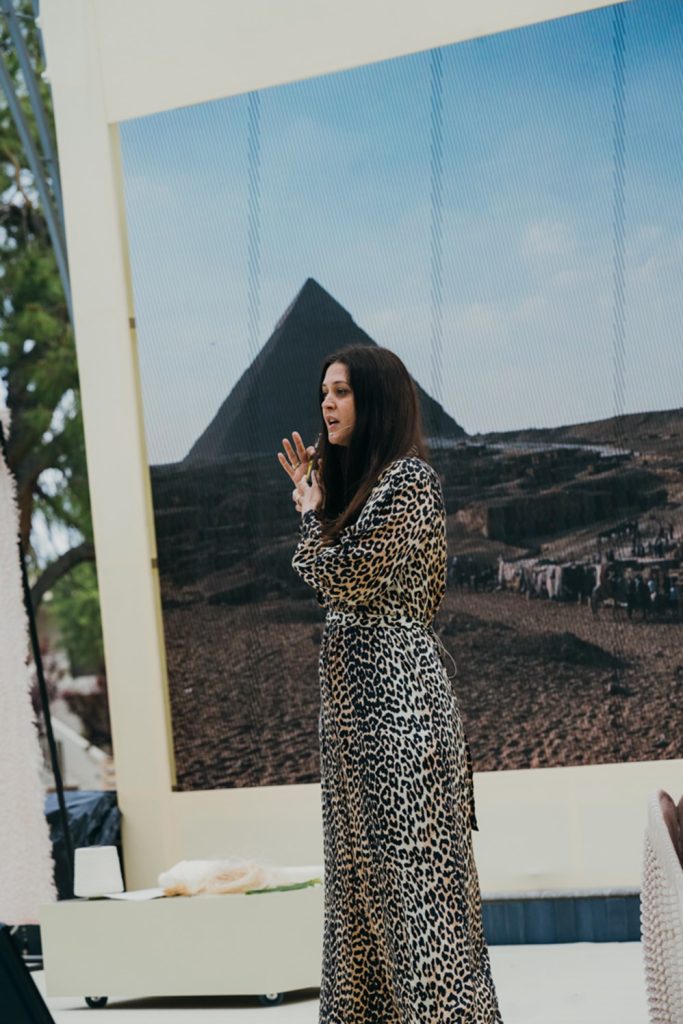
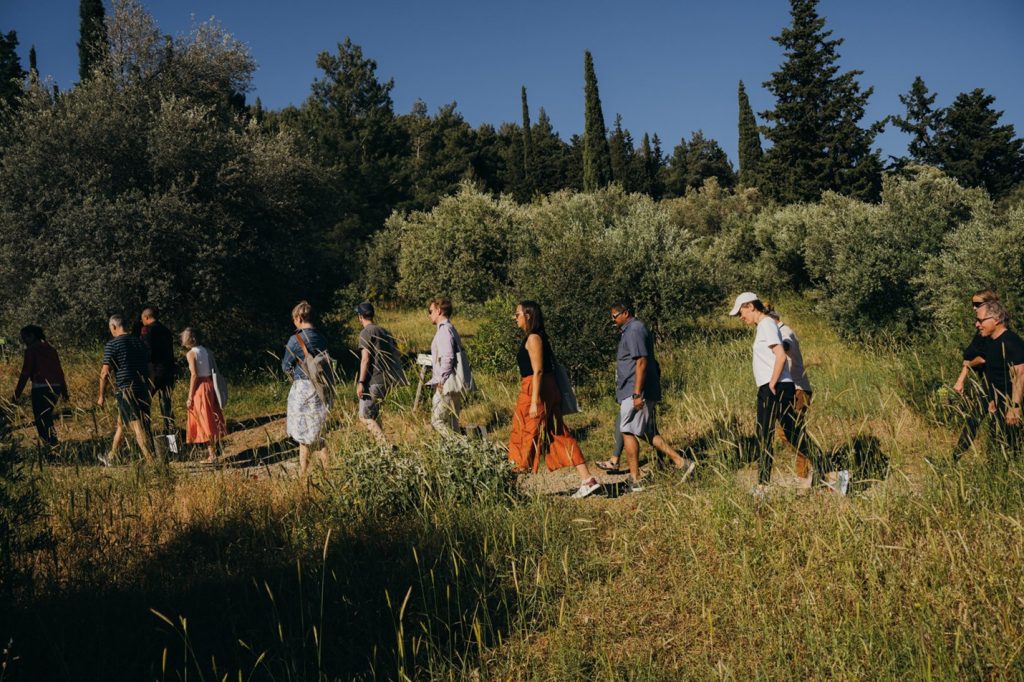
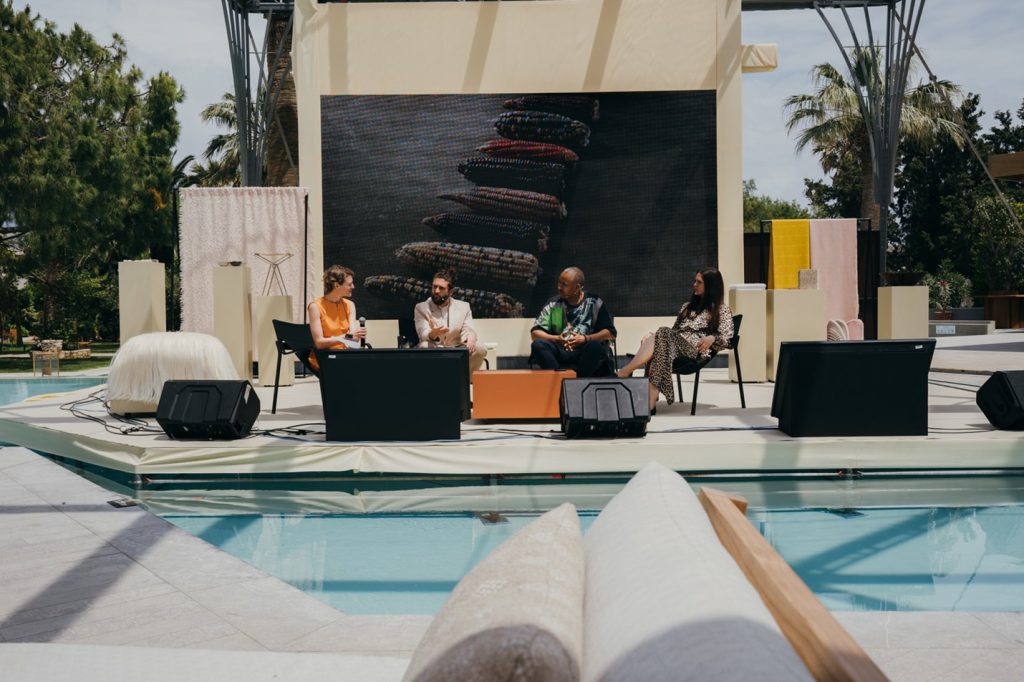
To do this, the 45-year-old travels and works with organisations in New York, bridging the voice between Indigenous communities and high-tech organisations developing hybrid technologies. In establishing these relationships, Julia was part of constructing The Smart Oath Of Understanding (SOOU) to protect TEK and ensure the technologies are used for the benefit of mankind.
We asked Julia what she is currently working on – and the list is long. From a new book that is soon to be released about water technologies, to developing a high school curriculum for students in Brooklyn, New York, her dedication and focus is highly admirable.
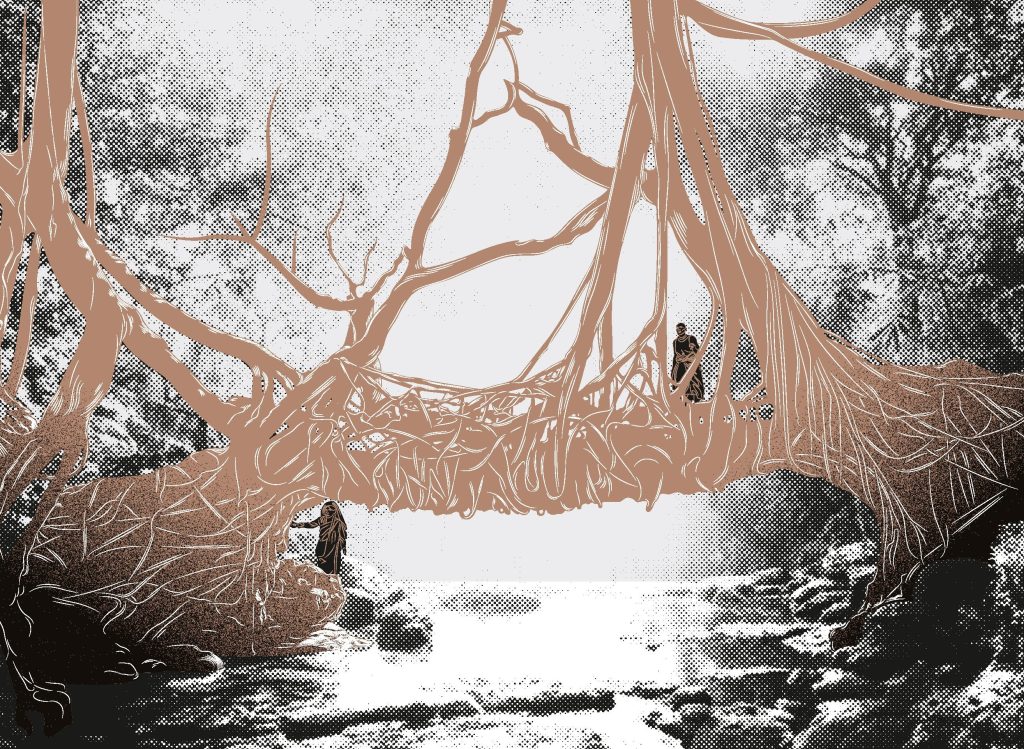
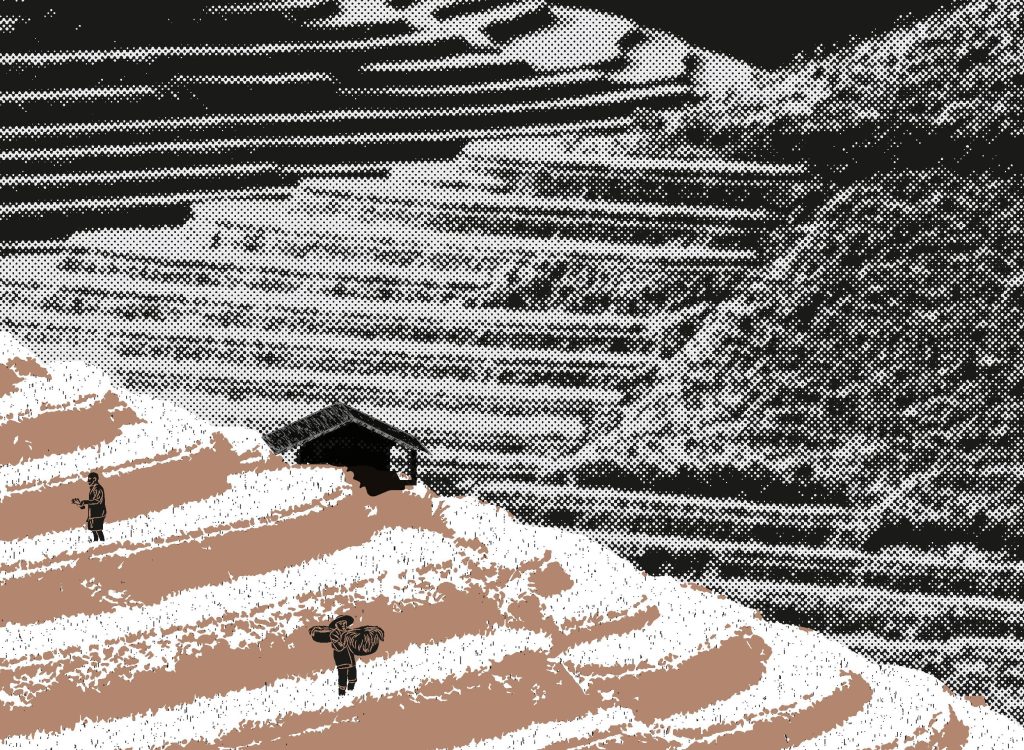
Julia’s research is an invitation to innovate with living practices and modern thinking, rather than one without the other. She believes moving to an alternative future is not just about engaging with a high technological idea of progress at the expense of everything else.
As the Greek proverb says, “A society grows great when old men plant trees whose shade they know they shall never sit in.”

