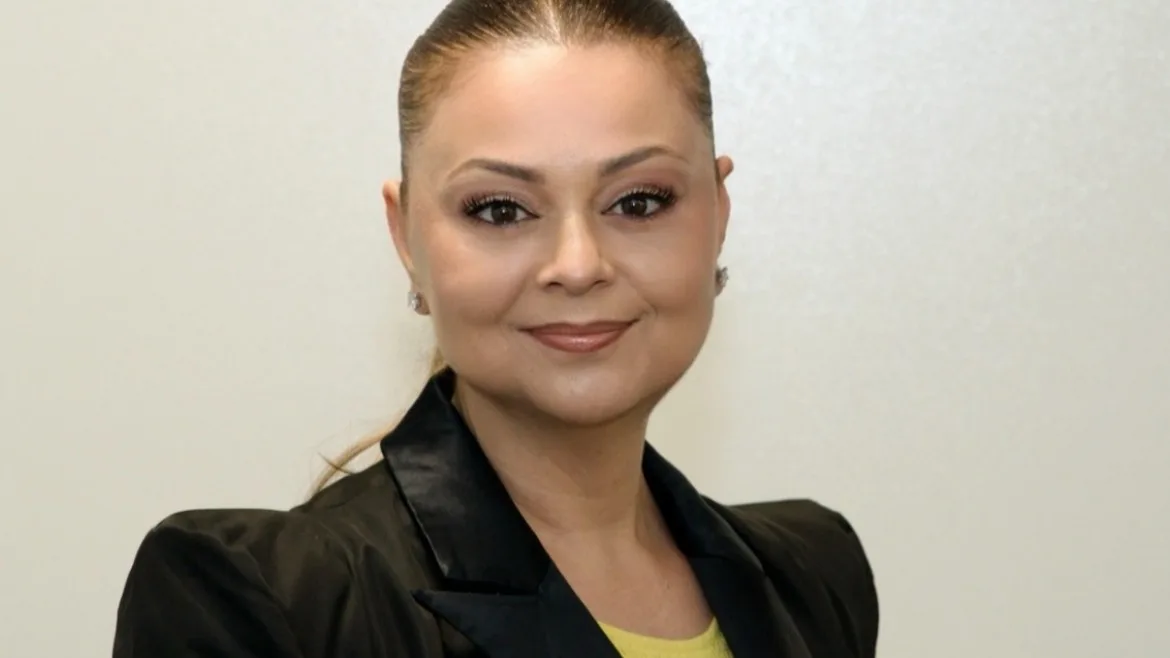
For more than two decades, Marina Kyriakou lived with a disease that was dismissed, misunderstood and too often ignored. Today, as The Greek Herald Woman of the Year 2026, she is no longer speaking only for herself — but for thousands of women across Australia whose pain has gone unheard for far too long.
Being named Woman of the Year, she says, is deeply meaningful — not as a personal milestone, but as a moment of recognition for an entire community.
“It represents a moment of visibility for every woman who has ever been dismissed, misdiagnosed, or left to navigate endometriosis in silence,” she said.
“This recognition is not just about my work; it is about the collective strength of a community that has fought for far too long to be heard.”
From silence to advocacy
Marina’s journey into advocacy did not begin with ambition — it began with realisation.
After years of debilitating symptoms, multiple surgeries and the devastating loss of her fertility, she came to understand that her experience was not unique.
“My advocacy began the moment I realised my story was not unique, it was common,” she said.
That realisation became a turning point. What she had endured was not an isolated case — it was a systemic issue affecting countless women.
“The turning point was recognising that silence was part of the problem,” she said.
Her voice, she realised, could not remain quiet.
“My personal experience became a responsibility, to use my voice so others wouldn’t lose theirs,” she said.
Building change through Fight Endo
Out of that responsibility came action.
Marina founded the Fight Endo Foundation to address what she saw as a clear and urgent gap — women were suffering, but awareness, support and early intervention were not keeping pace.
“The Fight Endo Foundation was born out of a clear and urgent gap: women were suffering, but support, education, and early intervention were not keeping pace with the reality of this disease,” she said.
At its core, the organisation centres lived experience — ensuring that women’s voices are not just heard, but drive change.
“We set out to address the lack of awareness, the lack of clinical understanding, and the lack of coordinated support for patients navigating diagnosis, treatment, and the emotional toll of chronic illness,” Marina said.
“The Foundation exists because women deserve better, and because change will not happen unless we demand it.”
Challenging a system that dismissed women
Despite growing awareness, Marina says some of the most harmful misconceptions about endometriosis still persist.
Endometriosis is a chronic inflammatory condition in which tissue similar to the lining of the uterus grows outside it, often causing severe pain, organ damage and, in some cases, infertility.
“The most damaging is the belief that severe period pain is ‘normal’ or something women should simply endure,” she said.
“Endometriosis is not just a painful period, it is a chronic, inflammatory disease that can cause infertility, organ damage, and lifelong trauma.
“Another misunderstanding is the assumption that symptoms are exaggerated or psychological.”
The consequences of this are profound: delayed diagnoses, inadequate treatment and years of unnecessary suffering.
“We need a medical system that recognises endometriosis as a serious condition requiring early intervention, multidisciplinary care, and genuine empathy,” she said.
Heritage, resilience and breaking the silence
Marina’s determination is also shaped by her Greek Australian heritage — a background that instilled strength, but also exposed the cultural silence surrounding women’s health.
“Growing up in a Greek Australian household taught me the values of strength, community, and perseverance,” she said.
“In many migrant families, conversations about women’s health, especially gynaecological pain, were often private or unspoken. That silence shaped me, but it also fuelled my determination to break the cycle for future generations.
“My heritage instilled in me a deep sense of responsibility: to honour the women who came before me by ensuring the women who come after us are heard, believed, and supported.
“Being a proud Greek Australian woman is central to my advocacy; it reminds me who I am fighting for.”
Progress — and the work still to be done
There have been signs of progress. Marina acknowledges growing awareness, increased research investment and the inclusion of lived experience in national conversations as important steps forward.
“There has been meaningful progress in awareness, research investment, and national conversations about women’s health,” she said.
“Government roundtables and advisory groups have begun to include lived experience, which is essential for shaping effective policy.”
However, she is clear that significant gaps remain.
“Diagnosis times are still far too long, Medicare rebates do not reflect the true cost of managing chronic reproductive health conditions, and workplace protections for women with endometriosis are inconsistent,” she said.
“Policy must move beyond awareness and into action, legislation, funding, and structural reform that materially improves women’s lives.”
A vision for the future
Looking ahead, Marina is focused on what meaningful change should look like.
“I want to see a healthcare system where early diagnosis is the norm, not the exception,” she said.
“This means mandatory education for health professionals, clear diagnostic pathways, and accessible specialist care.
“In workplaces, we need policies that recognise endometriosis as a legitimate medical condition, flexible work options, leave provisions, and supportive environments that do not penalise women for their health.”
Most importantly, she is calling for a cultural shift.
“Women’s pain must be believed the first time they speak, not after years of suffering,” she said.
Using her platform for change
As The Greek Herald Woman of the Year 2026, Marina sees the recognition not as an endpoint, but as an opportunity.
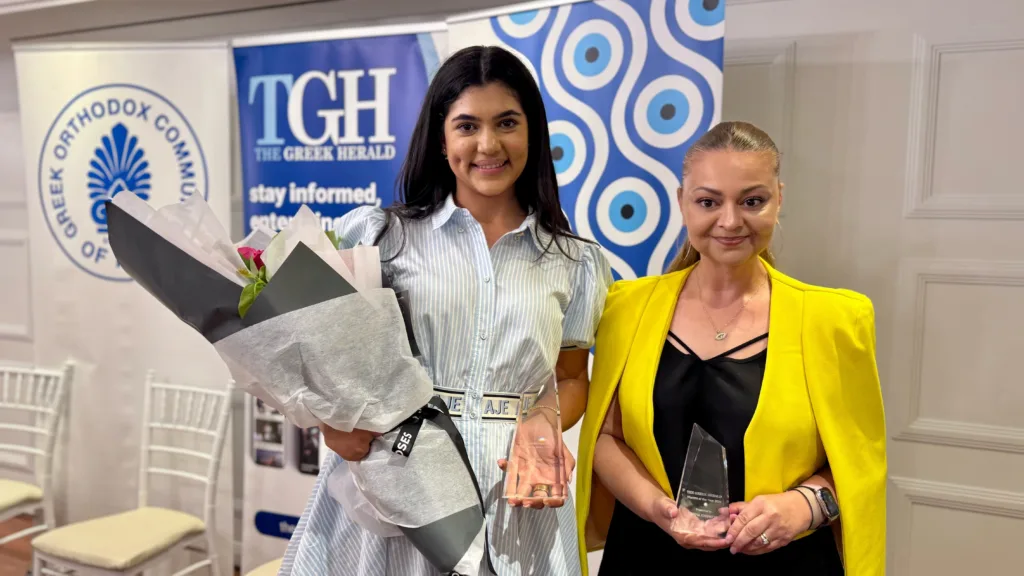
“This platform allows me to amplify the voices of women who have been overlooked for far too long,” she said.
“I will continue advocating at a national level, contributing to government roundtables, and pushing for legislative reform that prioritises early diagnosis, equitable access to care, and comprehensive support for women living with endometriosis and adenomyosis.
“I will use this recognition to elevate community stories, strengthen partnerships, and ensure that women’s health remains a national priority, not a footnote.”
‘You are not alone’
At the heart of Marina’s work is a message she wants every woman to hear.
“I want every woman living with endometriosis or adenomyosis to know this: you are not alone, and your pain is not something you have to carry in silence,” she said.
“We are building a future where your symptoms are taken seriously, your diagnosis is not delayed, and your wellbeing is valued.
“This movement belongs to all of us, and together, we will create the change that generations before us were denied.”
For Marina, advocacy is not just about awareness — it is about transformation. And through her voice, a new generation of women is finally being heard.
