By Eleni Patsalides.
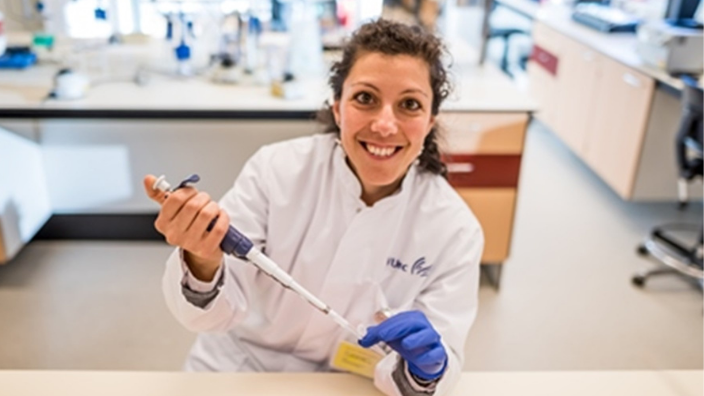
Dr Maria Themeli is a researcher at the Amsterdam Cancer Centre and is a frontrunner in the development of cancer immunotherapy. She has made vital contributions to the treatment of blood cancer with the patented production of CAR-T cells which feature an anticancer activity.
Born and raised in Patras, Dr Themeli studied at the Medical School of the University of Patras. Graduating at the top of her class in 2006, she completed her doctorate at the same university before moving to Memorial Sloan Kettering Cancer Centre in New York City in 2014 for her postdoctoral work.
In 2015, Dr Themeli joined the VUmc Cancer Centre and was awarded the Marie Curie Scholarship from the European Union. In two short years, she was named “Woman of the Year” in the Netherlands.
“I believe that very soon we will have improved results for the treatment”
Dr Themeli is considered an advocate for democratising access to effective cancer treatments.
In an interview with local media, Dr Themeli expressed how access to cancer treatments is not always easy “because cancer is an extremely variable disease,” but she believes a solution is possible.
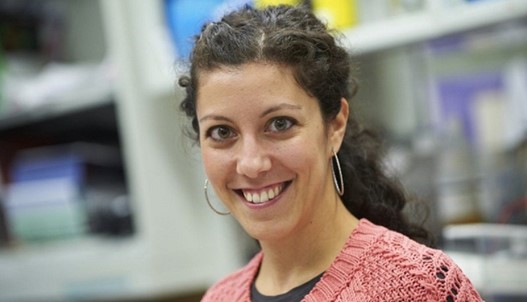
“Our group, along with scientists from all over the world, is trying to find solutions to these problems, and I believe that very soon we will have improved results for the treatment with CAR-T and on other types of cancer,” she said.
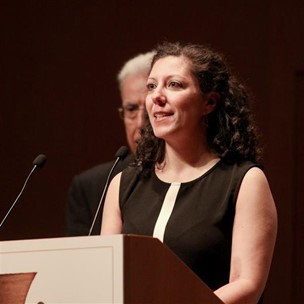
Dr Themeli has spoken openly about how she believes everyone should have access, regardless of their financial standing, as healthcare should not be reserved for the wealthy.
When speaking about the vast discrepancy in access to treatments, Dr Themeli told The Greek Observer that ”there are difficulties because pharmaceutical companies interested in the production of CAR-T cells have given very high production cost, approximately 350,000 euros, when the production at academic level does not exceed 50,000 euros.”
“Providing an answer to even one question is the driving force”
Dr Themeli told Impactalk that she attributes her success to the support she received from her family during her career and that “it is important for the family to recognise the value of the search for knowledge and to strengthen this process.”
Whilst the journey for answers is long, Dr Themeli has said that “it is important to celebrate our goals.”
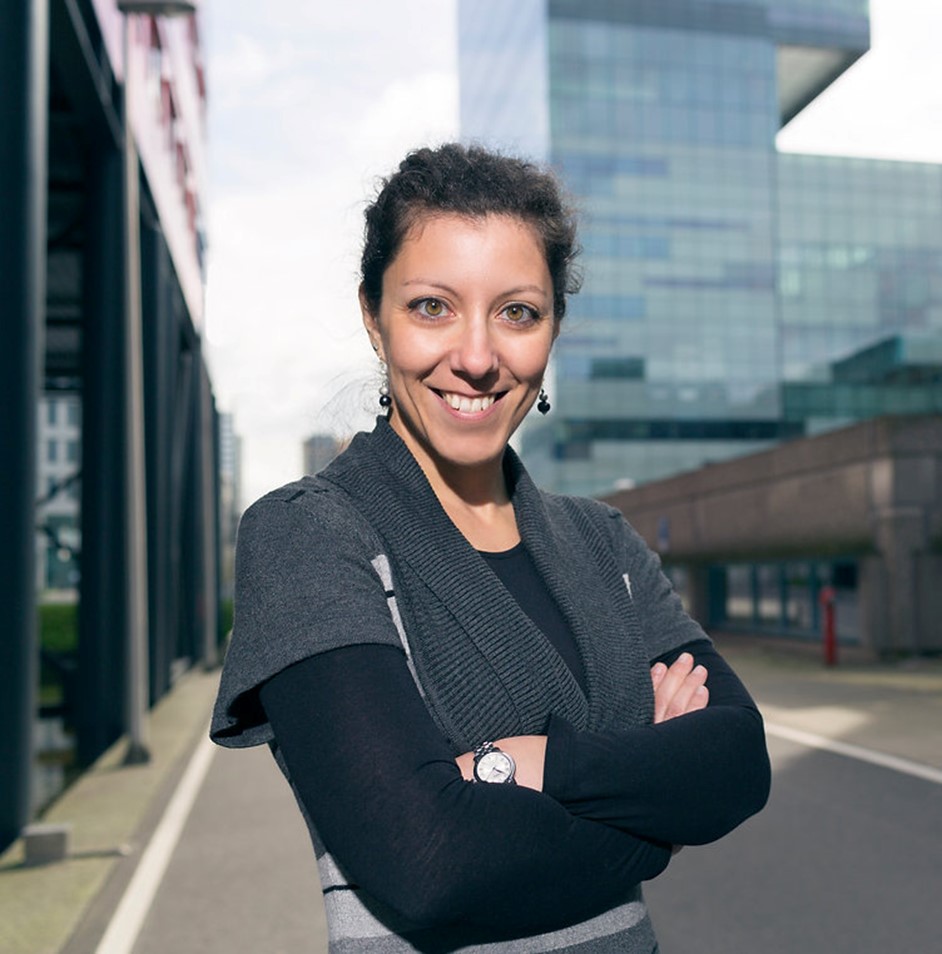
“Research consists of 90% failure and frustration and only 10% of moments of success. Providing an answer to even one question is the driving force,” she said.

