By Ilias Karagiannis
Australian immunologist Dr John Dwyer OA, a onetime head of immunology at Yale University and a leader of Australia’s original response to the AIDS crisis, possesses years of knowledge regarding Australia’s handling of disease outbreaks.
In an exclusive interview with the Greek Herald, Dr Dwyer gives his advice on the best way governments can handle this outbreak, reveals how this virus became a global epidemic and why people should be maintaining extreme caution with this disease.
First of all, I would like to have your general comment regarding the situation with Coronavirus as an epidemiologist?
Ilias, I am an immunologist with experience in Epidemiology. I think it is obvious to everyone now that we have a disastrous pandemic of the type not seen since the Influenza pandemic in 1918. 200,00 people infected, 6000 deaths. It does appear that harm reduction techniques, especially enforcement of “social distancing”, has resulted in control of the epidemic in China and South Korea. Australia’s epidemic is in its infancy and we will have thousands more infected in the months to come ( 110 new cases just yesterday).

Do you think that the virus could still be contained at this point or the governments around the world should take other measures?
Containment is no longer possible (that is, the eradication of the virus from the planet), that will only happen when we have a vaccine. Drastic and sustained harm reduction tactics can save many lives, but the battle will be a long one.
Something that is very confusing is the different measures that countries are taking around the world. For example Great Britain and Holland want to achieve heard immunity in the population. So people are going to concerts, marathons etc Spain, Italy have decided to announce a lockdown. Most of the countries are choosing the approach of social distancing. In your point of view what is the most efficient approach?
Reliance on the principle of “herd immunity” is dangerous and unethical. I am appalled that this is the official policy in Holland. There is not enough emphasis on the fact that young people can have very severe consequences from infection including lifelong lung damage. All the emphasis has been on protecting the over 65 population but letting the virus “have its way” would swamp our health systems and cause much suffering and even more economic damage. Also, we immunologists have yet to determine if infection and recovery is associated with long term immunity. With other Corona viruses, immunity is a short lived affair.
Do you have an explanation about what happened in Italy? For the average people like me it seems like a dystopic sci fi thriller what is happening there every day?
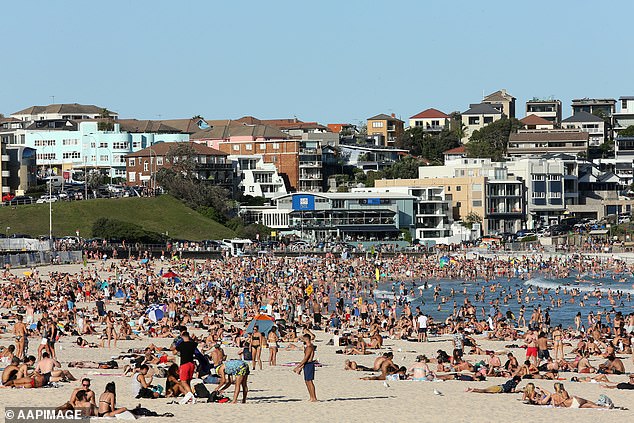
Italy is paying the penalty for being slow to respond. The population were not given warnings in sufficient time. It’s likely that the cultural features of Italian life, which you might describe as social non-distancing, contributed. Remember every infected person, on average, infects three others so exponential growth is inevitable once the community has person to person spread among people who have not been infected outside of the country.
What will be your number one advice at this point at the Prime Minister of Australia, Scott Morrison? Does it make any sense to close all the schools?
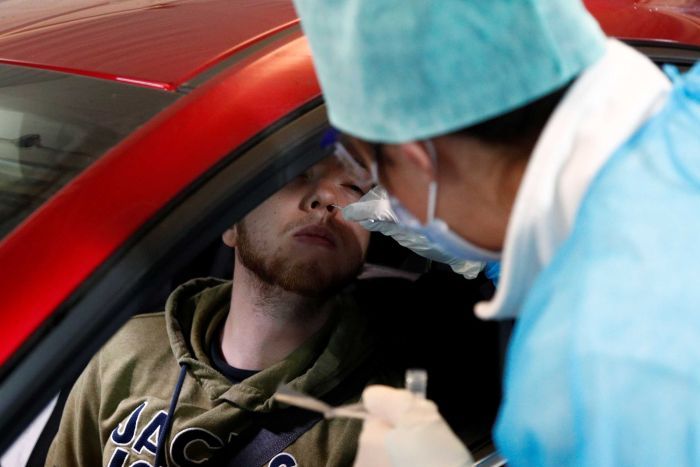
Number one advice is the same as the number one advice from WHO. Test Test Test. We know we are not doing enough tests to find infected and infectious Australians who may only have a mild illness. In the meantime, social distancing is our major weapon but so hard to implement. I am developing an opinion piece which explains all this in greater detail. It also explains why closing schools would make things worse, not better.
Are you optimistic about the situation? Any prediction on when it will end this nightmare and Will the coronavirus be among us for a long time?
Certainly no chance of satisfactory control for the next six months. The rate of new infections should be falling rapidly by the end of the year. A vaccine available by mid 2021 (quite realistic – I am optimistic about vaccine development) will be the major factor putting the brakes on this pandemic. Then, COVID-19 will be like Influenza, raising its head each winter but controlled by vaccination.
