By Ilektra Takuridu
Mother’s Day is a holiday that honours the mothers of the community, it reminds everyone of the sacrifice and love mothers give to their children, and is a day to celebrate a mothers’ presence in society. It is observed on different days around the world, most notably in the months of March and May. In Australia and Greece, mothers day is celebrated on the 9th of May. Every year, a special day is set aside to show mothers how much they are loved and respected. It’s a day for people all over the world to remember and honour the special women in their lives. But what do we know about the history and roots of Mother’s day? How it can be traced back to ancient Greece?
The modern-day mothers day was established in the United States of America. Ann Reeves Jarvis of West Virginia helped establish “Mothers’ Day Work Clubs” in the years leading up to the Civil War to teach local women how to better care for their children. These clubs went on to become a unifying power in a part of the world that was already separated by the Civil War. Jarvis founded “Mothers’ Friendship Day” in 1868 when mothers met with retired Union and Confederate soldiers to encourage peace.
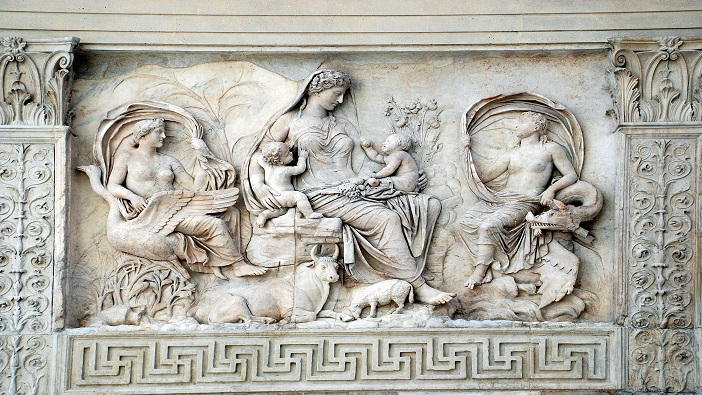
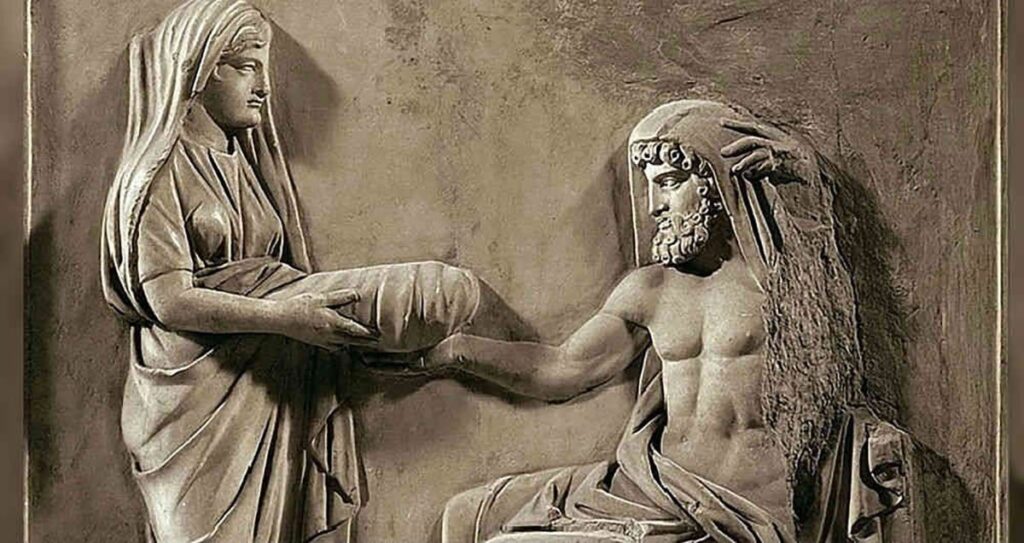
The celebration of mothers and motherhood can be traced back to the Ancient Greeks and Romans, who arranged festivals in honour of the mother goddesses Rhea and Cybele.
The first references to Mother’s Day and motherhood come from ancient Greece. According to Greek mythology, the Mother Earth (Gaia) wife of Uranus is the personification of nature, who gives birth to the whole world and is worshipped as the supreme Goddess. The adoration and admiration that is shown to Gaia is then passed on to her daughter, Rhea, Saturn’s wife and sister. Rhea is worshipped as the “Mother of the Gods”, as she seems to be the first to give birth and raise her children with breast milk. The ancient Greeks worshipped Rhea every spring, as she was also the Goddess of the earth and fertility. As well as in mythology, secular life in ancient Greece also shares the theme of worshipping motherhood.
Archeological findings shows how important was the role of motherhood, fertility and the female body. From the first Greek civilisation findings we can see female figures with big hips and breasts that emphasise the fertility attributes of a women’s body.
Despite it is not a public holiday, it is usually scheduled on a Sunday so that it may be celebrated with the whole family. Each country and culture celebrates differently, as does every family, but the most common gift of appreciation given on this day are flowers. The amount of gifts has increased over the years, and Mothers day has been criticised as being a materialistic holiday designed for people to spend.
Despite some negativity and debate about the intent of the day, there is no dispute that mothers should be honoured. All mothers deserve to be spoilt, appreciated and loved, not just for one day of the year but for every day.

