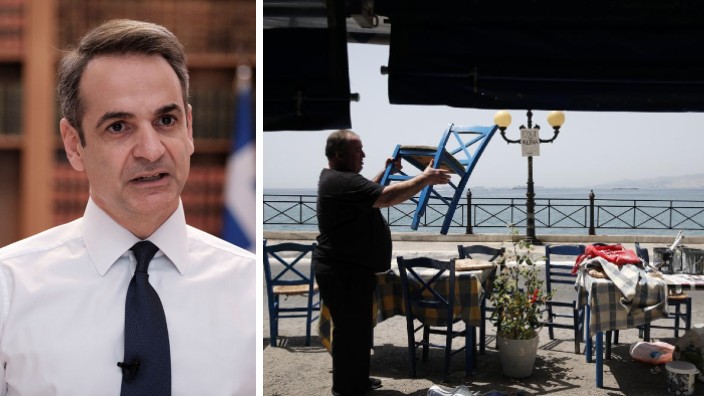
Greece should be able to open up for tourists from May 15, Prime Minister Kyriakos Mitsotakis confirmed on Wednesday, saying the coronavirus pandemic was showing signs of stabilising helped by the rollout of vaccines.
“The vaccines, the self-tests and the better weather make us confident that this unprecedented adventure is ending,” Mitsotakis said in a special television address.
The government had previously announced it hoped to allow tourism, a sector accounting for a fifth of total economic output in Greece, to resume from mid-May but a surge in infections had caused increasing concern.
READ MORE: Sydney-born virologist becomes Greece’s coronavirus ‘hero’.
Mitsotakis said case rates were still high and people should not travel over the Orthodox Easter weekend, beginning on April 30, when Greeks traditionally visit their home regions for family gatherings.
“I have said that our aim is for a safe Easter and a free summer. But one cannot undermine the other,” he said.
“That’s why we should not travel at Easter. Athens and other cities still have many COVID cases. Mass movement carries the risk of spreading the virus everywhere.”
Greece emerged from the first wave of the pandemic in better shape than many richer European countries but it has suffered heavily in recent months, with a rapid increase in infections putting a strain on hospitals in Athens and other regions like the northern city of Thessaloniki.
READ MORE: Greece says coronavirus to drive economy into recession.
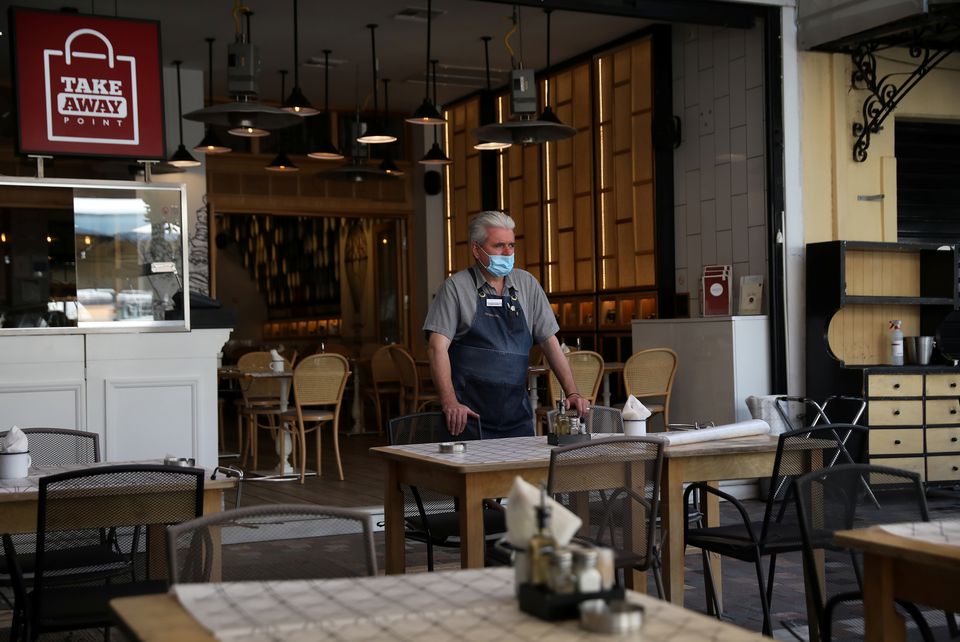
Mitsotakis said the roadmap was dependent on there not being another surge in infections but restaurants should be able to open from May 3 and schools on May 10.
The government began a massive distribution of free home testing kits this month to reopen senior high schools and some services as it is keen to get the situation sufficiently under control before the start of the tourist season on May 15.
Health authorities on Wednesday reported 3,015 daily cases of COVID-19 and 86 deaths. Total cases and deaths have reached 323,644 and 9,713 respectively.
READ MORE: Coronavirus cases in Greece hit quadruple digits as third wave fears grow.
Source: Reuters.
