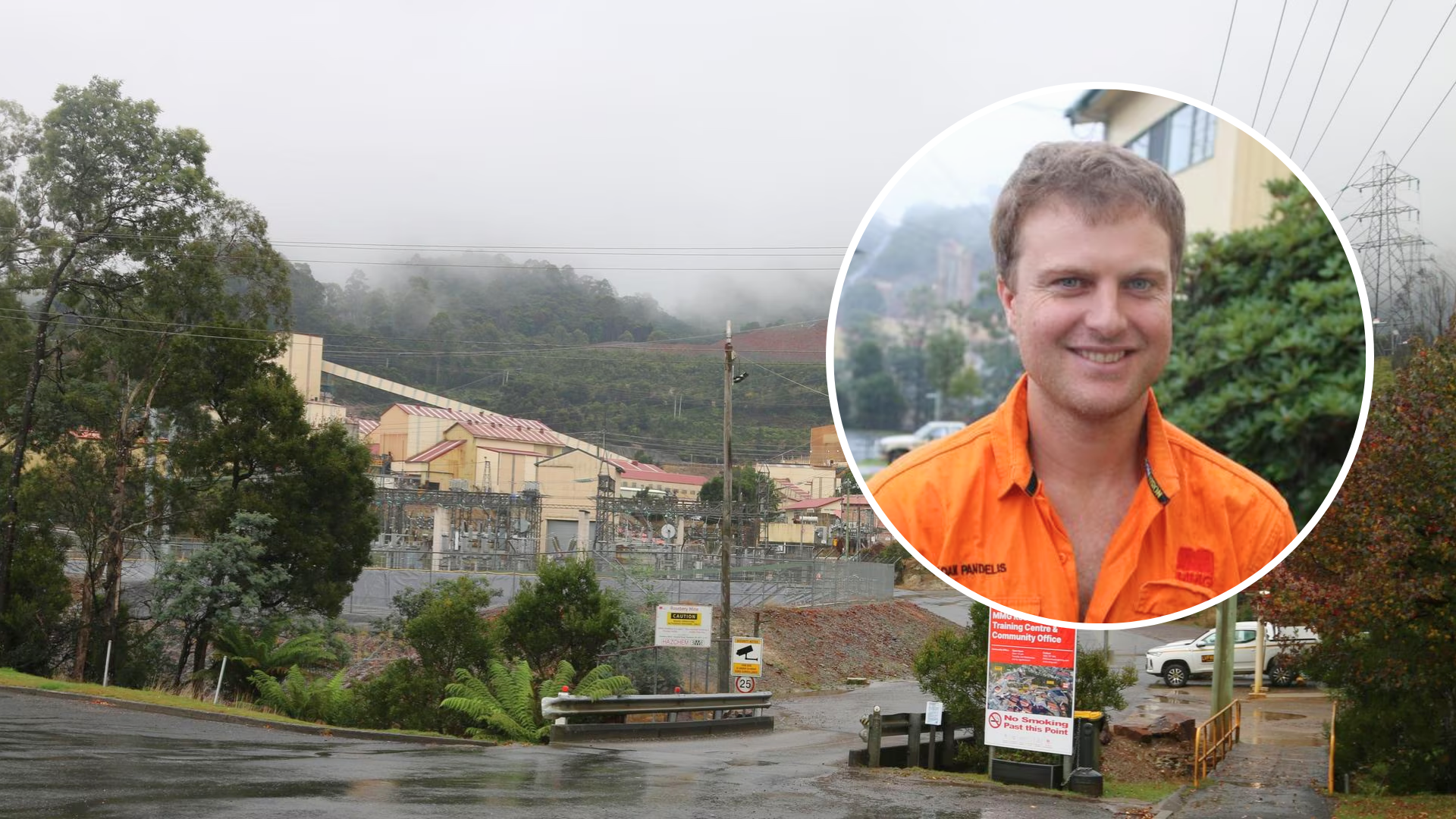
MMG Rosebery’s proposed waste strategy has gained support from the Bob Brown Foundation, with environment and community manager Adam Pandelis saying the company has been working through complex approvals and long-term planning.
“The only way you really learn is to go through them [the processes],” Pandelis said, outlining new tailings options for the mine in Tasmania.
The site was flagged as “tailings strained” in 2020, meaning its existing storage at Bobadil would eventually reach capacity. Tailings are the waste left after minerals are extracted from ore.
MMG had previously examined several options, including the South Marianoak site (first considered in 2014) and Natone Creek, but the latter was ruled out after expert risk reviews.
Pandelis noted concerns about ground stability: “There were some areas where we were drilling up to 55 metres, and not finding rock.”
The company says its current infrastructure, including upgrades to Bobadil and the 2/5 dam, will manage about 900,000 tonnes of tailings a year until 2030, while it assesses two new proposals: a conventional dam at Exe Creek and a “filtered stack” above Bobadil.
Pandelis said the filtered stack would be a nation-first in a wet, high rainfall climate.
The Bob Brown Foundation has supported the change, describing filtered stacking as “twenty-first century practices that will remove the need to flood rainforests with acid producing sulphide tailings.”
The organisation has urged Federal Environment Minister Murray Watt to prioritise the assessment of the filtered stack option over other proposals.
MMG Rosebery is marking 90 years of operations this year and has recently begun new exploration work for the first time in more than three decades.
Source: The Mercury
