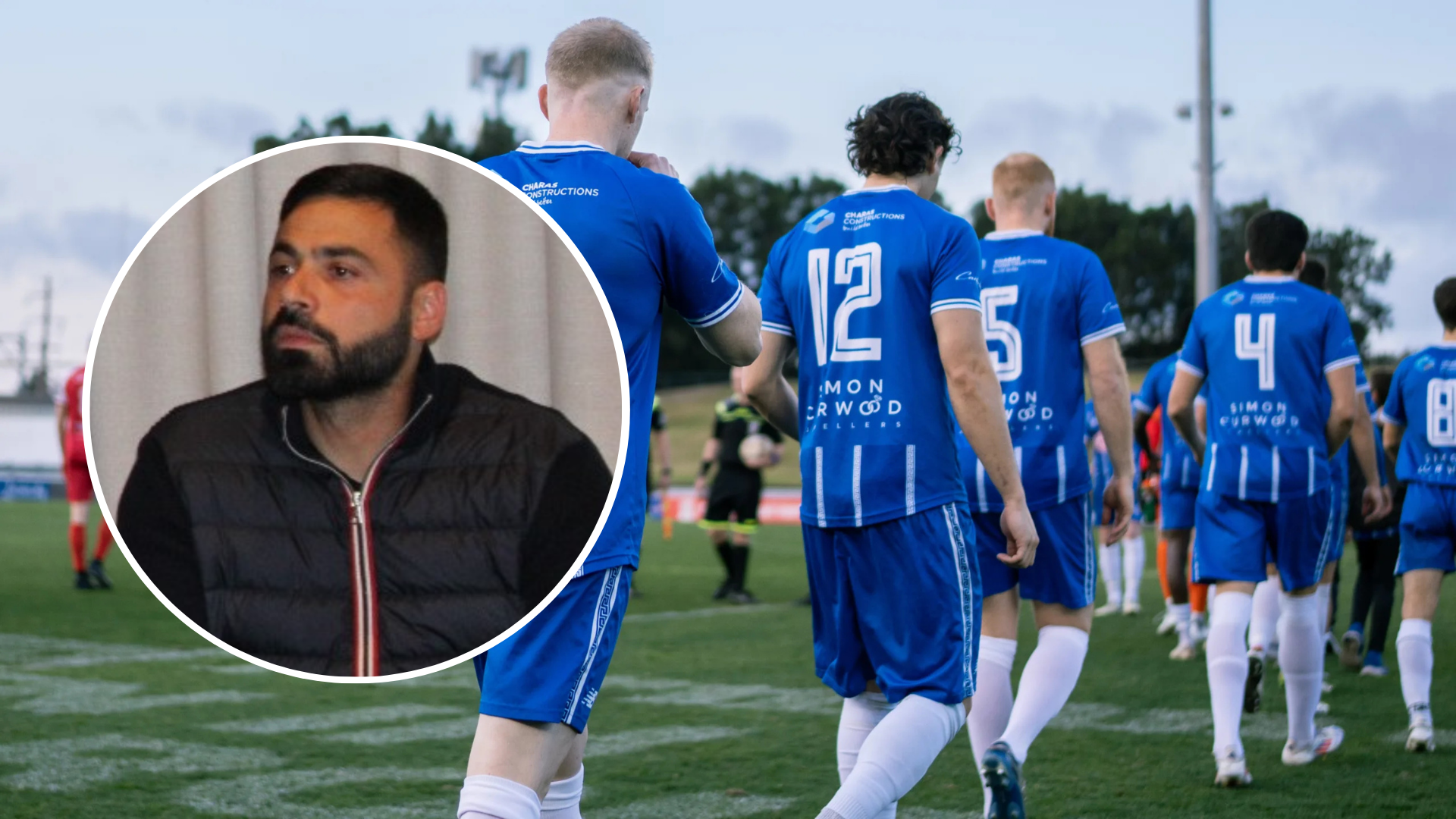
Discussion around governance, constitutional arrangements and member engagement at Sydney Olympic Football Club has continued following a series of member meetings, correspondence with the club’s board and enquiries made to relevant football authorities.
Several members and supporters have recently raised questions regarding the club’s governance framework and the constitutional amendments adopted at the club’s Annual General Meeting (AGM) in November 2023. Those members say they are seeking greater clarity on how the amendments operate in practice and how they affect the role of ordinary members in club decision-making.
At the club’s AGM held on 29 November 2023, members voted on a special resolution to adopt amendments to the club’s constitution, with the meeting minutes recording that the resolution was carried.
The meeting was chaired by former president Damon Hanlin and attended by directors including Matthew Phelps and Lawrie McKinna.
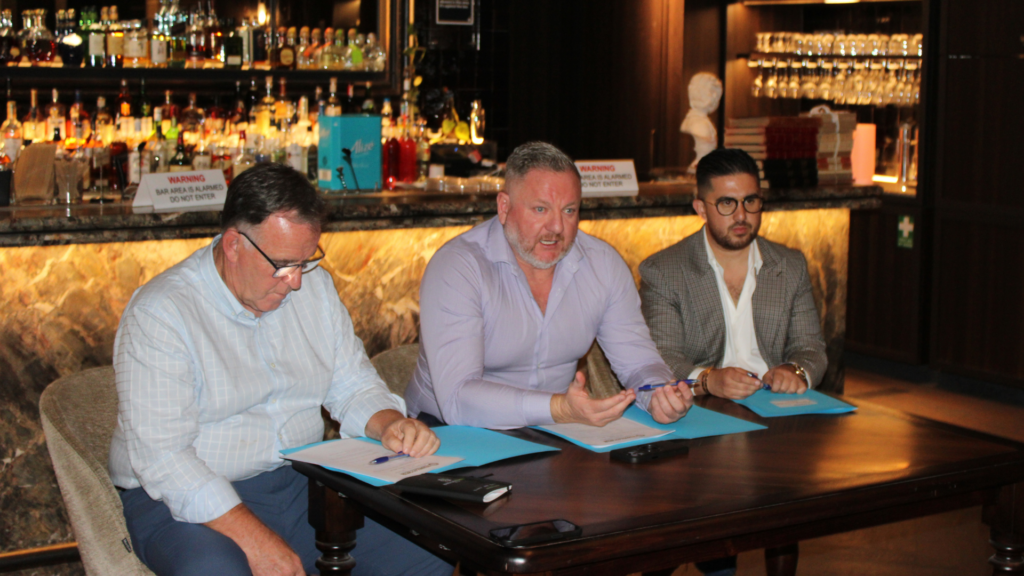
The proposed changes were outlined in the AGM notice circulated to members prior to the meeting and were explained during the AGM by the club’s legal adviser David Greenberg of Vincent Young.
Among the changes introduced were new membership categories, including Sponsor Members and Benefactor Members, which were presented as a mechanism to recognise significant financial contributions to the club.
Benefactor members were described during the meeting as individuals contributing more than $200,000 annually to support the club. Under the constitutional provisions, benefactor members may receive board representation and certain additional governance rights in recognition of that financial support.
The Greek Herald understands that Hanlin is currently the only individual recognised by the club as a Benefactor Member under the amended constitution.
While the amendments were approved at the AGM, some members have since raised questions about the implications of certain provisions and how they may affect future member voting processes. Others have sought clarification regarding procedural matters relating to the meeting itself, including the attendance record used to establish quorum.
Supporters involved in recent member discussions say their aim is to better understand the governance framework of the club and ensure members remain informed about decisions affecting the organisation’s future.
The club, through its legal representatives Vincent Young, has responded to correspondence from members regarding the governance matters raised. The response maintains that the constitutional amendments were properly presented to members and adopted through the formal AGM voting process.
Steering committee spokesperson Peter Katholos, who has previously been involved with the club as a player, director and sponsor, said the discussions among members reflected a strong interest in the club’s future.
“As a former player, former director and former sponsor, I said this needs to change,” Katholos said.
He added that many members remain strongly connected to the club’s identity and community role.
“The club has always been controlled by the members,” he said.
Club president outlines board’s focus

Current president Chris Charalambous said the board remains focused on ensuring stability and continuing the work required to strengthen the club both on and off the field.
“My responsibility since stepping into the role has been to ensure the club continues to operate smoothly and that our players, coaches, volunteers and staff have the support they need,” he said.
Charalambous noted that correspondence from members had been addressed through the club’s legal representatives, but emphasised that the board’s priority remains the ongoing development and sustainability of the club.
“There has been a lot said in recent weeks, but our focus is on doing the work that keeps Sydney Olympic moving forward,” he said.
“The AGM is the appropriate forum for members to raise questions and contribute constructively to the future of the club.”
Charalambous said the board intends to use the upcoming AGM on April 21 to outline its plans for the club and provide members with a clearer picture of the work currently underway.
“There will be important updates and announcements about the direction of the club,” he said.
“Anyone who wants to see the club succeed is welcome to come forward with ideas, support or opportunities that will help us continue building a strong future for Sydney Olympic.”
Football NSW position
In response to questions raised about governance oversight, Football NSW said that while it supports strong governance standards across National Premier League clubs, it does not act as a corporate regulator.
“Football NSW Limited is supportive of NPL clubs, including Sydney Olympic Football Club, having appropriate corporate governance processes in place that ensure compliance with their statutory obligations under their constituent legislation and their contractual obligations under their respective Participation Agreements with Football NSW,” the organisation said in a statement to The Greek Herald.
“However, it is not the role or function of Football NSW to act as a corporate regulator. That is the responsibility of the Australian Securities & Investment Commission or NSW Fair Trading, as the case may be.
“The day-to-day management of clubs remains the domain of their respective boards and members.”
Attention turns to April AGM
The governance discussion is expected to continue in the lead-up to the club’s next AGM scheduled for April 21, where members will have the opportunity to raise questions and discuss the club’s future direction.
For many within the Sydney Olympic community, attention is now turning to how the club can strengthen its operations, rebuild engagement with supporters and continue its role within the broader football landscape.
