Greek Australians have renewed calls for Greece to entrench postal voting and establish a dedicated overseas electorate, arguing that the reform is long overdue for a diaspora that has been sustained for decades by Australian institutions rather than its ancestral homeland.
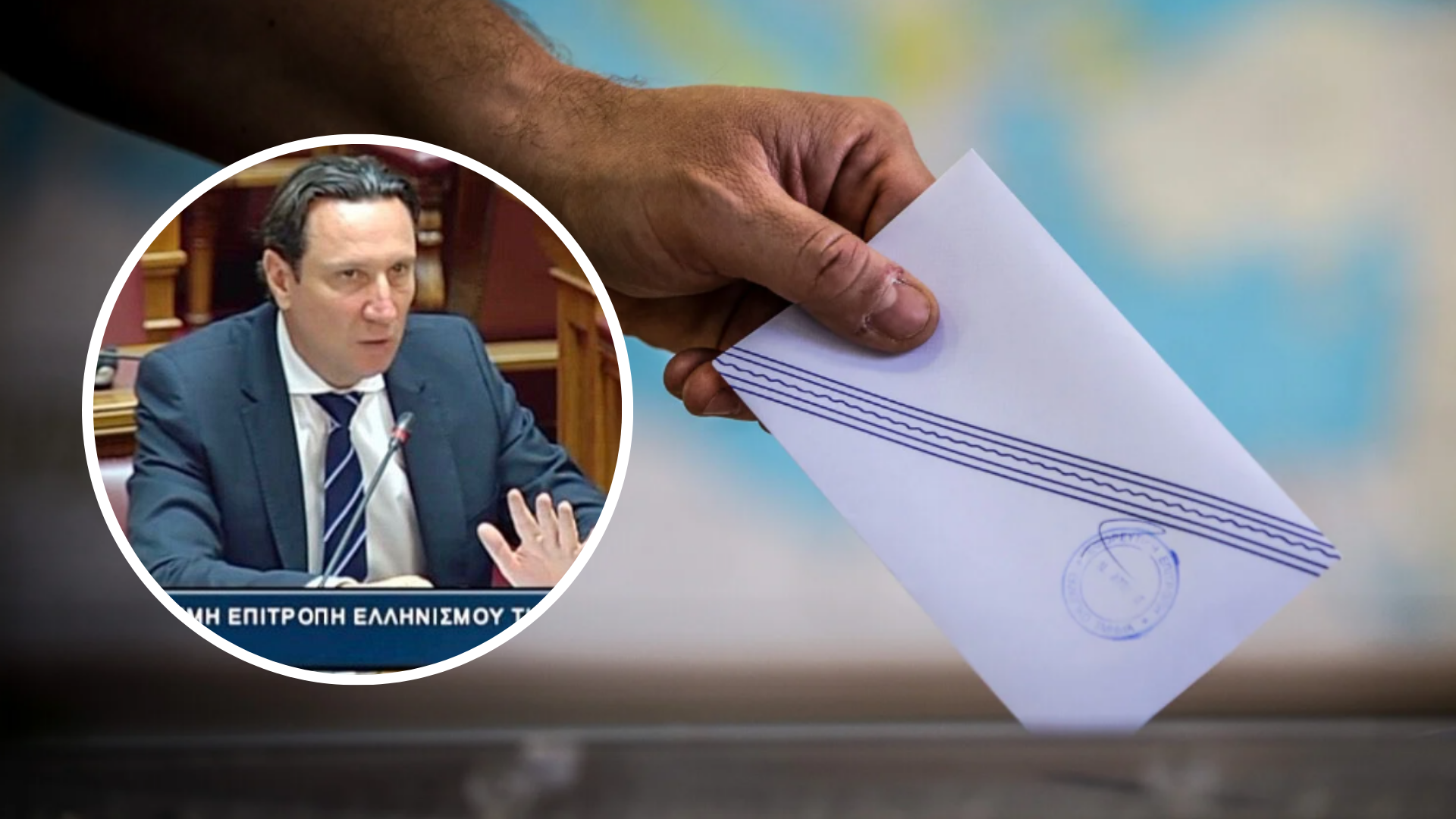
Appearing before a parliamentary committee in Athens, representatives of Greek communities from across the world overwhelmingly backed the Interior Ministry’s bill, which provides for postal voting and the creation of a three-seat overseas constituency.
Among them was President of the Greek Community of Melbourne (GCM) Bill Papastergiadis OAM, who described the proposal as a positive and necessary step toward restoring democratic equity for Greeks abroad.
Mr Papastergiadis stressed that Greek Australians, in particular, have long demonstrated loyalty to Greece despite receiving little institutional recognition in return.
“When Australian governments support and nurture our community through grants for schools and cultural events, the least Greece can do is embrace its citizens with basic rights,” he said.
He also rejected narratives that frame overseas Greeks as detached or privileged voters, noting the historical reality of migration to Australia.
“Greece’s citizens didn’t leave in the 1950s and 1960s because they wanted to or needed a holiday. They left out of sheer necessity to survive. All of them left with the dream to return to their homeland,” Mr Papastergiadis said.
“Greece must now, by allowing its citizens to vote, extend its hand and welcome them back.
“It’s paradoxical for us in the diaspora to have the Victorian Government fund the construction of replicas of the Parthenon Marbles adorning our 15-storey cultural centre, whilst our homeland fails to support basic democratic principles such as the right to vote.”
Support for the bill was echoed by diaspora leaders from Europe and beyond, including representatives from Germany, France, Sweden, Belgium and Argentina, all of whom described postal voting and an overseas electorate as long-standing and justified demands.
Interior Minister Thodoris Livanios urged all parliamentary parties to approve the legislation swiftly, arguing that it would allow the new arrangements to apply at the next national election rather than being delayed further. He dismissed claims that overseas Greeks would not bear the consequences of their vote, stressing that every citizen has an equal right to participate in democratic decision-making.
While some reservations were raised – including concerns about proportionality and the structure of overseas constituencies – Livanios emphasised that the three-seat model was an initial framework and did not prevent parties from expanding diaspora representation in the future.
For Greek Australians, however, the issue is less about technical detail and more about recognition.
After generations of preserving language, culture and national identity thousands of kilometres from Athens, community leaders argue that Greece now faces a clear choice: either fully embrace its global citizenry or continue to leave millions of Greeks abroad on the margins of its democracy.
