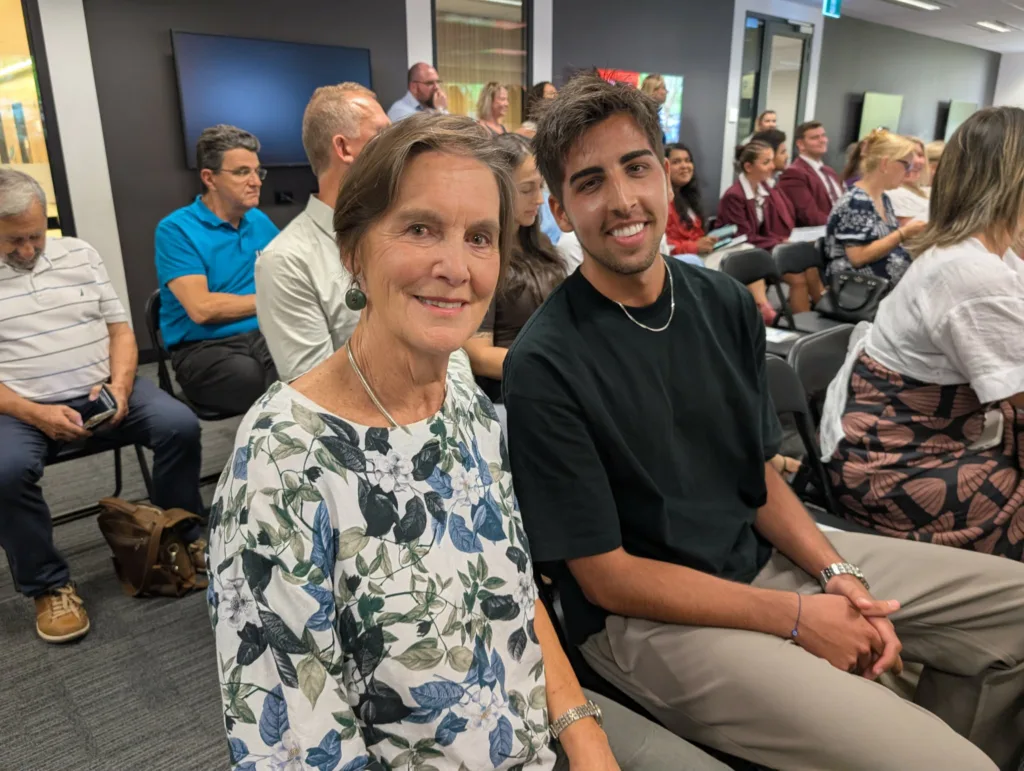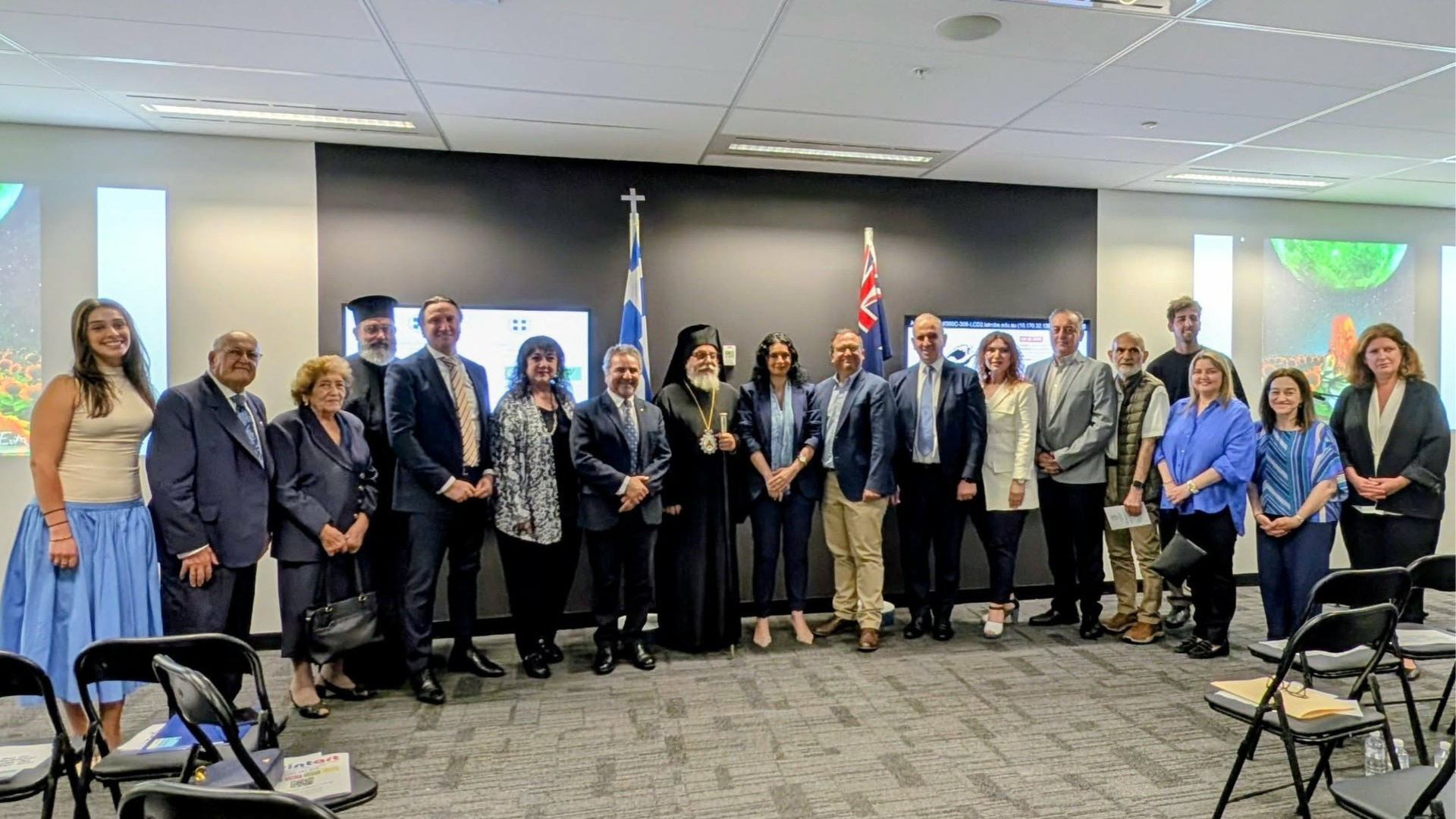
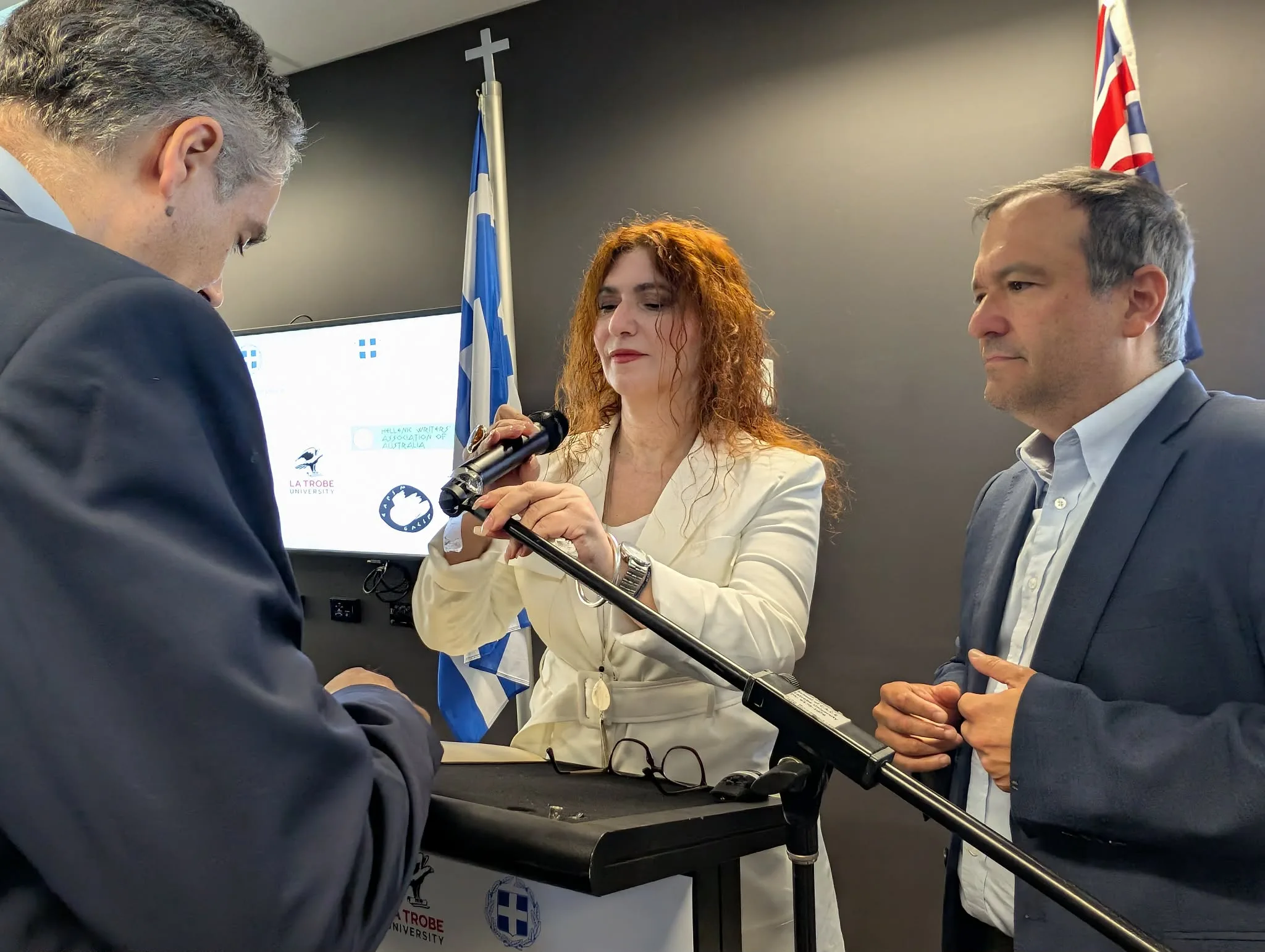
La Trobe, the only university in Victoria offering Greek language studies, saw its city campus overflow on Friday, February 20. Inside, a palpable buzz filled the room as Greek language champions, many of whom have devoted their entire lives to preserving the language in the diaspora, gathered under one roof.
The carefully curated event was hosted by Greek Consul General of Melbourne, Dimitra Georgantzoglou, to mark World Greek Language Day (February 9). Held on the eve of UNESCO’s International Mother Language Day, the evening quickly moved beyond celebration to collective action.
Leaders from church, politics and academia, forming a cross-section of the institutions shaping Greek language life in Victoria, took the podium. Teachers and students stood beside lifelong advocates;all bound by commitment to preserving the Greek language.
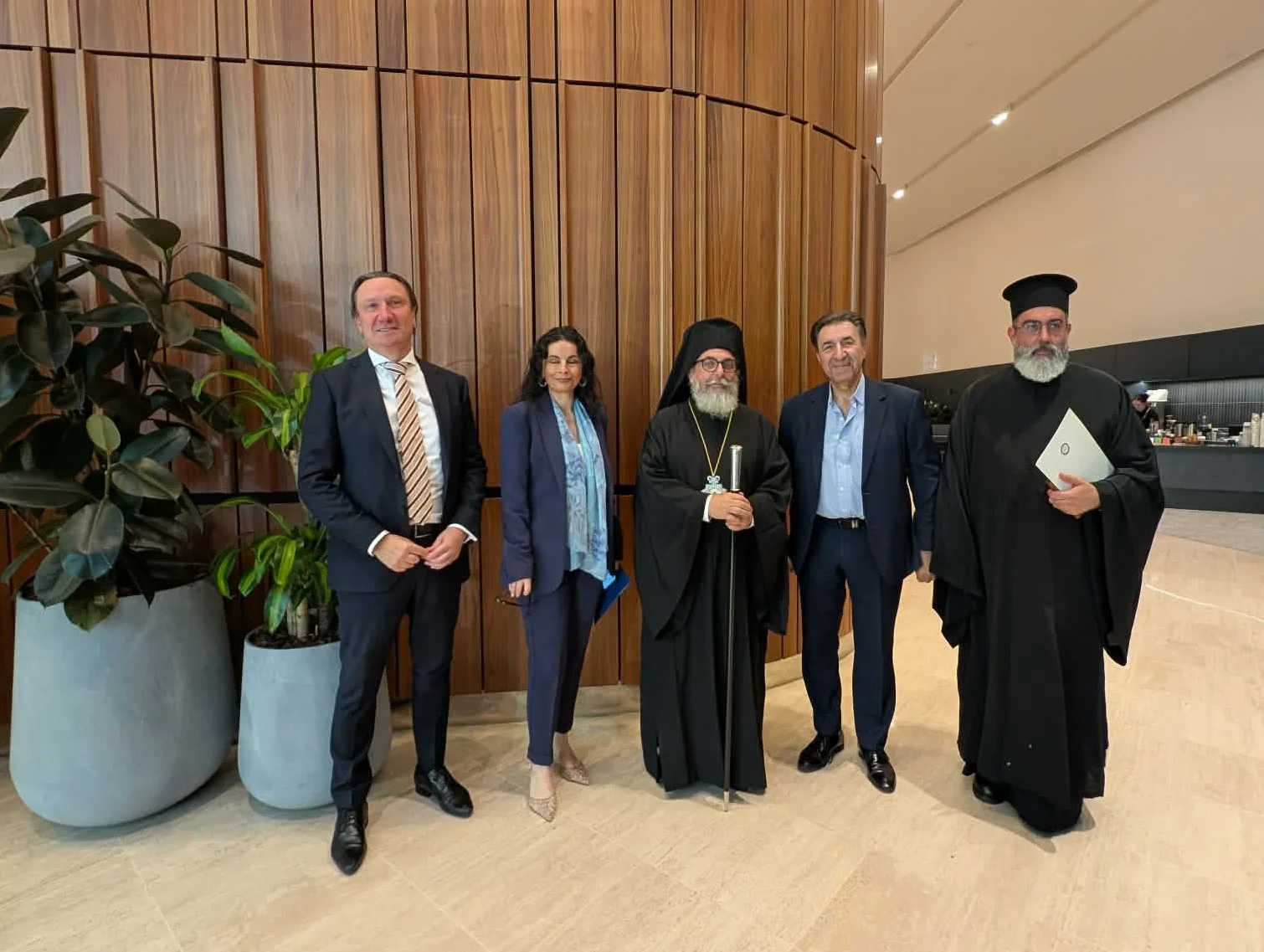
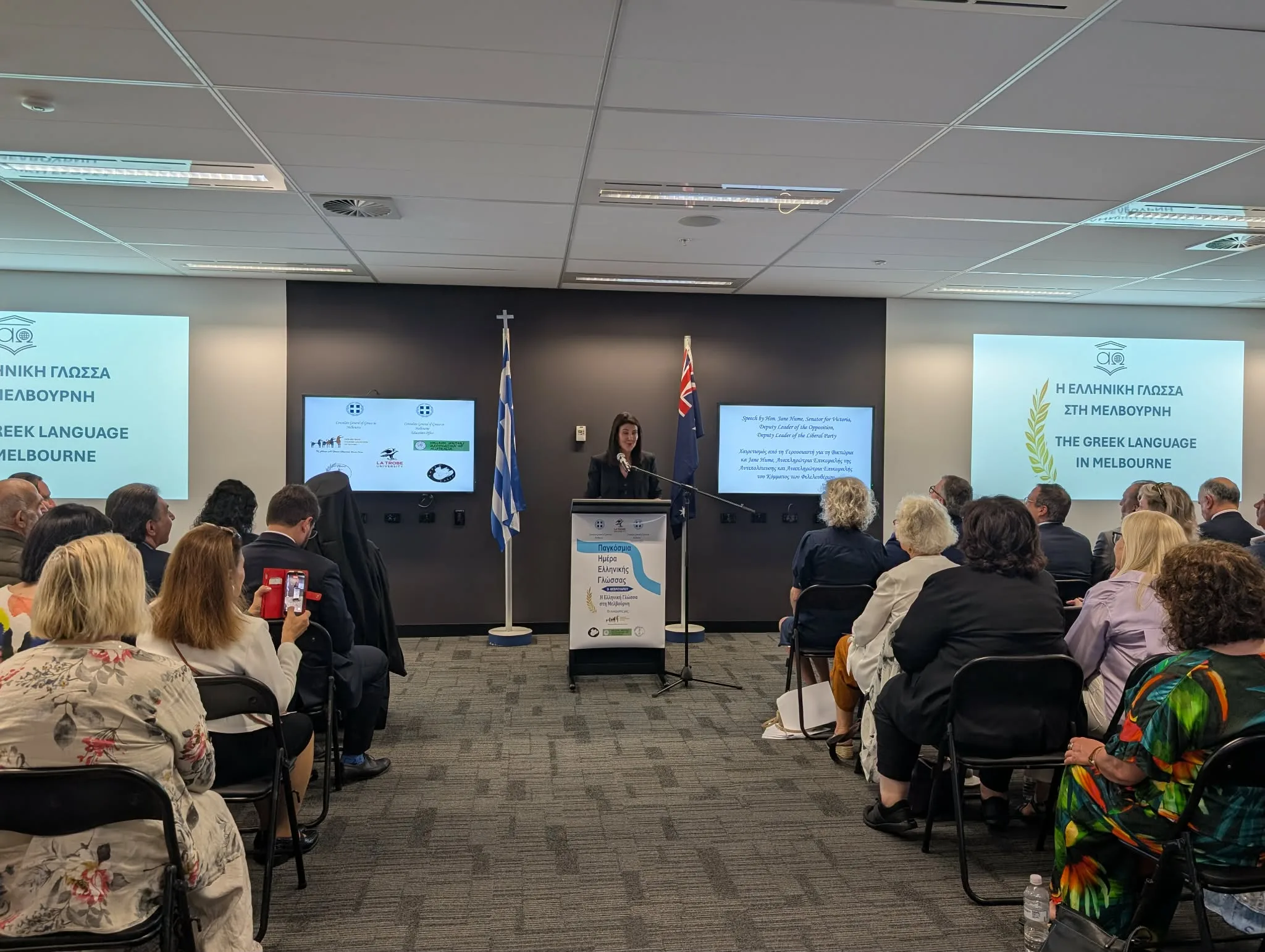
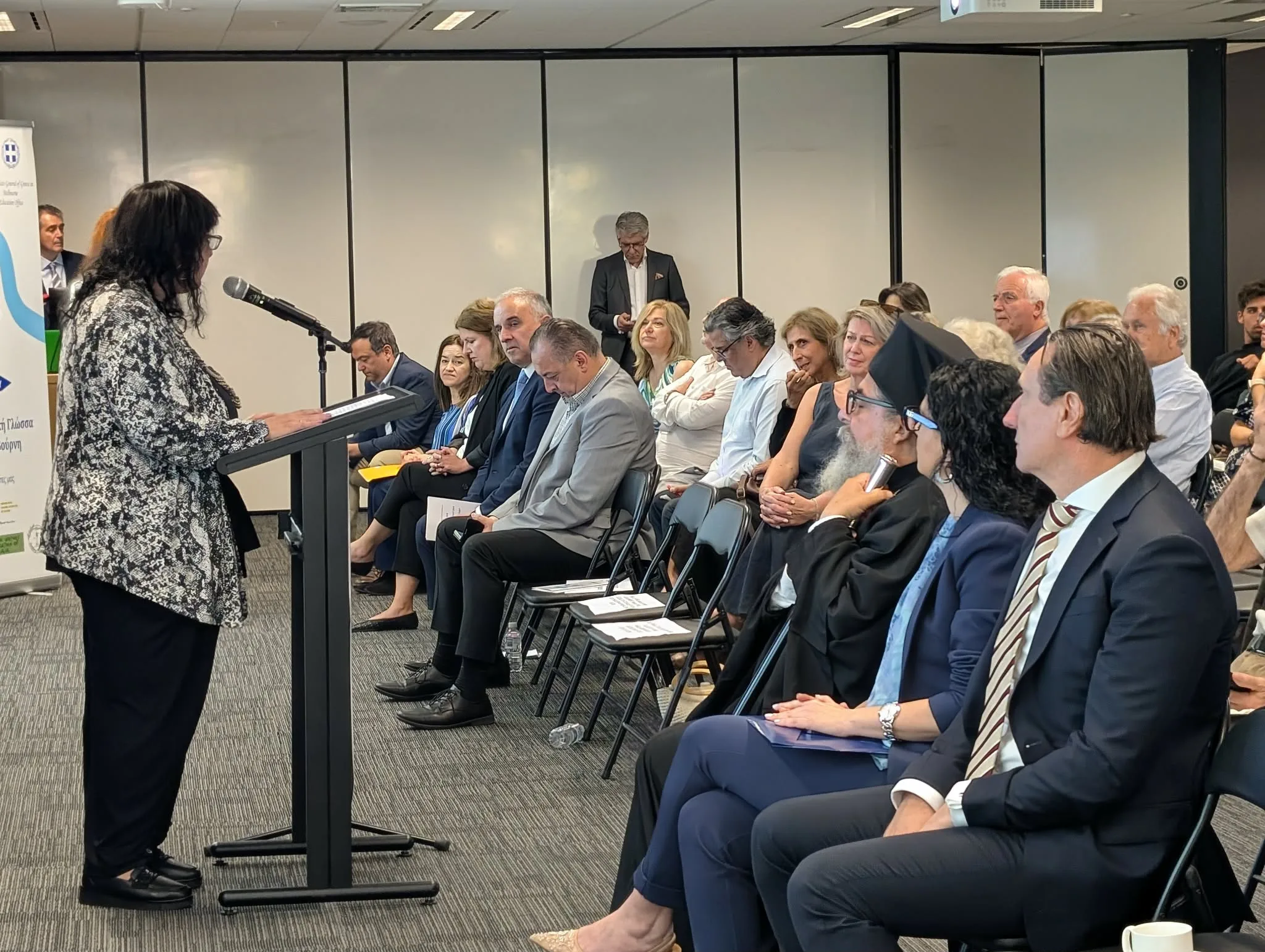
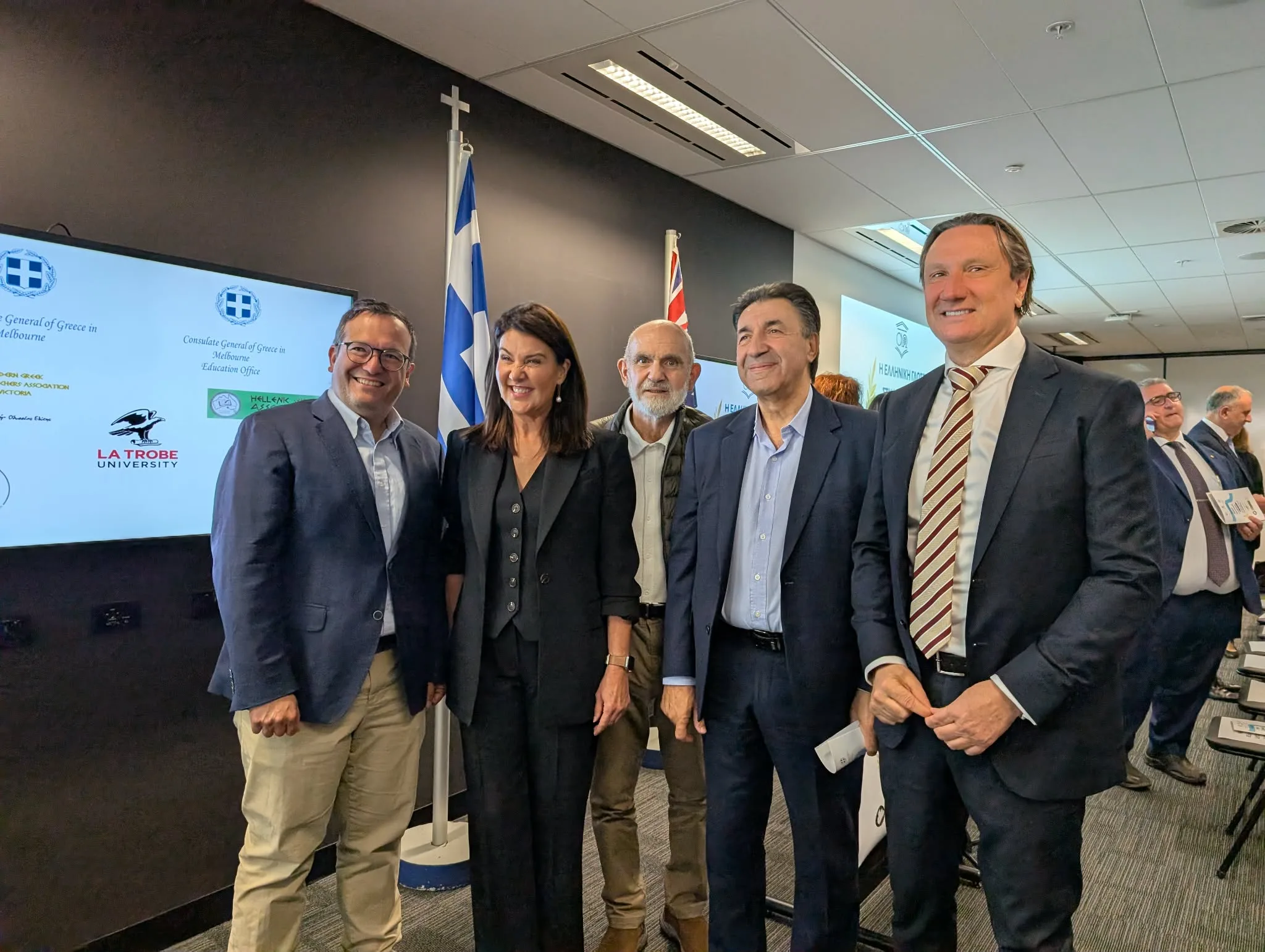
What followed was a concentrated examination of Greek in the diaspora, with at least 25 speakers taking the podium. The event was ambitious, and yes, it was long, but the campus rang almost entirely in Greek, deliberately and unapologetically so.
At the centre stood Georgantzoglou, reminding the audience that Greek has given humanity “not only words, but concepts”: democracy, philosophy, science, technology. It carries, she said, “an unbroken continuity of more than 3,000 years.”
Messages from Greece reinforced the point. Prime Minister Kyriakos Mitsotakis described Greek as a bridge “between past and present, Greece and the world” in a video message. In a message from Archbishop Makarios, Greek was described as “not merely a means of communication but identity, memory and witness.”
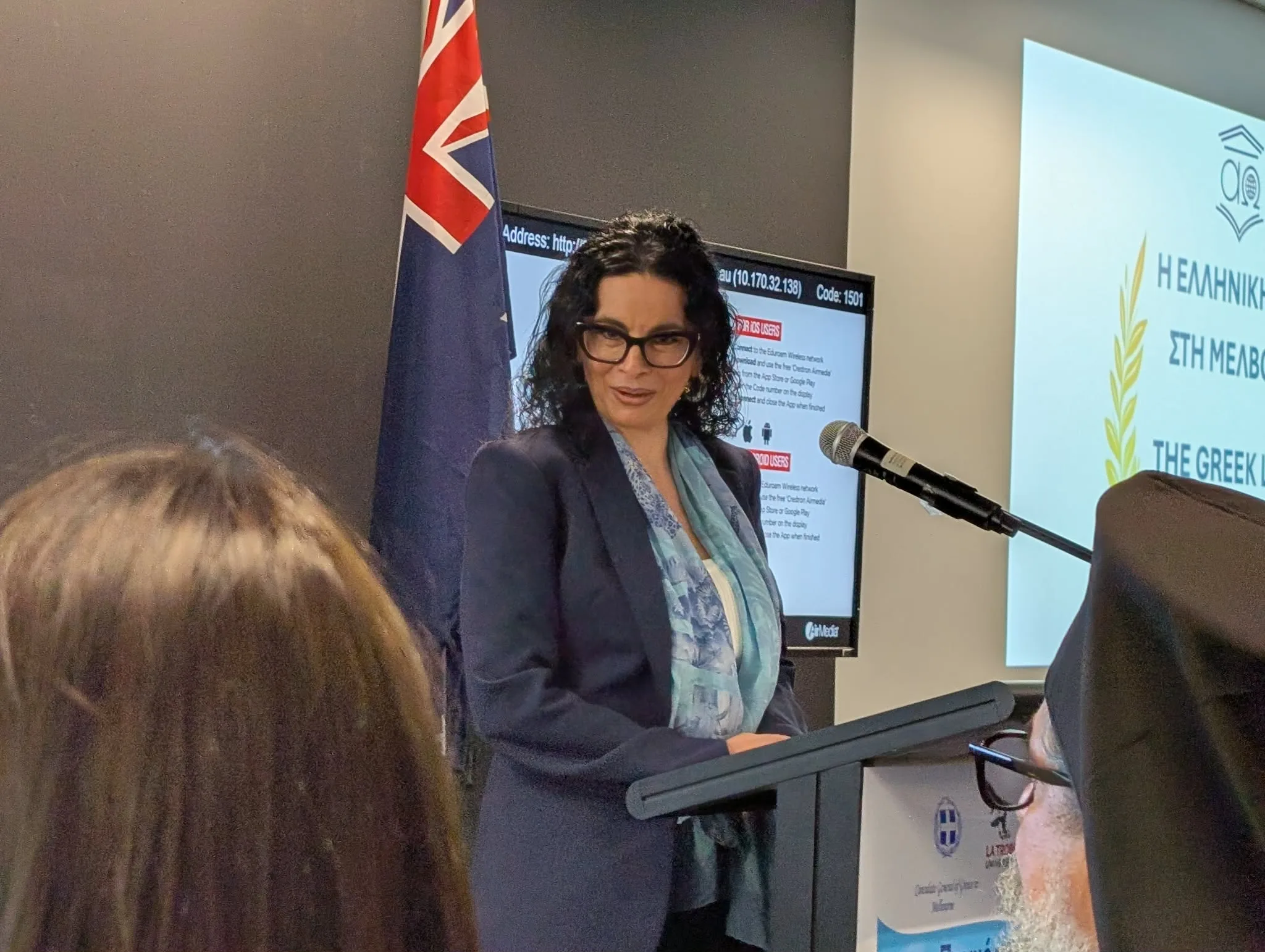
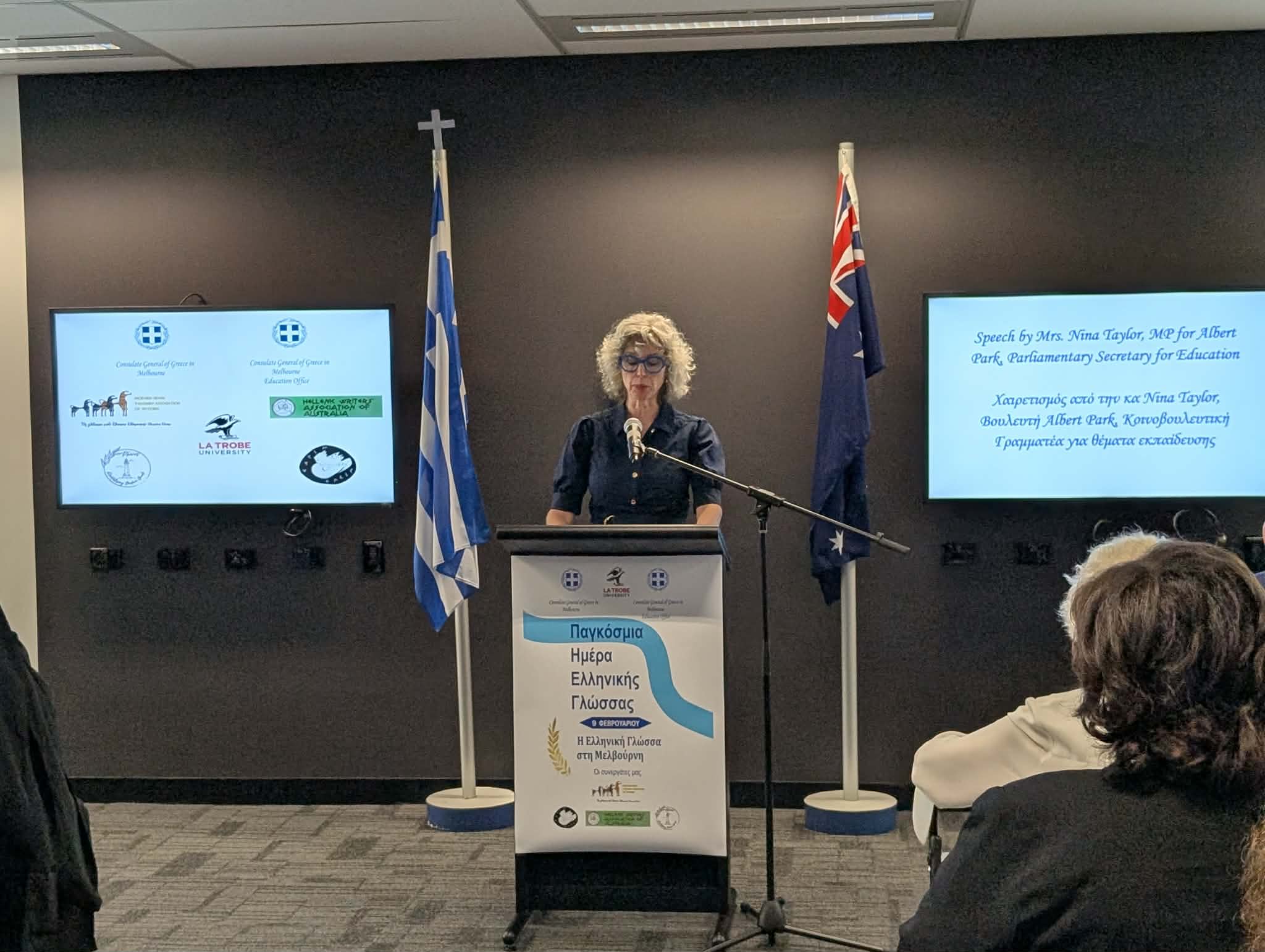
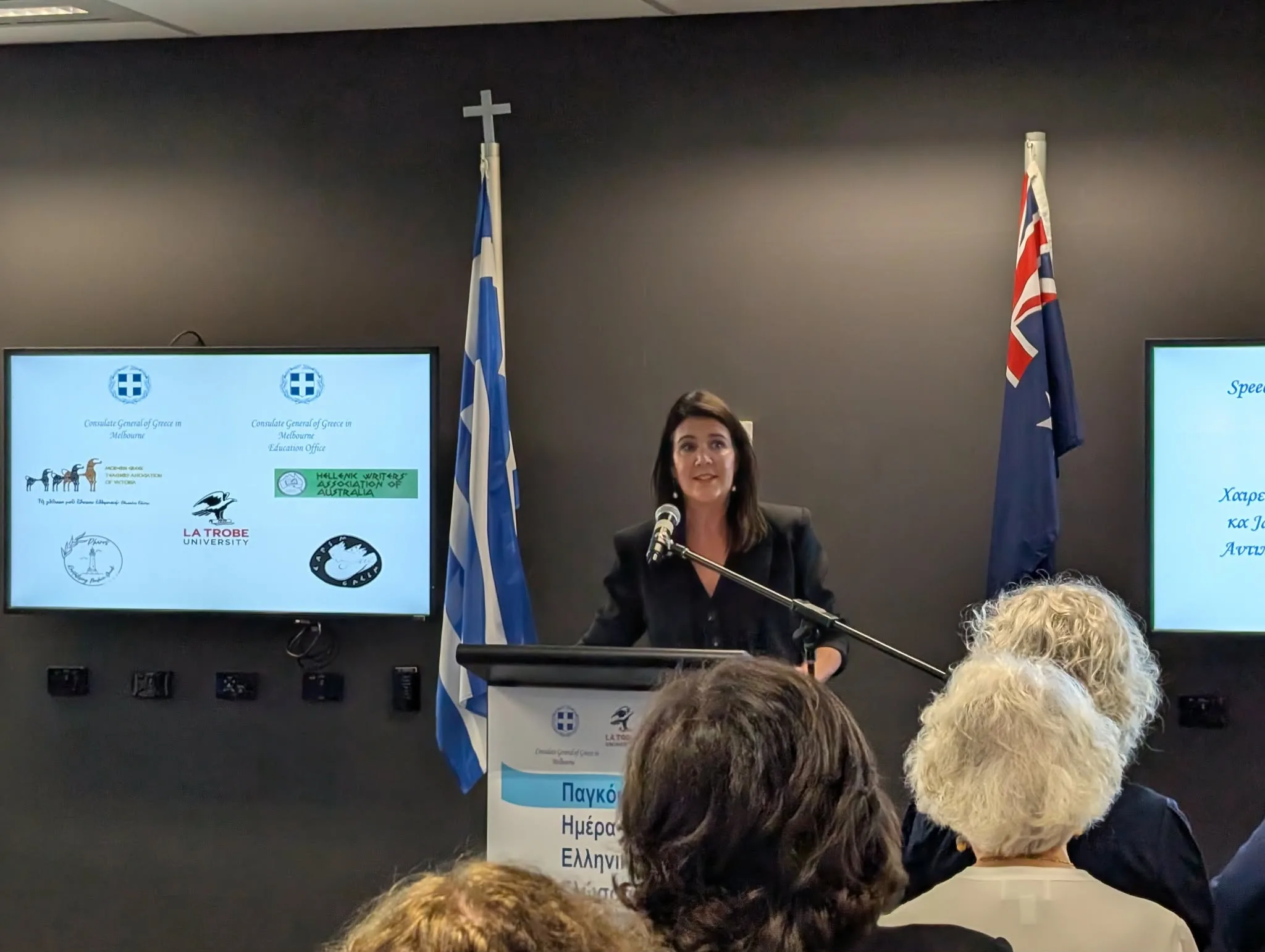
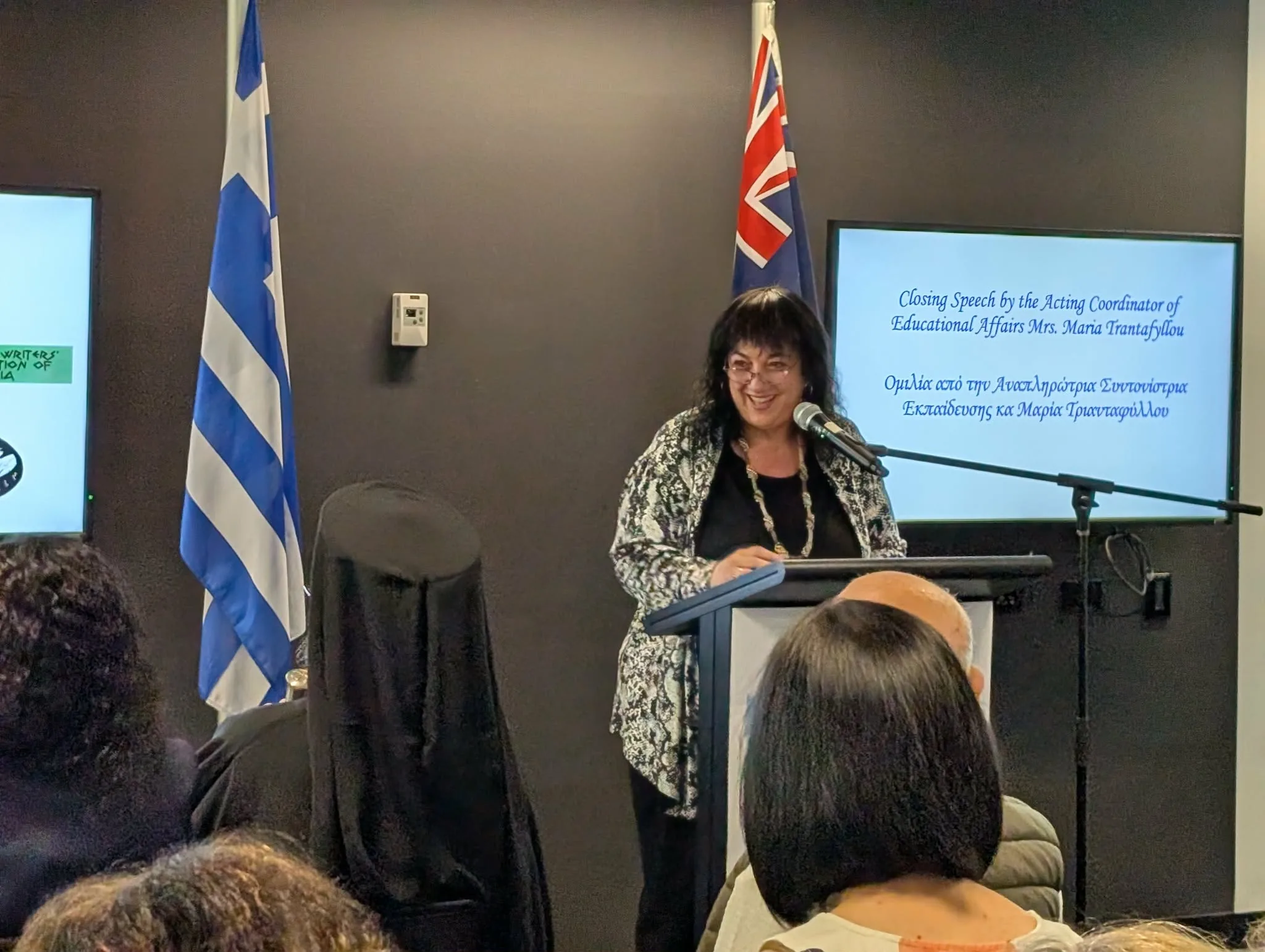
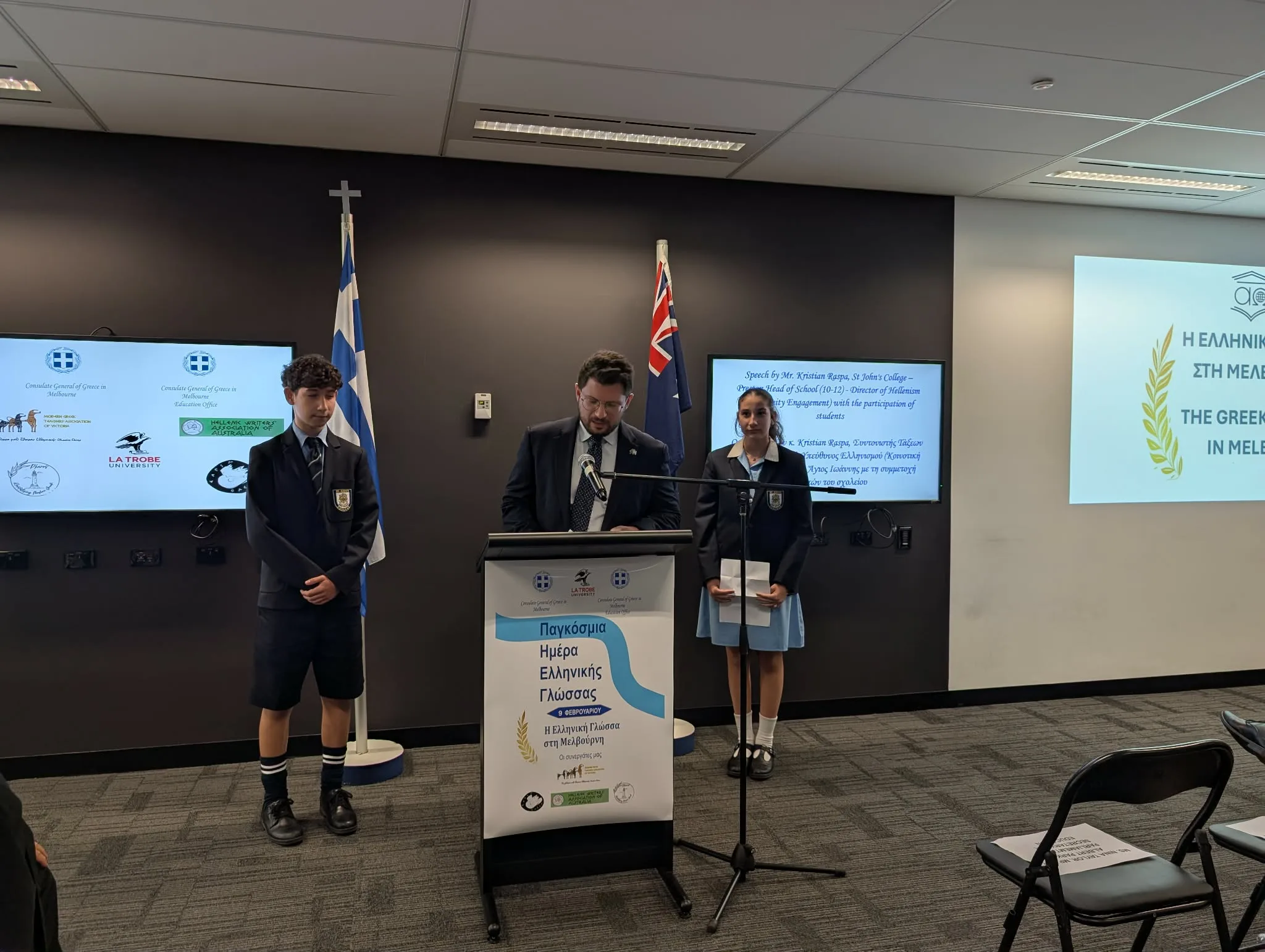
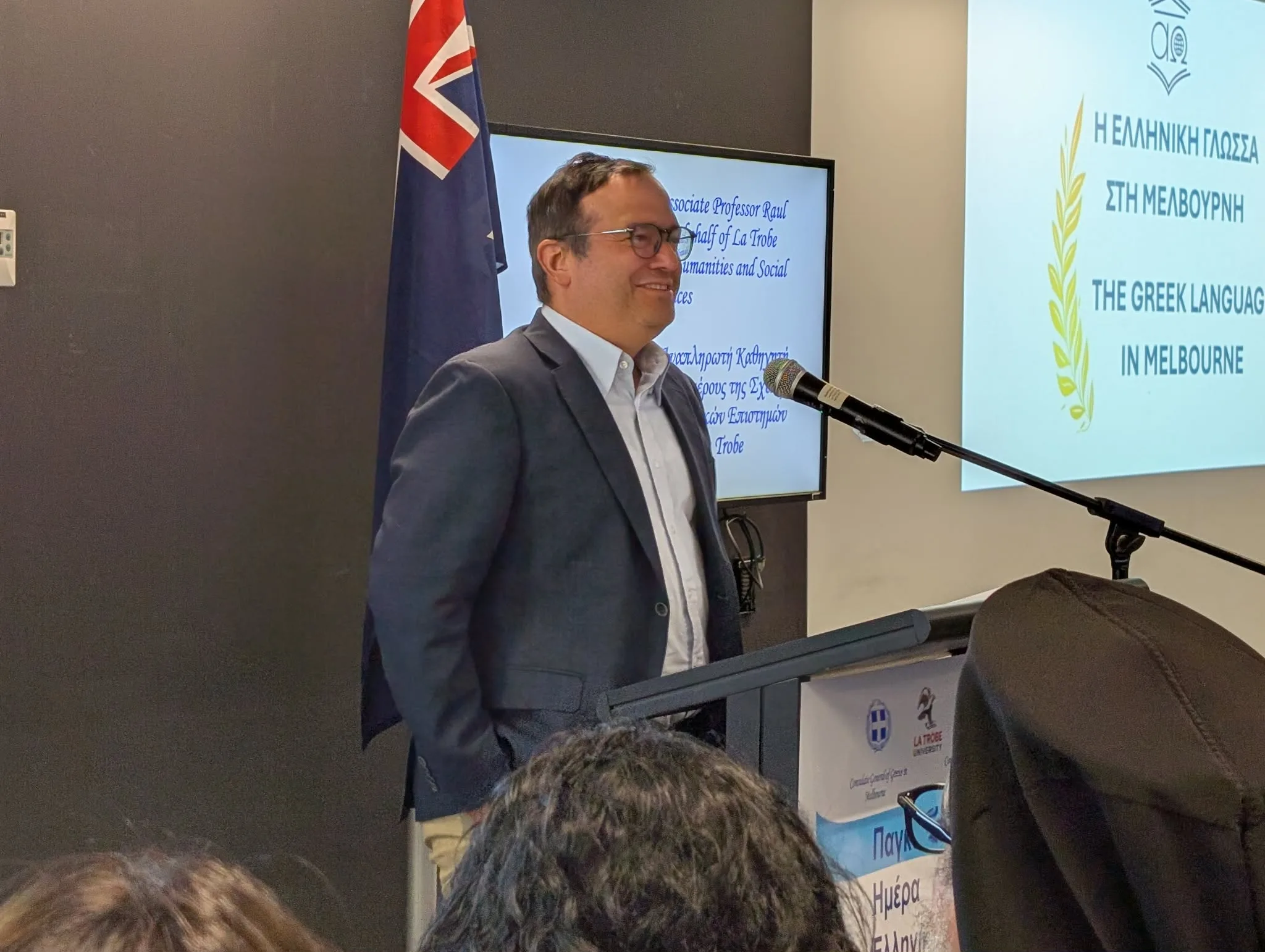
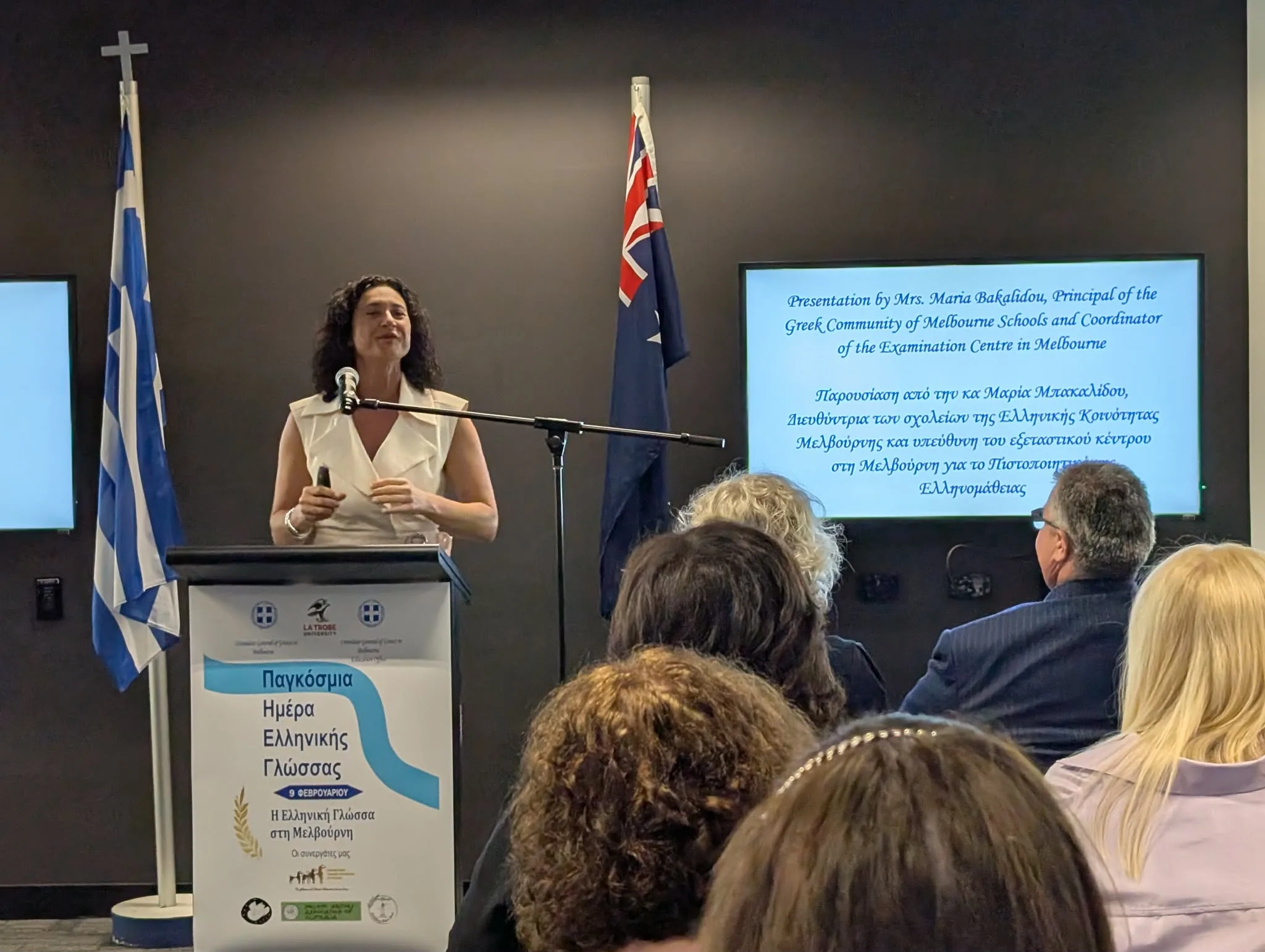
Still, the central question lingered: not what Greek has been, but what it will be, and how to secure it.
Victorian MP Nina Taylor grounded the discussion in data: more than 4,000 students study Greek across 19 community language schools in Victoria. The structures exist. But structures alone do not produce speakers.
Professor Joseph Lo Bianco, President of the Pharos Alliance dedicated to reversing attrition, extended the argument beyond Victoria. Nearly half the world’s languages are endangered, he noted.
“What we are doing today is part of a wider movement to keep the vitality and diversity of human consciousness alive. It is not guaranteed.”
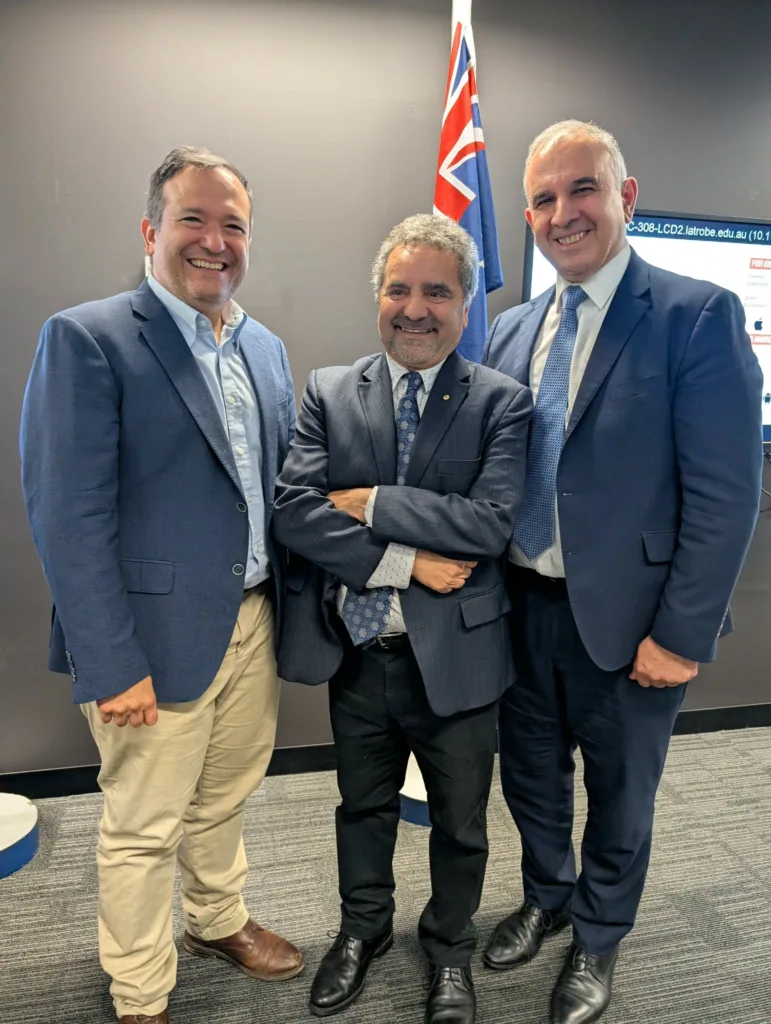
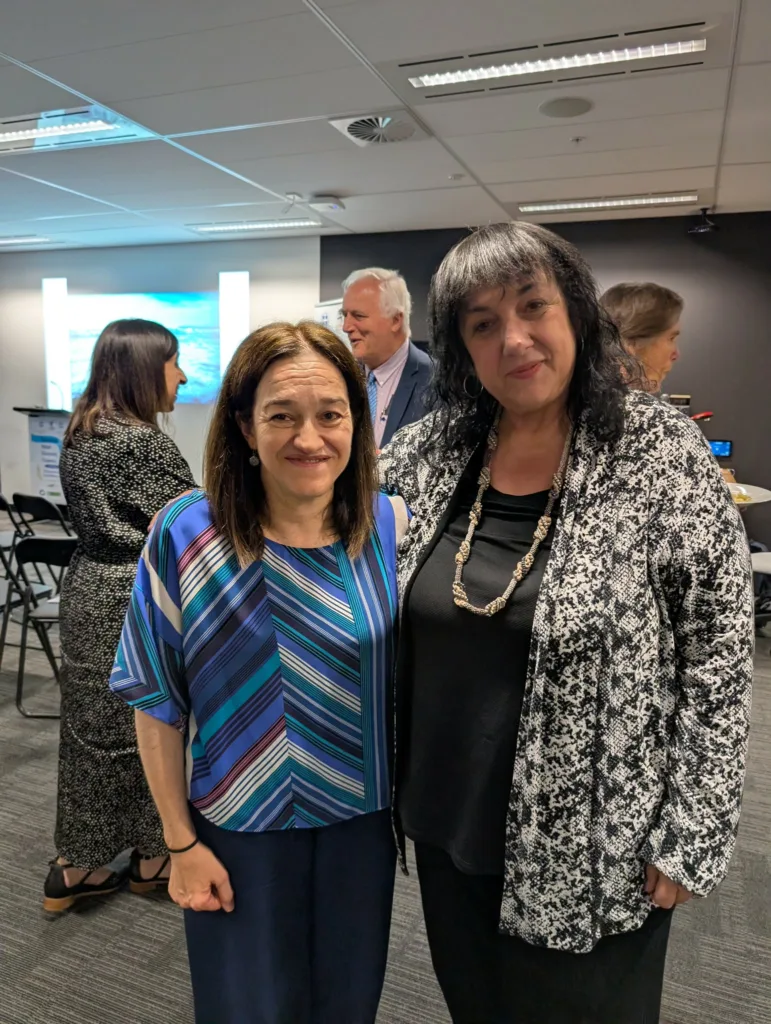
Greek is not globally endangered, he noted. “But it is retreating in many diaspora communities.”
His prescription was direct, “Build capacity. Create opportunities. Foster desire.”
And the warning lingered, “Children may identify as Greek, but identity does not automatically mean language use.”
That was the pivot.
If Greek is to thrive in Melbourne, it must be spoken. And spoken it was on Friday as students of all ages took the floor with assurance, proving that the pipeline is alive. Teachers outlined certification pathways and described adult learners who chose Greek not because they inherited it, but because they wanted it. One non-Greek learner, Dr Cathie Elder, recalled being asked, “Why Greek? What’s the value?” Her answer was simple: it changed how she thinks. It opened another way of seeing the world.
There were lighter moments, too. Senator Jane Hume shared her attempts to master Greek after marrying into a Greek Australian family, joking about her unsuccessful year on Duolingo before delivering a surprisingly fluent imitation of family phone calls. Beneath the humour sat a deeper truth: Greek vocabulary underpins global discourse. Whether it underpins daily life in the diaspora depends on effort.
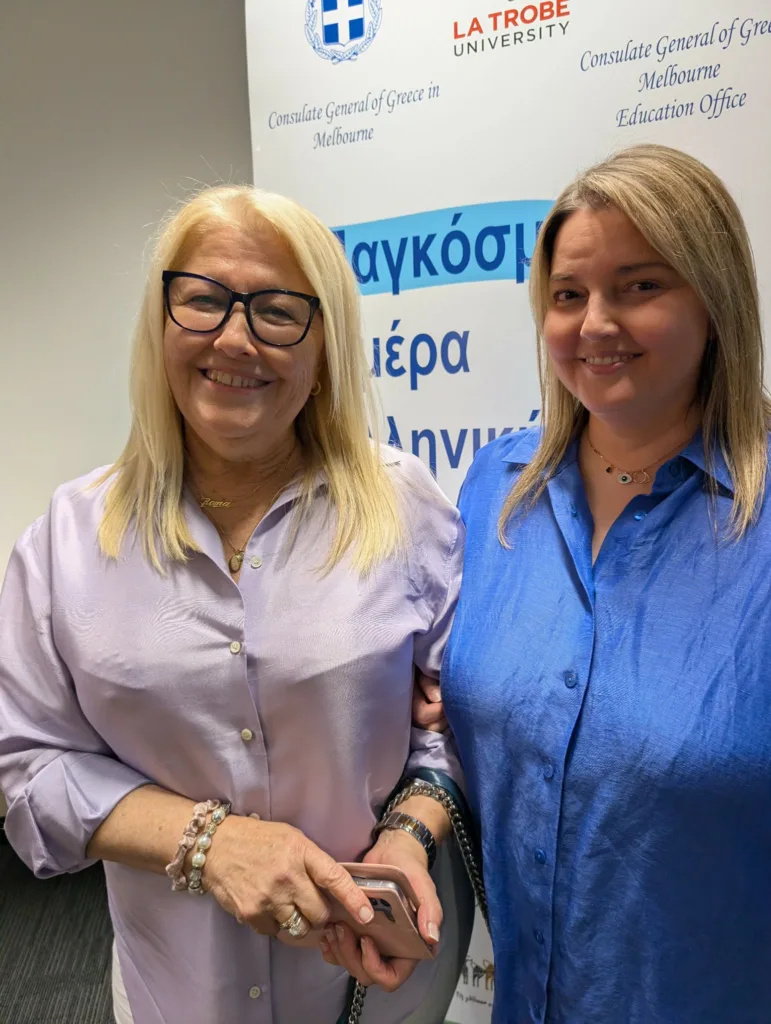
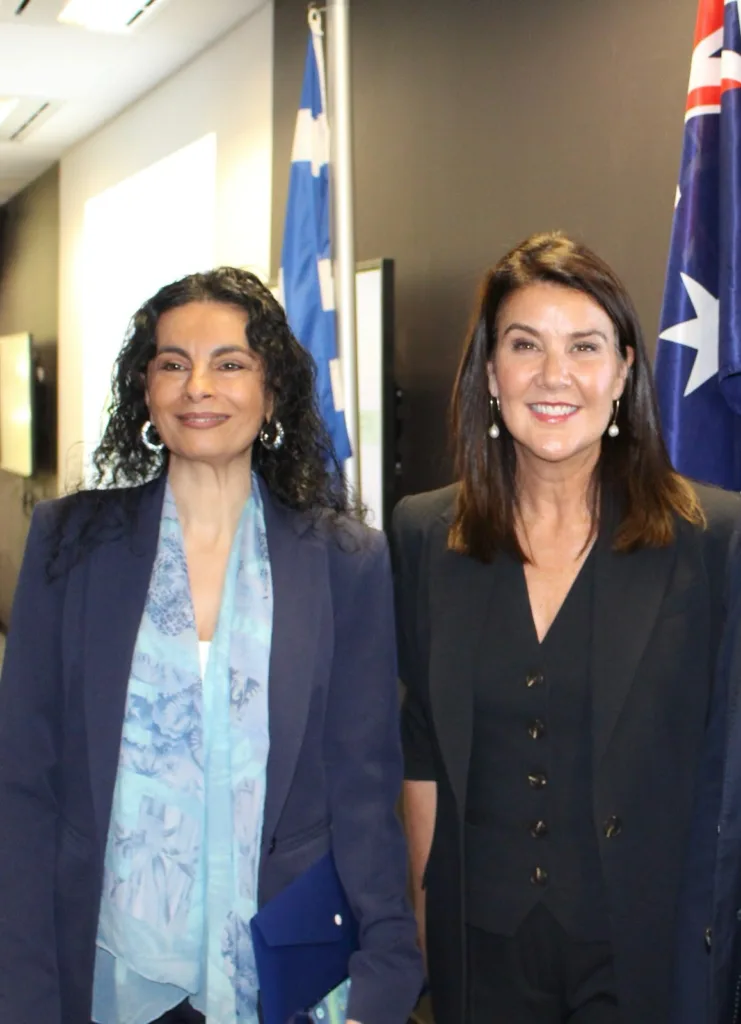
Speaking to The Greek Herald, Georgantzoglou said she was encouraged to see the language “approached in every way,” with each speaker offering a distinct lens. She acknowledged concerns about language attrition in Australia and welcomed a more coordinated focus on solutions.
La Trobe’s Associate Dean of Humanities and Social Sciences (International), Dr Raul Sánchez-Urribarri, welcomed attendees with a simple line: “This is your house.” A university, he said, offers “lenses to see the world.” Each language is “an invitation to get to know the world in a particular way.”
For the Greek language “world”, Dr Stavroula Nikoloudi outlined La Trobe’s multi-faceted approach to sustaining Greek. Students of the program enjoy a variety of learning experiences, from community engagement and curriculum innovation to collaborations with institutions in Greece and immersive study trips that connect students directly with the language in situ.
As Master of Ceremonies, seconded teacher Yiota Stavridou observed, this was about “not only a language,” but the culture, memory and continuity it carries.
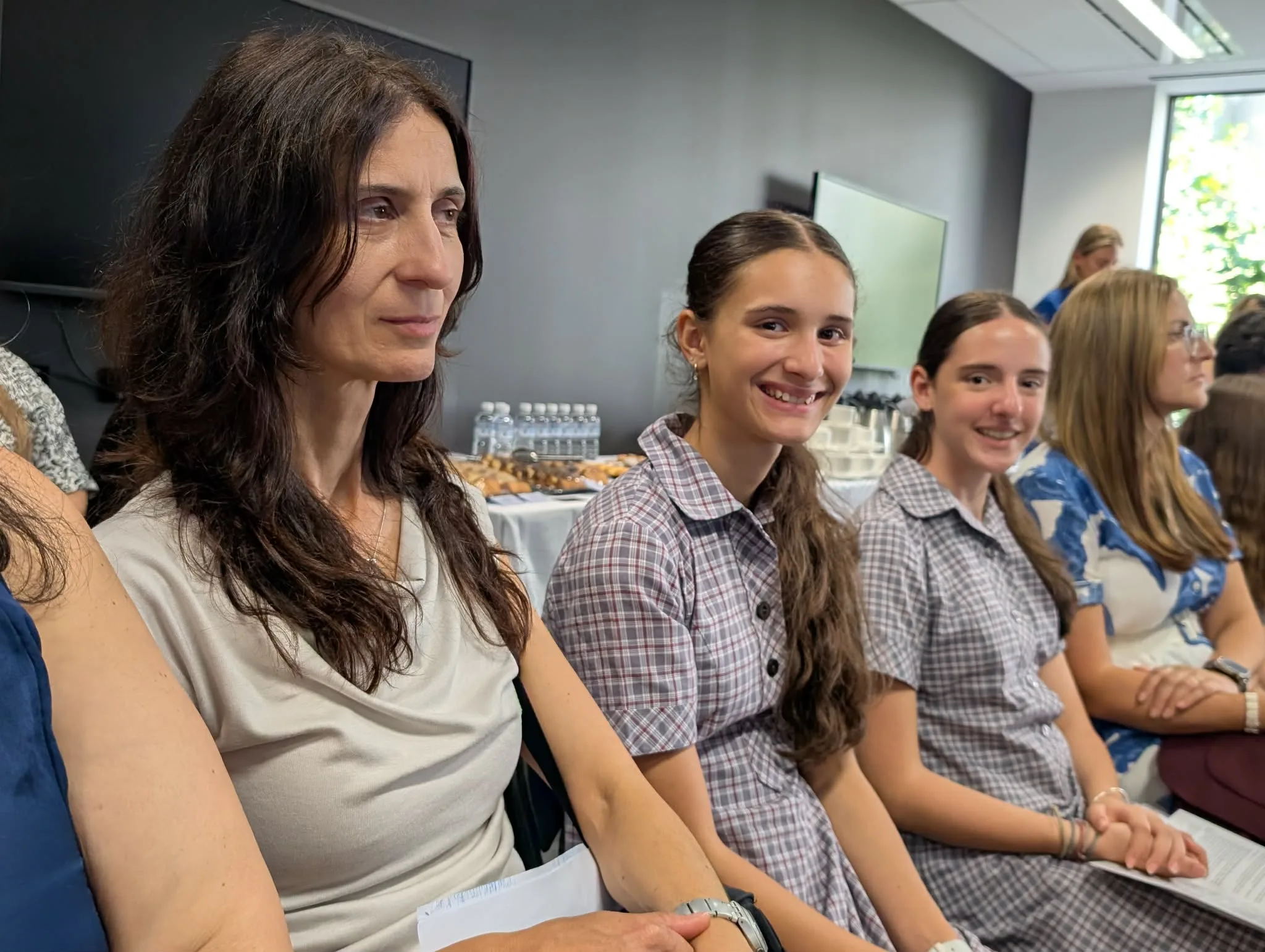
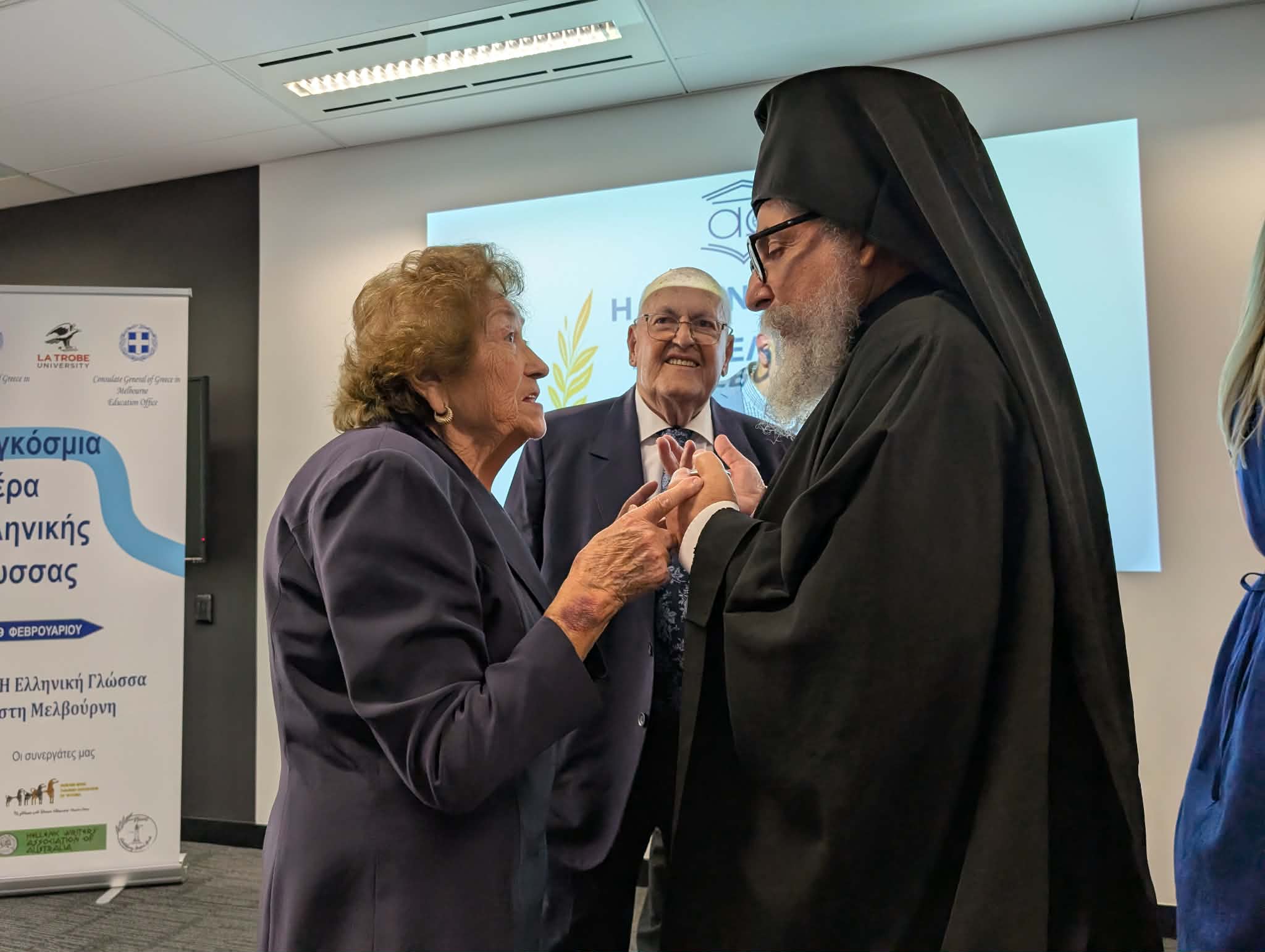
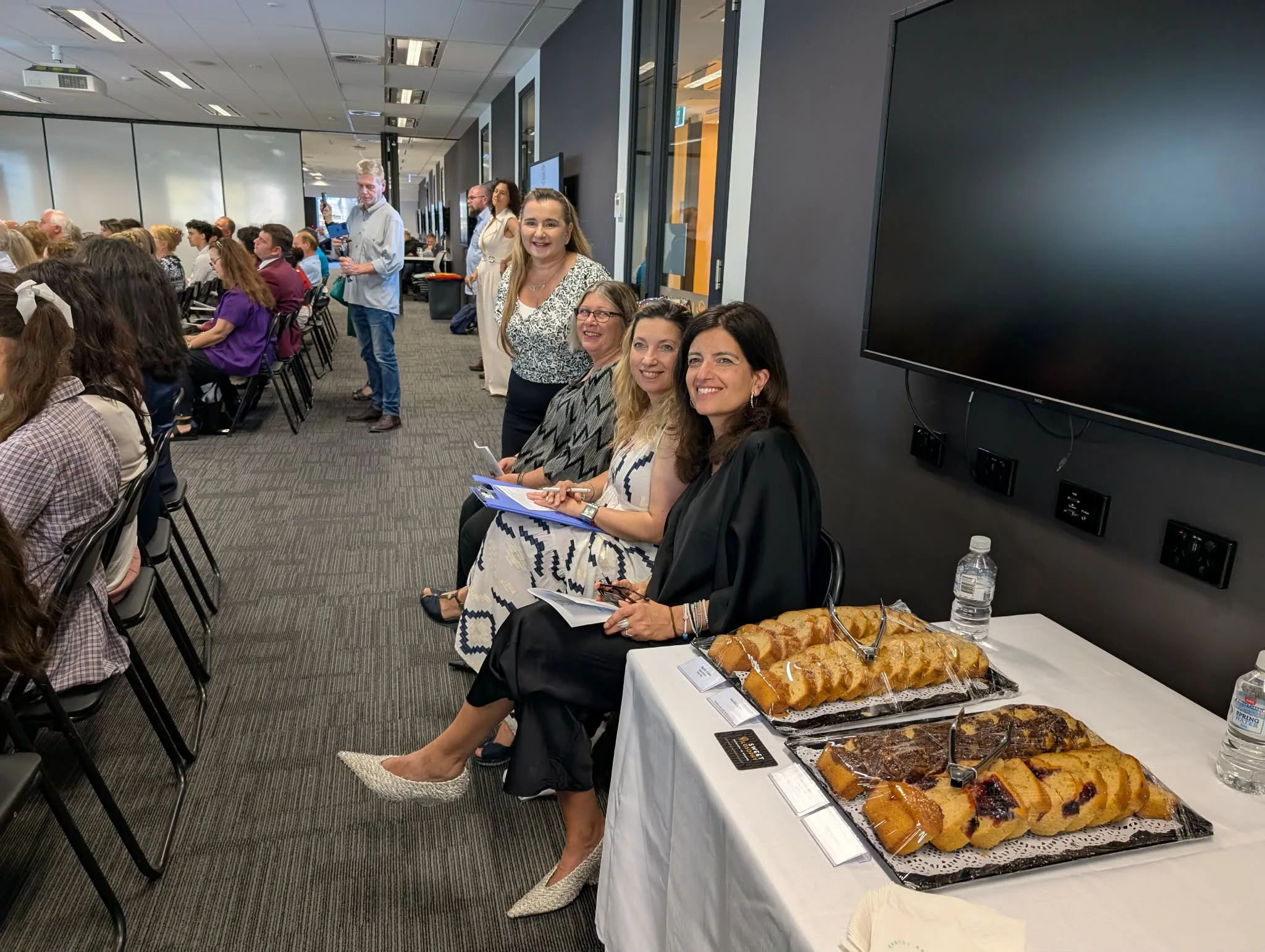
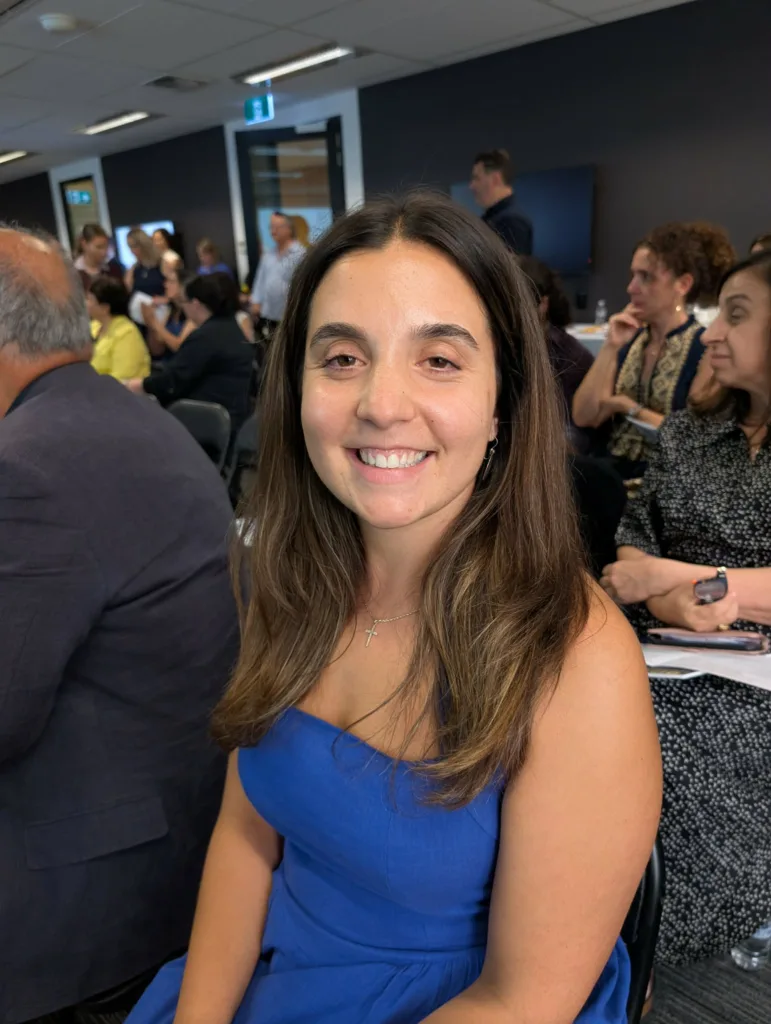
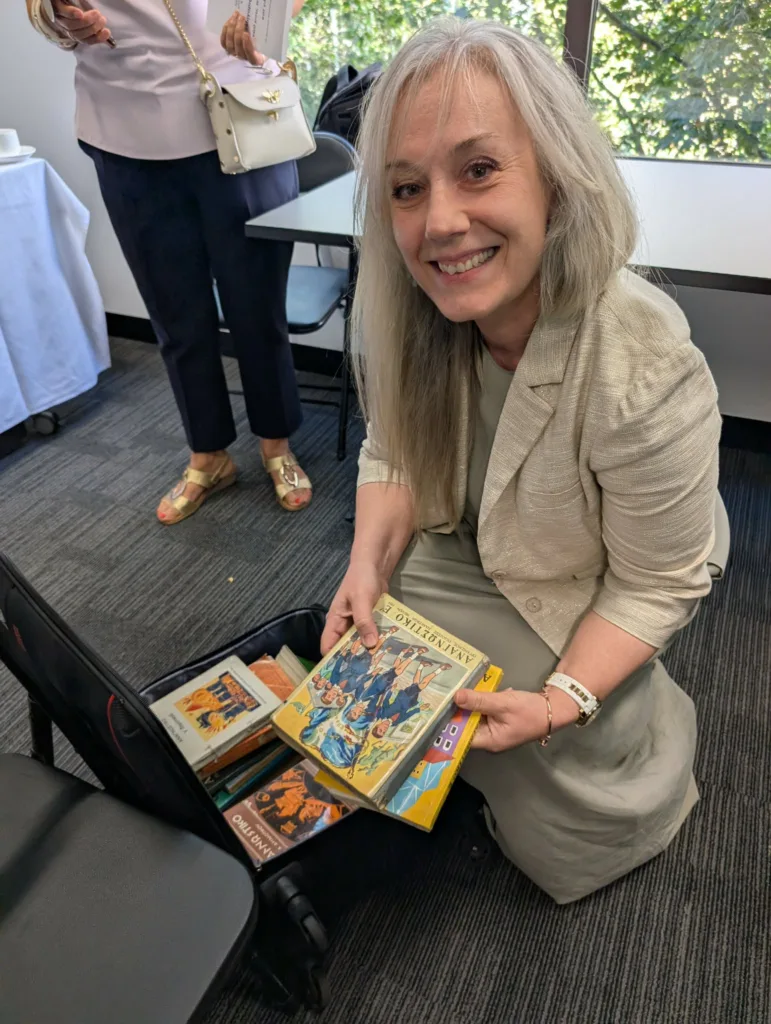
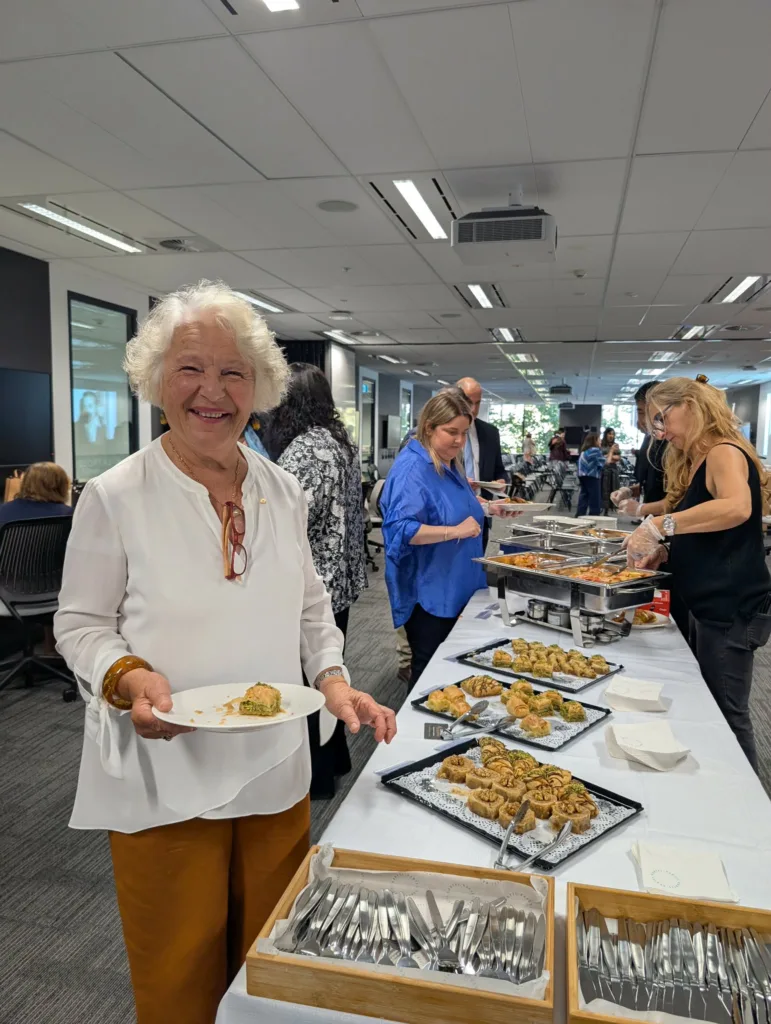
Progress, at its simplest, begins by putting the right people in the same room. And many of the right people lingered, enjoying a buffet following the event,forging relationships and brainstorming initiatives long after the formal program ended.
Two weeks after the celebration of UNESCO’s World Greek Language Day (February 9) at the Capitol, this event was successful and ambitious in a different way, bringing people together to think strategically about the value of Greek language.
To survive, every institution, every leader, every educator matters. The work strengthens when all pillars stand together, visibly and cooperatively, in service of something larger than themselves.
The language has endured empires.
Now it asks something simpler of its custodians: stand together, safeguard Greek learning opportunities, and use it.
Welcome philhellenes into its orbit. There should be an invitation for everyone and anyone who cares to save Greek in the diaspora, but please work together, and leave ego (another Greek word) at the door.