
For many Greek Australians, owning property in the homeland is more than a financial move. It’s a way of preserving roots and passing on heritage. But the dream often clashes with reality: tangled inheritances, outdated surveys, and endless bureaucracy can turn a simple purchase into a years-long ordeal.
Sydney-based Anna Mikronis-Muehlbacher knows this first-hand.
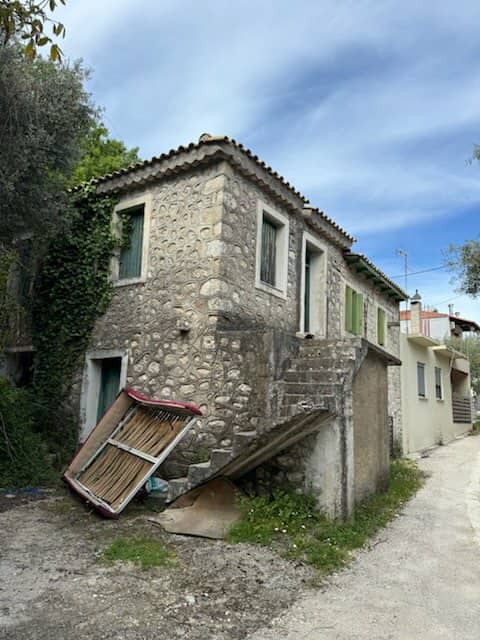
When she first visited Lefkada as a teenager, staying in her pappou’s stone house in Pigadisani near Karya, she felt an unshakable bond.
“A piece of my soul is in Lefkada,” she says, remembering her grandfather’s house: no toilets, a little flight of stares and the bare basics, and the beautiful blue of the Ionian island.

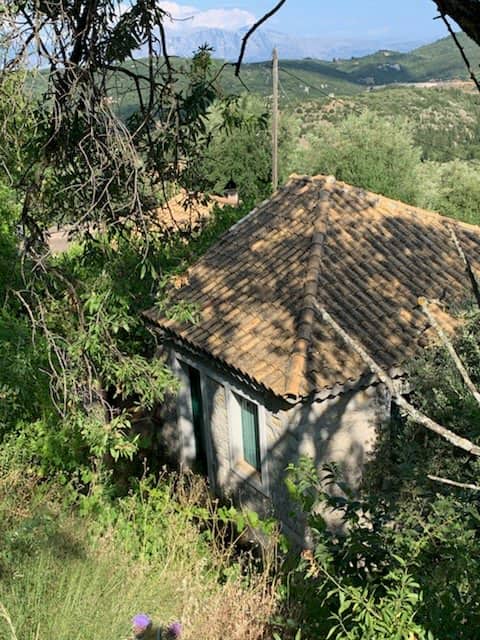
Decades later, after raising a family in Australia, Anna tried to buy the house. But it came with problems: an old loan, missing registrations, and inheritance disputes that kept it locked in legal limbo. “My grandfather didn’t register it,” she says.
“Even the plans for plots in the village weren’t right. Each time I tried, there was another obstacle,” she recalls. “Nobody technically owns it, and it is still bundled in bureaucracy,” Anna says, wondering whether eventually the government will just take ownership but still not losing hope that someday she may acquire this piece of family land.
After years of frustration, Anna secured a small studio apartment (garsoniera) in Lefkada town in 2017.
“All up, it cost about €40,000, plus another €4,200 in legal and land title expenses. It’s small but wonderful. It means I don’t pay rent when I visit Greece, and in five years, it’s already gone up in value.”
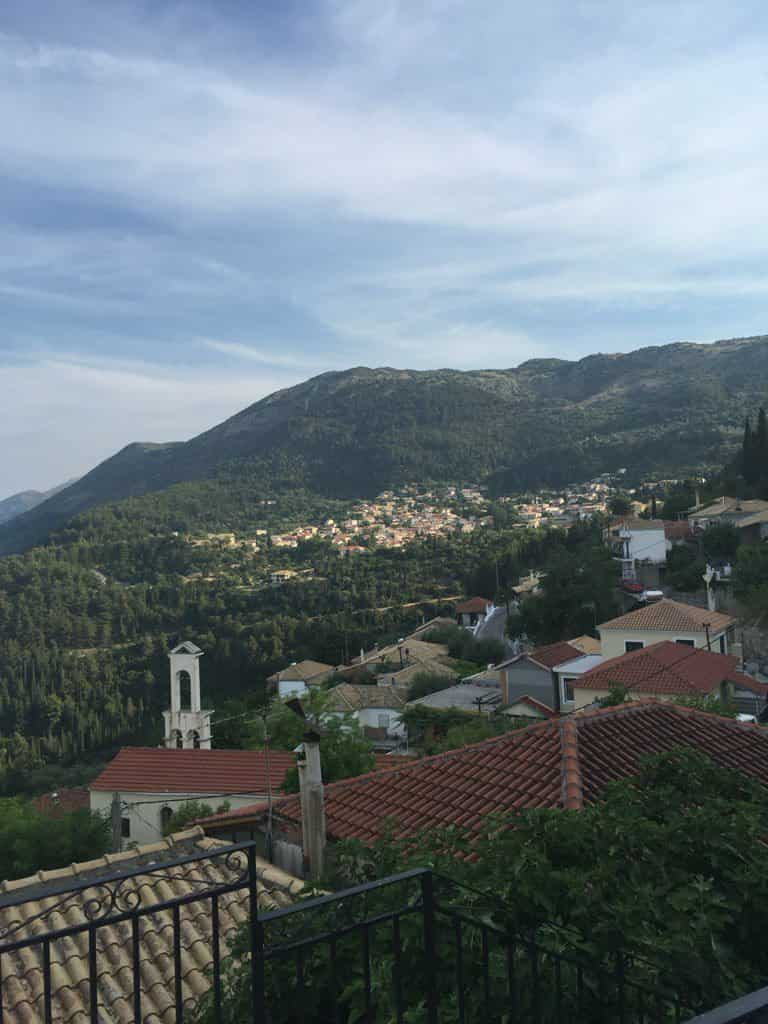

For Anna, the investment is both practical and deeply personal.
“Three months here, three months there. A simple life, immersed in family and community. That’s my vision for retirement.”
Property finance specialist Steven Tropoulos, Director at Highfield Private, says Anna’s story reflects a growing trend among the diaspora.
“There’s an emotional pull to own land where your family comes from. But beyond that, Greece is performing strongly, particularly in Athens, Thessaloniki, and the islands.”

Demand from international buyers, rising rents, and Airbnb opportunities are driving up prices. But Tropoulos warns against letting nostalgia override caution.
“If you inherit land that’s never been surveyed, and it was once measured by throwing stones, think carefully before investing. Always do your due diligence.”
For Greek Australians used to smooth property transactions at home, the Greek system can be confronting.
“I bought and sold in Sydney easily, but in Greece, I didn’t know what was real and what was nonsense. I just did whatever the lawyer told me,” Anna admits.
That’s why Tropoulos insists on assembling a trusted team of lawyers, notaries, and accountants. “The symvolaiographos (notary) is a critical part of the process,” he says.
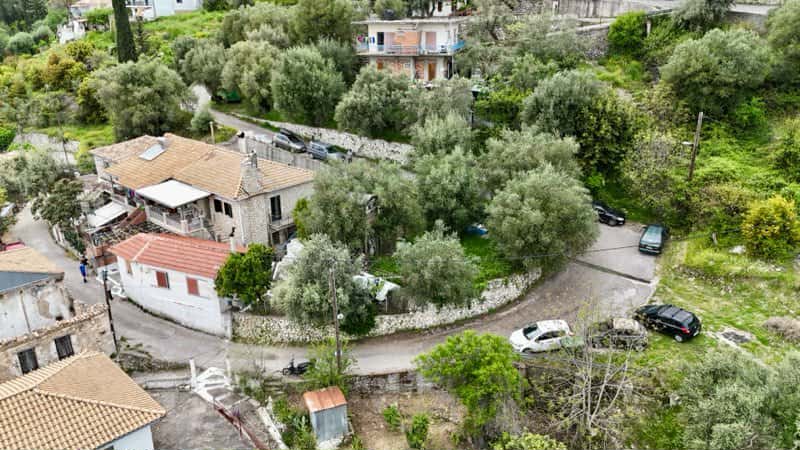
He also explains the importance of the national land registry. “A major challenge for many Greek-Australians is that older family properties were never properly registered,” he says. “The ktimatologio is working to fix this, but the process can be slow. It’s the central database for all property rights, and it’s where titles and boundaries are officially recorded. You must ensure your property is properly registered to avoid future disputes.”
For a bit of good news he states digitisations is improving things. “Bills and documents can now be managed online. But you still need reliable people on the ground.”
He also warns owners to remain vigilant. In rare cases, land left unattended can face adverse possession claims, highlighting the need for legal checks and regular oversight.
While Anna found happiness with her Lefkada studio, Tropoulos suggests keeping an open mind when it comes to location.
“Athens and Thessaloniki remain strong bets. Within 45 minutes of Athens, there are excellent opportunities near infrastructure and universities. Some islands are saturated, but cities like Kalamata in the Peloponnese are doing extraordinarily well.”
He notes a “renaissance” in neighbourhoods like Kypseli and Plateia Viktorias, where neoclassical homes are being restored and boutique hotels are opening.
Another barrier for the diaspora is taxation. Greek Community of Melbourne President Bill Papastergiadis OAM has long called for a Double Taxation Agreement between Greece and Australia.
“Even small assets must be declared to both tax departments. This form of double taxation discourages people from investing properly. An agreement would reduce liability, encourage transparency, and make investment more attractive.”
For people like Anna, however, things are less complicated, bearing in mind the purchase was simply for her own use rather than as an investment property.
She says the emotional payoff outweighs the headaches.
“People laugh and call me ‘the Afstraleza’ who wanted to buy in the village. But for me, it’s not just an investment. It’s about connection, roots, and giving my kids a piece of Greece to hold onto.”
Lessons for Buyers
For those considering property in Greece, experts suggest:
- Expect bureaucracy — titles, zoning, and inheritance issues take time.
- Budget realistically — legal and notary fees can add 3–6% to costs.
- Check everything — ensure properties are debt-free and surveyed correctly.
- Find trusted professionals — only use reputable lawyers and accountants.
- Think long-term — buy for lifestyle and retirement, not just emotion.
- Stay vigilant — visit regularly or appoint someone local to manage your property.
- Watch the taxes — without a Double Taxation Agreement, owner investors risk paying twice.
