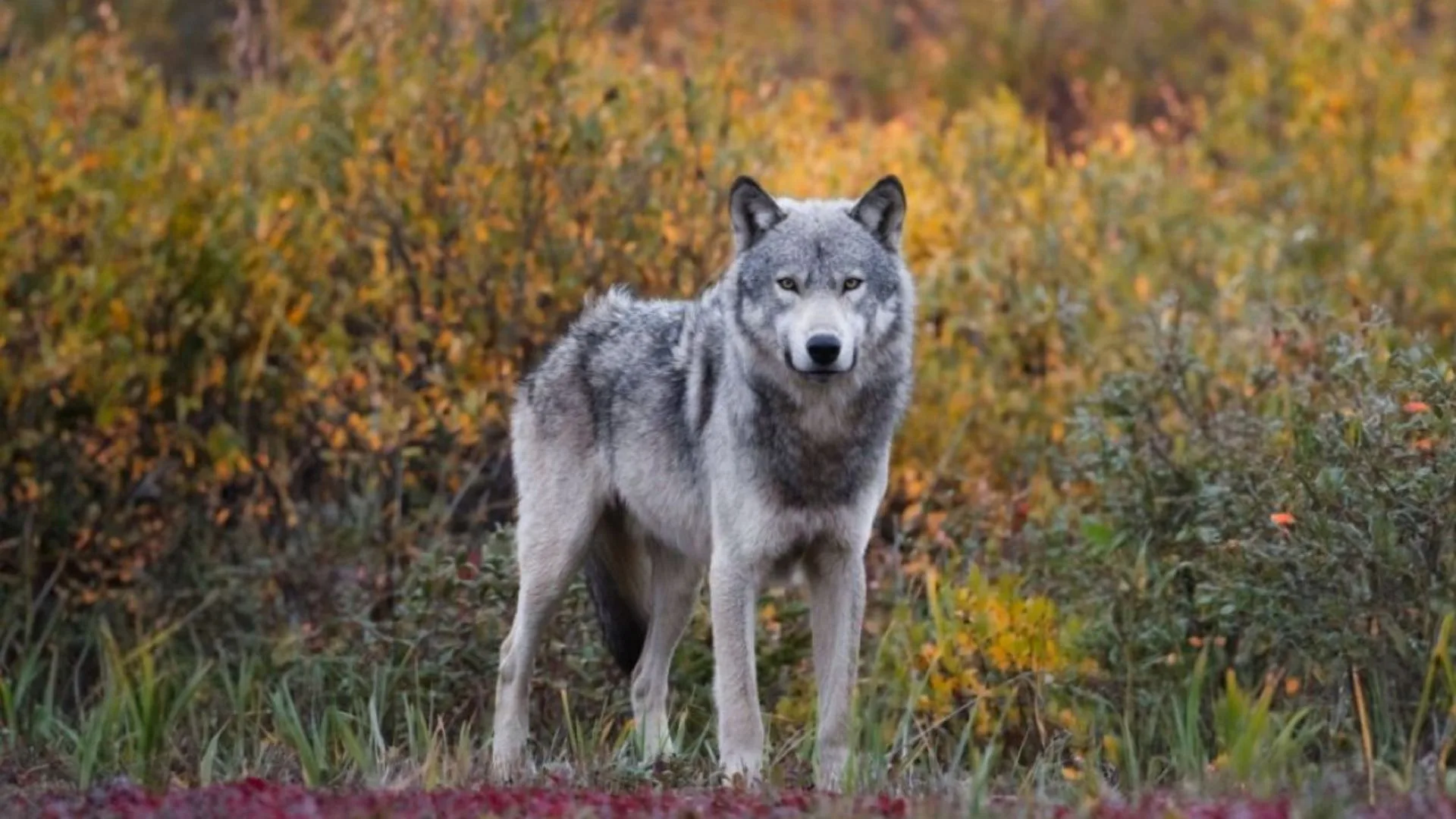
Greece has confirmed its first-ever wolf–dog hybrid, marking a surprising development as wolves continue to expand across Europe, according to tovima.com. The finding came from Callisto, a wildlife conservation organisation, which analysed 50 genetic samples from wolves on the mainland. One sample proved unusual: it carried a mix of 45% wolf DNA and 55% domestic dog DNA.
Ancient Connections, Modern Crossings
Though a Chihuahua and a wolf look worlds apart, the genetic gap between dogs (Canis familiaris) and wolves (Canis lupus) is remarkably small—about 0.04%. Their evolutionary split occurred somewhere between 14,000 and 40,000 years ago, yet their ability to interbreed remains.
Most wolf-like species-including dingoes, coyotes, jackals, dogs, and wolves—can produce fertile hybrids, complicating strict definitions of “species.” The assumption that crossbreeds are sterile doesn’t apply here, as all these canids share the same number of chromosomes, making interbreeding relatively easy.
A Long-Standing Global Pattern
Hybridisation between dogs and wolves is not new. Research published in 2018 found domestic dog DNA in 62% of wolves across Eurasia, suggesting interbreeding has persisted for thousands of years. In the U.S., wolf–dog hybrids number roughly 300,000. Encounters typically occur when a female dog in heat wanders into wolf territory.
A Growing Wolf Presence in Greece
The discovery also highlights the resurgence of wolves in Greece. Callisto estimates the national population at around 2,075 and rising after years of decline. While hybrids remain uncommon, their appearance reflects the increasingly complex interactions between wildlife, domestic animals, and human environments.
The newly identified hybrid is more than a scientific footnote-it underscores how closely intertwined the natural and human-shaped worlds truly are.
Source: tovima.com
