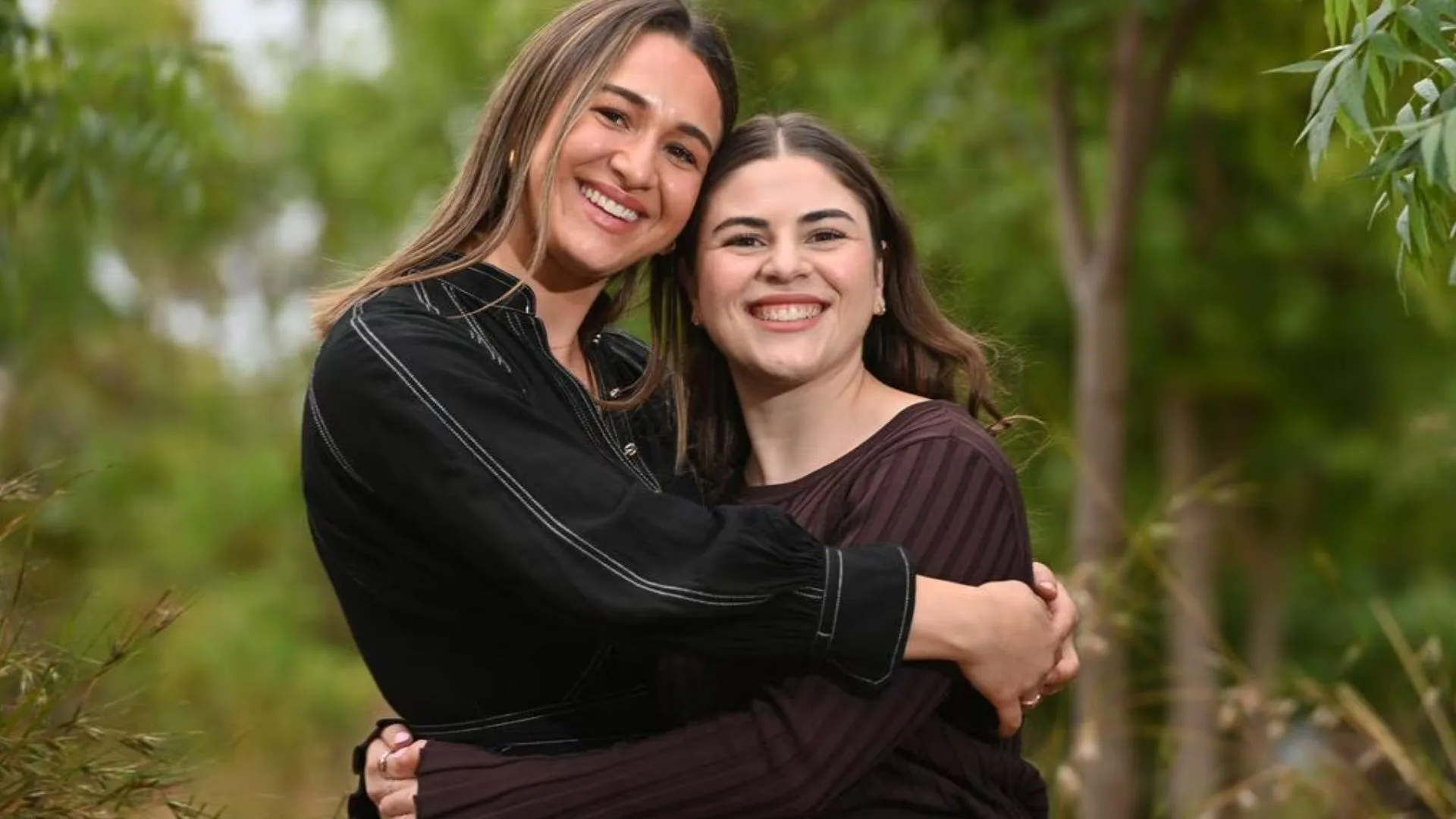
Years after her younger sister Georgia was diagnosed with type-one diabetes, Sevanah Pantelis began experiencing similar symptoms, according to the Advertiser. At just 10 years old, she received the same diagnosis, marking the beginning of a lifelong journey both sisters would share.
“I was really annoyed that it got me too,” the now 30-year-old told The Advertiser.
For two decades, the sisters have navigated the constant demands of the condition — from finger pricks to insulin injections — until eventually moving to an insulin pump to ease the daily burden.
“People with type one are making 180-plus additional decisions per day, it’s really fatiguing,” Ms Pantelis said. “We talk a lot about diabetes burnout … It’s hard to take the role of a pancreas.”
Sevanah was diagnosed on August 11, 2005 after arriving at emergency feeling unwell. “I felt really ill, very tired, very thirsty, wasn’t hungry, I was going to the toilet a lot,” she said.
Although her family had already adapted to Georgia’s diagnosis, she says taking responsibility for her own care was a difficult shift. “All of a sudden, it was on me to not eat that chocolate when I really wanted to,” she said.
Despite the challenges, the sisters have never let diabetes limit their ambitions. “I’ve played really high level sport … I travel the world,” Ms Pantelis said.
Both began using the Omnipod insulin pump in 2021, a device she calls life-changing — but one she must self-fund. “It’s quite inequitable at the moment,” she said.
Source: The Advertiser
