This presentation examines the formation of local subjectivities in early 20th-century Ottoman Manastir within the context of transnational connections shaping of these identities. The focus lies on the story of a Vlach priest navigating his way within the local Vlach community in Manastir (Bitola) and international politics involving the Ottoman Empire, Greek and Romanian states.
It traces tensions, conflicts, and instances of violence surrounding the Vlachs before and after 1905 when Vlachs officially gained millet status.
It investigates the actions of ordinary people and local figures as active agents employing complex strategies and negotiations in shaping their identities and gaining power, while underlying the intricate and fluid nature of identities during an era marked by contesting nationalisms, influenced by the local, mundane and transnational factors.
Competition over the Balkans was driven by a web of networks, ambitions and conflicts over the political control in the region. It will look at Romania’s role as a participant in shaping identities and influencing the efforts of Greek, Bulgarian and Ottomans states. Within the framework of Ottoman-Greek relations, the Vlach case also provides insights into Ottoman state’s efforts to counter Greek nationalism within its territories, and sheds light on forces contributing to shaping of Modern Hellenism.
BIO
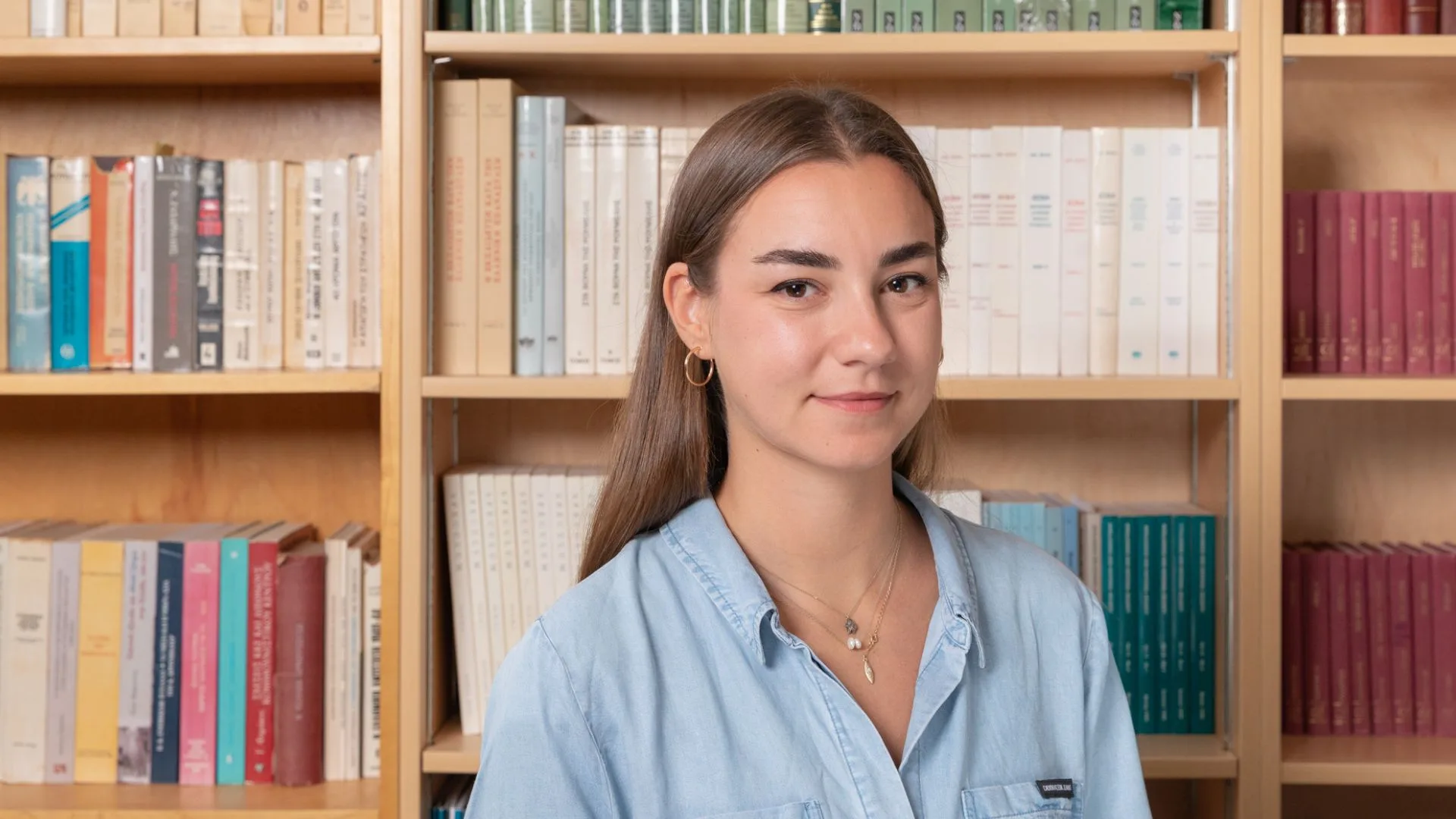
Naz Vardar (she/her) is a PhD candidate in the History Department at Simon Fraser University in British Columbia, specializing in the social and cultural history of the Ottoman Empire, modern Greece, and modern Turkey. Vardar’s current research focuses on the Greek-Orthodox carnival festivities in the context of the transition from empire to nation-states in Asia Minor and Northern Greece, exploring themes of nationalism, class, gender, sexuality, and emotions. Before joining Simon Fraser University, Vardar earned a BA and an MA in history from Boğaziçi University in Istanbul.
Event Details:
- When: Thursday 12 June 2025, 7pm (12pm Athens time)
- Speaker: Naz Vardar
- Seminar: Shaping Vlach Identity: Local Agents and Transnational Competition in Ottoman Manastir in the early 20th century
- Where: Online – Facebook/YouTube
- Language: English
.)