
Journey to the surreal heart of Kythera in James Prineas’ new comedy, where humour, myth, and stunning landscapes collide in an absurdist tale that’s as enchanting as it is unpredictable.
In An Island Named Desire, the irresistible elderly siblings George and Poppy return to the screen and to Kythera after an adventurous six months in Australia, where they faced off with crocodiles and came back in style – with a chauffeur, limousine, and bags of cash. But they’re back with different hopes: Poppy dreams of her sheep and zucchini, while George wants daily champagne breakfasts.
Things soon get absurdly complicated, as hidden secrets emerge and metaphysical encounters challenge them, leading to a fateful showdown with The Prince of Darkness himself – played by Chilean heartthrob José Lezaeta in a nod to Bergman’s The Seventh Seal.
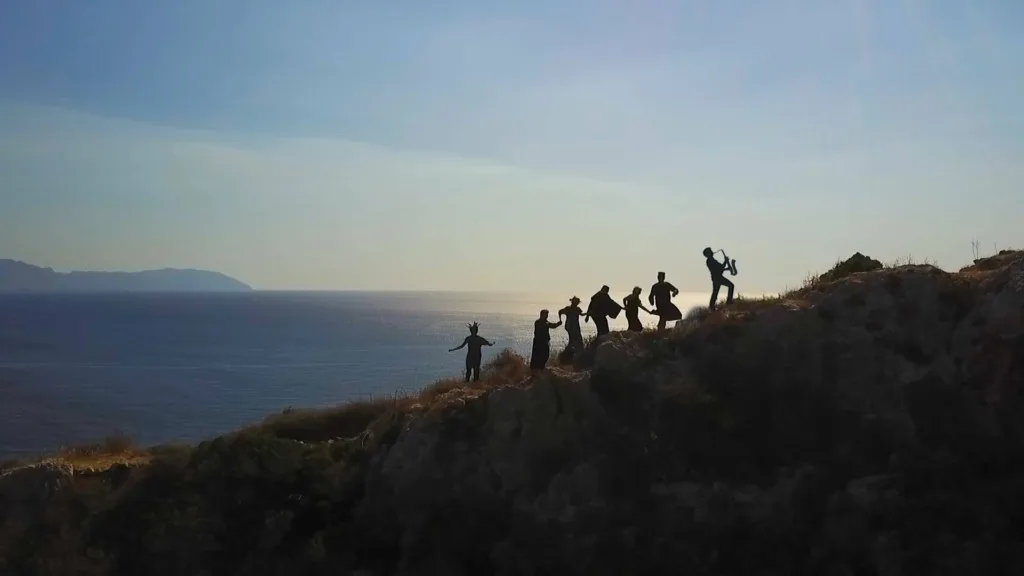
The cinematography in An Island Named Desire is hypnotic, capturing Kythera’s essence in a way that resonates universally – whether you’re a longtime lover of the island, have family roots there, or are simply a newcomer to its allure. Sweeping shots of abandoned villages, jewel-toned pools, and the timeless, rugged landscape bring Kythera to life as a mythical paradise. With every frame, the island transforms into a character of its own, echoing its rich history in art and legend, from Watteau’s idealised depictions, to ancient Greek tales of desire and beauty.
Prineas presents Kythera as if it were the most enchanting real estate on Earth, inviting viewers to fall under its spell, lingering in a place where wonder, humour, and absurdity blend seamlessly against a stunning Aegean backdrop.
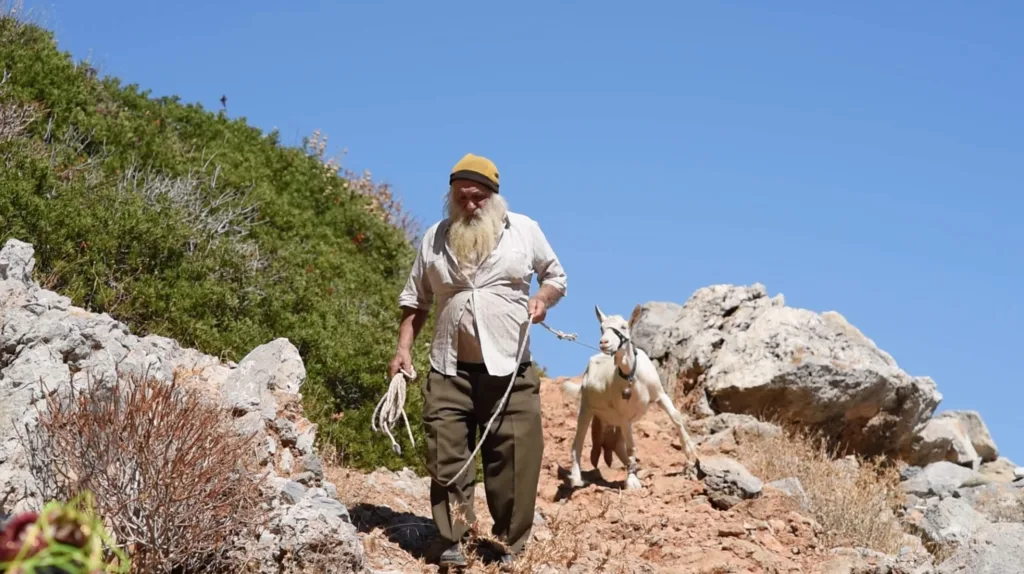
Blending dark humour with absurdist twists, the film immerses viewers in a magical Kythera where anything can happen. The locals, playing exaggerated versions of parodies of themselves, lend a cult charm to the story.
Prineas crafts a poetic vision of the island, with Katya Sourikova’s score weaving in natural sounds and nostalgic Greek melodies. Evoking both classic cinema and Greek humour, An Island Named Desire is a uniquely odd comedy that captures the Aegean spirit and will leave you both enchanted and laughing.

Event Details
- 4pm Sunday, November 17th
- Rated PG, 90 minutes.
- UNSW Mathews Theatre
- Botany Street, Randwick
- Free parking in Uni car park on the weekend
- Book at: https://www.trybooking.com/CWRET
- $20 adults, $12 Children under 18
