3,500-year-old settlement and massive ancient Greek structure found in Croatia

·

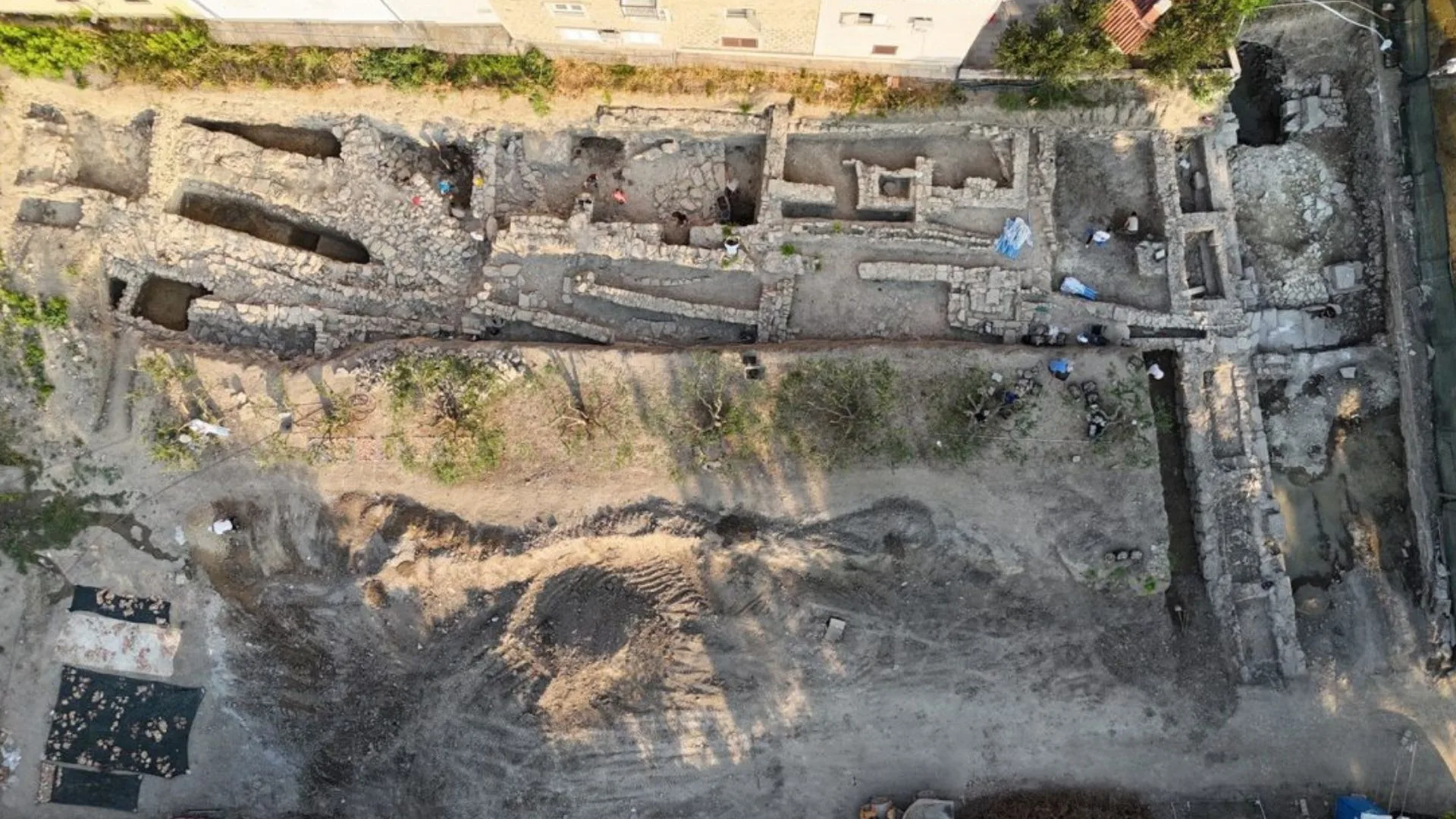
Archaeologists have uncovered a 3,500-year-old settlement in Stobreč, a village near Split, Croatia. The discovery includes a well-preserved Greek rampart, stretching over 230 feet, along with structures from various historical periods, providing significant insights into the region’s ancient past, according to arkeonews.net

Located along Croatia’s coast, the excavation took place in an area planned for future construction. Croatia’s Ministry of Culture and Media announced the find, which revealed remains of the ancient settlement of Epetion. The site had been listed as historically important but was largely unresearched in recent decades.

“These findings are extraordinary, particularly the Greek wall, which is about 40 meters long and reaches over three meters deep in some sections,” said archaeologist Dr. Marina Ugarković from the Institute of Archaeology. The wall is considered the best-preserved Greek rampart in Croatia, comparable to other significant ancient discoveries worldwide.
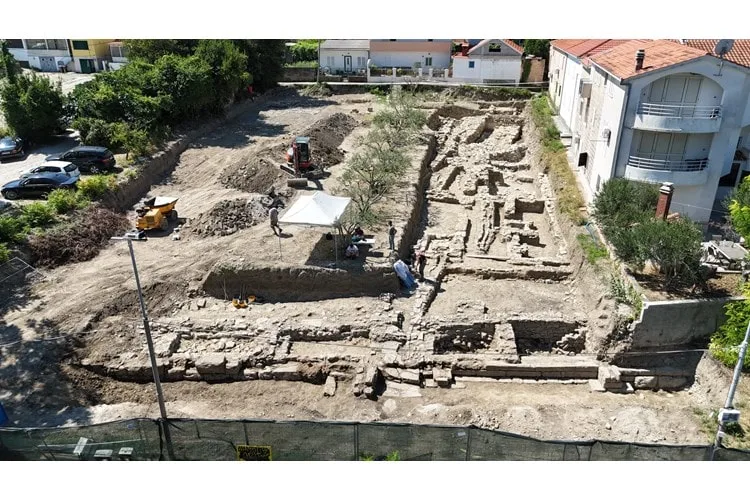
Photo: Croatia’s Ministry of Culture and Media

Dr. Ugarković’s research uncovered structures from various periods, ranging from prehistory through the Hellenistic and Roman eras, to late antiquity and the early Middle Ages. The oldest remains date back to the Middle Bronze Age, around 3,500 years ago.

Among the discoveries is a massive Greek rampart, over 2,000 years old, notable for its L-shape. The longer segment is asymmetrical, while the shorter consists of five rectangular formations. Standing about 10 feet high, it ranks among Croatia’s most impressive and well-preserved ancient structures.

This discovery sheds new light on the area’s prehistoric history. The Greeks established colonies in modern-day Croatia in the fourth century B.C., followed by Roman influence in the second century B.C. Stobreč later became a key Roman trade center.

Source: arkeonews.net

Share:

KEEP UP TO DATE WITH TGH

By subscribing you accept our Terms of Service and Privacy Policy.

Latest News

Why Australians of Cypriot descent are reclaiming their place in the ANZAC tradition

From Greece and Crete to North Africa and Rome, Cypriots fought alongside Australians and their descendants will march again this ANZAC Day.

Thebarton Hellenic Festival 2026 to unite culture, community and ANZAC tribute

The Thebarton Hellenic Festival 2026 will bring Adelaide together for a celebration of Greek culture, opening with an ANZAC Day tribute.

Cyprus Community of NSW affirms support ahead of Armenian genocide commemorations

The Cyprus Community of NSW has reaffirmed its solidarity with Armenians, supporting recognition and remembrance.

Battle of Crete Council honours ANZAC nurses at Melbourne commemorative service

The Battle of Crete & Greece Commemorative Council of Victoria was represented by Natasha Spanos, at an ANZAC Commemorative Service.

GCM seminar to explore shifting Turkish narrative on Gallipoli commemoration

The Greek Community of Melbourne will host an online seminar this Thursday, April 23, as part of its 2026 Seminar series.

You May Also Like

Skeleton discovered in Pompeii shows first evidence of Greek language

An inscription of the tomb suggests its owner, a freed slave named Marcus Venerius Secundio, helped organise performances in Greek Pompeii.

Rain fails to dampen Epiphany spirits in Port Melbourne

Sandals were ruined, dresses drenched, and wayward umbrellas twisted in the wind as the heavens opened for Epiphany Day celebrations.

GOCSA issues message of solidarity ahead of anniversary for Tempi train tragedy

GOCSA has issued a message of solidarity ahead of the second anniversary of the Tempi train tragedy on February 28