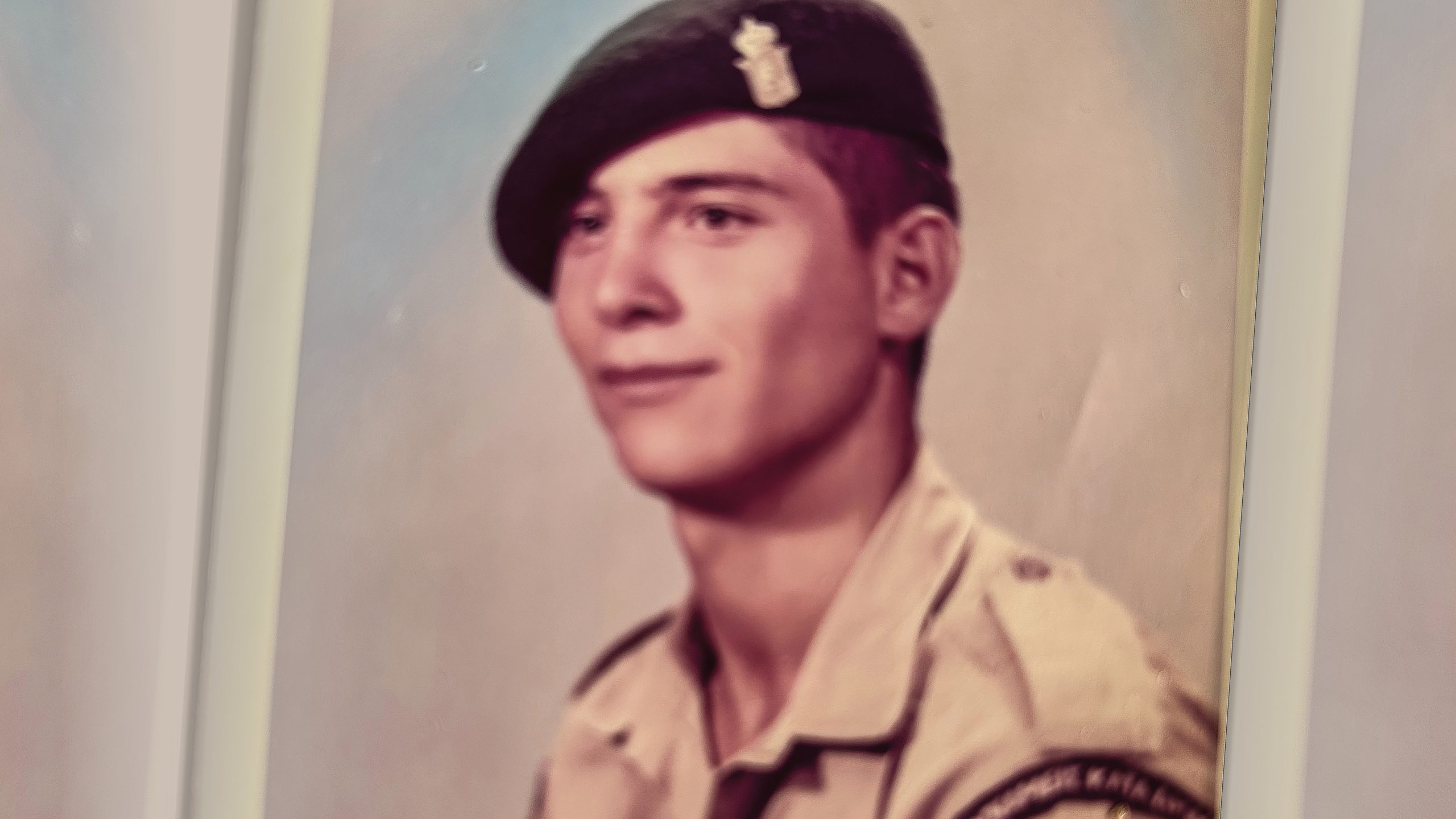
By Giorgos Psomiadis.
When Cypriot man, Loukas Christou, came to Australia with his wife and three kids in 1989, 15 years had already passed after Turkey’s invasion to Cyprus.
Today, 49 years after the events of July 20, 1974, Mr Christou reflects from Melbourne, Victoria on his memories of these turbulent times, taking us back to the day he was called to join the military forces, remembering incidents on the battlefield and sharing with The Greek Herald a family story of separation, migration and reunion.
Chaos during the Turkish invasion of Cyprus:
Mr Christou was called to fight in the Cypriot army during the Turkish invasion of Cyprus. His wife was six months pregnant at the time.
“When I left, my wife told me, ‘be careful’ and I said, ‘where I go there is no such thing as being careful. If a bullet finds me, it will have my name written on it’,” he says and continues his narration.
“We went on the bus and they drove us to the city center. In the city there was a Turkish enclave very big and strong. We couldn’t pass through it. They sent us to take it over. It was a very dangerous, residential place.
“They were defending and you didn’t know where danger will find you from. They were armed and we didn’t know that. The Turkish Resistance Organisation (TMT) trained them and gave them armoury. There was only one entrance from a bridge to pass. They had put snipers and it was hard to do so. We couldn’t spot them.”
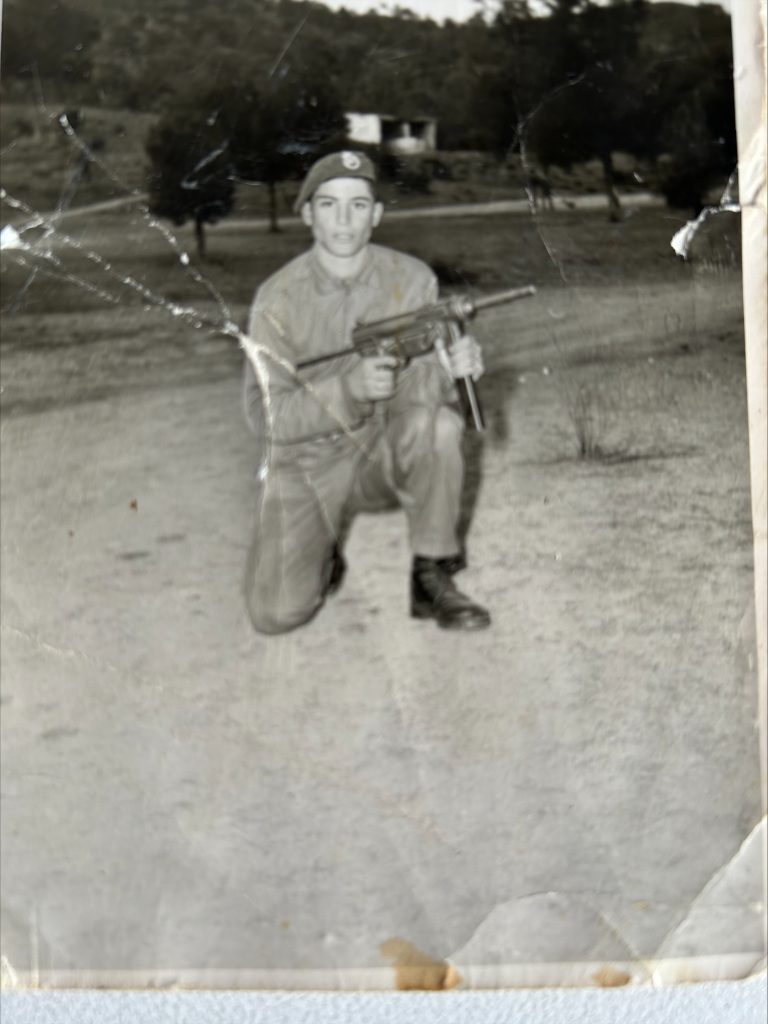
Mr Christou then describes what they faced after getting into the enclaves.
“We were walking in the streets of residential areas, we were trying to capture the Turks but they had a military camp, which we spotted after. We went inside and they had arms and were hitting us. There was unbelievable heat,” he explains.
“They had armoury in a tunnel, we found it and took it out. We started gathering children, women, and those who surrendered, but there was resistance and you could hear shootings. It was chaos. You didn’t know where a bullet would find you from. It started getting dark, there were no lights.”
‘Don’t be afraid’:
Mr Christou also remembers an incident with a Turkish old lady he encountered at a house. He was really thirsty and asked her for water in Greek.
“They understood Greek because many Turks were working at the port. She gave me a bottle and I asked for a glass too, because we were afraid of what was inside. She brought it and I told her to pour the water in. She told me in Greek, ‘don’t be afraid, there is nothing inside there’,” he details.
Mr Christou explains how Turks were also putting grenades behind doors. Many people died that way. Enclaves were also a tough place to be.
“We were walking and hiding near the parked cars,” he says.
He remembers trying to warn a soldier not to open a door he was walking towards because he had seen three Turks inside. When the soldier was almost there, Mr Christou threw a grenade.
“There was always fear because in residential areas you don’t know where the danger will come from,” he explains.
“One night we gathered the people we had captured to take them to a stadium. There was a big one in the city. They were asking for water, they were thirsty.”
He remembers calling someone with refreshments to give them some water to quench their thirst.
“They were humans too. It was mostly the TMT that urged them to resist and fight,” he says.
During his time fighting, Mr Christou’s family didn’t know his whereabouts.
“My wife didn’t know where I was. She gave birth and I was in the army,” he says.
His father went to search for him in the city and asked at the military camp if anyone knew his son’s name, but they all said no.
“He said to my mother that he didn’t find me and my mother was shocked. It’s hard, when you don’t have signs of life for days,” Mr Christou says.
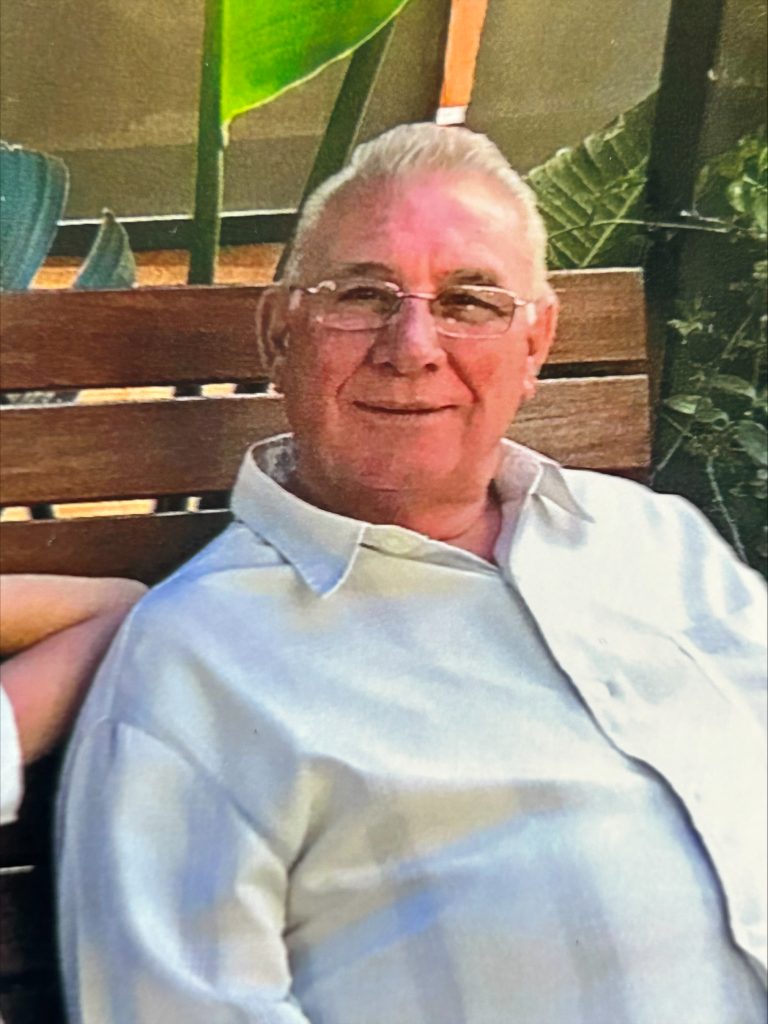
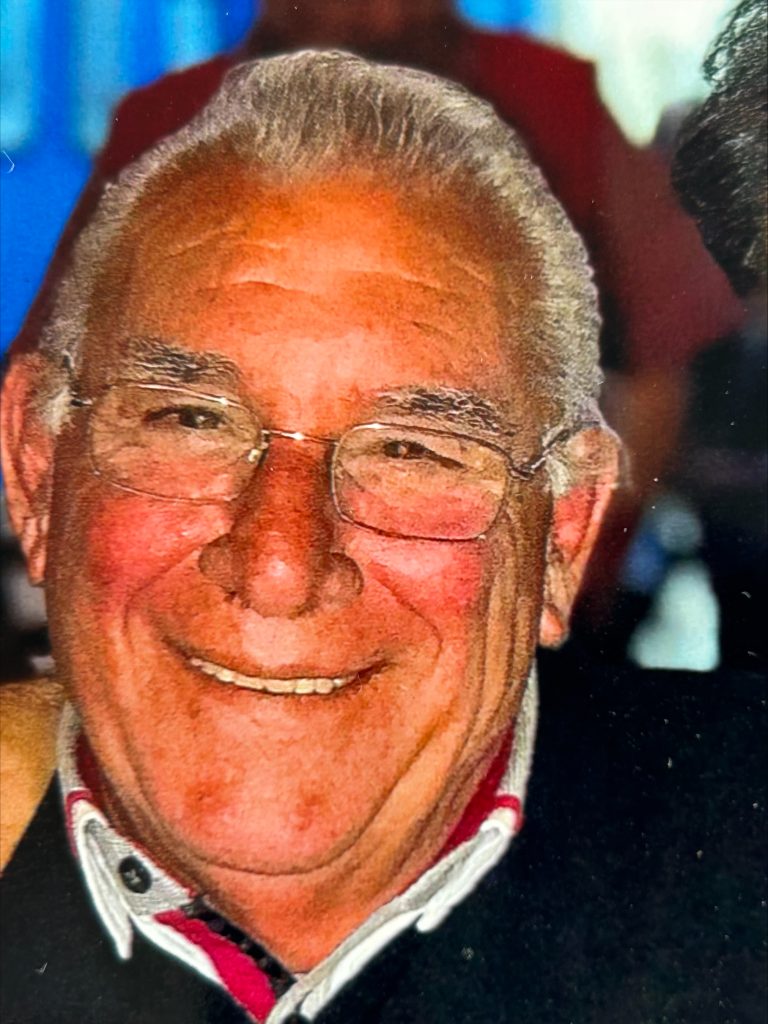
Migrating to Australia and the return to Cyprus:
Before the Turkish invasion, Mr Christou’s two brothers left for Australia in 1957 after his parents got divorced. He was three at the time, and stayed back in Cyprus.
“I knew that they were here [in Australia] but it was not that easy as today to communicate,” he remembers. “I knew that I had two brothers, but I didn’t know them.”
Ten years after the invasion, in 1984, his oldest brother decided to visit Cyprus and Mr Christou met him in person. The other brother followed two years later.
“It was God’s gift,” he says about the chance to see them.
It was his siblings who urged him to come to Australia and in 1989, Mr Christou’s migration story began.
“It was really hard when we came because we came in May and it was hard to find a job. My brothers tried to help me anyway they could. This was a decision, both mine and my wife’s, for our children to have a better future,” he says.
Mr Christou started working seven days a week, 12 hours a day. He knew how much he and his wife would miss home.
“It was a sacrifice for the children and it came true, with all of them. I didn’t regret it,” he says.
Asked how he feels today when he returns to his home in Cyprus he says: “Since 1989 I have returned six times to Cyprus. When I was coming out of the airport, I felt very happy to be back in my country but sad too because it was divided. Until this day I have not gone to the taken land.”
“When we came to Australia our lives changed,” Mr Christou adds.
“I think we are in more pain here, because we miss it. The events we do here they don’t happen back there. We love our home twice because we miss it. We are trying to keep our culture and the faith to our home, because we live in a distant country.”

