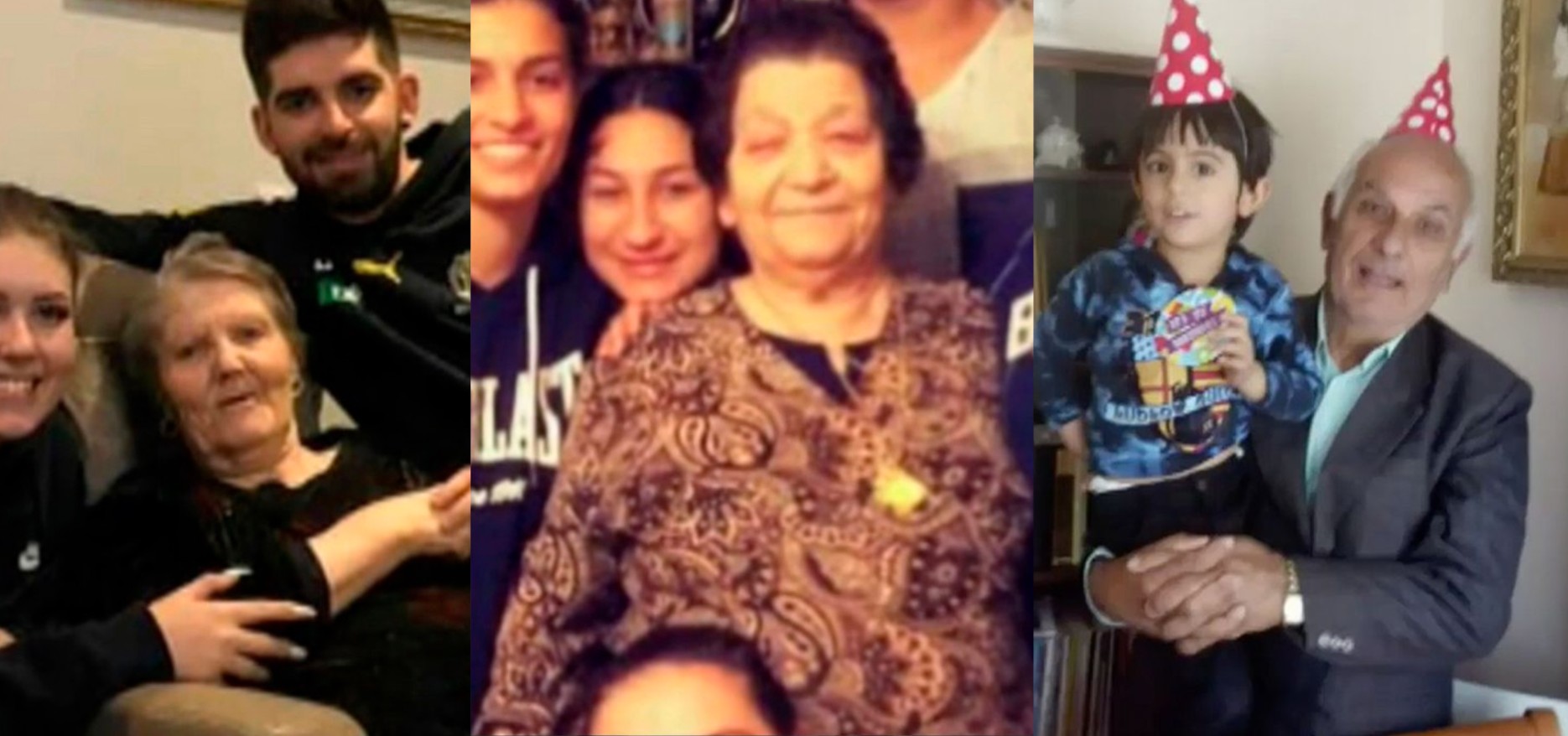
The coronavirus continues to plague citizens in Melbourne, with three of the latest victims of the deadly disease being grandparents of Greek origin.
Nine News identified two of the victims as two Greek grandmothers Maria Vasilakis and Helen Alexiou. Both victims were part of Victoria’s deadliest day of coronavirus, with the state’s COVID-19 death toll rising to 56.
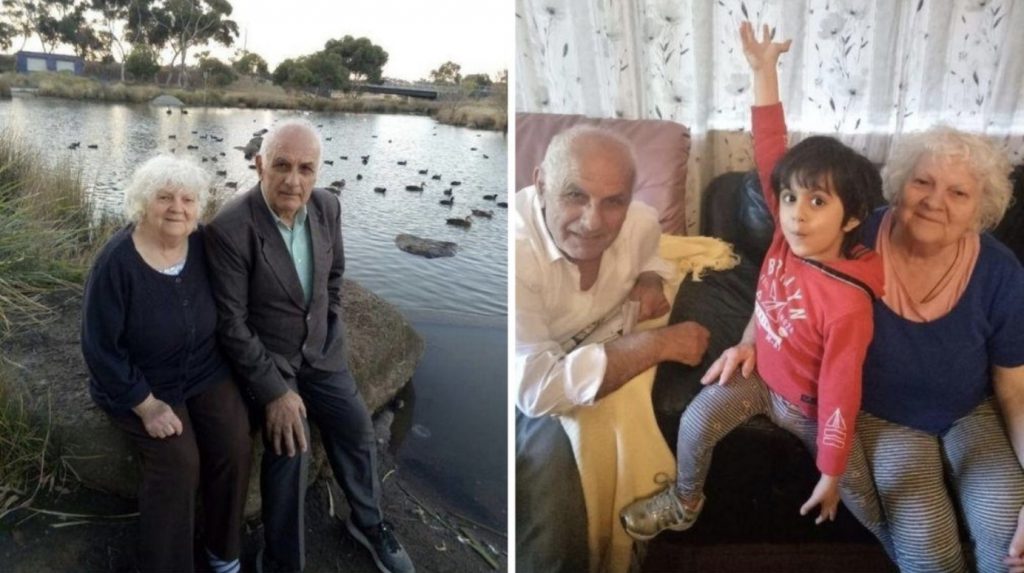
Another victim was 80-year-old Greek migrant Haralambos Bakirtzidis who died in Footscray hospital following an 11-day fight on a ventilator after contracting COVID-19, Nine News separately reported.
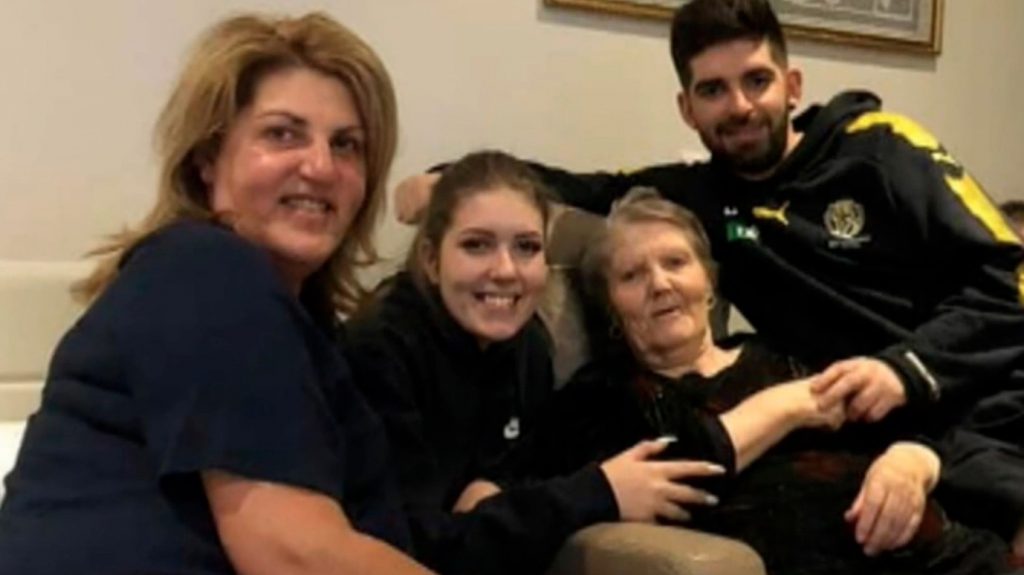
Grandmother Helen Alexiou., who has died from COVID-19. (Photo: Nine) 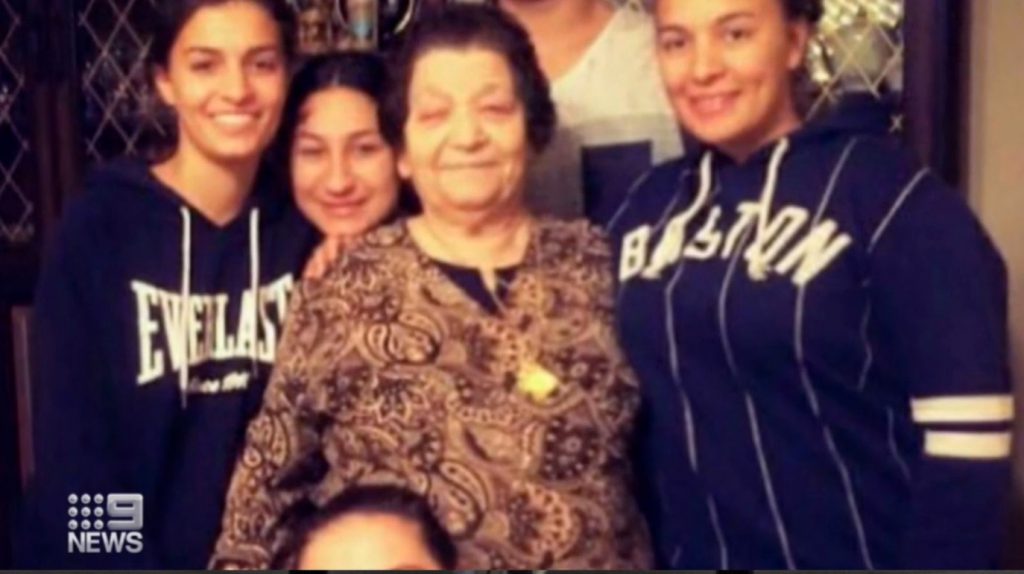
Maria Vasilakis has died of coronavirus in Melbourne (Photo: Nine)
According to his daughter Athina, the Greek father continued visiting the TAB and shopping despite falling ill. Haralambos believed he had the flu after calling an ambulance but did not need to go to hospital.
“I wish I could have tied him to his chair at home. I wish I could have yelled at him. I wish I had done a lot more and said ‘Dad, no. If you go (out) this is how it will affect us’,” Athina told Nine News.
Mr Bakirtzidis immigrated to Australia from Greece in the 1970s and had misinterpreted what medics told him initially, believing he had the flu.
After he couldn’t eat, sleep and drink, an ambulance was called a second time and he was admitted to hospital, testing positive for coronavirus the next day.
Athina, along with her three siblings, watched their father deteriorate over Facetime while prohibited from visiting him in hospital. Her mother, who had also contracted coronavirus, was the only one allowed to be by his side.
“He told me ‘I don’t want to die.’ And I told him you have to trust the doctors,” Athina said.
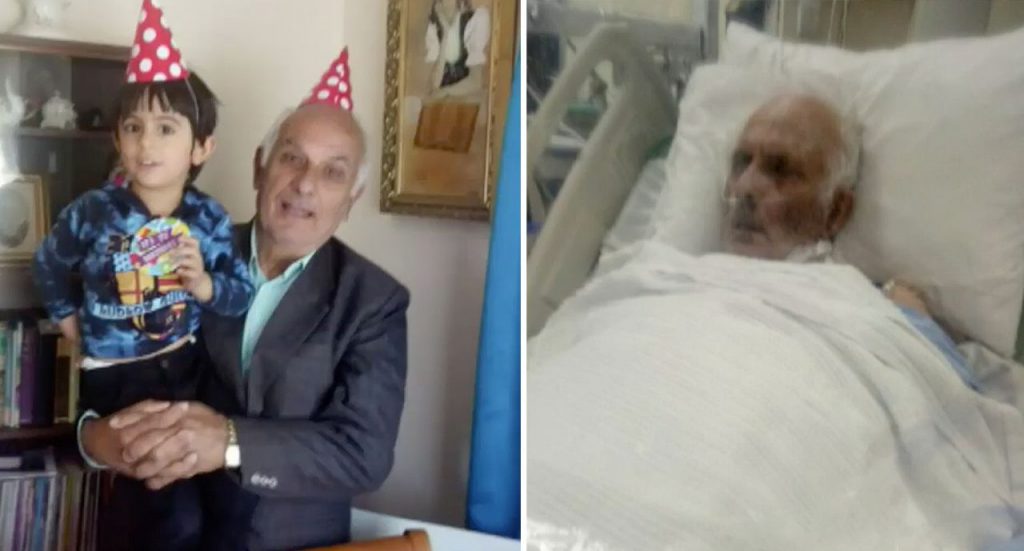
Mr Bakirtzidis died at the Footscray hospital after being taken off his ventilator. Athina and her siblings are waiting for their mother to recover before burying their father. She’s issued a warning to anyone, particularly older Melbournians, who are becoming complacent.
“It’s very hard. Dad can’t even have the funeral he deserves,” she said.
“I do feel robbed because I had so much more I wanted to share with him. It will take our family a long time to recover. We may never recover.”
