Remains of the late Archbishop Stylianos of Australia’s father identified years after Nazi execution

·

For the first time in Greece’s history, DNA analysis was performed on victims of Nazi executions during World War II and among those remains identified was the father of the late Greek Orthodox Archbishop Stylianos Harkianakis of Australia.

The father of Archbishop Stylianos was among 18 victims identified from a Nazi massacre that took place at a little town on the Greek island of Crete called Adele. Other victims included four relatives of the Alexandrakis family.
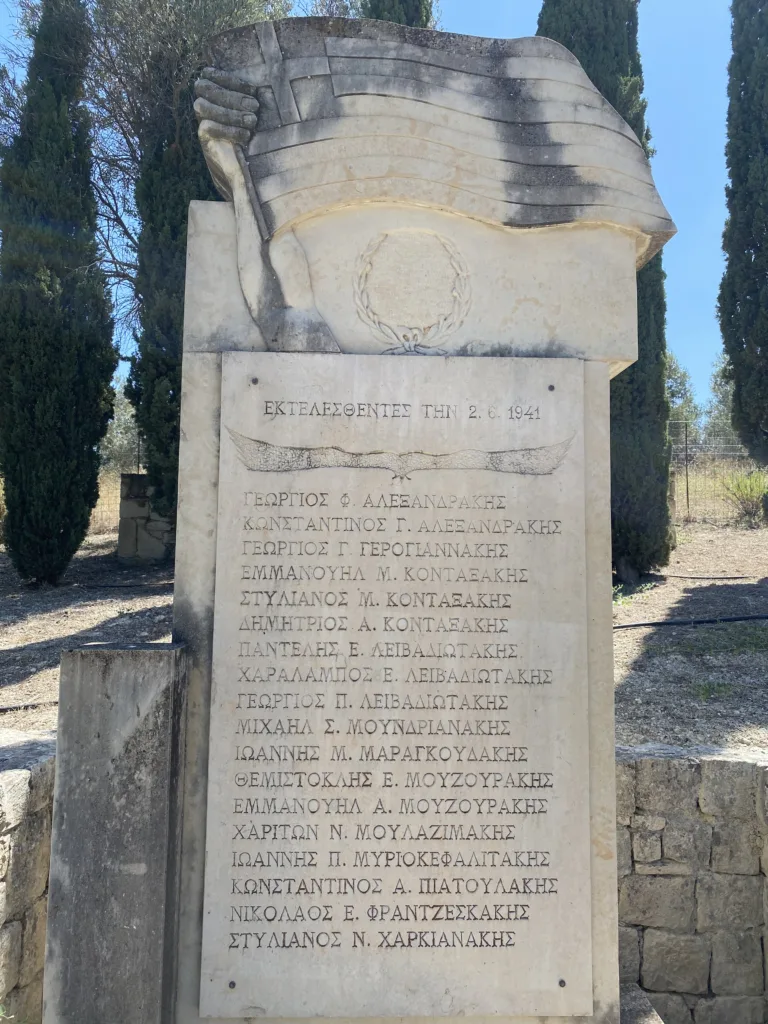
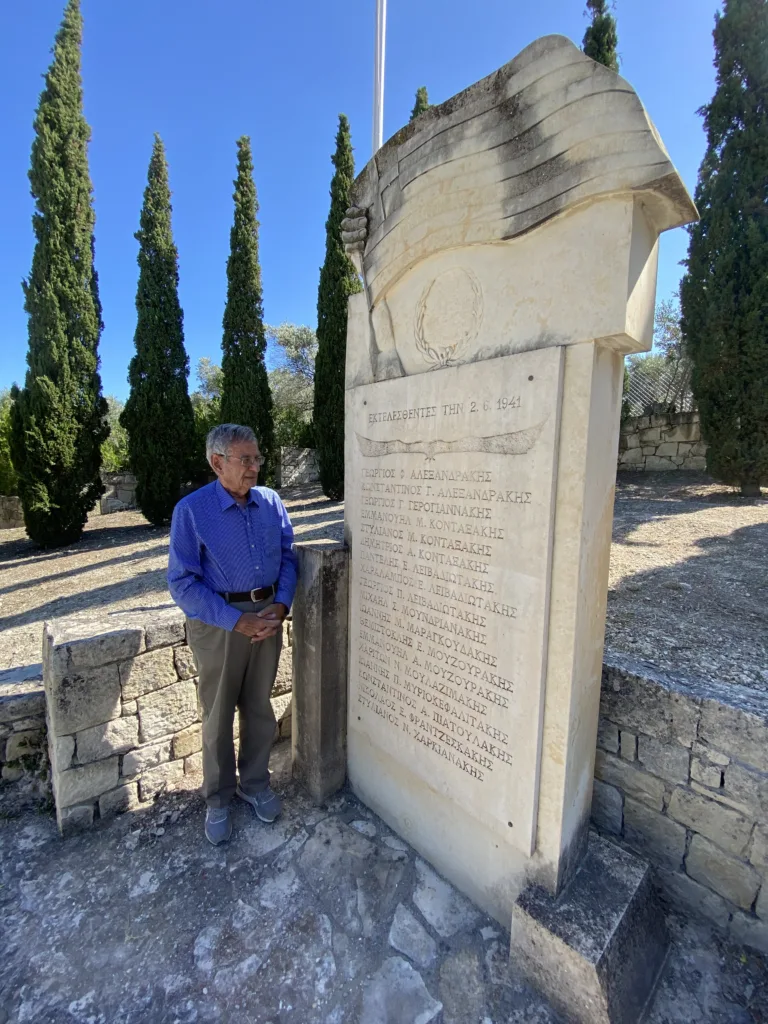
18 males ranging from age 67 to 16, were rounded up by Nazi forces in the town of Adele on June 2, 1941, marched to a secluded area amongst the olive groves, ordered to start digging, were shot on site, and buried in a mass grave. Their remains were found two weeks later and moved to another grave. In 1960, the remains were exhumed but they could not be individually identified until today.

The identification effort led and sponsored by the Alexandrakis family, is a collaboration between Dr George Alexandrakis, the University of Crete, and the Foundation of Technology and Research [HTE]. The effort not only hopes to bring closure to an 83 year old wound, but to also create awareness of many forgotten injustices that have taken place, not only in Greece, but worldwide.
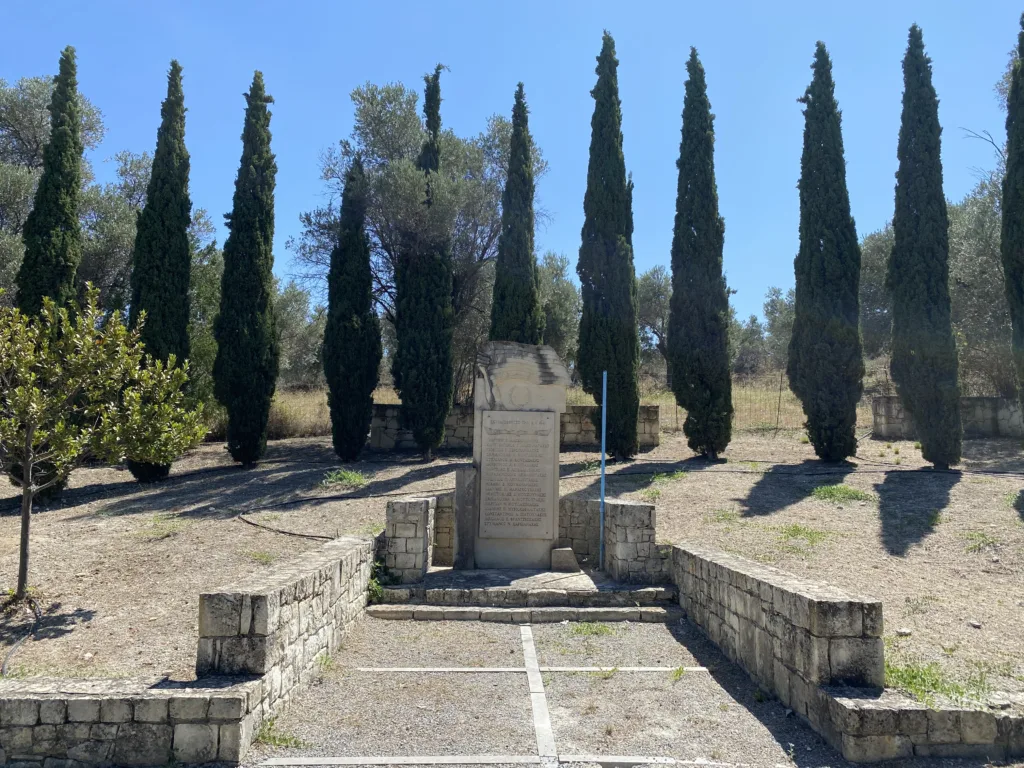
Memorial at execution site
Memorial at execution site.

“I’ve been working on a family project for several years now, and hoped that one part of the project would be matching the massacre remains to surviving family members through DNA analysis, but the whole process was beyond me. Two years later my father had the idea to make it happen, and here we are,” two-time Grammy-nominated musician Eric Alexandrakis said.
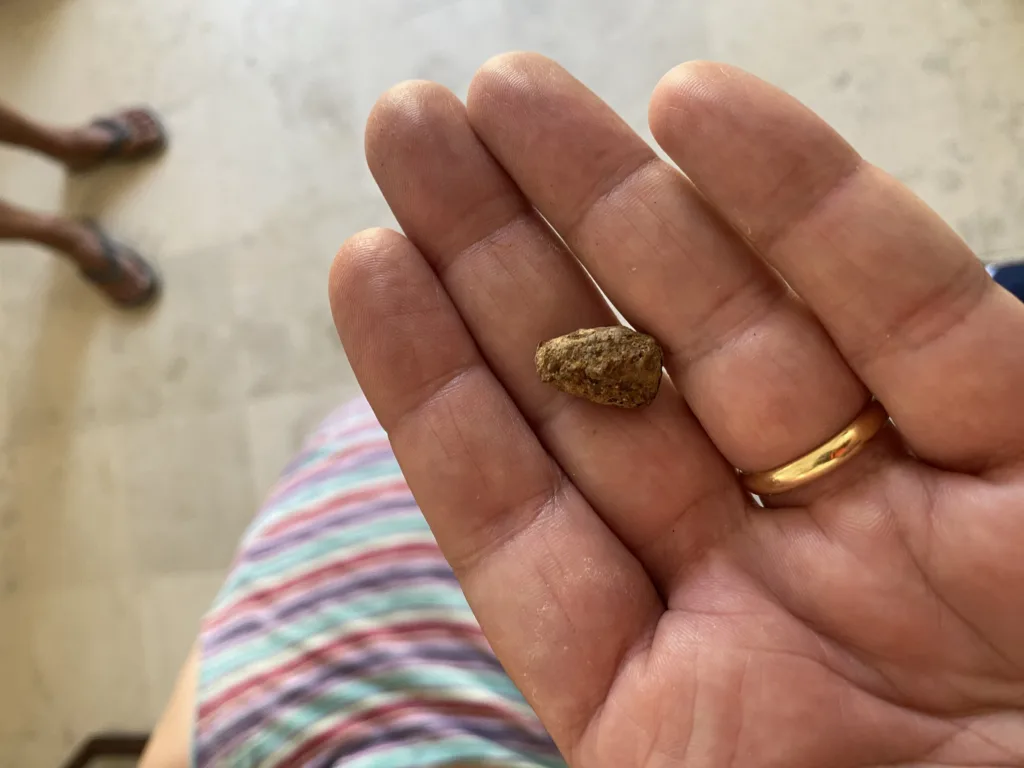
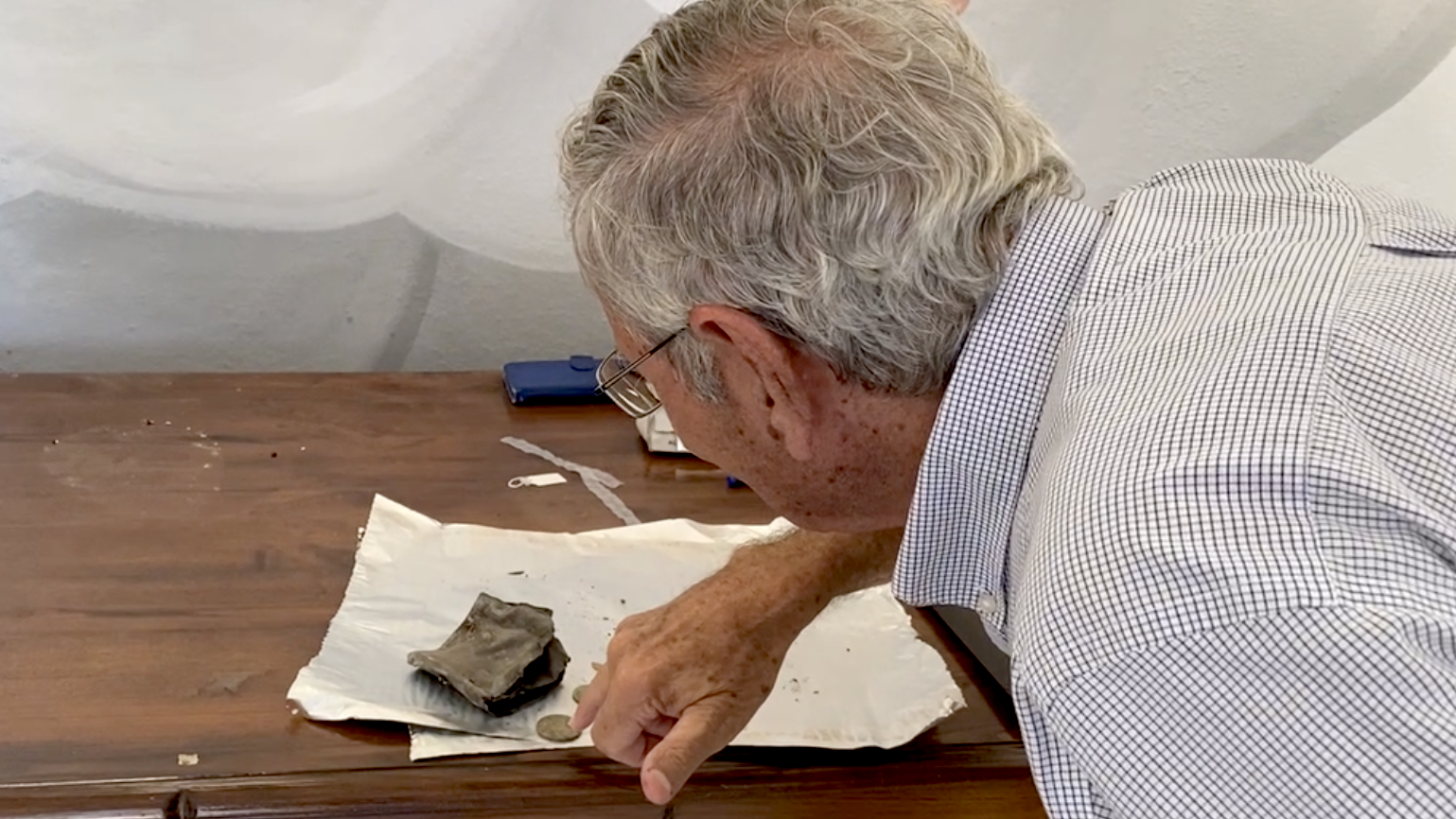
Eric Alexandrakis holding one of the bullets found in one of the skulls
Eric Alexandrakis holding one of the bullets found in one of the skulls.

“It’s been an interesting journey watching the progress, holding the bullets, watching my father unknowingly looking at his grandfather’s wallet and the money in it, and even helping one of the scientists handle the remains.”

On leading, and sponsoring this effort, Dr Alexandrakis said: “Our most sacred oath in Crete is taken on the bonds of our ancestors. I object fundamentally to the inhumanity of mass executions, an act which denies people their identity.”

Share:

KEEP UP TO DATE WITH TGH

By subscribing you accept our Terms of Service and Privacy Policy.

Latest News

Kastellorizo documentary festival faces uncertain future after funding loss

Organisers of the Documentary Festival in Kastellorizo have raised concerns that this year’s event may be cancelled.

Greece grants permanent protected status to wildlife haven Gyaros

Greece has formally enacted legislation designating Gyaros as a marine protected area, securing long-term safeguards.

‘You’re in the army now!’ Melbourne Yale graduate pauses pro football to serve Greece

“I had to decide: do I leave Greece, or stay and do my military service?” he says, regarding his professional career in the country.

From Laconia to Sydney: Peter Tsigounis’ lifelong service bridging Greece and Australia

Peter Tsigounis has devoted the last decade to being President of the Greek Returned Ex-Serviceman League of NSW.

Gallipoli and the unfinished story of Australia

Dawn services, commemorative rituals, and public narratives continue to reinforce the emotional and symbolic power of Gallipoli.

You May Also Like

‘Sta Ellinika’ app for Greeks abroad launched by Greece’s Foreign Ministry

Greece’s Deputy Foreign Affairs Minister, Kostas Vlasis, has launched a free platform called 'Sta Ellinika' for Greeks abroad to learn about Greece.

PAOK fans clash with police after breaking lockdown rules for anniversary celebrations

Riot police used tear gas to disperse PAOK Thessaloniki supporters who had gathered to celebrate the club's 94th birthday despite the coronavirus lockdown.

The Agora returns to Canberra with a bang as thousands enjoy Greek food and dancing

There was plenty Greek culture at the National Museum of Australia in Canberra on Saturday as 'The Agora: Greek Cultural Festival' returned.