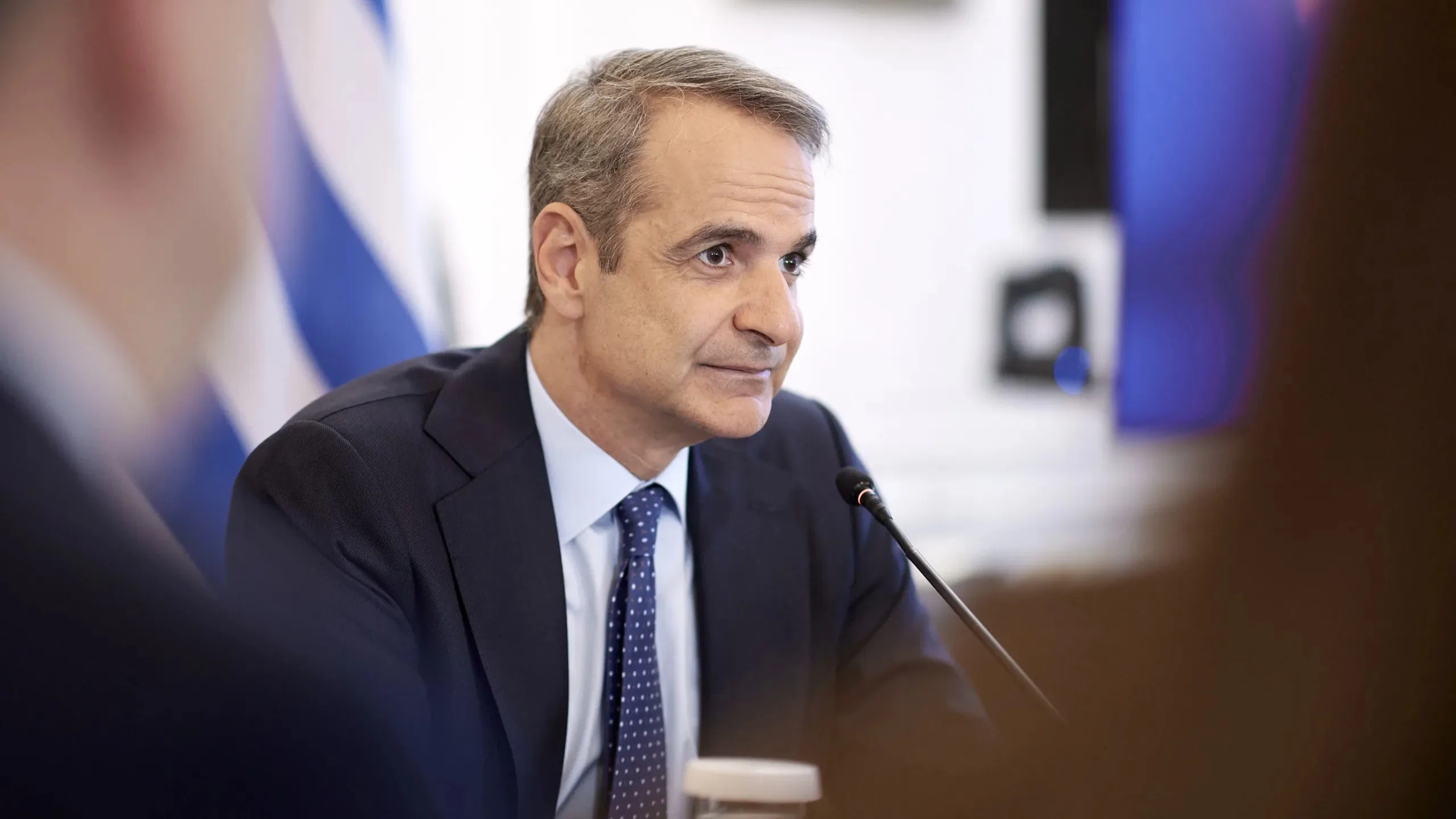
In his regular online weekly review, Greece’s Prime Minister Kyriakos Mitsotakis emphasised that the “protracted geopolitical tension in the Middle East” is “not a distant crisis.”
Mitsotakis outlined the requirement for Europe to be both united and prepared to combat the growing risk. He used the solidarity shown to Cyprus as an example.
“We need a clear and actionable roadmap in case European territory comes under attack,” Mitsotakis stressed.
He referred to the Greek Patriot missile battery stationed in Saudi Arabia as part of their bilateral strategic cooperation and Greece’s successful interception of two Iranian missiles last week.
“Greece continues to act responsibly, reinforcing stability and security in the region,” he continued.
At the European Council summit in Brussels, Mitsotakis discussed that “Europe must have a specific toolbox, capable of offering temporary and targeted support to households and businesses,” especially with the impact households and businesses have already felt with the repercussions of the Middle East conflict.
The Greek government handled over 10,000 requests for help from citizens in the war zone and successfully repatriated near 2000 Greeks through road transport, chartered flights and Hellenic Air Force airlifts.
“This ability of the state to operate with planning, speed, and empathy in times of crisis is the same one we want to guide our day-to-day functioning. Because the international credibility we gain abroad must go hand in hand with a state that daily becomes faster and more efficient at home,” Mitsotakis said.
Discussing Greece’s public finances, Mitsotakis outlined his goal for the country to no longer have the highest public debt in Europe by 2030. The plan includes early repayment of bailout loans, including €7 billion repaid in June and the remaining €19.3 billion repaid in €5 billion yearly instalments over the next 4 years. Greece’s debt will overall reduce from €364.95B (2024) to €362.8B (end of 2025).
Mitsotakis then focused on local matters in Greece. A new collective labour agreement in the catering sector will cover 400,000 workers and includes pay increases and higher base wages. This agreement impacts hospitality and food services.
Mitsotakis is also planning to ban the sale of tobacco and alcohol to minors and to ban minors from entering bars and nightclubs.
Source: AMNA
