A United States blockade of Iranian ports has officially come into force, marking a significant escalation in tensions between Washington and Tehran and raising concerns over global shipping and oil markets.
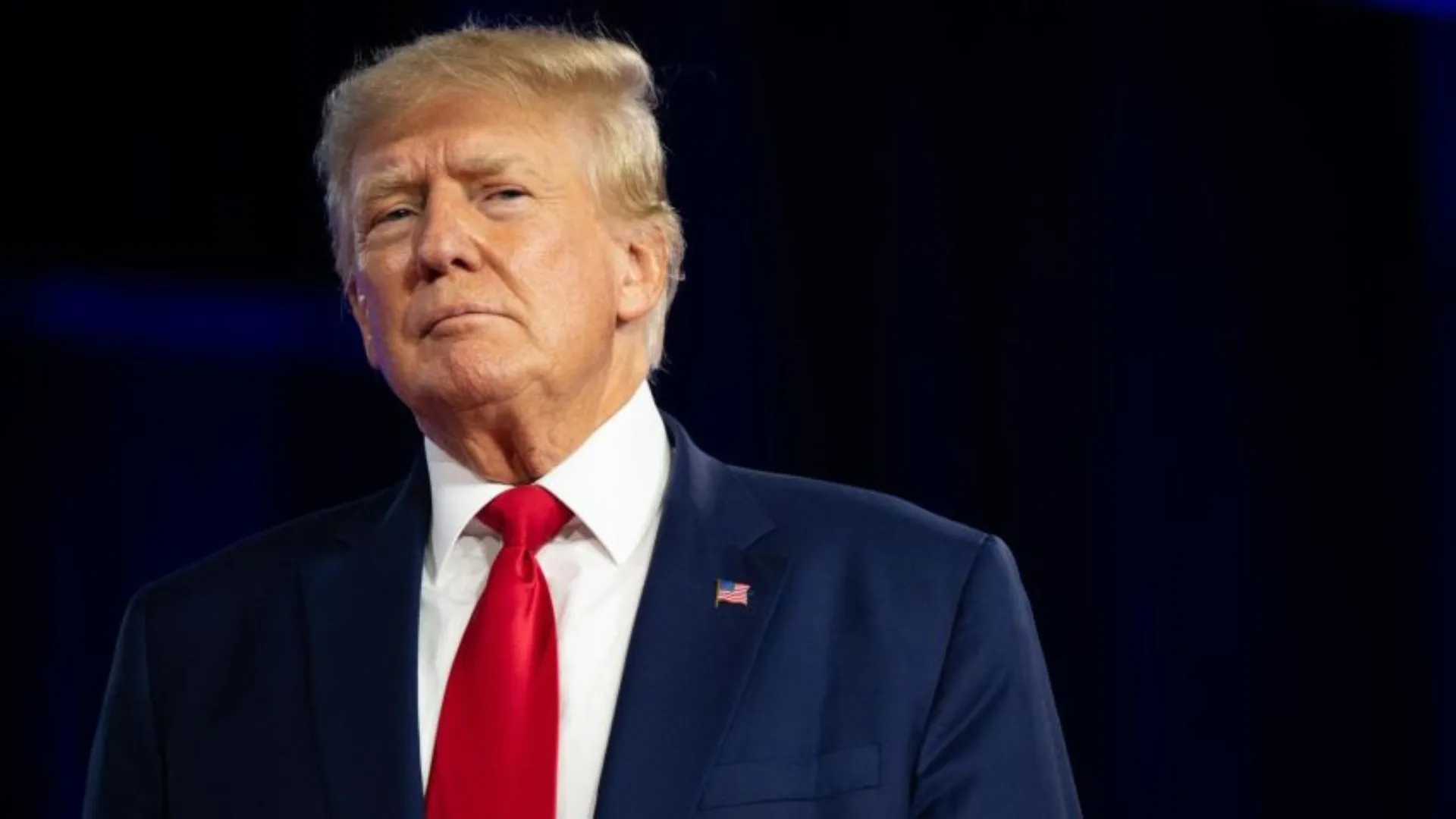
Speaking from the White House, Donald Trump confirmed the operation began at 10:00 ET (01:00 AEST), stating Iran was seeking renewed negotiations.
“Iran wants a deal very badly,” Trump said, adding he had been contacted earlier in the day “by the appropriate people” to discuss a potential agreement.
The US military has begun enforcing the blockade in the Strait of Hormuz, a critical global shipping route, in an effort to prevent vessels from entering or leaving Iranian ports. The move threatens to destabilise an already fragile ceasefire and further disrupt global oil supply chains.
In a strongly worded social media post, Trump warned that any Iranian “fast attack ships” approaching the blockade “will be immediately eliminated.”
Tehran has responded defiantly. Iran’s parliamentary speaker said the country would not “surrender under threats,” while officials warned that if Iranian ports were targeted, “no port in the Persian Gulf and the Sea of Oman will be safe.”
Reports indicate Iran has begun restricting traffic through the Strait of Hormuz, allowing passage only to vessels deemed friendly, and in some cases imposing significant transit fees.
The UK Maritime Trade Operations (UKMTO) has issued a warning to vessels operating in the region, advising they may encounter increased military activity and “right-of-visit procedures” during transit.
The developments follow a breakdown in ceasefire talks over the weekend, which ended without agreement. Trump attributed the failure to Iran’s refusal to abandon its nuclear ambitions, while Iran’s foreign minister accused the US of “shifting goalposts” during negotiations.
The current truce between the two nations is set to expire on April 22, with uncertainty mounting over whether it will be extended.
Meanwhile, regional tensions continue to intensify. Israel has pressed ahead with its air and ground offensive in southern Lebanon, engaging in heavy clashes with Hezbollah fighters, who have also launched rockets and drones into northern Israel.
The unfolding situation has heightened fears of a broader regional conflict, with significant implications for international security and global energy markets.
Source: BBC.com
