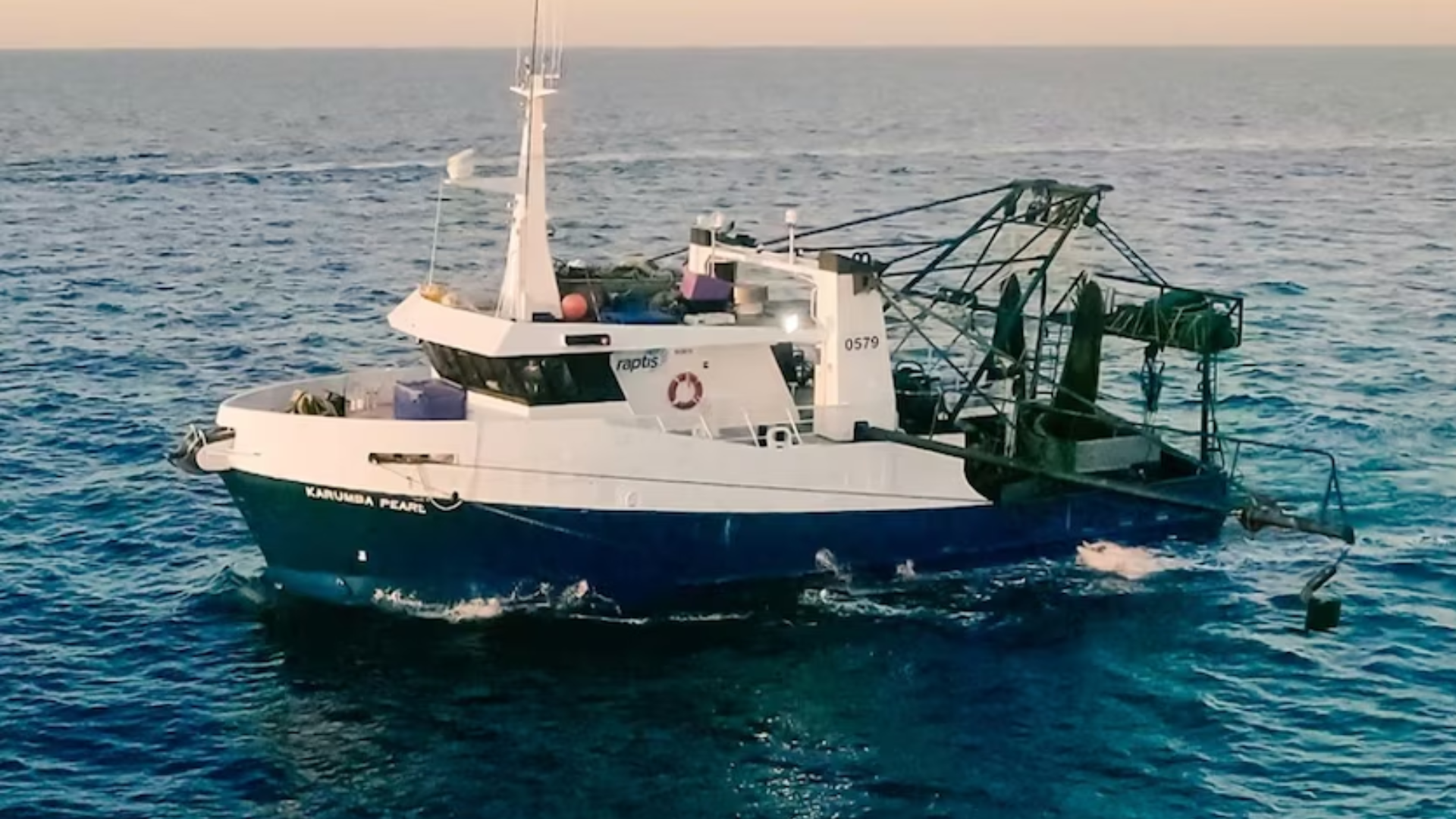
Greek-owned A Raptis & Sons Group, one of Australia’s largest privately owned fishing businesses, is set to close after operating for 60 years.
This comes after the company entered voluntary administration on March 6 after several years of declining prices and administrators have failed to secure a buyer.
Administrator Ben Campbell said, “While there was some interest in the sale process, unfortunately, and despite the best efforts of all parties, there have been no offers for the sale of the business as a going concern that are able to be taken forward.”
The Brisbane-based family enterprise, which has operated for more than six decades and spans three generations, is widely recognised as Australia’s largest wild-caught prawn operator and its closure will impact hundreds of workers.
The wholesale seafood business is expected to axe more than 200 jobs across South Australia and Queensland and will begin selling assets.
A Raptis & Sons Group started from an Adelaide fish and chip shop in the 1950s run by Greek migrants Arthur Raptis Sr and his wife Anna. Their business quickly grew into a wild-caught seafood empire across Queensland and South Australia.
In the tiny Gulf of Carpentaria town Karumba, the company has long been central to the community, but most of its fleet will now sit idle during the prawn season, leaving the town devastated and unprepared for its usual harvest.
Ash’s Holiday Unit and Cafe co-owner Yvonne Tunney said, “It’s extremely sad … it’s tragic because it’s only a little community.”
“They’ve been such a part of the fabric of Karumba and the gulf for such a long time, it’s not a happy time.”
For Karumba locals already grappling with recent floods and a fuel crisis, the closure of A Raptis & Sons has dealt a heavy blow to small businesses.
“It’s been a couple of very, very tough years for the prawn fleet… so you can’t be too shocked,” Tunney said. “But it’s something you hope can never happen to a company like Raptis.”
Karumba fisher and manager of Malanda Seafood Karen Miller, said the loss of Raptis will greatly impact the gulf’s commercial fishing industry as the company provided a fuel wharf and additional warehouse infrastructure.
“Without [Raptis’s] infrastructure, it would obviously be a lot harder for us small businesses… We don’t have that manpower and funding behind us to take much further steps forward in that regard.”
“I think it’s a bigger message to all of Australia … with the rising cost of Australian seafood, it’s never been more important to support local seafood,” Miller said.
Source: ABC News
