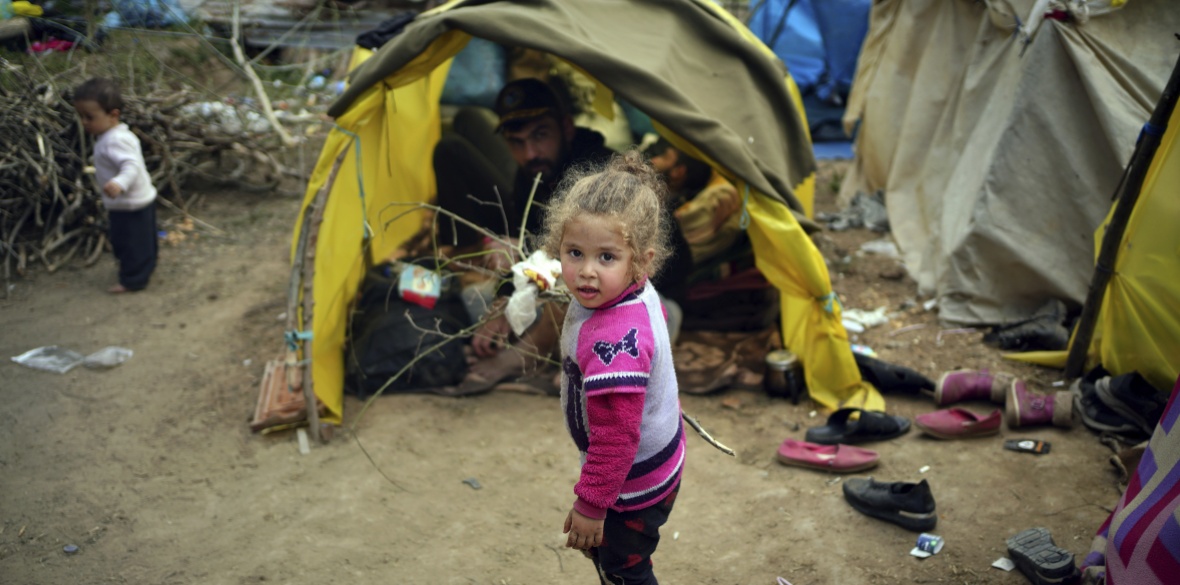
Germany plans to take in up to 50 unaccompanied minors staying at overcrowded refugee camps in Greece, while Luxembourg has agreed to accept 12, government officials said Tuesday.
Interior Minister Horst Seehofer will propose to the Cabinet on Wednesday a plan to bring the children to Germany and recommend that “the transfer should begin in the next week, if possible,” a statement from his ministry said.
A dozen children are expected to be transferred from the Greek camps to Luxembourg in the coming days, the Greek government said, expressing thanks to the small European country.
Read More: EU states to take in 1,600 migrant children in Greece
The relocation is “being achieved despite the difficult circumstances of the (coronavirus) pandemic and has created a positive example to other European partners, ” Giorgos Koumoutsakos, Greece’s alternate minister of migration and asylum minister, said.
More than 42,000 people currently live in the overcrowded camps on the Greek islands, including about 5,500 unaccompanied minors. Around 10% of them are under 14-years-old, according to police agency Europol.
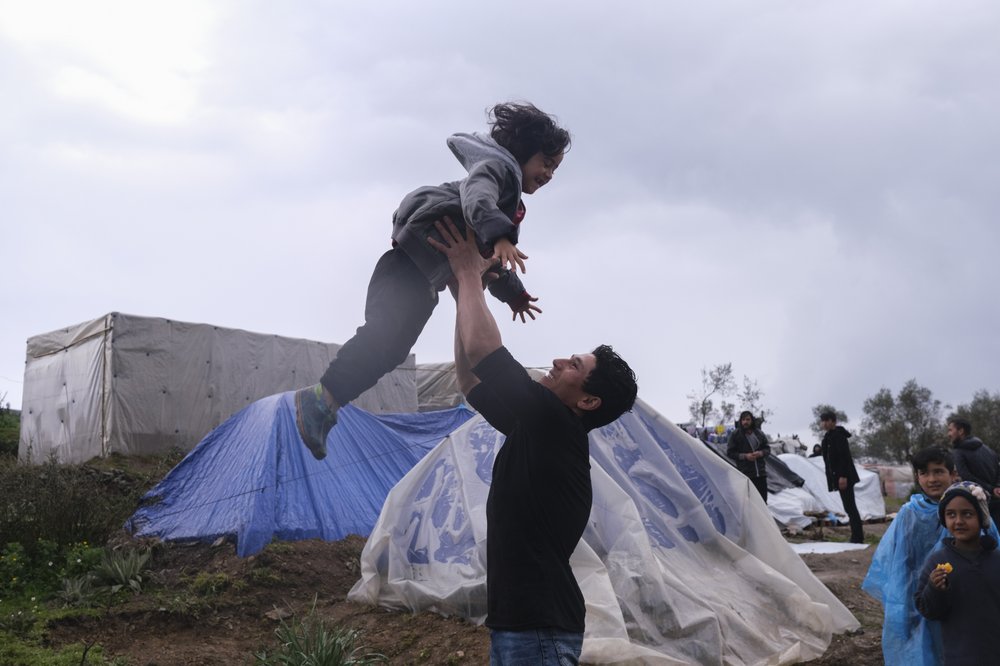
The European Union said on March 13 that a group of member countries had agreed to take at least 1,600 children who reached Greece traveling without their parents. But restrictions EU member nations adopted to slow the spread of the coronavirus complicated efforts to start putting the deal into effect.
Children moved to Germany will spend their first two weeks in quarantine and then sent to various German states, the German Interior Ministry said.
Read More: Katerina Sakellaropoulou: We are proud of every medical professional inside and outside of Greece
In addition to Germany and Luxembourg, France, Portugal, Ireland, Finland, Croatia, Lithuania, Belgium and Bulgaria also said they were prepared to take in children from the Greek camps, the ministry said.
“Because of internal challenges” in dealing with the coronavirus pandemic, “there are understandably delays in some countries at present,” the ministry’s statement said. “But Germany has the clear expectation that these countries will keep to their commitment.”
Sourced by: Associated Press
