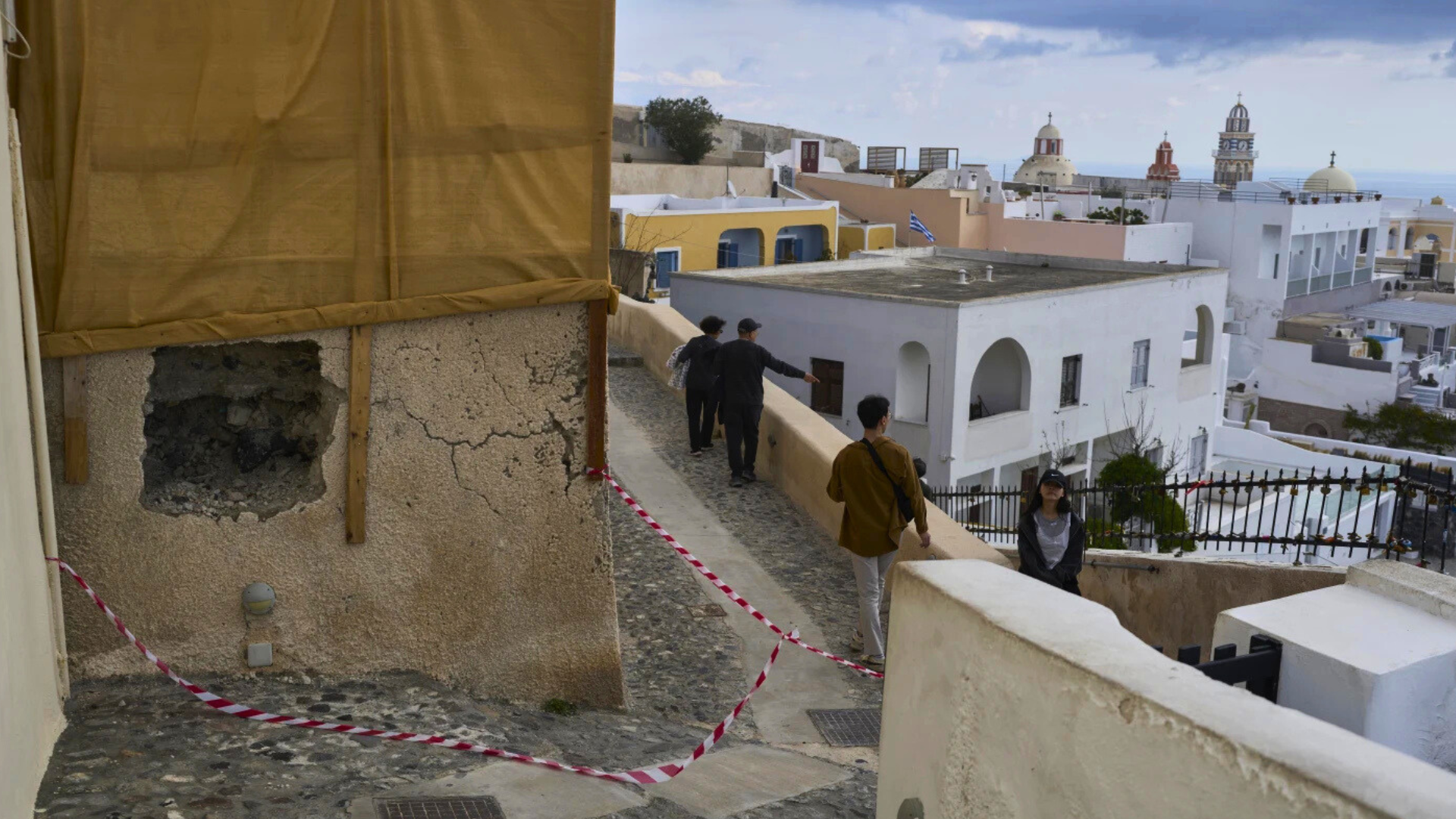
Santorini has been experiencing continuous seismic activity since Friday, January 31, with multiple tremors rattling the island and its surrounding areas.
The quakes, some exceeding a magnitude of 4.0, have been occurring at frequent intervals, prompting authorities to implement precautionary measures to ensure public safety.
The seismic activity has been concentrated between the volcanic islands of Santorini and Amorgos in the Aegean Sea. As a result, local authorities have ordered the closure of schools to minimise risks to students and staff.
Additionally, residents and visitors have been advised to remain in open spaces and avoid indoor areas, particularly in smaller, older structures that may be more vulnerable to damage.
Disaster response units have been deployed to key locations across the island as a precaution. While no significant damage or injuries have been reported so far, emergency services remain on high alert in case the situation escalates.
As the tremors continue, some temporary workers and visitors have chosen to leave the island. In response to heightened travel demand, Greece’s Civil Protection Ministry has coordinated with Aegean Airlines to schedule additional flights, ensuring that those who wish to depart can do so without major disruptions.
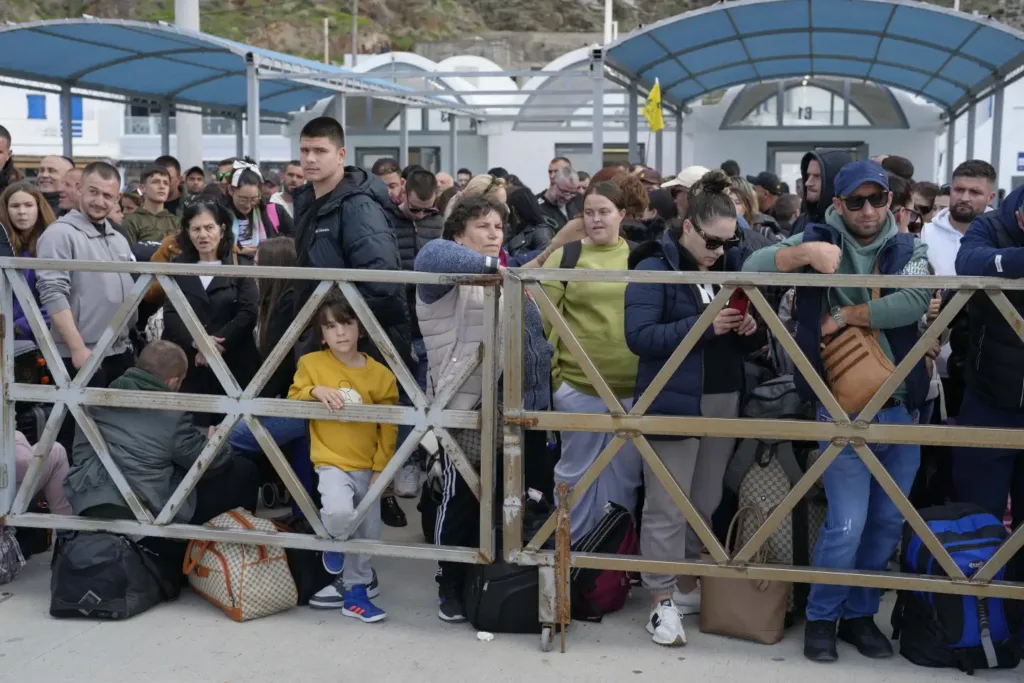
Despite the ongoing earthquakes, Santorini’s permanent residents remain largely accustomed to seismic activity, given the island’s geological history. However, the frequency of these recent tremors has raised concerns among local officials and seismologists, who are closely monitoring the situation.
According to experts, the seismic disturbances could continue for several weeks. However, they emphasise that there is currently no indication of an imminent volcanic eruption, despite Santorini’s location within an active volcanic zone.
The recent quakes are believed to be part of a broader pattern of tectonic activity rather than a precursor to volcanic unrest.
Greek seismologists and international geological institutes continue to analyse the data to determine whether the activity is subsiding or if further precautions will be necessary in the coming days. The public is urged to stay informed through official channels and follow the guidance of authorities to ensure their safety.
As the situation develops, local officials and emergency teams remain vigilant, prepared to take further action if required. Meanwhile, Santorini’s tourism industry is monitoring the impact of the seismic activity, as the island prepares for the upcoming travel season.
For now, residents and visitors alike remain on edge as the tremors persist, hoping for a swift return to normalcy.
