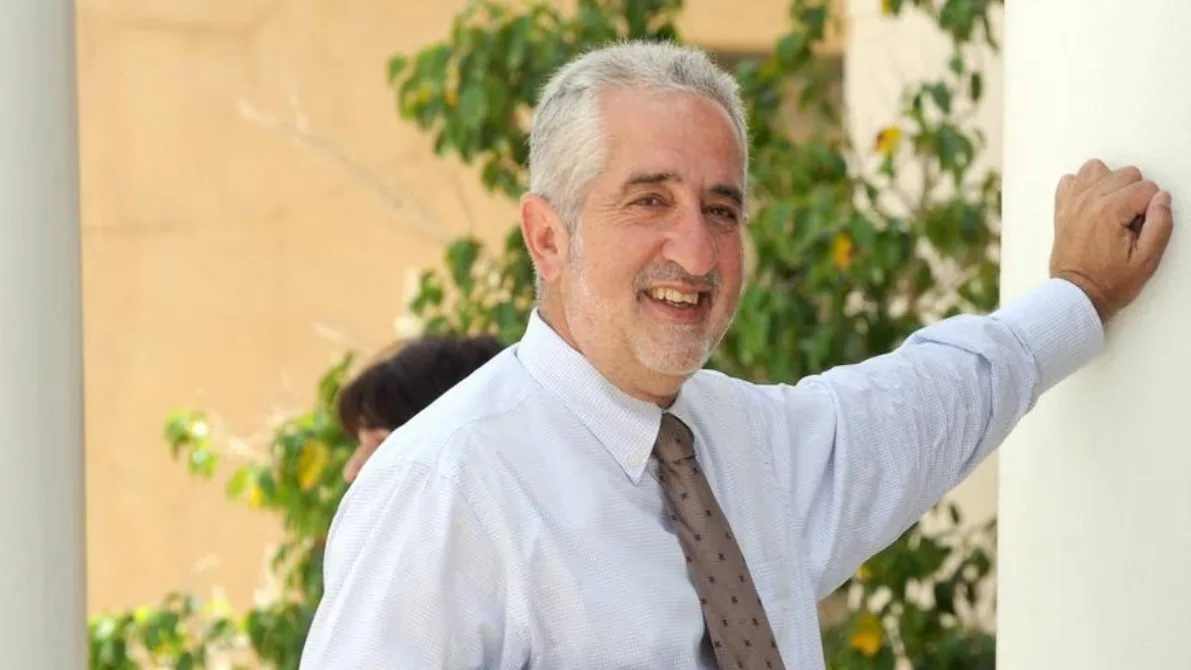
Nick Bolkus, a former federal minister and one of the Australian Labor Party’s most prominent champions, has died peacefully on Christmas Day, aged 75.
The passing of the long-serving South Australian senator was confirmed by South Australian Premier Peter Malinauskas, who described Mr Bolkus as a deeply respected figure across the political spectrum and a tireless advocate for Labor values.
Mr Bolkus served in the federal parliament for 25 years, having first been elected to the Senate in 1980. He became a minister under Prime Minister Bob Hawke in 1988, before continuing his cabinet career during the Keating government under Paul Keating.
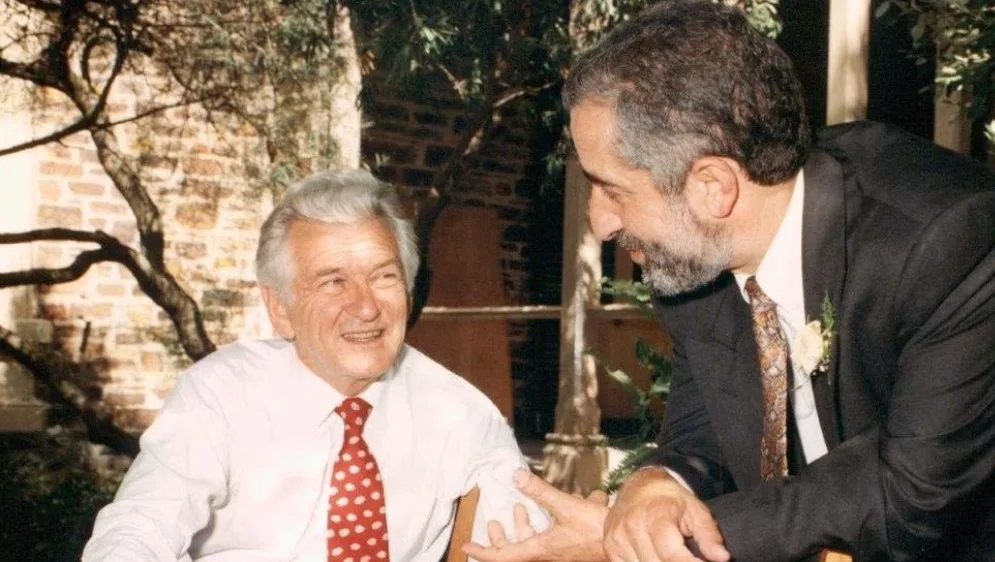
Among his most significant portfolios was Immigration and Ethnic Affairs, a role in which Mr Bolkus played a key part in shaping Australia’s modern multicultural framework. He later reflected with particular pride on the decision to allow tens of thousands of Chinese nationals to remain in Australia following the 1989 Tiananmen Square massacre – a move widely regarded as a landmark act of humanitarian leadership.
Premier Malinauskas paid tribute to Mr Bolkus as one of Labor’s “great champions,” describing him as a formidable intellect, a generous mentor, and a committed public servant whose influence extended well beyond South Australia.
Prime Minister Anthony Albanese also honoured Mr Bolkus’ legacy, noting that he was the first Greek Australian to serve as a federal cabinet minister.
“Nick Bolkus was a passionate believer in democracy and the rights and responsibilities of citizenship,” Mr Albanese said. “He was a powerful advocate for multicultural Australia and a living example of how our nation has been enriched by people of every background.”
Born in Adelaide on 17 July 1950, Mr Bolkus grew up in the city’s West End and remained closely connected to South Australia throughout his life and political career. He retired from federal politics in 2005, having become one of the state’s longest-serving senators.
Mr Bolkus is survived by his wife Mary, daughters Aria and Mikayla, and son Nick. Tributes have continued to flow from colleagues, friends and community leaders, remembering him as a principled leader whose contributions helped shape a more inclusive Australia.
