By Victoria Loutas
Today we celebrate World Pasta Day! One of the world’s most favourite and versatile foods that is a staple in most households.
We’re showing you our top five Greek Pasta dishes and where they originated from!
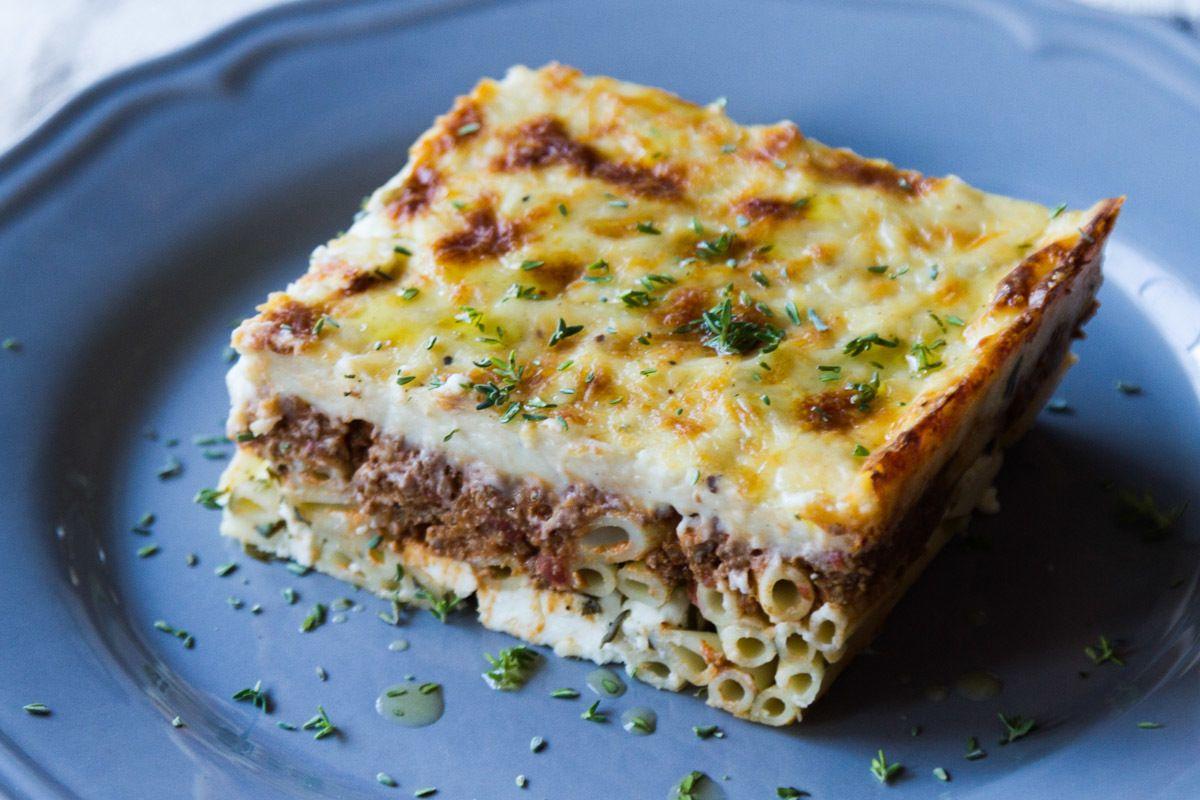
Pastitsio
Everyone’s favourite pasta dish, Pastitsio, is found in almost every Greek region and is a staple family meal.
Nikolaos Tselementes was responsible for creating the most popular contemporary variant of pastitsio in the early 20th century. Before him, pastitsio had a filling of pasta, liver, meat, eggs, and cheese, did not include béchamel, and was wrapped in filo.
Pastitsio is made with layers of pasta, minced meat sauce and topped with bechamel sauce to create a heart dish for the whole family to enjoy!
Manestra
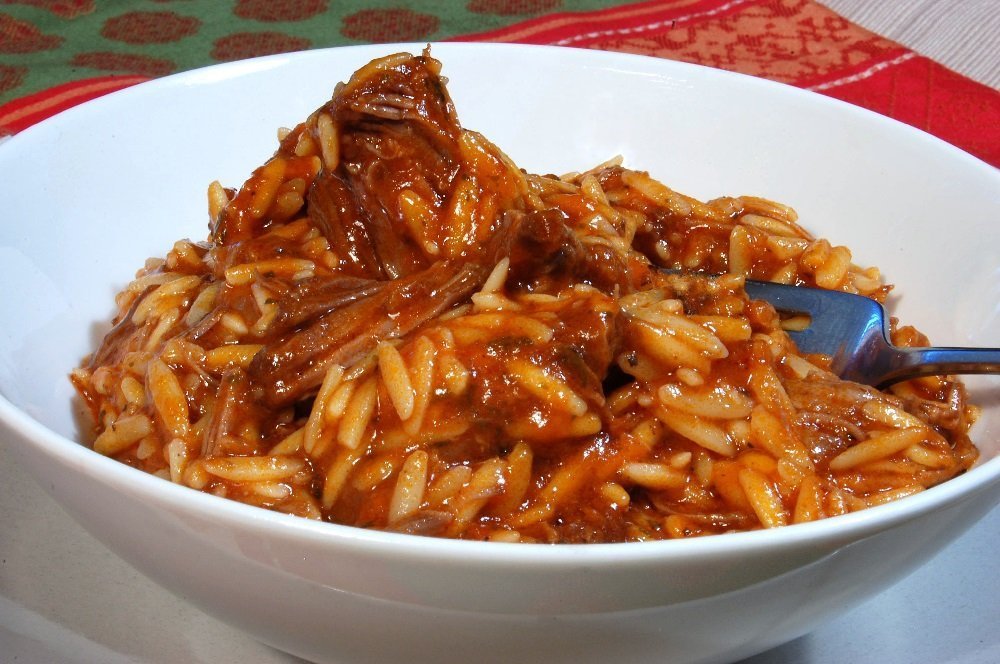
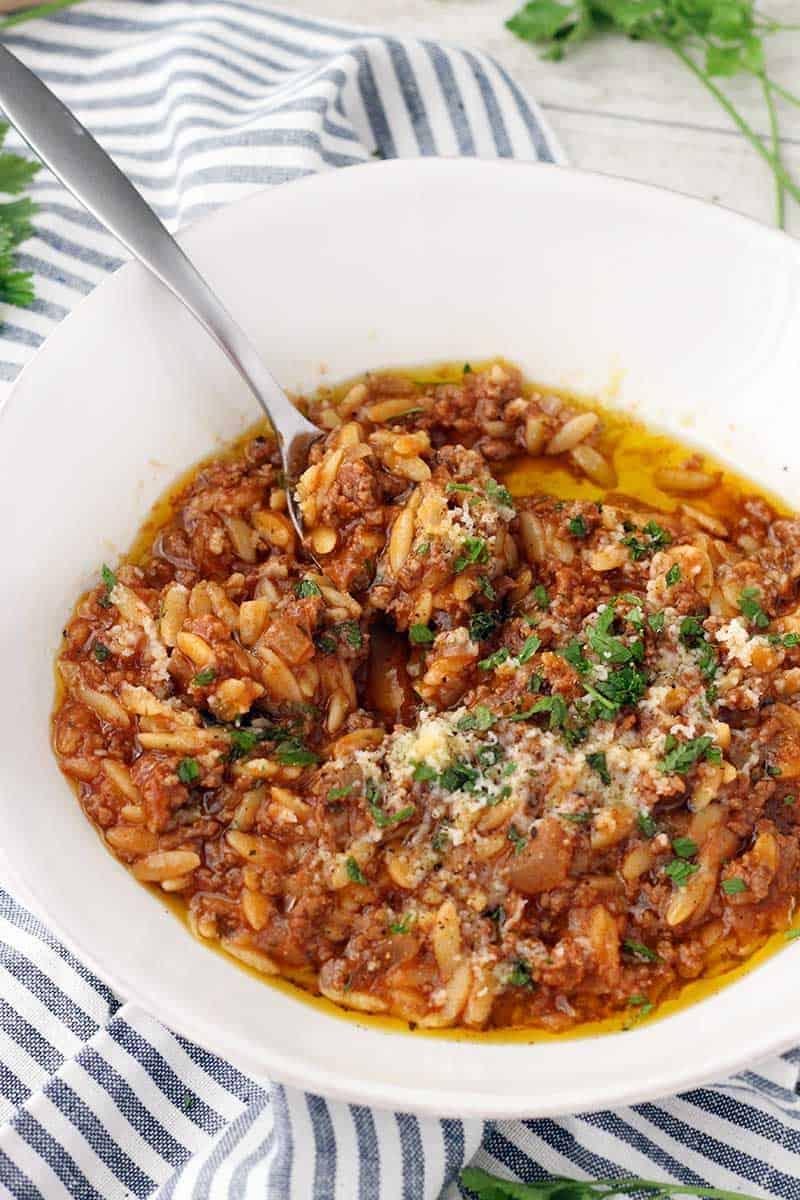
Manestra is a comfort meal that’s found all around Greece. Manestra is the Greek word for orzo, a rice-shaped pasta that’s popular in Europe.
This hearty, rich dish is known to warm the stomach of summer sun tomatoes and fills you with buttery plump orzo. Although, with only five ingredients, the quality of each ingredients must be top standard to serve this recipe justice.
Manestra is made with slow-cooked short ribs to create a rich red sauce, which will eventually be soaked up by the Orzo pasta in the pot and is often topped with fresh mint or parsley.
Spaghetti me anthotyro
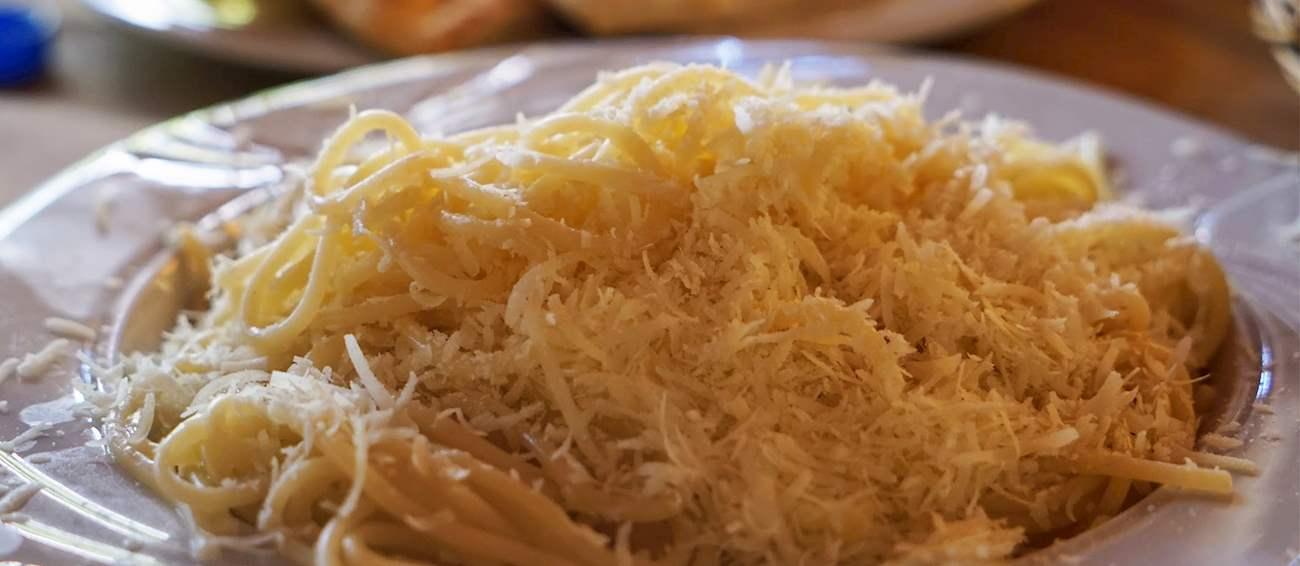
Spaghetti me anthotyro is a pasta speciality that originates from the island of Crete.
Traditionally, the spaghetti is boiled in goat or sheep meat stock, before being topped with dry anthotyro cheese.
The result of this simple combination is a flavourful and textured pasta dish.
Pseftopetinos
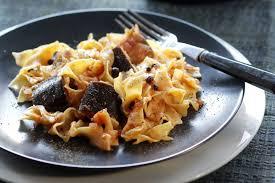
Pseftopetinos is a traditional local speciality from the Northern Island, Lemnos. Its Greek name translates to fake or pseudo rooster, to resemble the fanlike shape of a rooster’s comb.
It is made with egg pasta (flomaria) and sliced eggplants, along with olive oil, onions, white wine, garlic and various spices and is a popular vegetarian choice.
Astakomakaronada
This pasta dish is often found in many Greek regions, but is mainly associated with the island of Skyros.
Astakomakaronada is a rich lobster spaghetti paired with a tomato-based sauce, enriched with red wine and various spices.
