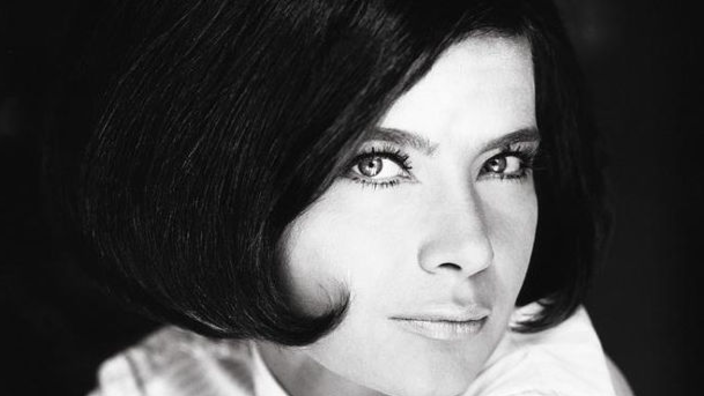
Beautiful Greek actress Tzeni (Jenny) Karezi was considered one of the most popular actresses of all time in Greece, both in cinema and on stage.
Early Life:
Jenny Karezi, who’s real name was Eugenia Karpouzi, was born in Athens on January 12, 1934. She spent most of her childhood in various cities, following her parents’ transfers as educators. Her father, Konstantinos Karpouzis, was a mathematician and her mother, Theoni, a teacher.
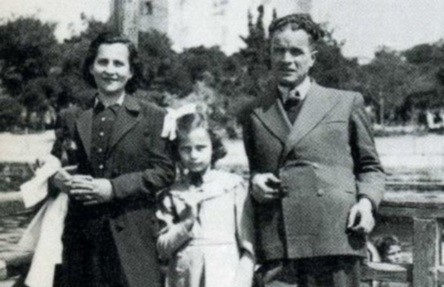
In Thessaloniki, she entered the French School of Nuns and later continued her education at the corresponding St. Joseph school in Athens.
Karezi’s love for the theatre began to manifest from her student years, and was expressed through her participation in school performances. In the year of her graduation from the Greek-French School in 1951, she took part in the performance of “Antigone” by Sophocles.
In the same year, she was admitted to the drama school of the National Theater of Greece, where she studied with Dimitris Pontiris, Angelos Terzakis, Katerina and George Pappas, who was also her first great love.
She graduated in 1954 and was immediately given her first role on the theatrical stage next to Melina Mercouri and Vassilis Diamantopoulos in Andre Roussen’s play ‘Helen of Troy,’ which was staged in October 1954 at the Kotopouli Theater.
Film and theatre success:
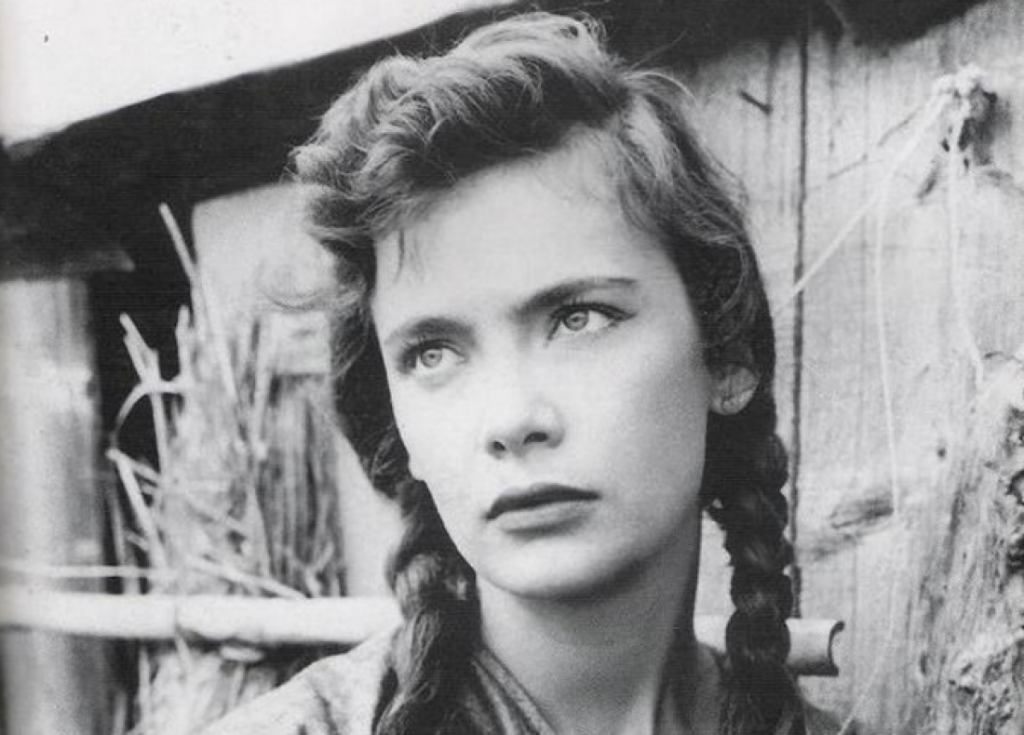
Karezi’s film career began in 1955, when she made her debut in Alekos Sakellarios’ film Laterna, ftoheia kai filotimo.
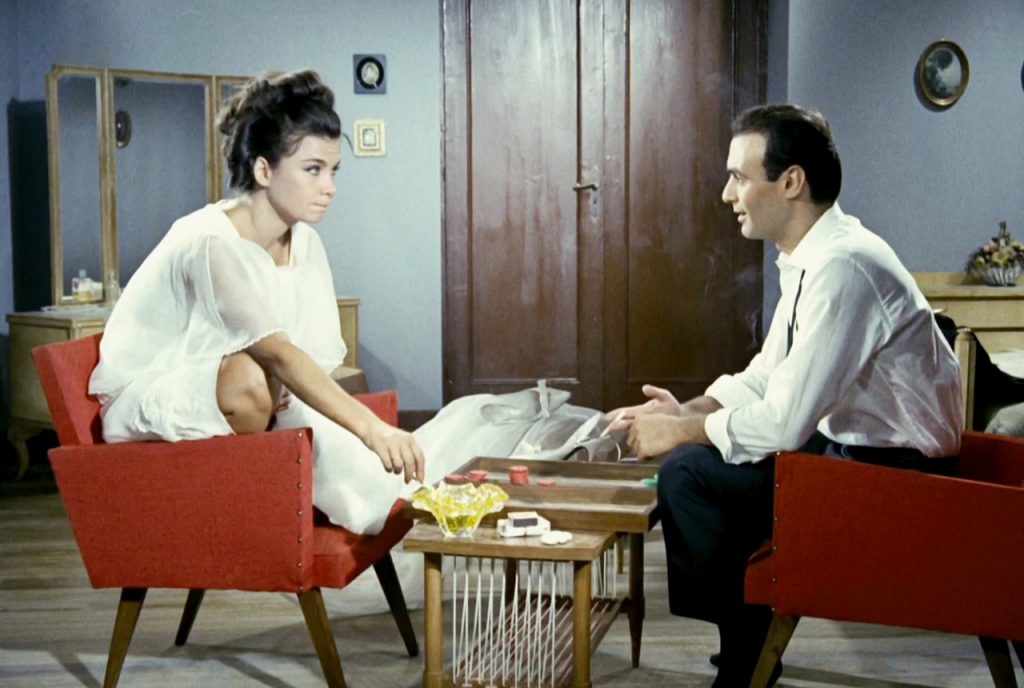
In the 1960s, her career flourished when she headed her own theatre troupe in 1961 and starred in some of the most classic movies of the Greek cinema including Lola (1964), Mia trelli … trelli oikogeneia (1965), Tzeni-Tzeni (1966), and Kontserto gia polyvola (1967).
Her greatest film success was Ta kokkina fanaria (The Red Lanterns 1963), which was nominated for the Academy Award for Best Foreign Language Film.
Karezi’s last film appearance was in Lysistrata (1972) but over the following decade, she continued to produce and star in such stage classics as Who’s Afraid of Virginia Woolf?, Medea and Electra.
She appeared for the last time in theatre in 1990 in a play, Diamonds and the blues, but as she was suffering from terminal breast cancer, she was in great pain and had to leave the show.
Death:
On 27 July, 1992, Karezi died from breast cancer at the age of 60. Thousands of family, friends and fans attended the public funeral.
As a victim of metastatic cancer, she asked those close to her to make palliative care better known and to assist in its development so others suffering painful diseases could be able to live through their last days with dignity.
After her death, her dream came true and her family founded the Tzeni Karezi Foundation.

 Karezi was considered one of the most popular actresses of all time in Greece, both in cinema and on stage.)