Arthur Evans: The British archaeologist who discovered the Palace of Knossos

·

One of the greatest discoveries made in the modern world was pioneered by none other than British archaeologist, Arthur Evans, who paved the way for the analysis of ancient Minoan culture.

The eminent British archaeologist was one of the pioneers in the study of the Aegean civilisations of the Bronze Age, with his major work being the discovery of the Palace of Knossos in Crete.

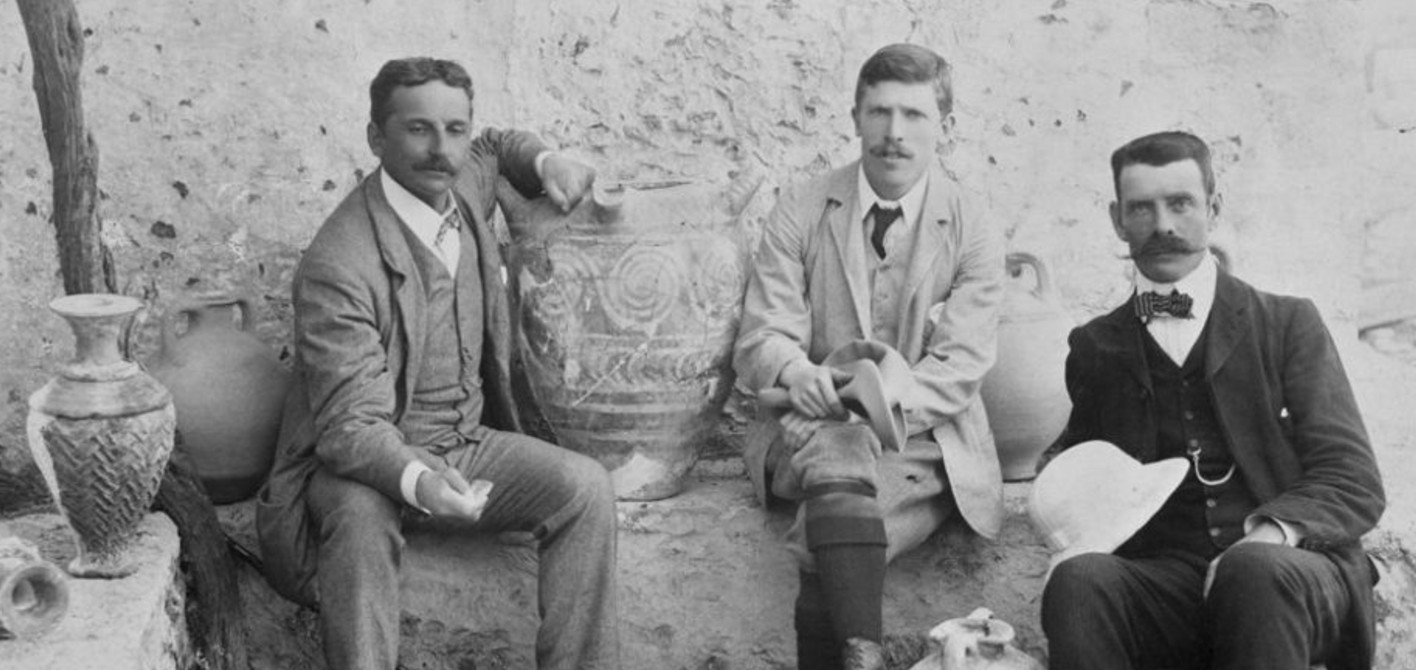
Arthur Evans at the Palace of Knossos. Photo: British Archaeology at the Ashmolean Museum.

Born on July 8, 1851 in Nas Mills, East England, Arthur was the son of the archaeologist John Evans (1823-1908). He studied archaeology at Oxford and soon turned to monetary archaeology.

His interest in coins and seals led him to Crete for the first time in 1894. He later returned and from 1899 to 1934, starting with his own money, he brought to light the ruins of Knossos, which covered an area of ​​17 square meters. 

Arthur helped make the world aware of the Cretan culture of the Bronze Age, which he named Minoan, correlating the complex plan of the Palace of Knossos with the labyrinth.
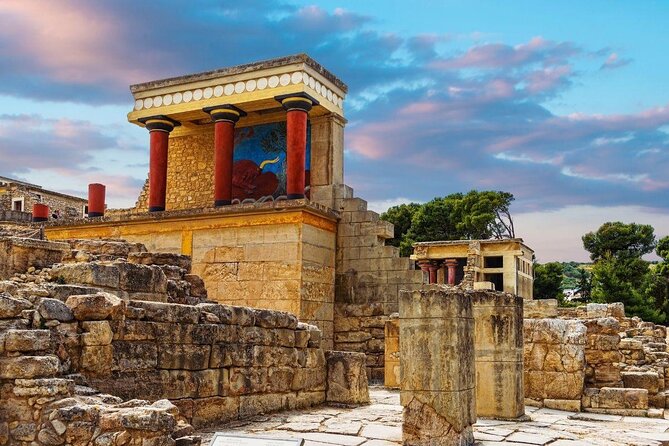
The Palace of Knossos today. Photo: viator.com.

After researching layers under the palace and carefully comparing its findings with Egyptian excavations, Arthur created a chronological system that formed the first systematic basis for dating prehistoric times in Europe.

His interpretations, as is natural in the work of pioneers, contained many weaknesses and exaggerations but in general, his work sealed the development of knowledge of prehistoric civilisations in Greece. 

From 1909, he was an Associate Professor of Prehistoric Archaeology at the University of Oxford. In 1911, for his services to archaeology, he was knighted by King George and was awarded the title of “Sir.”

Arthur died on July 11, 1941, in Oxford, at the age of 90.

Source: San Simera.

Share:

KEEP UP TO DATE WITH TGH

By subscribing you accept our Terms of Service and Privacy Policy.

Latest News

International Day of Dance: The lives of Melbourne’s Greek dance teachers

Dance has long been at the heart of Greek culture, particularly within the traditions of Hellenism that are taught across Australia.

Cyprus recognised at Lakemba ANZAC Service

The 2026 ANZAC Day service at Lakemba brought together veterans, families, students, and civic leaders in a formal commemoration.

Nominees announced for the CYDIA Awards 2026

The Cyprus Diaspora Forum has announced the nominees for the CYDIA Awards® 2026, the annual celebration recognising outstanding achievements.

Why Greeks in Australia are rethinking how they manage property in Athens

Your Athens home may sit empty for months, but problems don’t wait — for many in the diaspora, Home Watch Athens offers peace of mind.

Seminar to examine rise of Metaxas regime and fascist influence in interwar Greece

A public seminar examining the political turmoil and ideological forces that shaped modern Greek history will take place in Melbourne.

You May Also Like

NSW truck driver charged over death of Soula Catsaitis

A truck driver has officially been charged for the death of Soula Catsaitis on Mangrove Mountain last month.

Ambassador Arthur Spyrou honours the ANZACs who fought in the Battle of Crete

Australian Ambassador to Greece, Arthur Spyrou, attended commemoration events in Rethymno and Chania to commemorate the Battle of Crete.

The Evolution of Greek-Australian Associations in Greece

How were Greek Australian Associations created, what is their purpose and how they evolved over time? Kathy Karageorgiou shares her thoughts.