By Stamatina Notaras
While Woolworths and Coles stock their shelves with bunny-shaped chocolates, the Greek Orthodox community prepares for the most sacred day on the religious calendar. But, it’s not just a day, is it? And, it’s not just a “midnight mass.”
Growing up in my Greek community, with Lent such a constant in my life, it takes seeing through the eyes of outsiders to realise how much the world around us changes come Pascha.
It truly is the one time of year when members of the community, near and far, become one, and traditions that have been carried out for generations continue – something rare in today’s world. Students arrive late to school after their morning service, and wake up tired after Thursday’s late-night one.
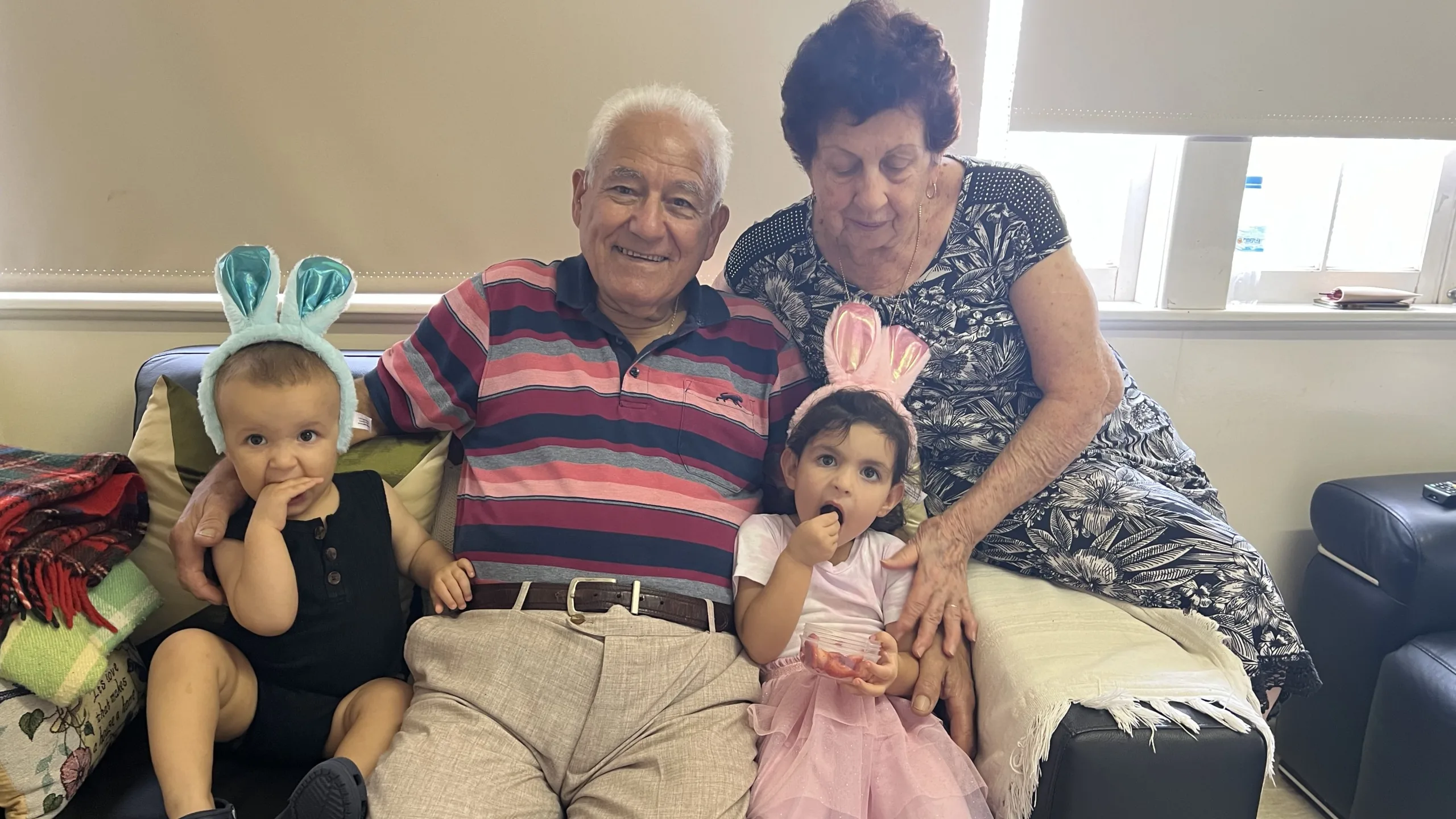
When you visit Yiayia and Pappou, you’ll most likely be served lentil soup with chopped onion, olives, and a drizzle of olive oil. They might seem a bit more fatigued than usual because it’s their day of fasting.
Living in a country that is not the homeland of our heritage and culture can sometimes feel like a threat to traditions, as they ever so slowly start to fade with each generation. Yet, come Pascha, generations young and old come together in faith and tradition – not because they have to, but because they truly treasure this time of year and everything it embodies. It’s about family, faith, and the conscious sacrifice of the things you love.
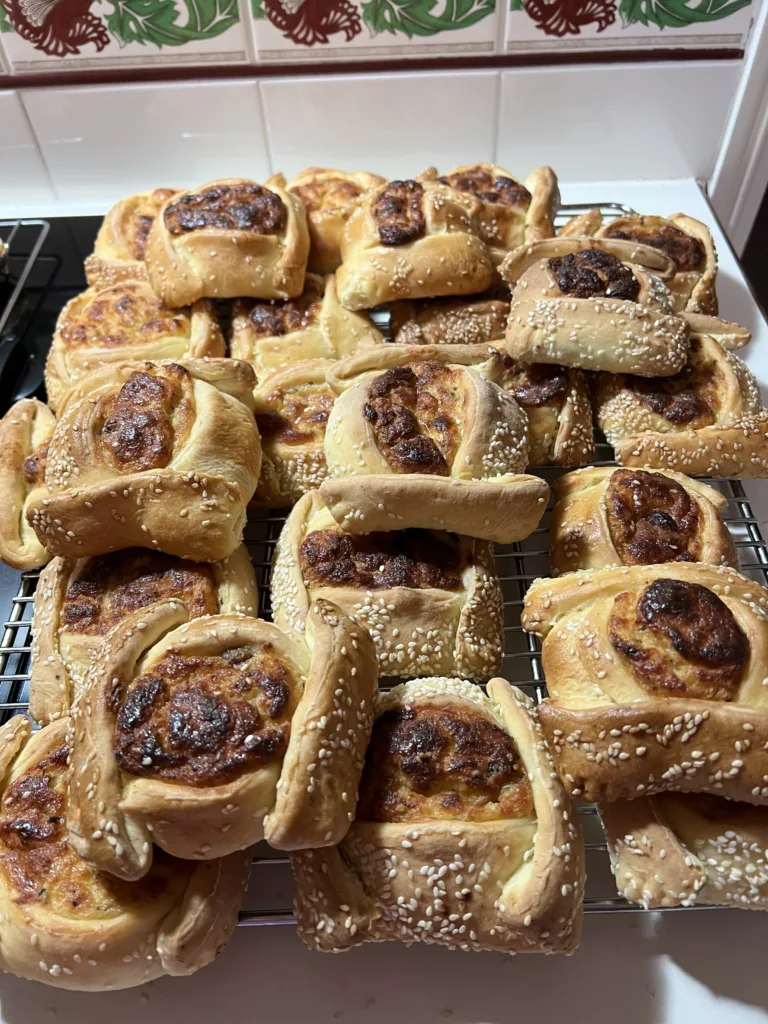
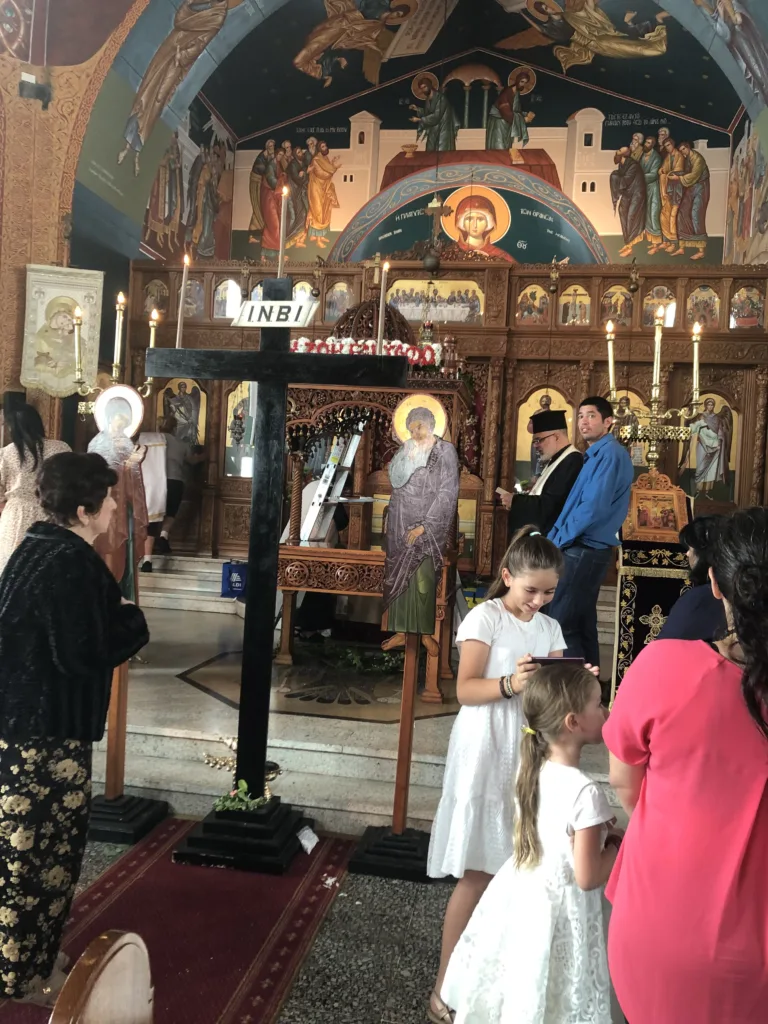
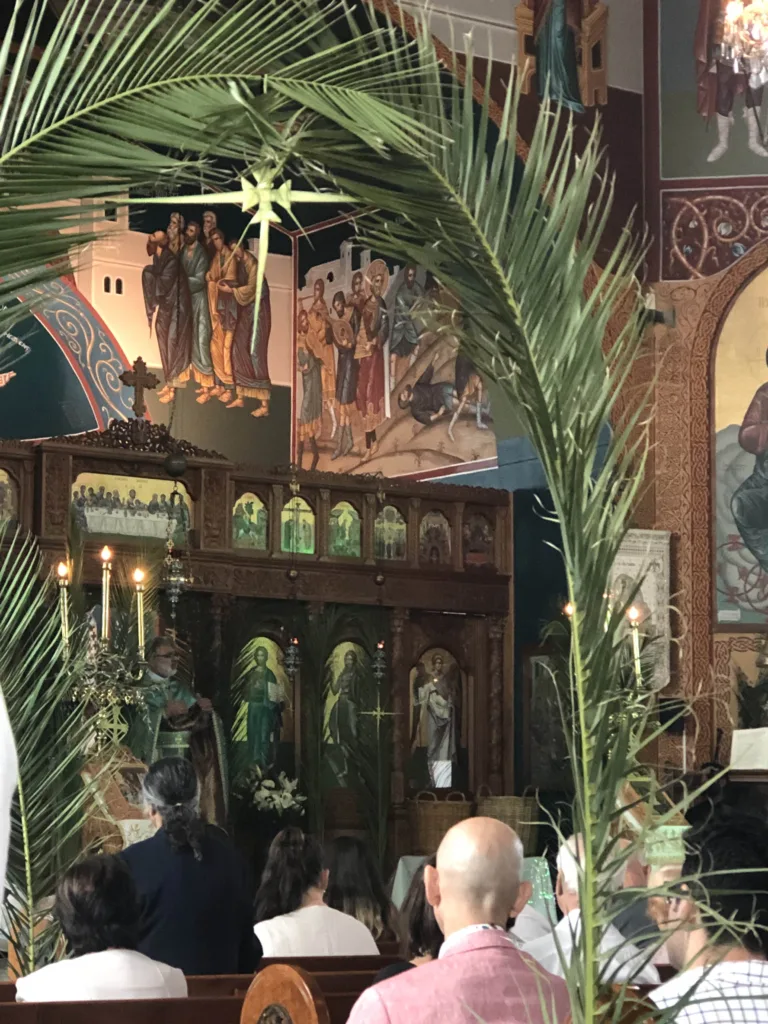
What makes it even more special is knowing that thousands of kilometers away, in our country filled with Yiayias and Pappous, fakes, and big families, they’re doing the exact same thing. From Palm Sunday celebrations and Epitaphio decorating to late-night services, and giving up sweet treats, food staples, and big events for our faith – although worlds apart, we couldn’t be closer together.
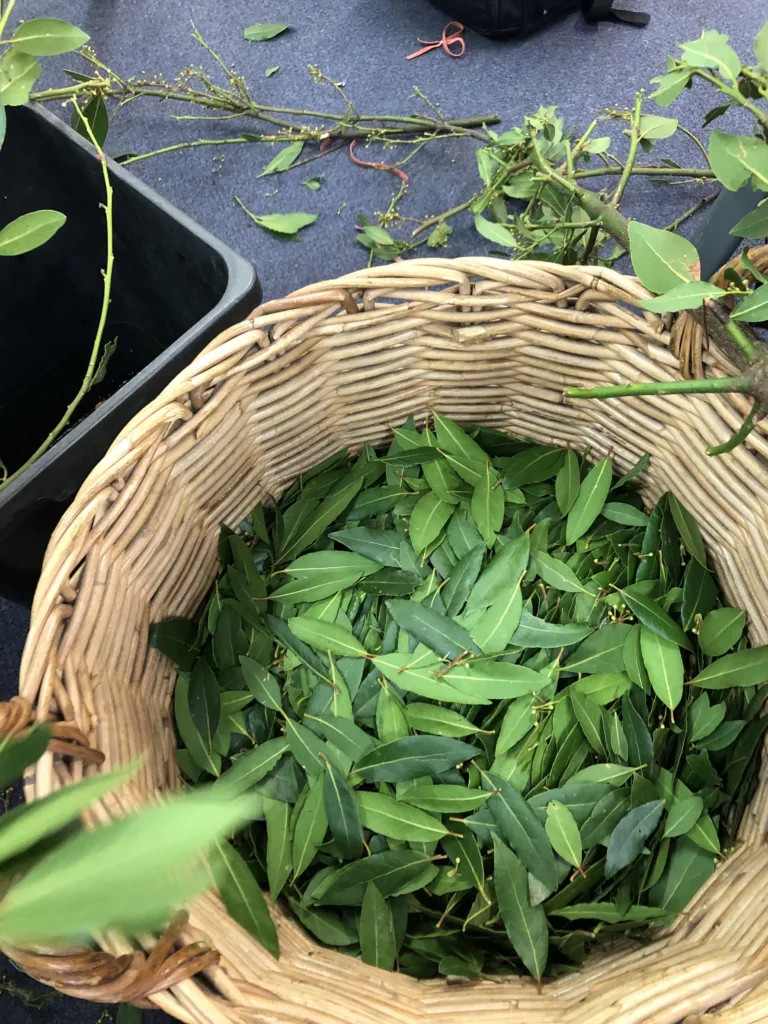
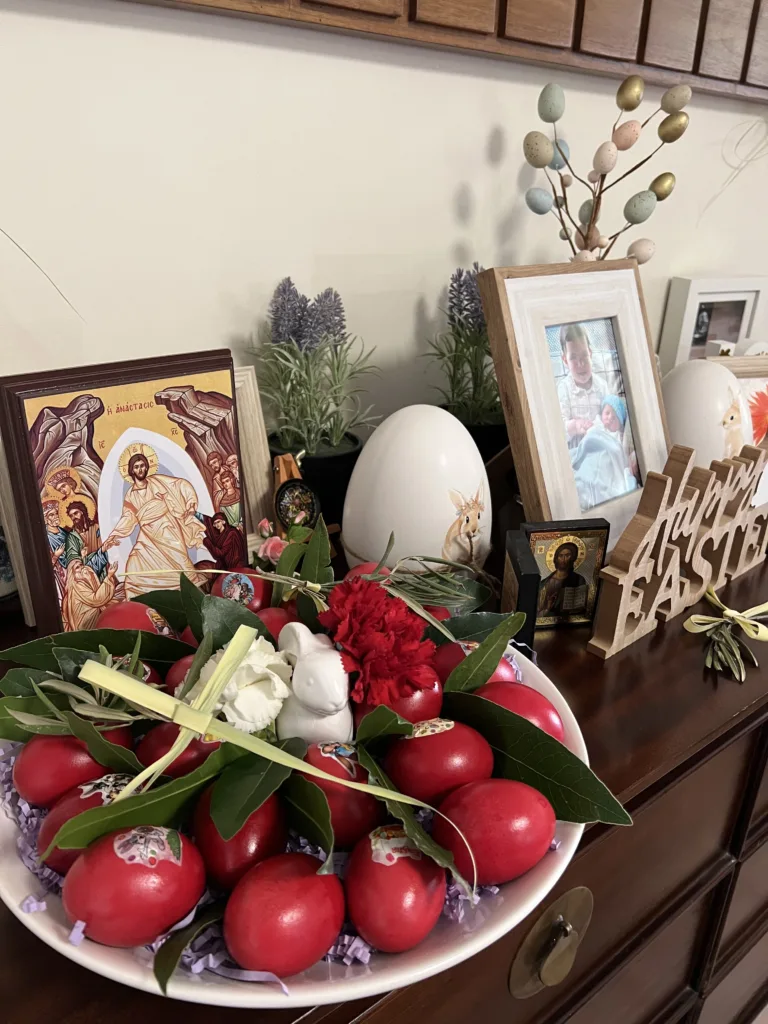
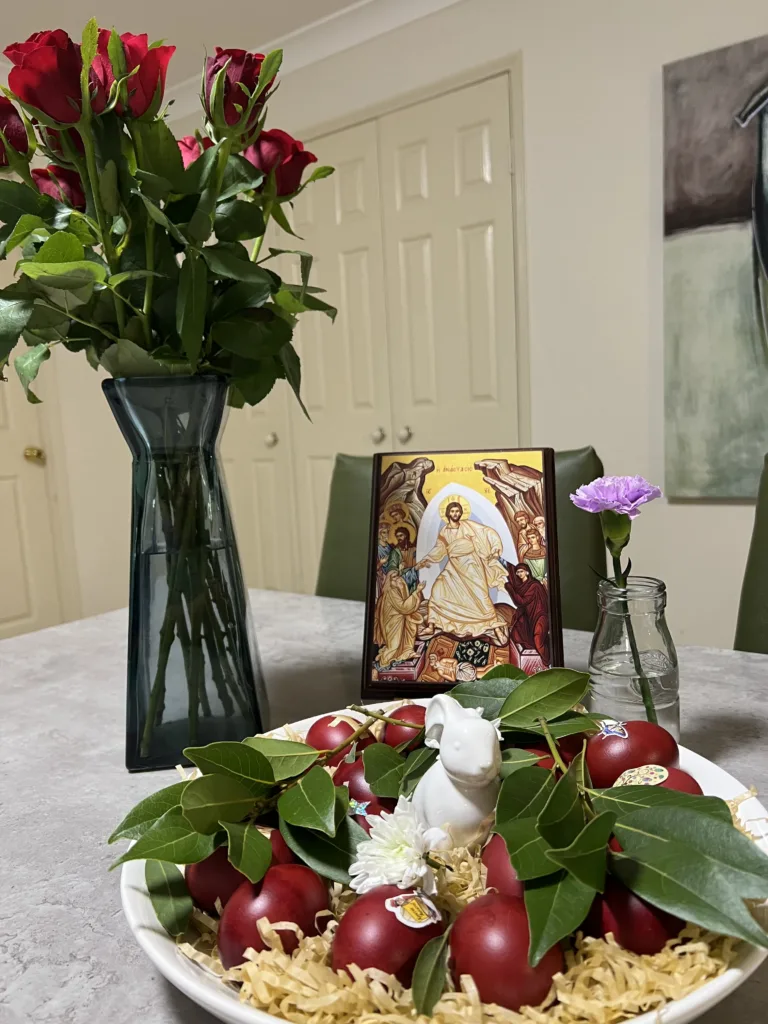
We show up to our local churches as a congregation, no doubt knowing everyone’s name, placing a gold coin in the donation box in exchange for a candle wrapped in red, or white plastic covers (which will have melted edges by the end of the night). Some of us understand the words spoken by the priest; others, not so much. You glance around the room and see faces you’ve watched grow from small to big before your eyes – and those you’ve grown up with yourself. The elderly Yiayias and Pappous in the pews refuse to sit down, putting you to shame if you do prematurely.
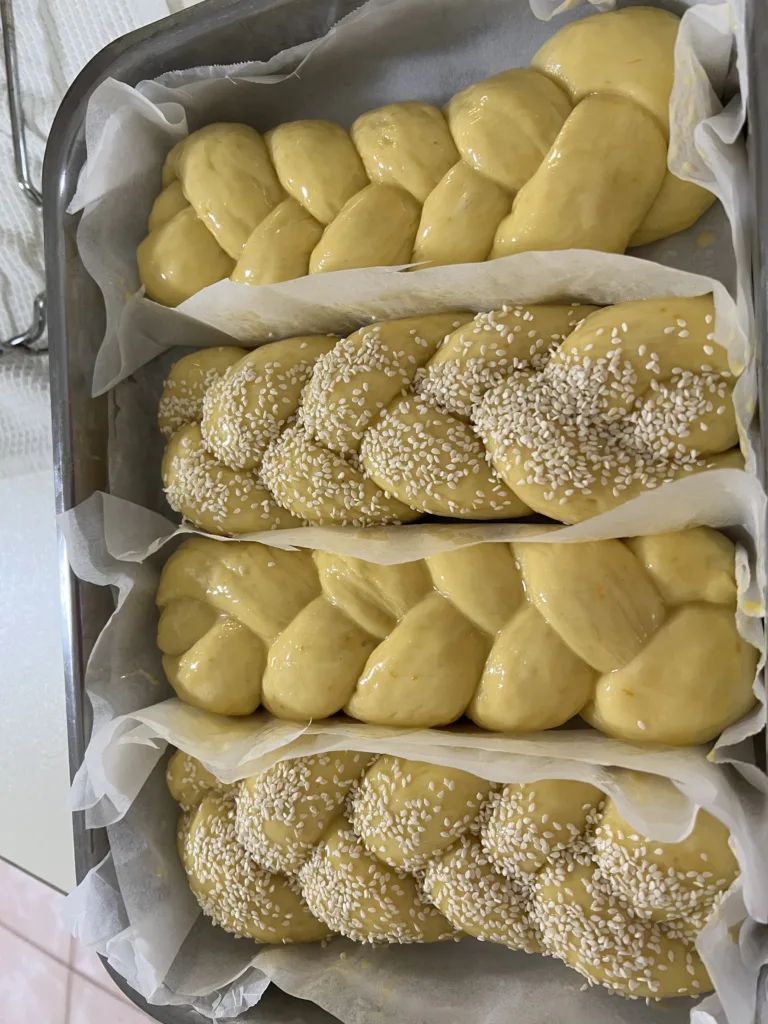
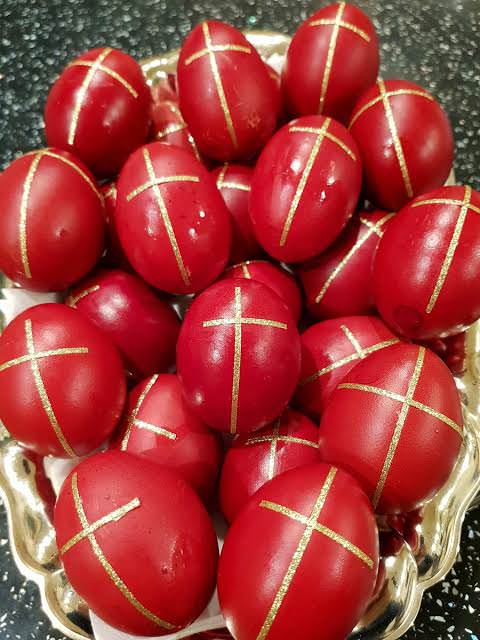
Your cousin is in the altar, and you stare through a crack to catch their eye, knowing that it’s only so long now until you’ll be together around the dinner table, lapping up lamb tongue soup (mageritsa), breaking bread, and cracking shiny red eggs as Yiayia scolds the eldest grandchild for pulling out the wooden one. With bowls empty and bellies full, your eyes begin to grow heavy with sleep, signaling it’s time for bed.
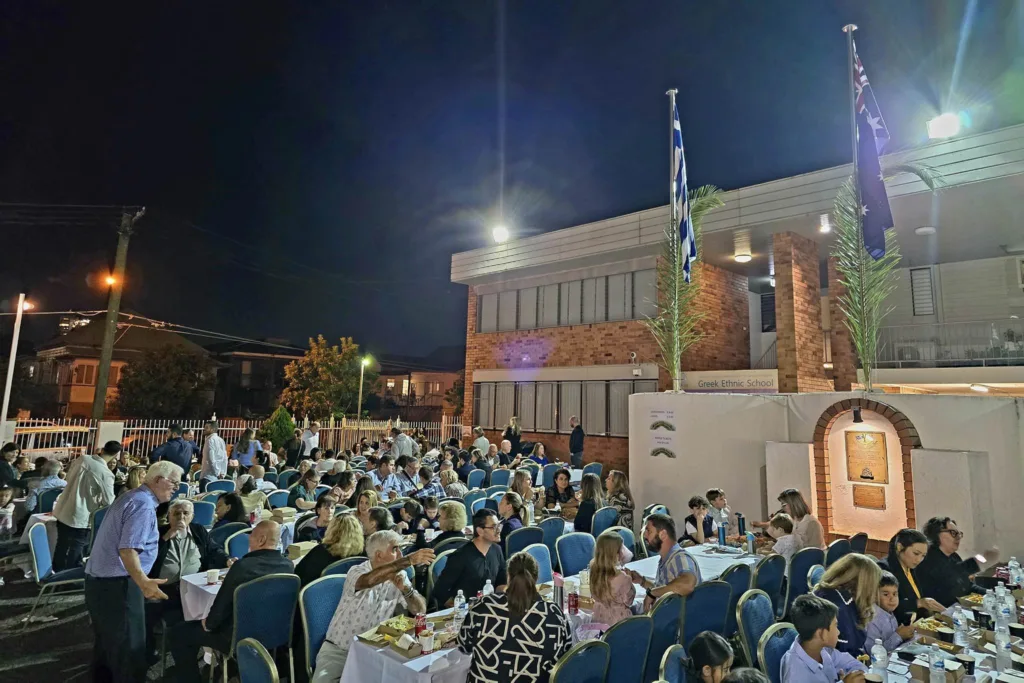
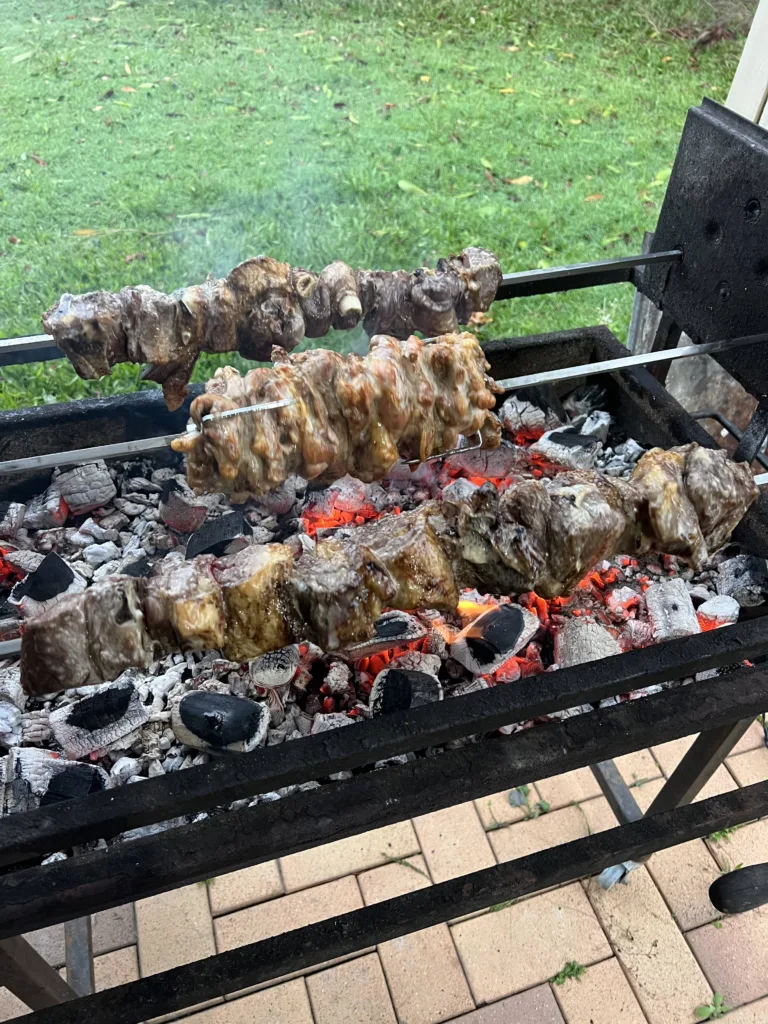
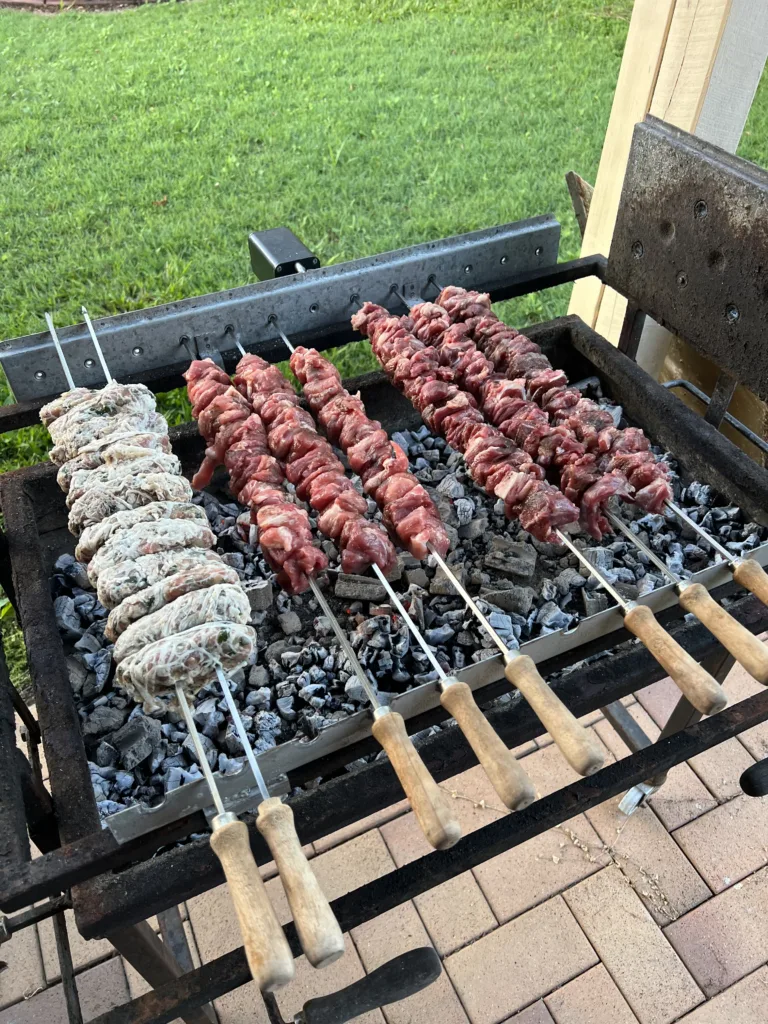
And the best sleep comes just before a day filled with family, souvla off the spit – rubbed with your Theo’s secret-herb mix – crispy lemon potatoes, yemista tomatoes, and about ten other dishes – just to be safe. From day to night, no egg is left uncracked, and no piece of baklava is safe. The bittersweet feeling is that when all is said and done, and the rest is well-deserved, it’s another year until we get to do it all again. So as generations pass and traditions evolve, bend, and sometimes fade, let’s hold on to this one. Because it’s just too special to lose.
