Schools across Greece commemorated the 51st anniversary of the Polytechnic Uprising with fervour. Students learnt the historical context, discussed social justice, and politics, and even preps learnt the iconic rallying cry, “Psomi Pedia Eleftheria” (Bread Education Freedom).
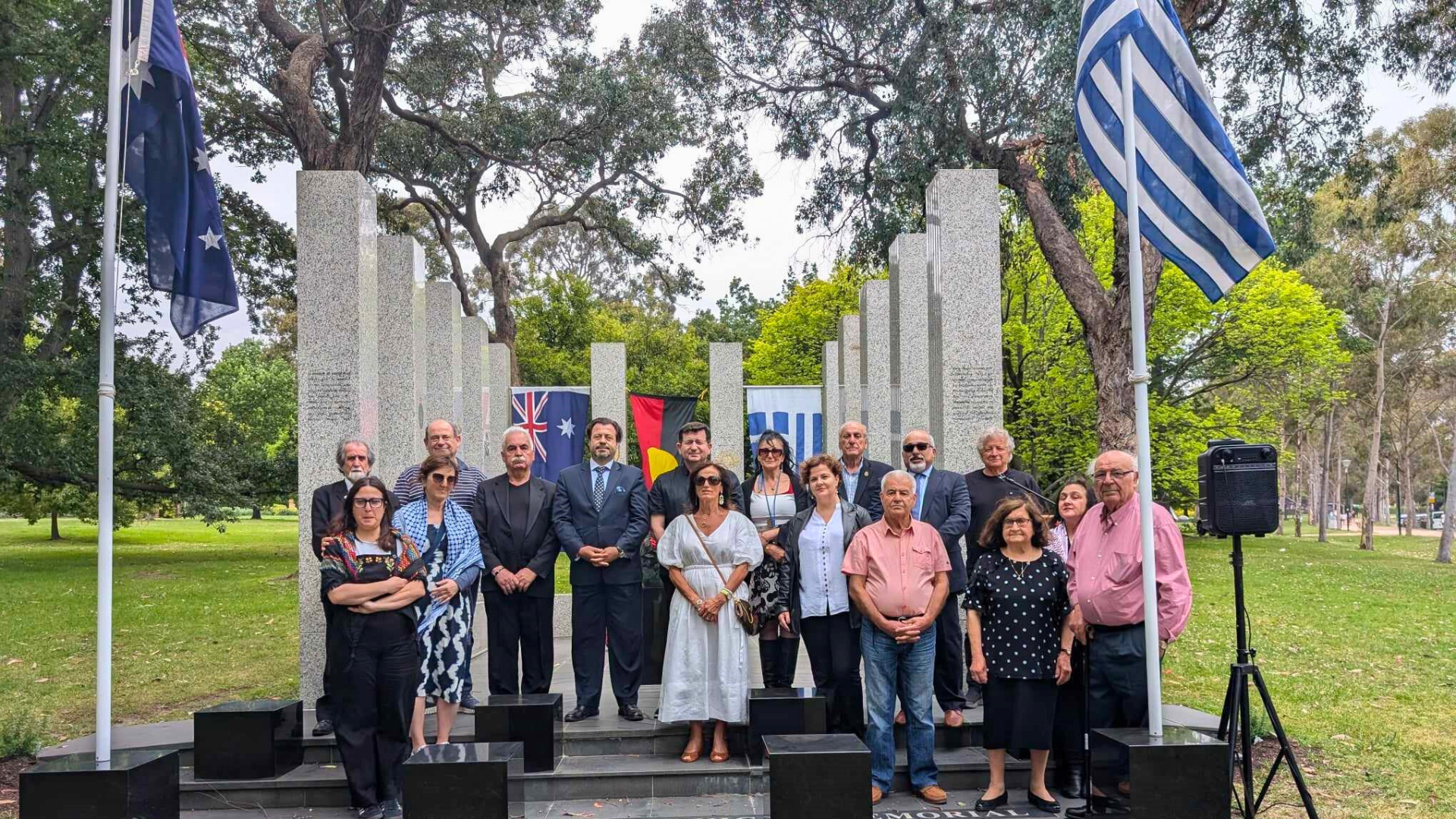
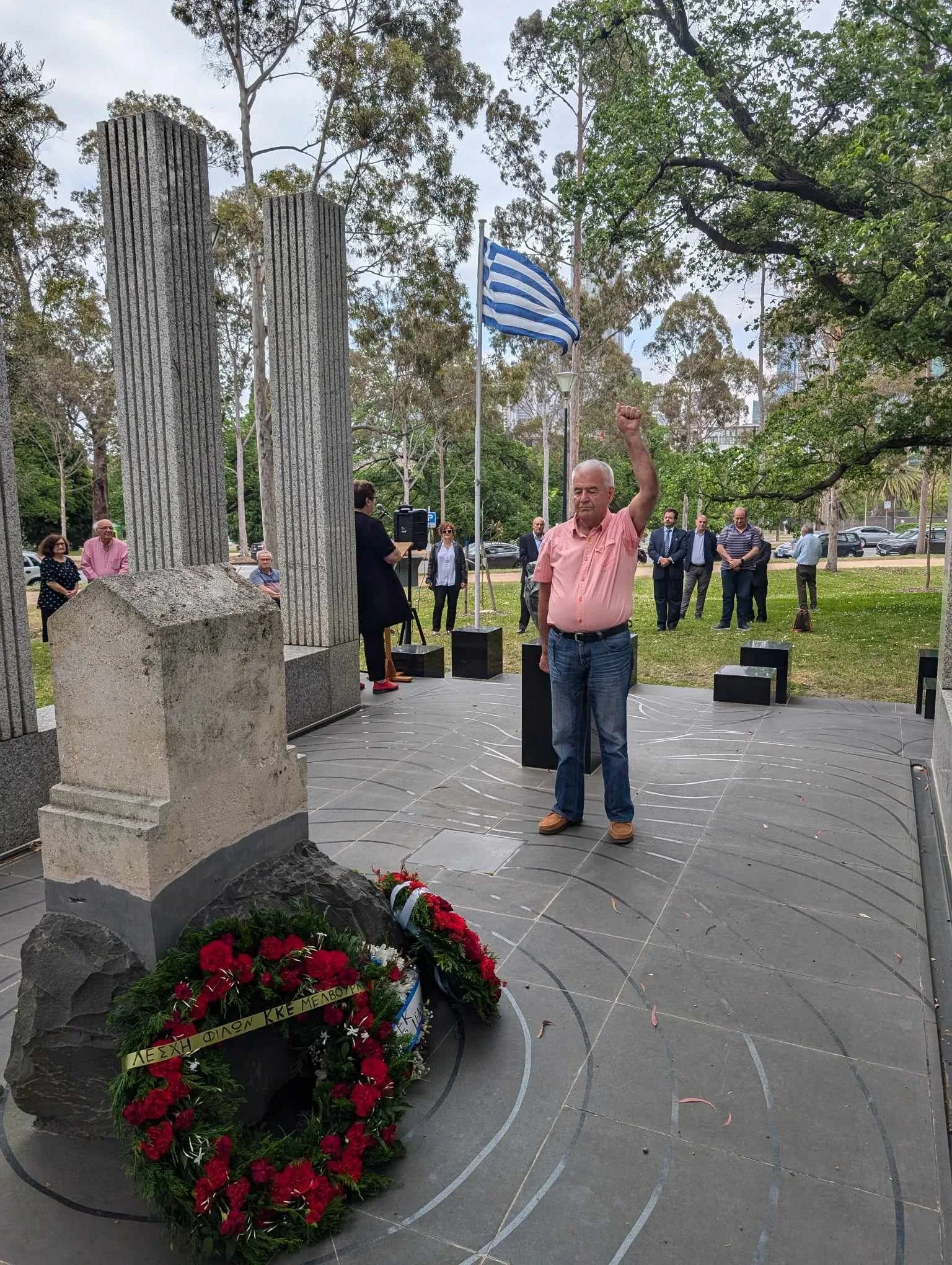
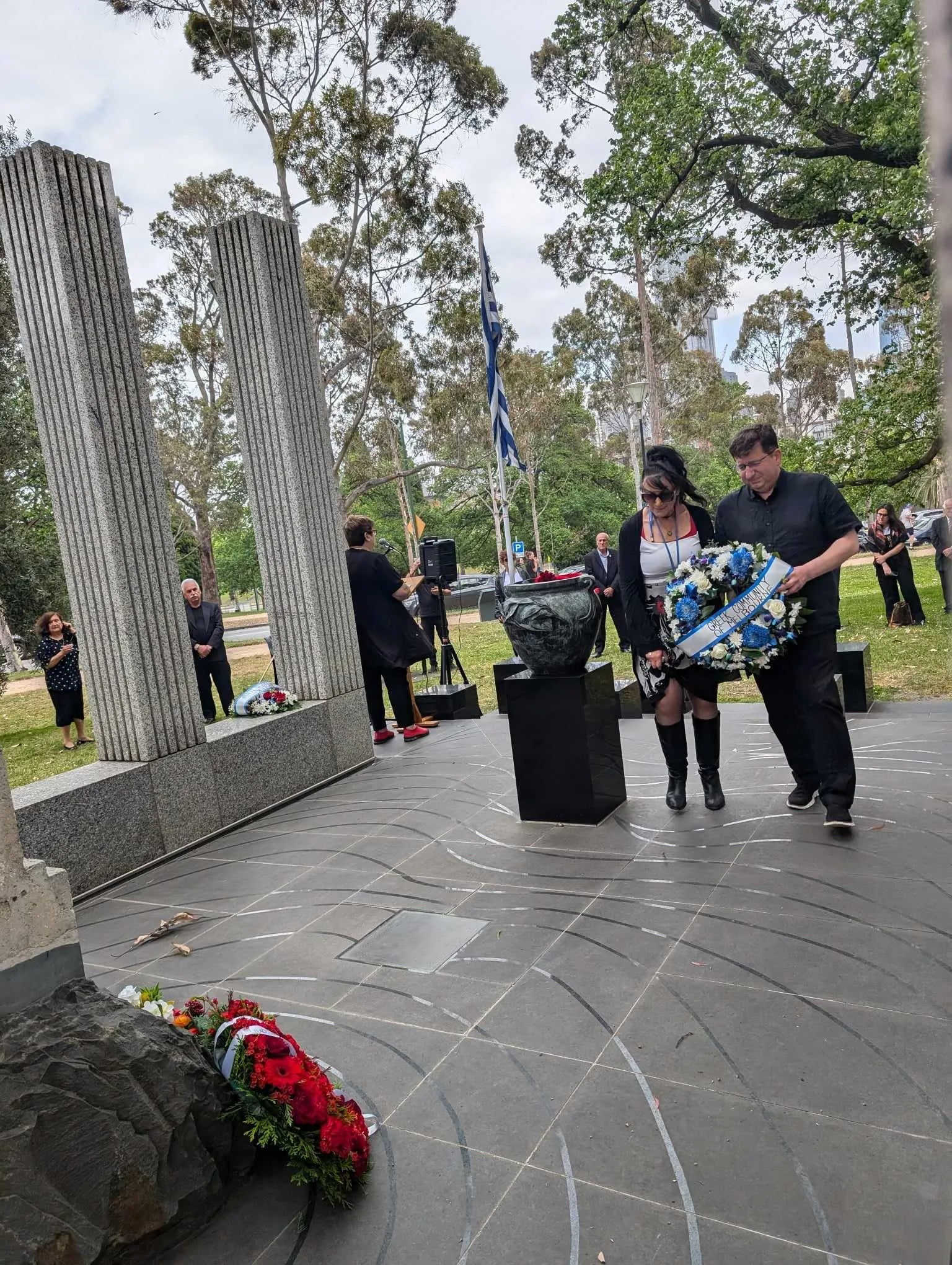
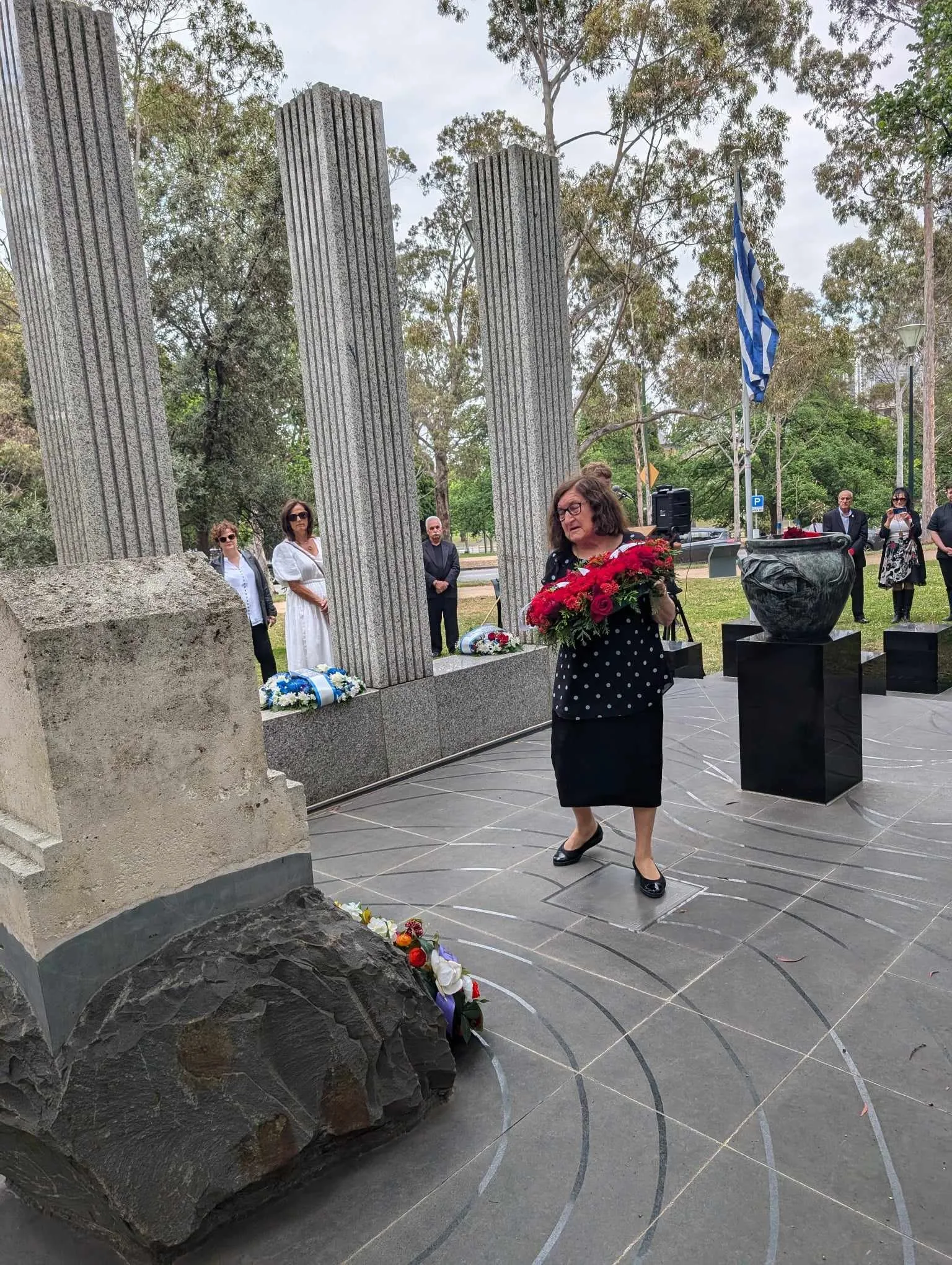
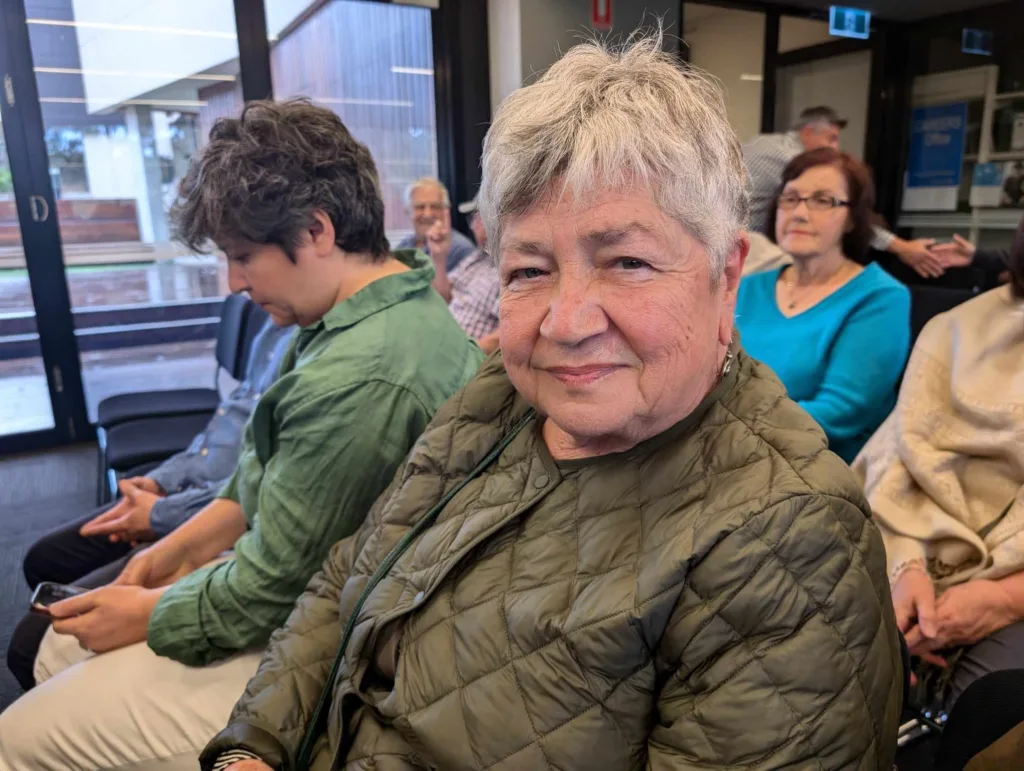
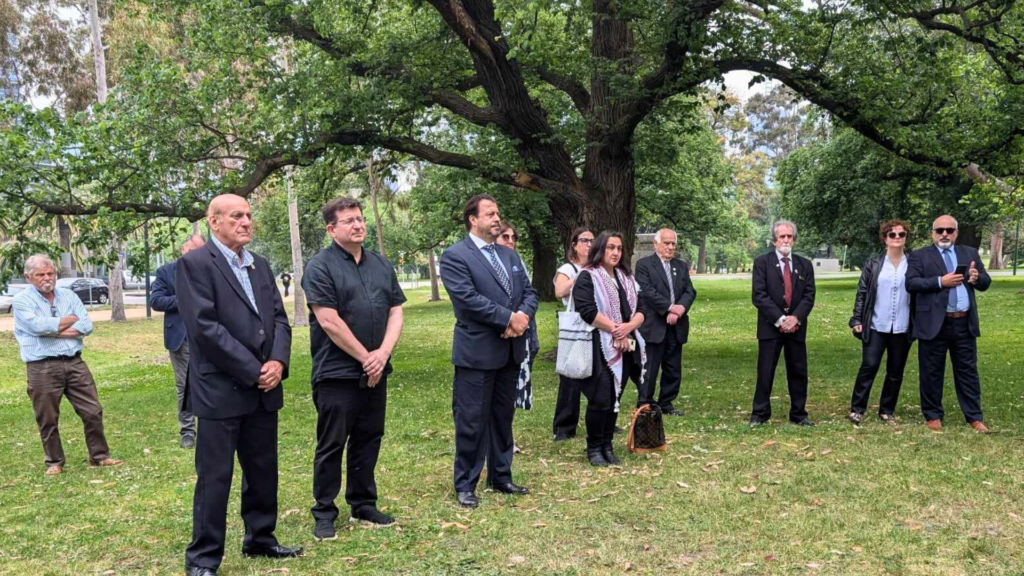
In stark contrast, the wreath-laying ceremony at the Australian Hellenic War Memorial on November 17 was attended by a small number of participants, mature in years. Even the larger turnout at Alphington Grammar’s commemorative event had meagre student participation.
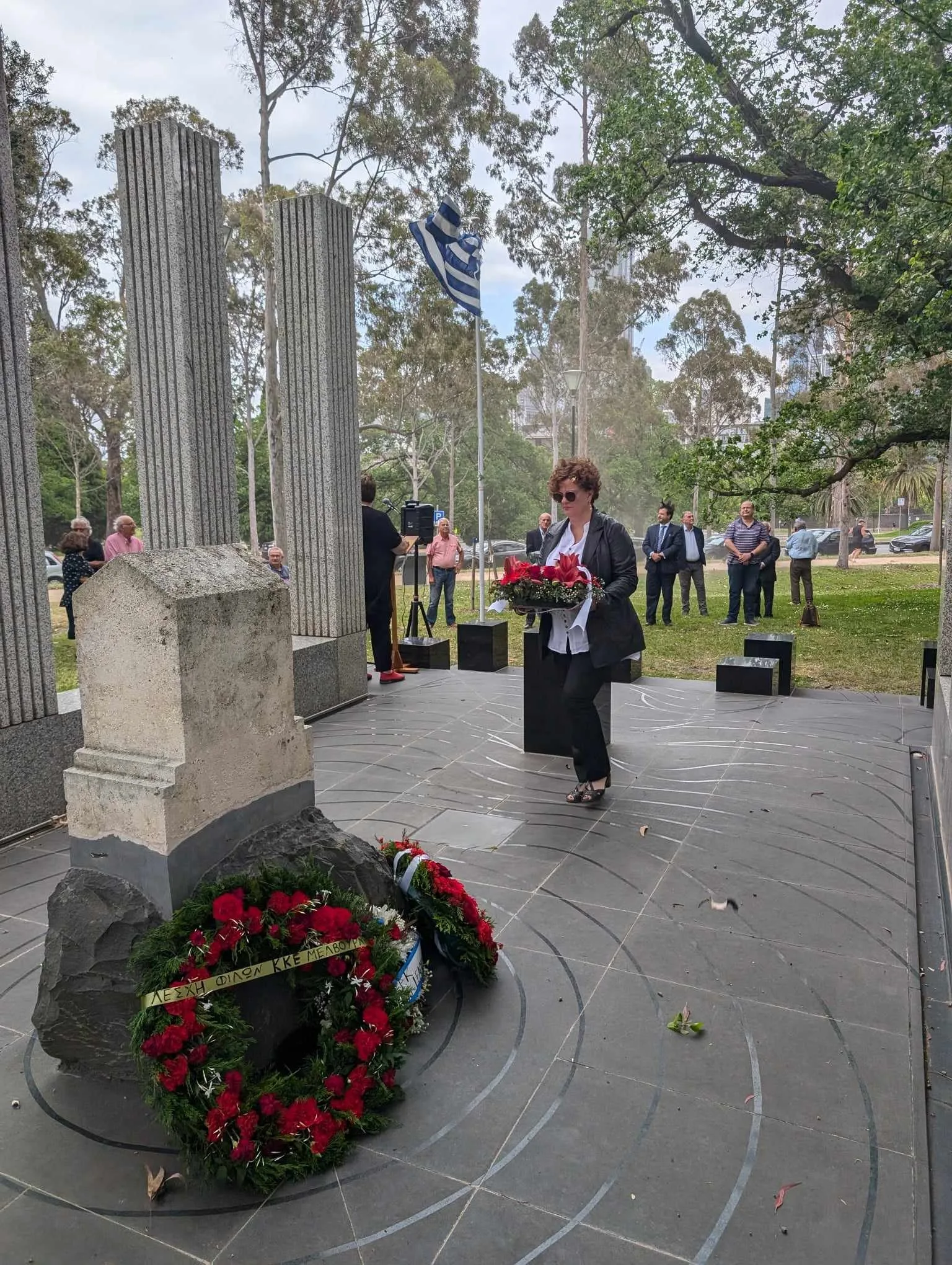
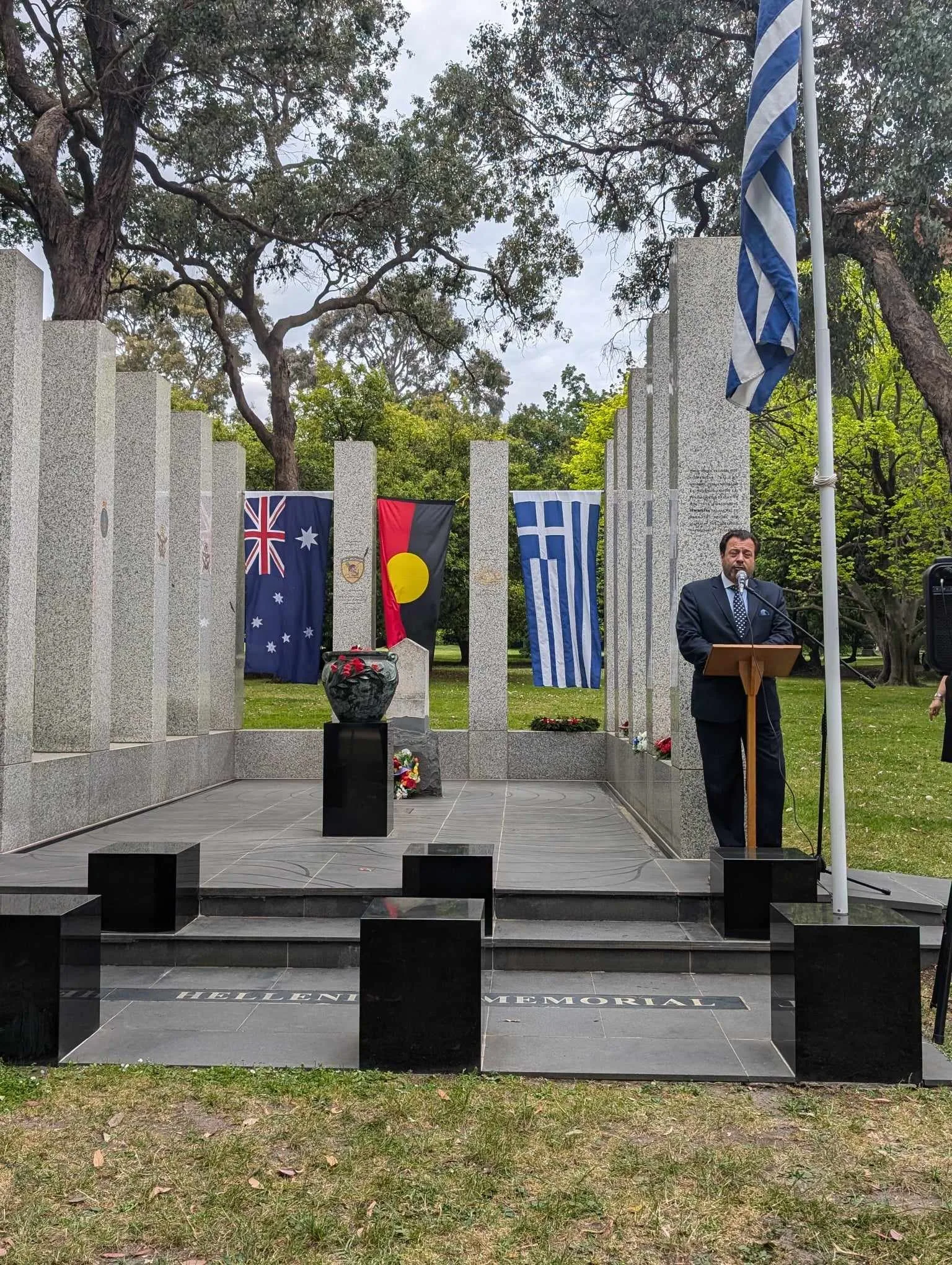
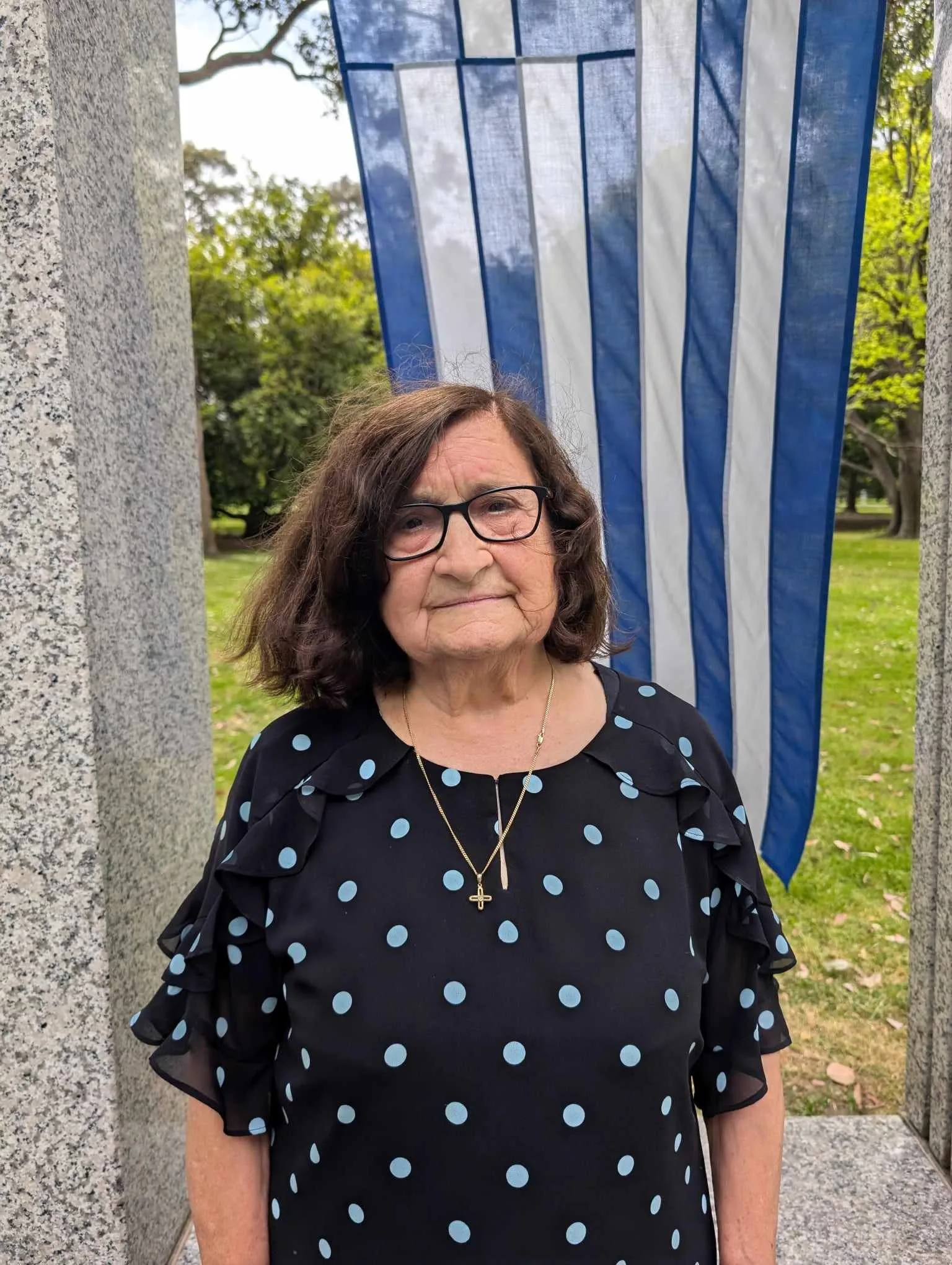
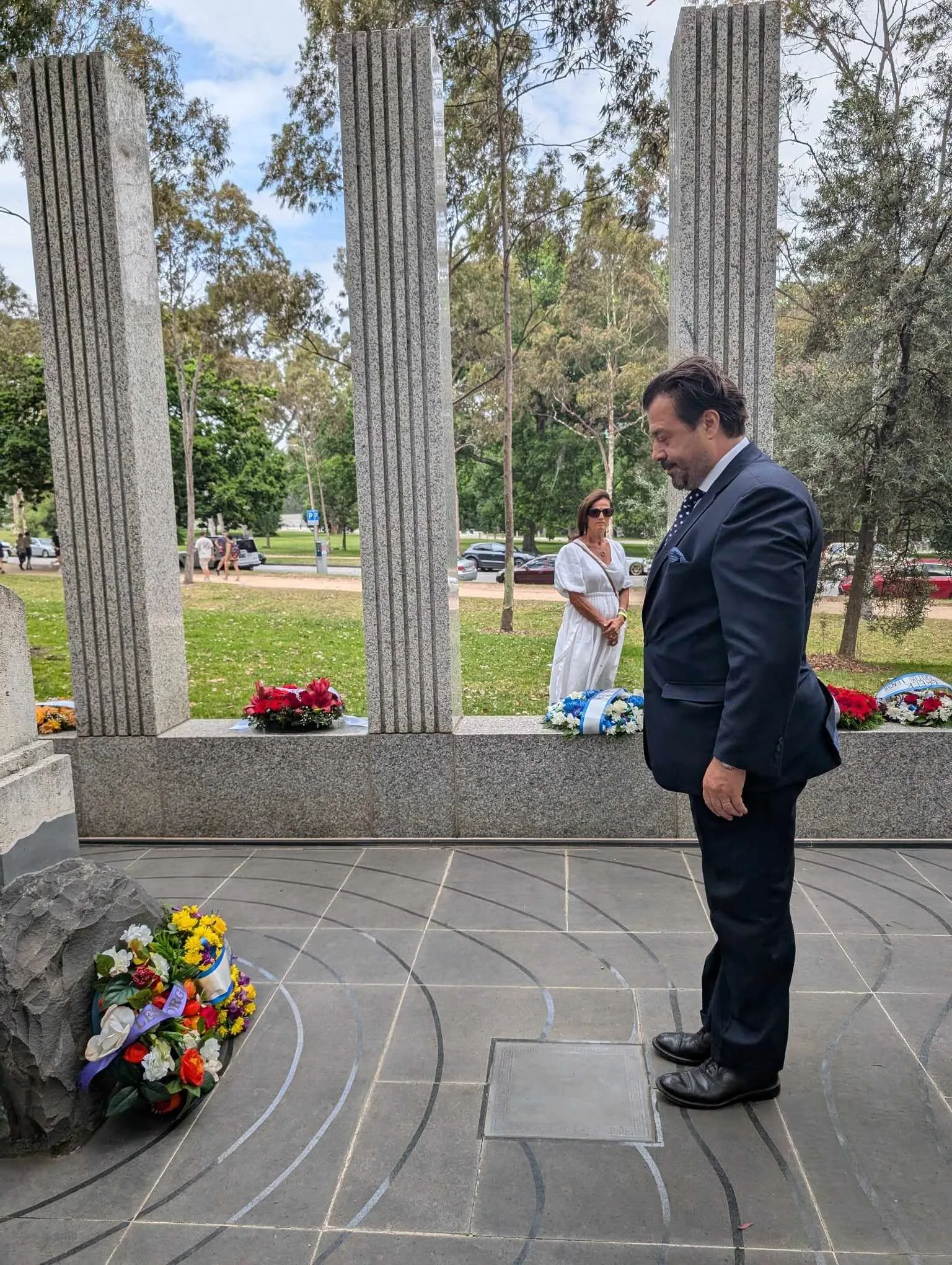
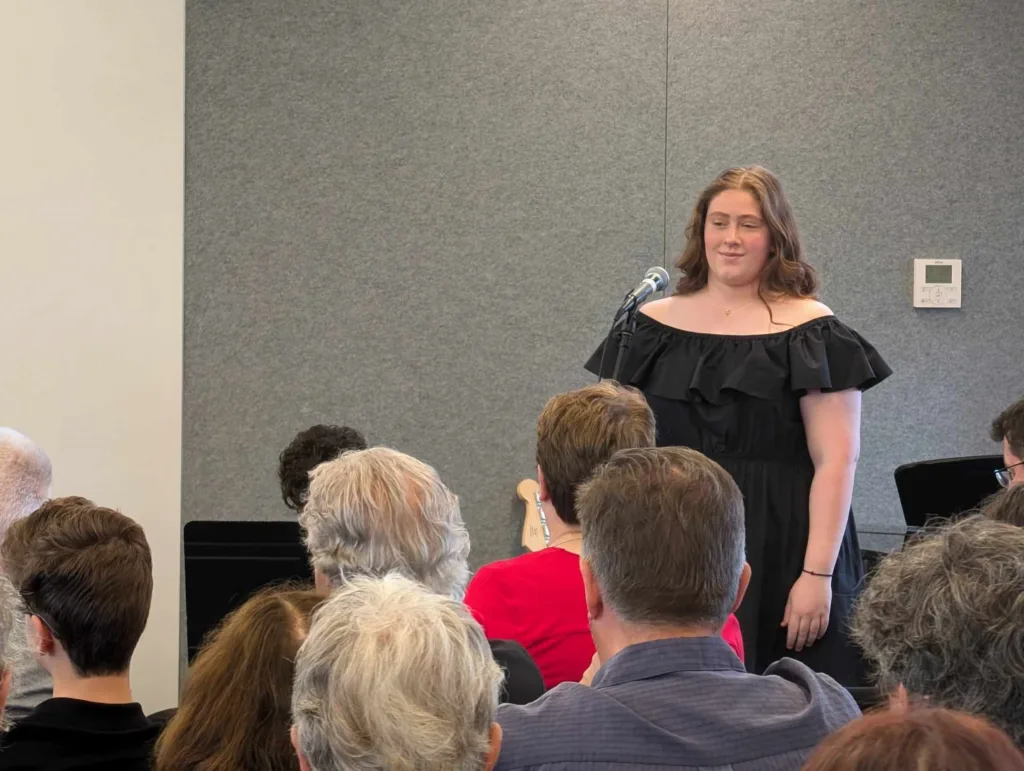
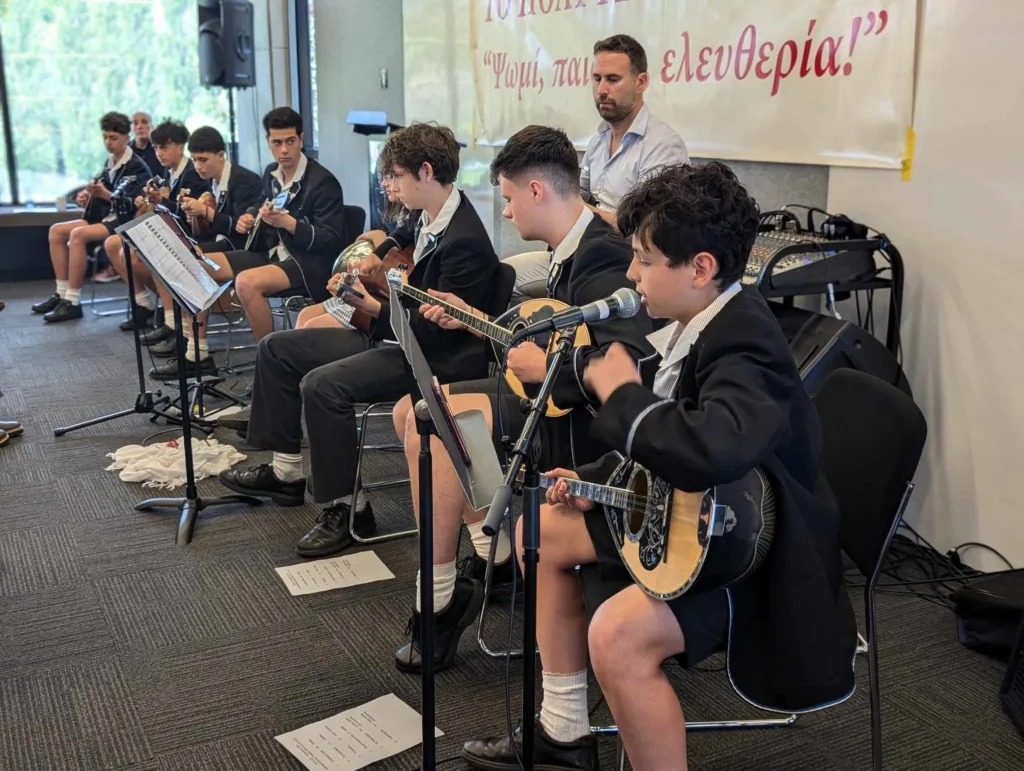
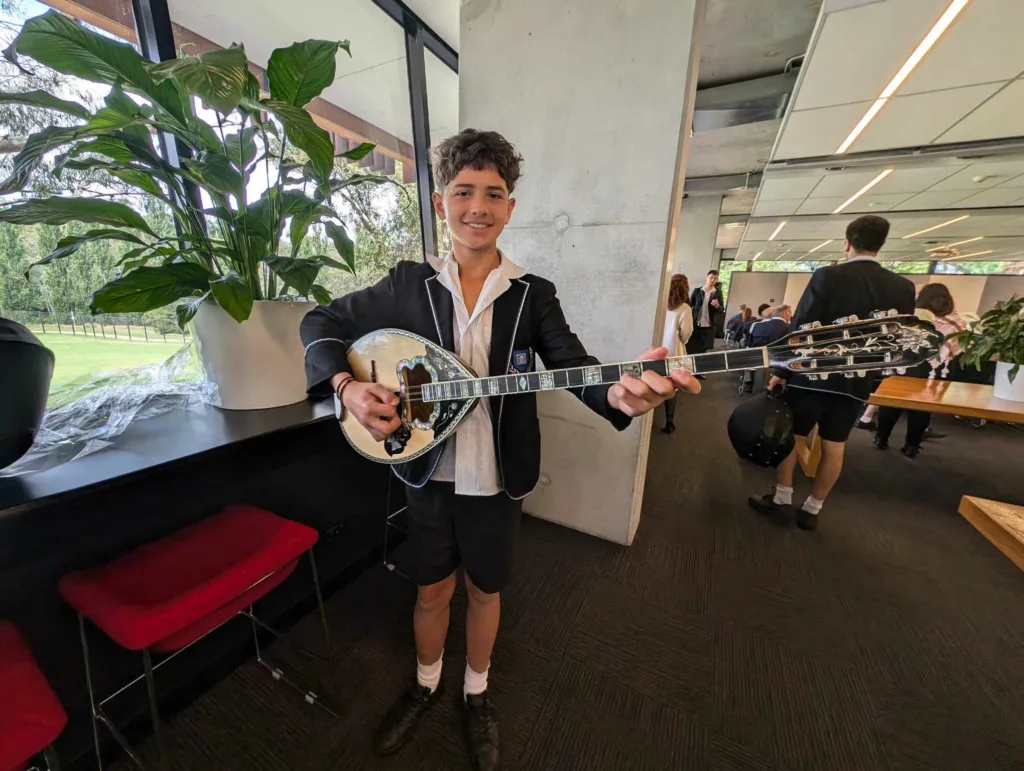
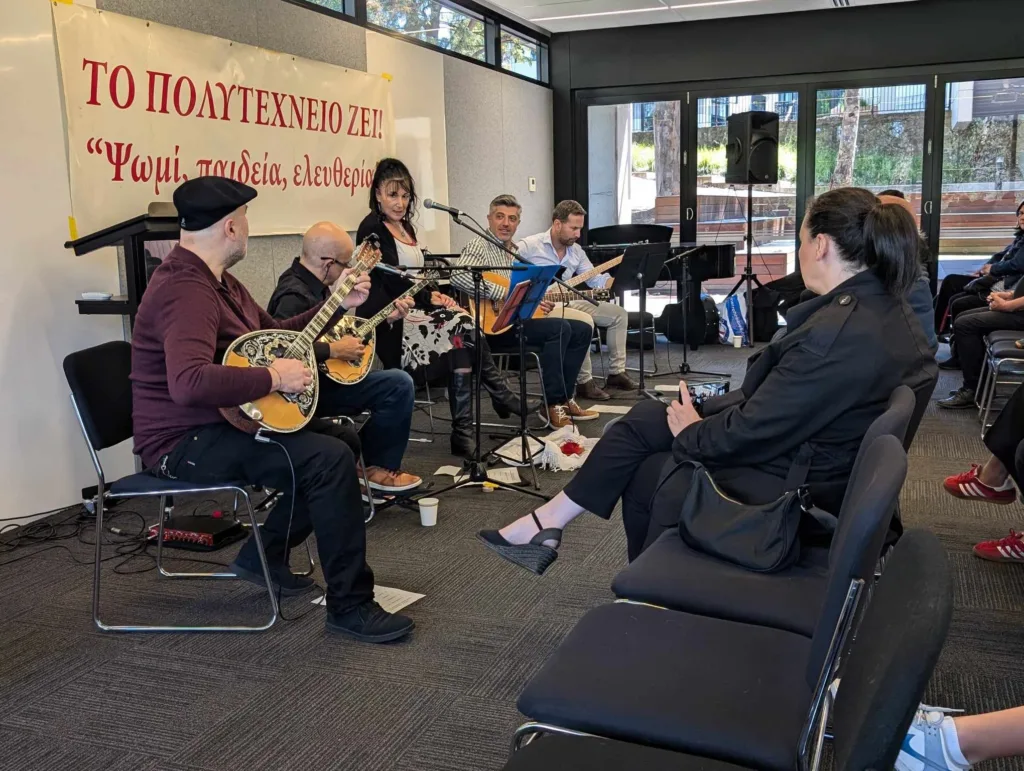
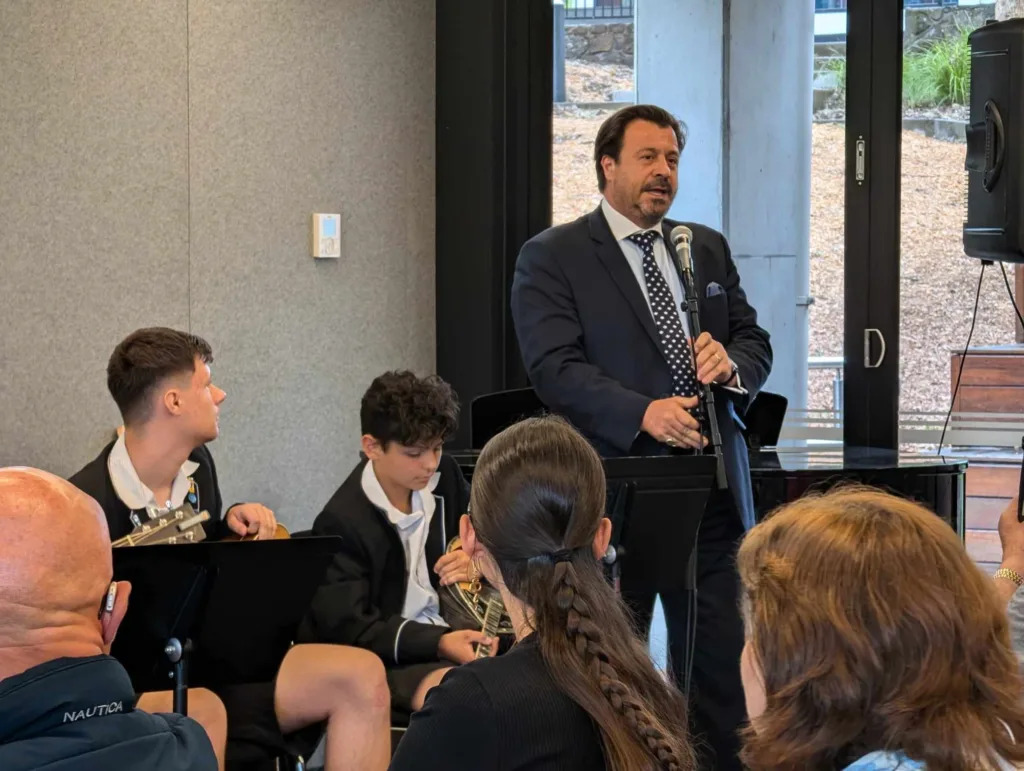
Half of Alphington Grammar’s bouzouki band performed a few songs and darted out before keynote speaker Daphne Arapakis took the podium. 17-year-old Tabitha Bourakis stepped up to beautifully sing Stavros Xarchakos’ “Proskynima” and three children were spotted in the audience.
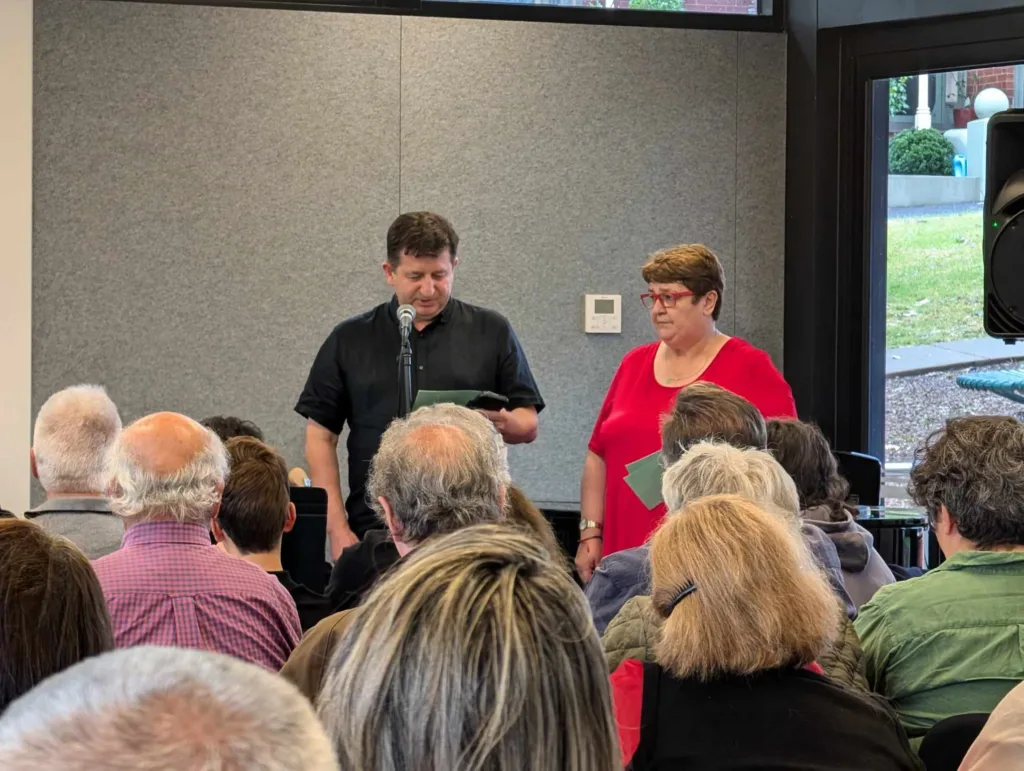
Nick Dallas, a member of the Polytechnic Uprising Committee who emceed the day’s events with Agapi Pashos, explained the lack of student participation.
“Many Greek Australians, who didn’t personally experience the dictatorship, may not fully connect with the event,” he told The Greek Herald, noting that recent Greek immigrant teachers, who grew up learning about the uprising, are more likely to pass on its significance.
Alphington Grammar Principal Vivienne Nikou confirmed that only senior students are aware of the student-led protest against the 1967 military junta.
“We don’t dissect it as they would in Greece,” she explained.
There’s a delicate balance between teaching history and imposing political ideologies. In Greece, teachers often inject their own political perspectives into the narrative, and politicians exploit the event to suit their own agendas.
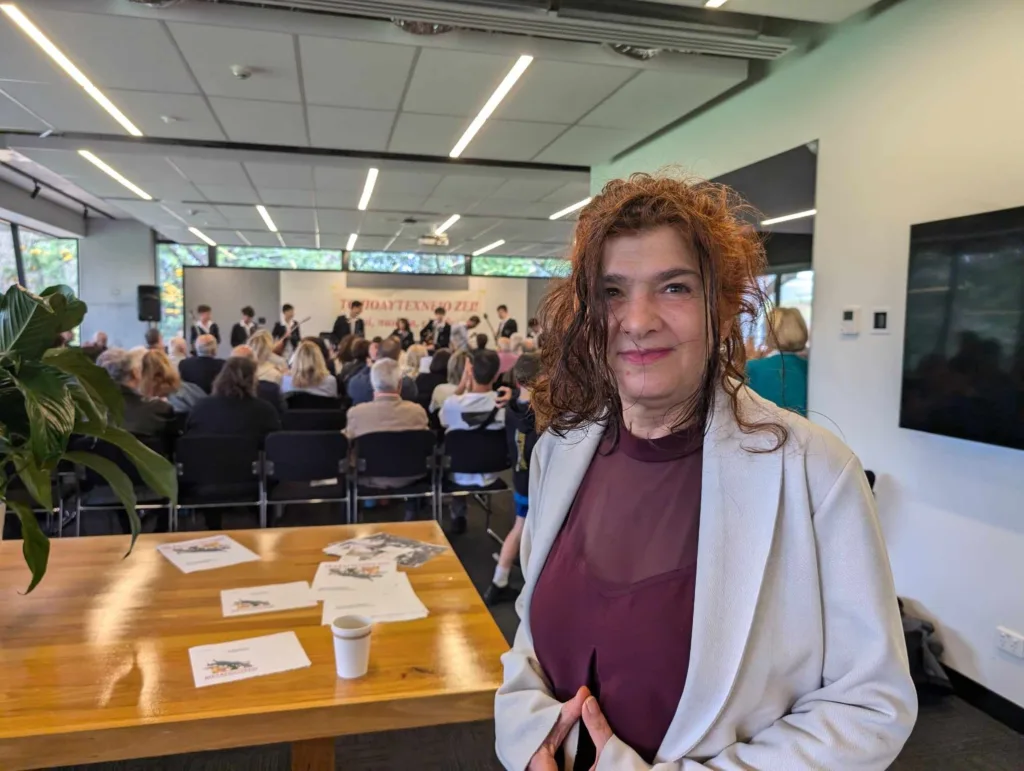
Artist Roula Tsiatis, a former Fine Arts student who participated in the uprising, lamented the politicisation of the event: “All we wanted as students was the freedom to study and live our lives. We weren’t thinking about party politics. It’s disappointing how the Polytechnic Uprising has been exploited by political parties. Factionalism has ruined Greece.”
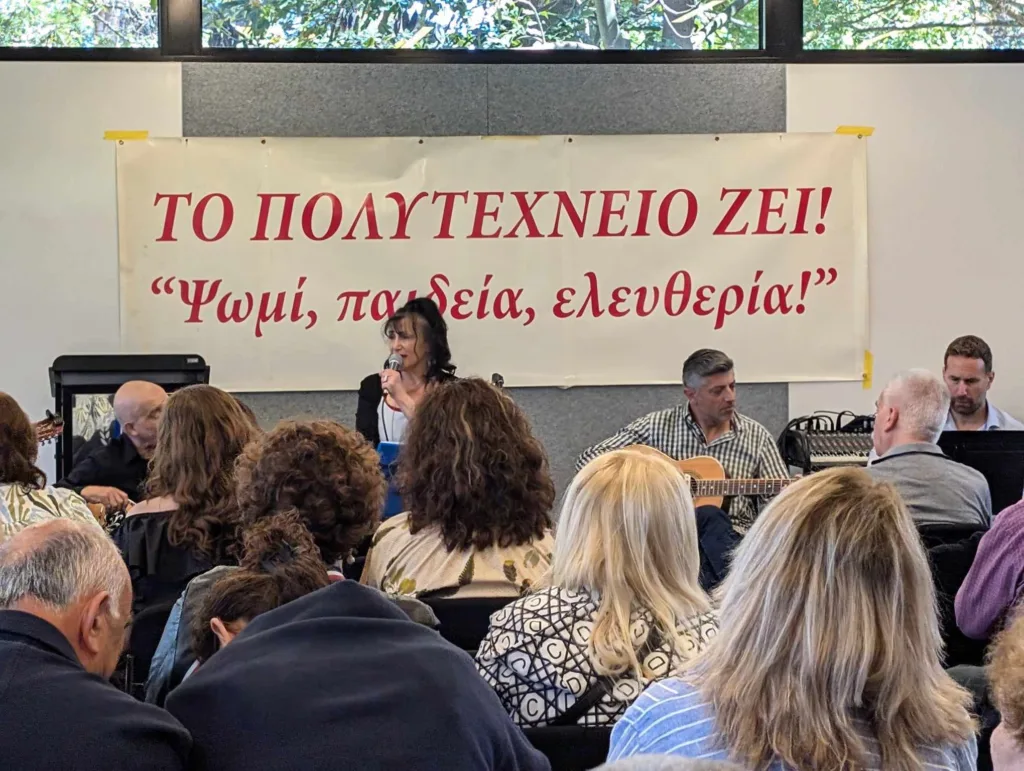
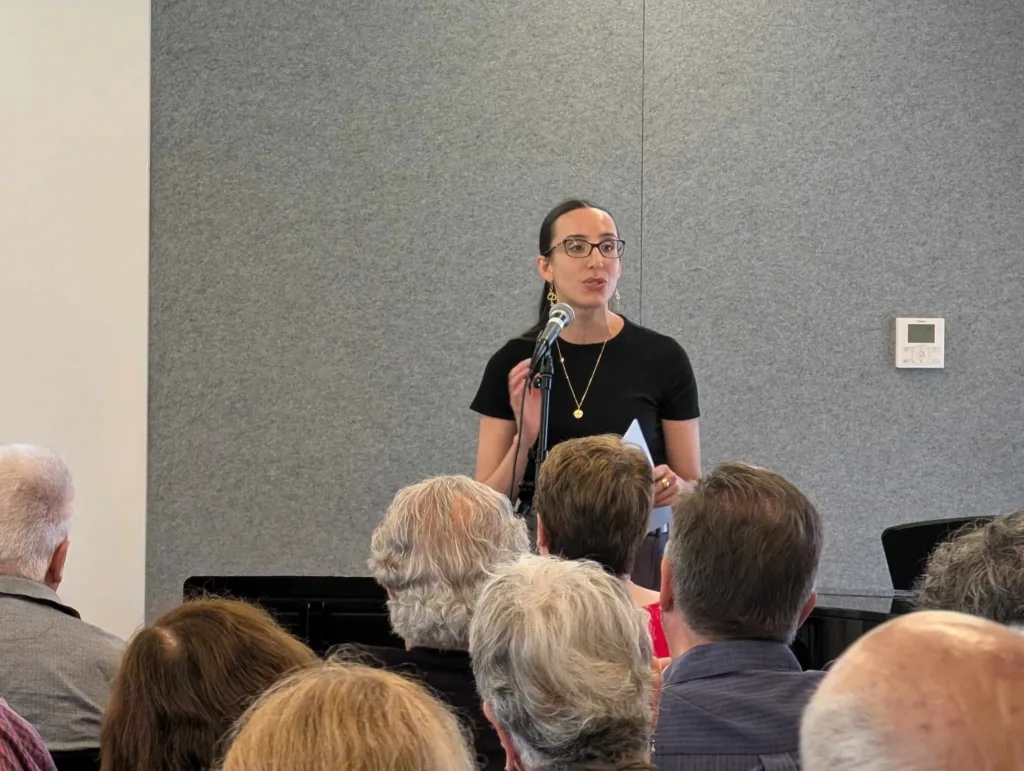
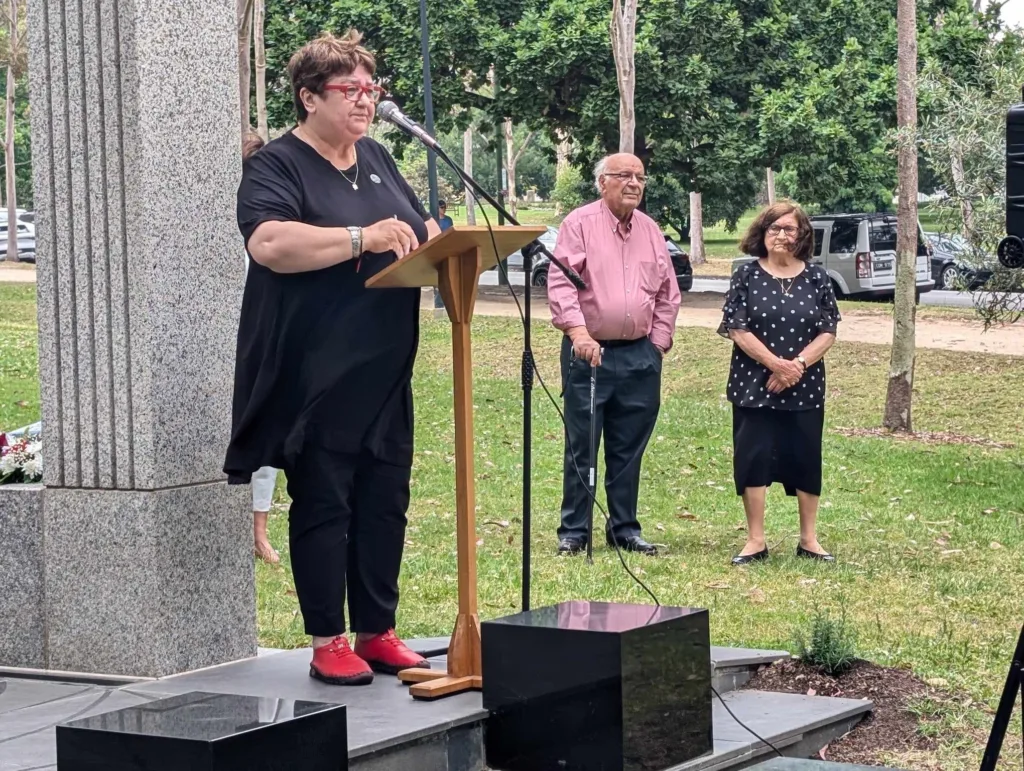
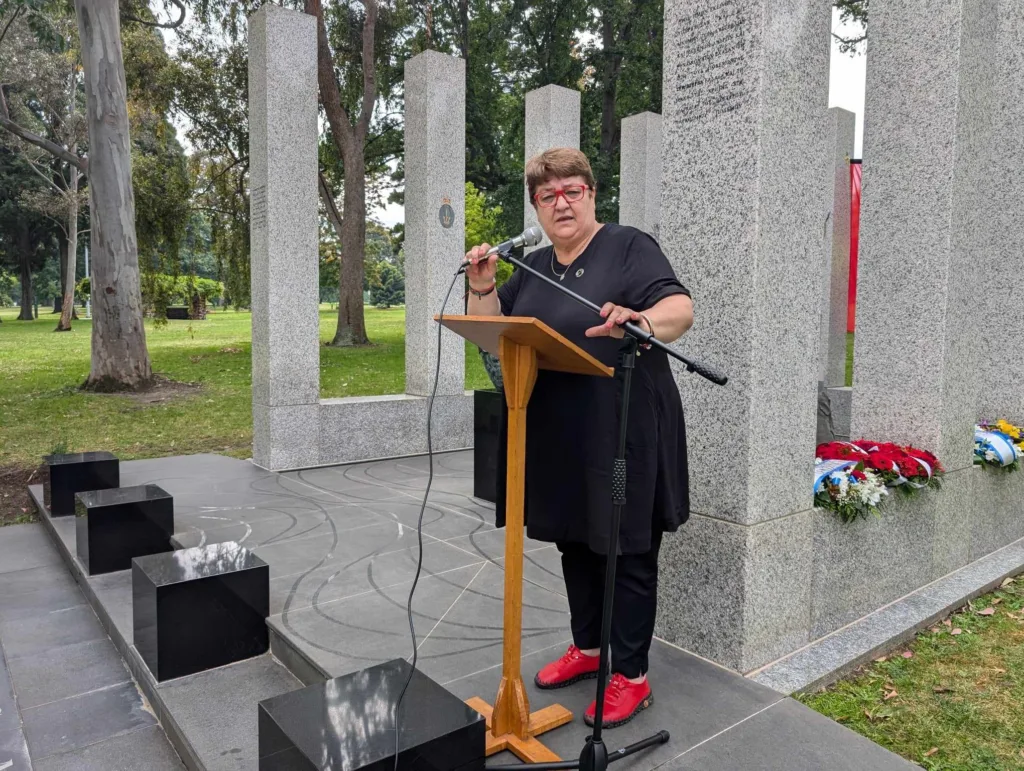
Rather than analyse the historical context of the Polytechnic Uprising, keynote speaker Arapakis analysed its relevance to contemporary issues. She pointed to the links between the Polytechnic Uprising and aboriginal “unwavering resistance to state-sanctioned violence and oppression due to British colonisation” and “the global resistance movement to free Palestine from Israeli-state sanctioned occupation and genocide.”
Greek Elderly Citizens Clubs Federation President John Kostoulias was one of the thousands of Greek Australians who rallied against the junta in 1973.
“We marched and protested in support of the students. We may have been on the other side of the world, but we weren’t apathetic,” he told The Greek Herald during the wreath-laying ceremony.
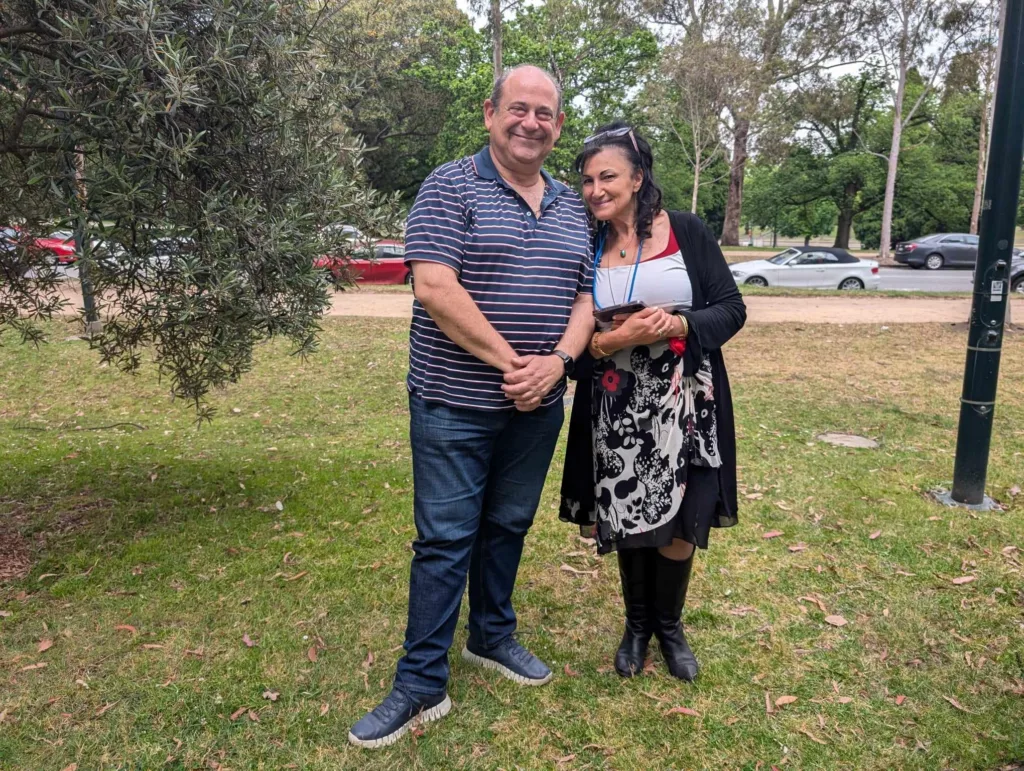
Costas Alaveras, 17 at the time of the Polytechnic Uprising, says Australia was a very different place from Greece, a very young nation finding its feet in the 70s decade of significant change. He had left his beloved Kos just a few years earlier.
“We didn’t have television and would try to get our hands on the news to find out what was going on in Greece,” he said. “To be honest, watching the events unfold in Greece, I felt lucky to have left when I did.”
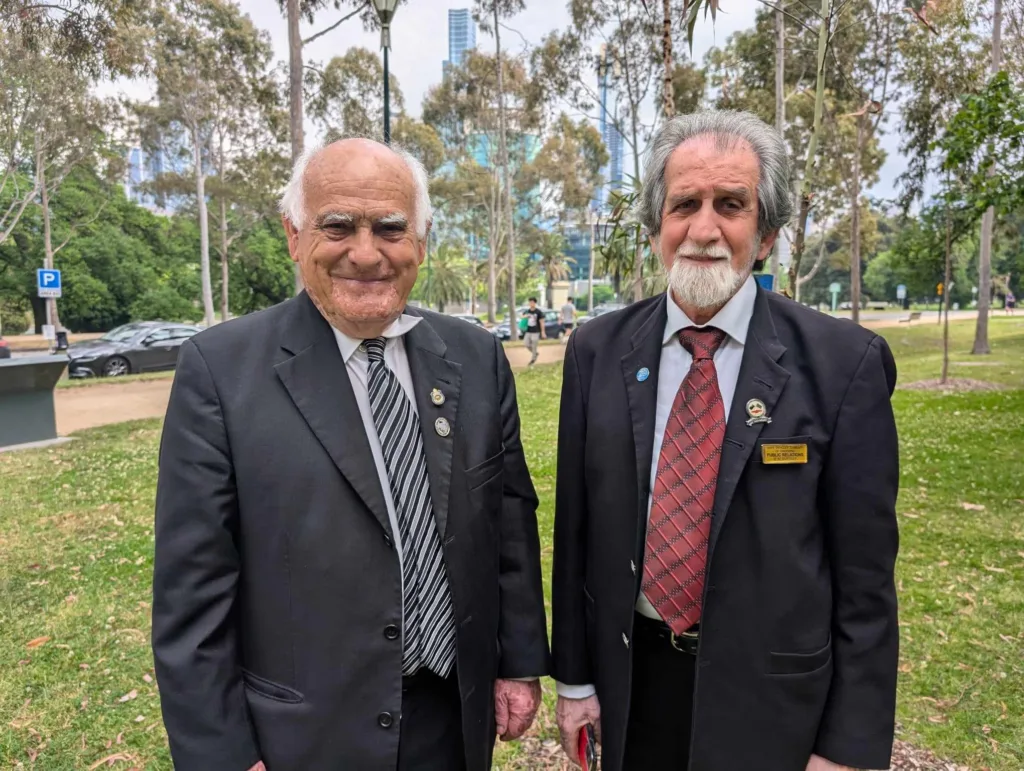
Chrysoula Kominatou from the National Resistance Association was visibly moved. “I lived here but my niece was hit on the head and died in Greece during the dictatorship,” she said. Laying her wreath she called out, “Honour and Glory to those who put their chests in front of the tanks for freedom.”
Greek Consul General to Melbourne, Emmanuel Kakavelakis, said it is worth fighting for “Bread Education Freedom,” but left a question mark on whether the students were vindicated in their revolt.
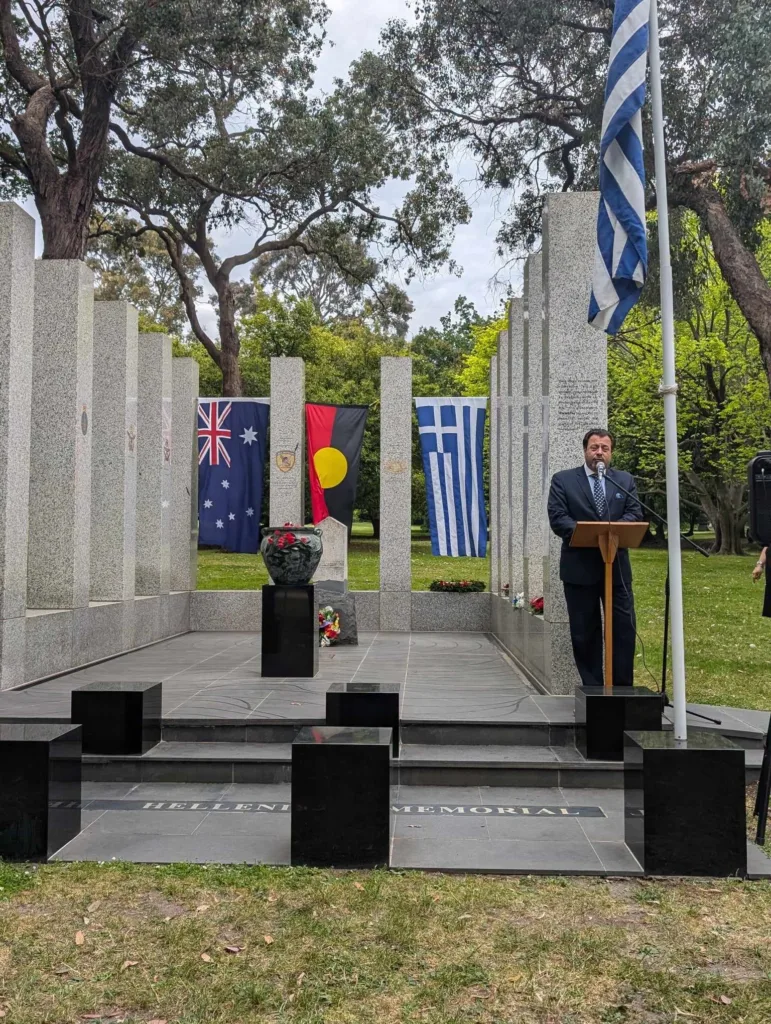
He hinted at, but did not mention, the failed coup by Brigadier Dimitrios Ioannidis who snatched power from Dictator George Papadopoulos. This led to Turkey’s subsequent invasion of Cyprus which would have been interesting to analyse bearing in mind this year’s 50th anniversary of the Turkish invasion of the island.
“The result doesn’t matter as much as the collective efforts of our nation for a better tomorrow,” Mr Kakavelakis said.
The event ended with music by Anthea Sidiropoulos, who performed uplifting songs of the day.
