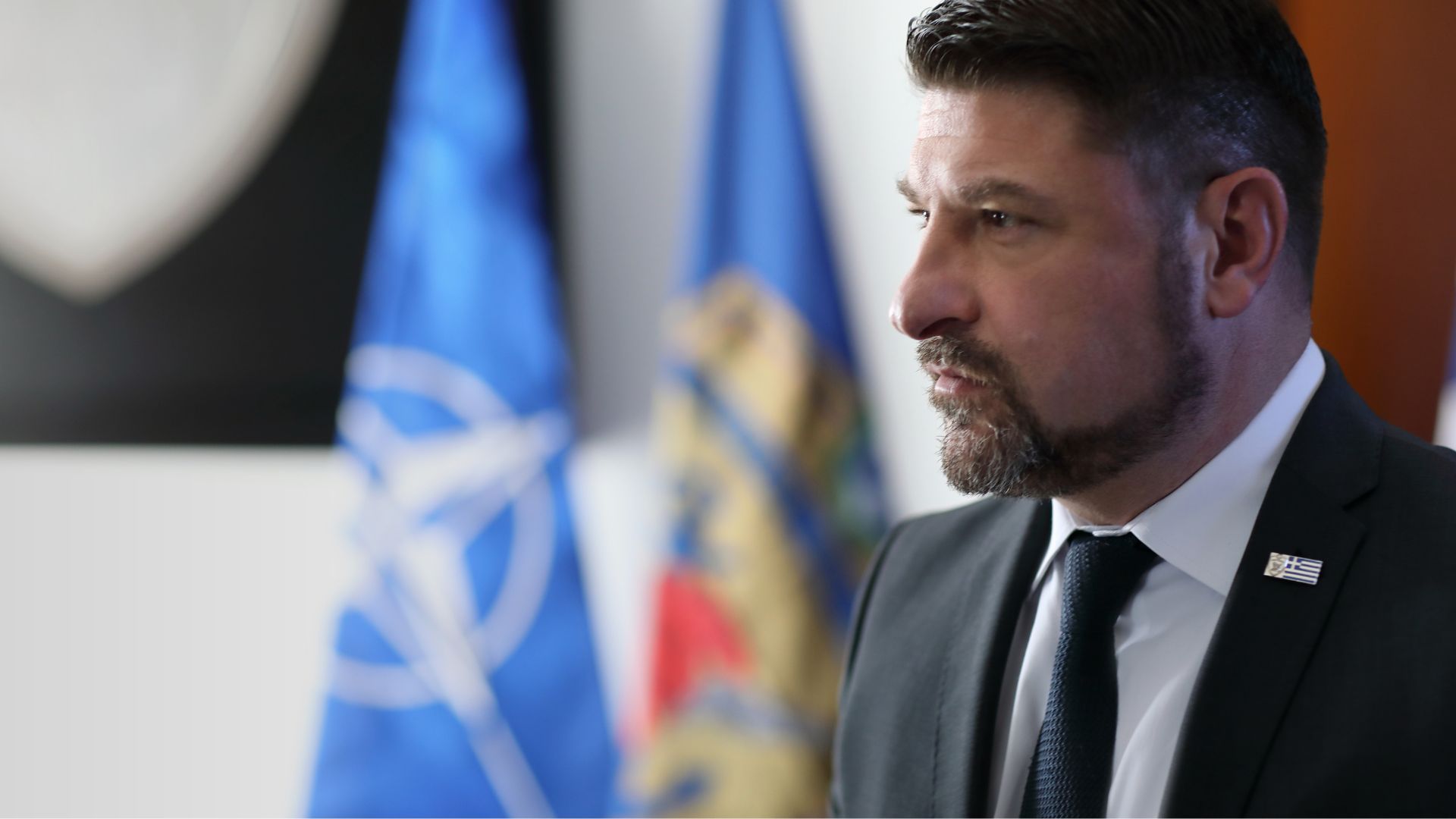
In an exclusive message to The Greek Herald, Greece’s Deputy Defence Minister, Nikos Hardalias, has reached out to Australia’s diaspora ahead of Greek Independence Day on March 25.
Message by Greece’s Deputy Defence Minister, Nikos Hardalias:
The anniversary of the Greek Revolution of 1821 is traditionally an occasion for a review of the past, present and future of Hellenism. This creative cultivation of historical memory, as well as the tribute to the fighters of 1821, should never be confused with the sterile reminiscence of the achievements of a previous, glorious generation. On the contrary, it is an opportunity to confirm our national orientation and, driven by the study of one of the most brilliant chapters of our 3000-year history, to confirm the fundamental principles and values that unite us as Greeks, whether we live in Athens or Kastellorizo, in New York or Melbourne.
More than 200 years ago, our ancestors, no longer able to bear the heaviest and unprecedented yoke of tyranny, took up arms against the “horrible Ottoman dynasty,” as it is characteristically mentioned in the preamble of the first Greek Constitution. The entire country turned into a huge battlefield where through the blood and sacrifices of the Greek fighters – chieftains, ordinary fighters, clergy, women, children, intellectuals – the creation of the modern Greek state and the rebirth of Hellenism were sealed.
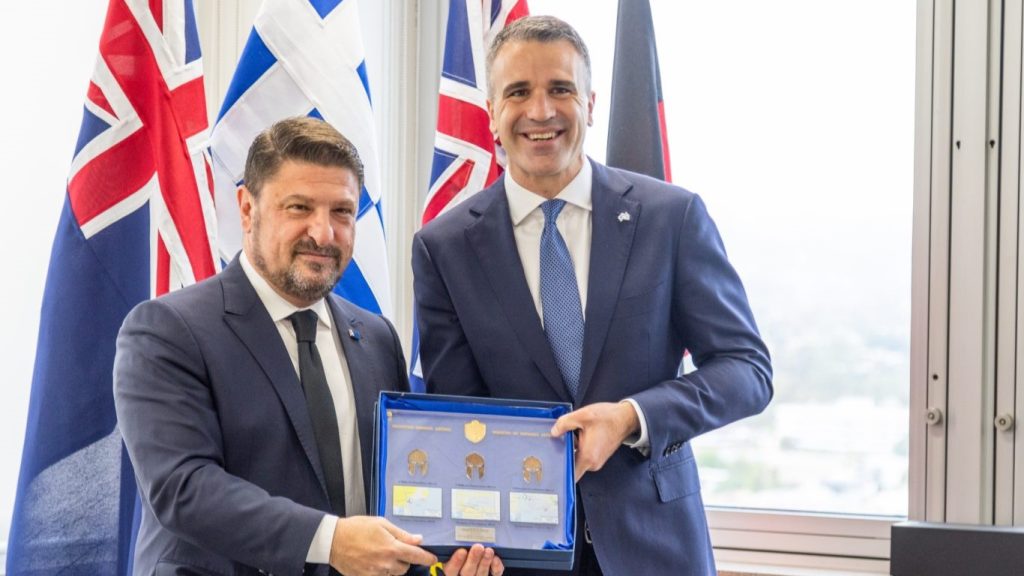
We did not stand alone in this effort. The Revolution of 1821 began at a bad historical moment for the Greeks. Europe was extremely conservative and oriented towards the preservation of the existing order. It initially chose to condemn the Revolution and turn a blind eye to the Ottoman atrocities. Soon, however, the climate changed thanks in large part to the enthusiasm of thousands of diaspora Greeks and Philhellenes from both sides of the Atlantic, who realised the universality of the Greek struggle. As the emblematic British poet Percy Shelley put it in the introduction to his wonderful work entitled Greece: “We are all Greeks, our laws, our literature, our religion, our arts, have their roots in Greece.”
On this solid foundation – and despite the many storms we passed through in the decades that followed – we grew, became stronger and are still building the motherland. Today’s Greece is very different from the poor, ruined and crippled – but free – Greece of 1830. It is an economically strong state that provides its citizens with a high standard of living and is a member of the most powerful and top alliances in the world. And of course, for some years now, it has been practicing a dynamic and multi-dimensional foreign and defence policy, which includes the building of the strongest Armed Forces in modern Greek history, as well as the active affirmation of the rights provided by the Law of the Sea.
On the occasion of the 202nd anniversary since the Greek Revolution, the Greek state sends a clear message to the Greek diaspora: As in 1821, you are the best “ambassadors” of our homeland and Greece’s “bridge” to strong partners with whom we share common principles and values.

