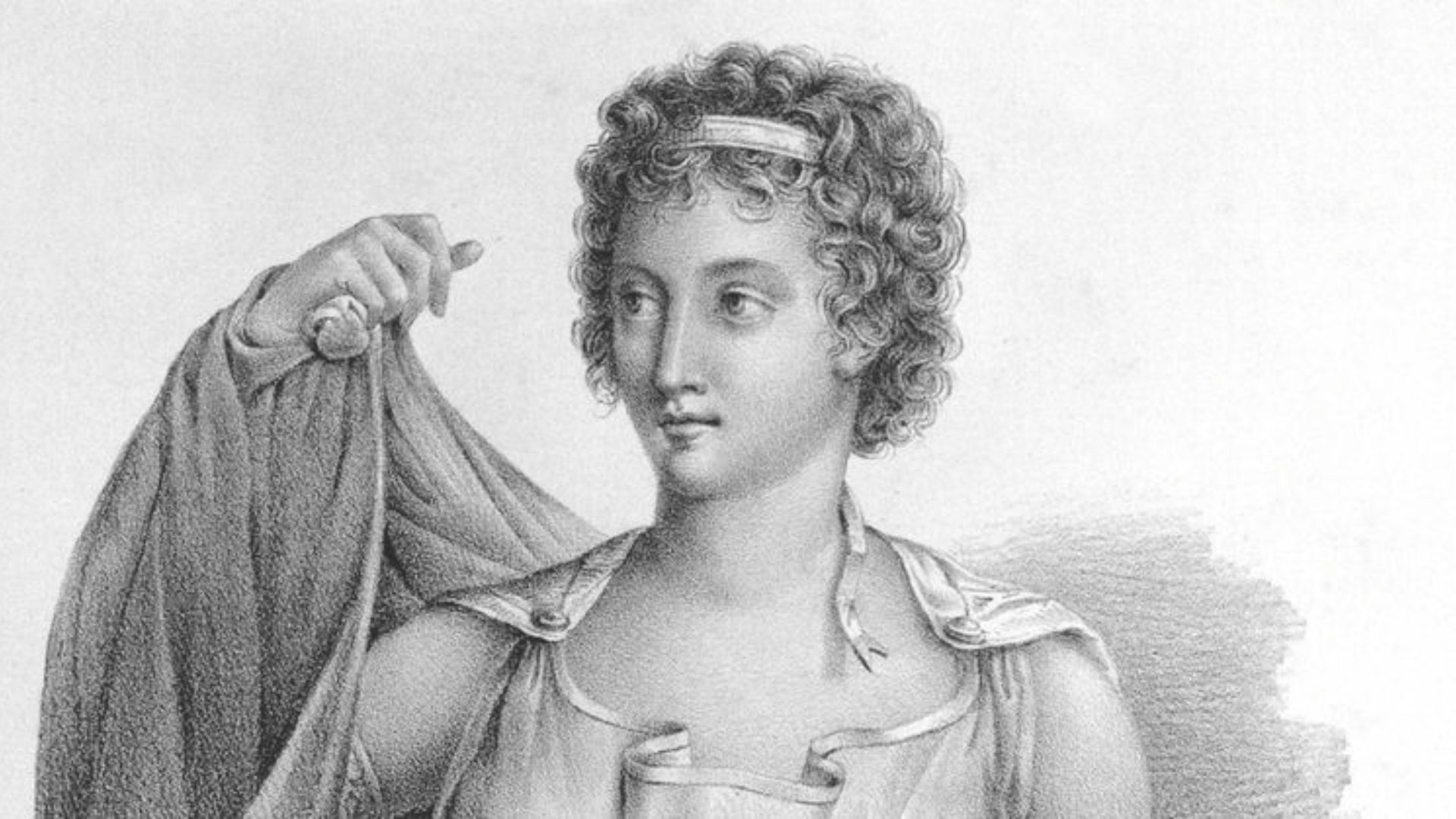
5 historic female Greek scientists and philosophers you should know about

·

The Greek Herald takes a look back at the top five female Greek scientists and philosophers you should know about.

1. Themistoclea, Teacher of Pythagoras:

Also called Aristoclea or Theoclea, Themistoclea (6th century BCE) was a priestess at Delphi. She was one of the teachers of the famous Greek philosopher and mathematician Pythagoras, who claimed to have learned all his moral doctrines from her. Unfortunately, not much information about her has survived.

2. Aspasia of Miletus:
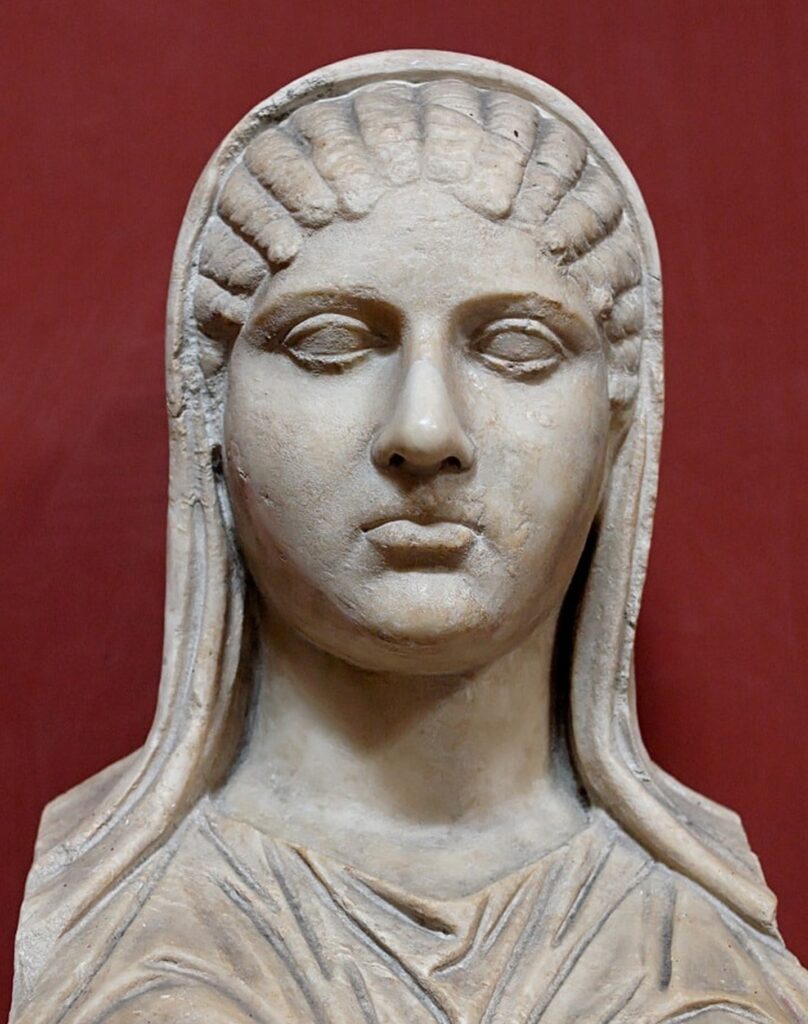
Bust of Aspasia, identified through an inscription. Photo: Public Domain / WikiCommons.

Born in Miletus in Asia Minor, Aspasia (470-410 BCE) was an important figure in Classical Athens. While few sources can tell us how she immigrated to the city state, she was known as the partner of Pericles, a local statesman, and mother of Pericles the Younger. 

The Greek historian, Plutarch, recounts that her home in Athens was an intellectual center that attracted many great thinkers and philosophers, including Socrates and Plato.

Aspasia is also said to have established a girls’ school, surpassing the limitations imposed on women.

3. Hypatia of Alexandria:

Hypatia of Alexandria (350-415 CE) was a philosopher, astronomer and mathematician in Alexandria. She is the earliest known female mathematician and was the last head of the Philosophical School of Alexandria, as well as the keeper of the famous library.
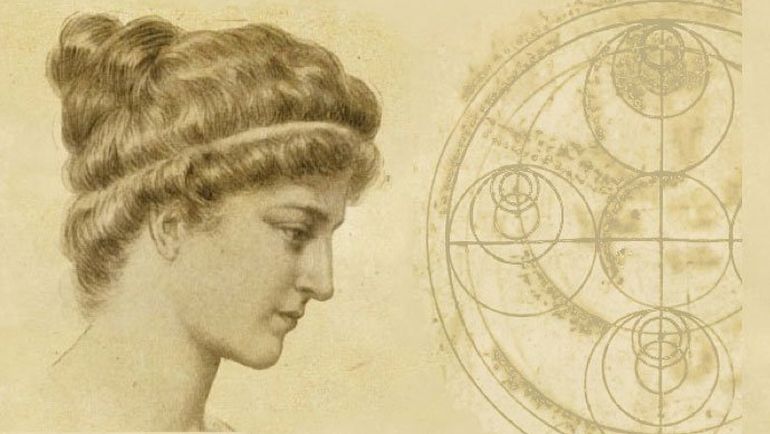
Hypatia (350-415 CE) was a philosopher, astronomer and mathematician in Alexandria.

The daughter of Theon of Alexandria, a mathematician and astronomer, she was a popular teacher and lecturer on philosophical topics, and is credited as the inventor (or at least, the perfecter) of the astrolabe.

Her belief in Neoplatonism caused her to be considered a pagan, which led to her being stoned to death after being accused of witchcraft.

4. Arete of Cyrene:

Daughter of Aristippus of Cyrene in modern-day Libya, Arete (5th–4th century BCE) is known as the first female philosopher. She learned this from her father, a former student of Socrates, and passed teachings on to her son, Aristippus the Younger.

It is said that she took over the School of Cyrene after her father’s death.

While none of her teachings have survived, she is mentioned by several historians and philosophers, including Diogenes Laërtius, Aelius, Clement of Alexandria and Aristocles.
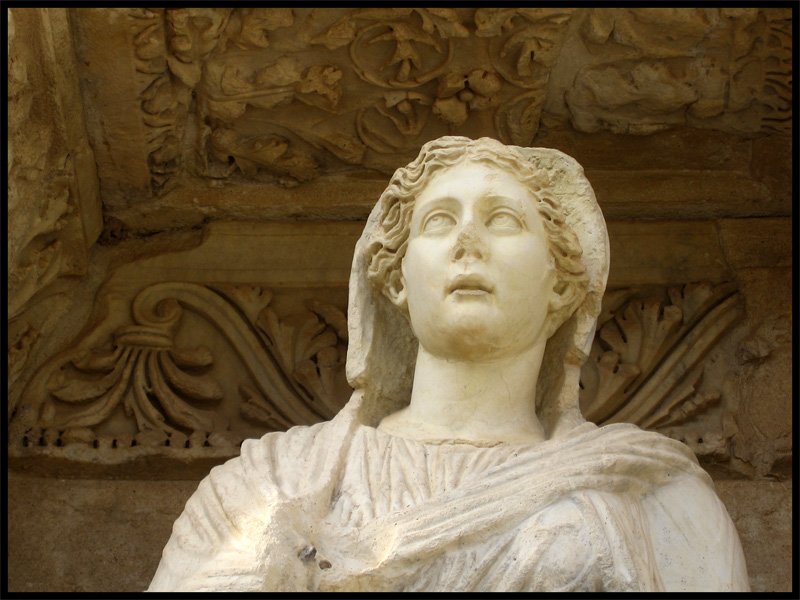
5. Agnodice of Athens:
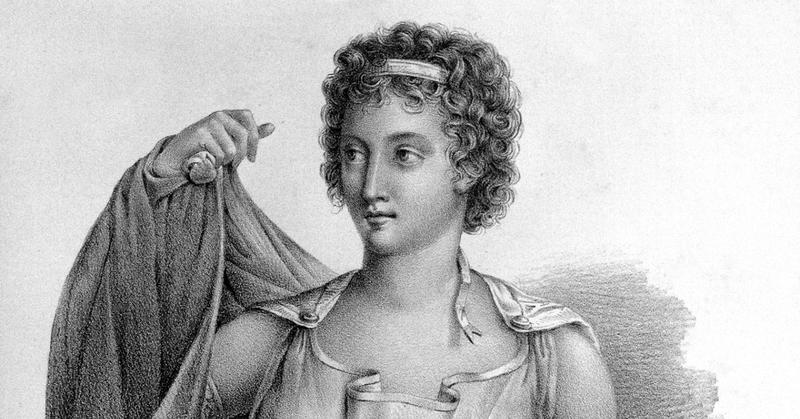
Born into a wealthy Athenian family, Agnodice (c. 4th century BCE) was actually the first female midwife known to history.

Her story is told by Roman author, Gaius Julius Hyginus, who recounts that she studied medicine under Herophilus disguised as a man, as women were not allowed to practice medicine.

She started practicing in Athens still disguised as a man, and specialised in helping women during labor, as men often refused to do this. In one instance, she had to reveal to a patient that she was a woman in order to proceed.

Jealous of her success among women, her male colleagues accused her of seducing women. She was even tried, and defended by the wives of leading statesmen of Athens, she was acquitted.

Thanks to her, the law against female physicians practicing in Athens was overturned.

Source: amazingwomeninhistory.com and theculturetrip.

Share:

KEEP UP TO DATE WITH TGH

By subscribing you accept our Terms of Service and Privacy Policy.

Latest News

Tsitsipas reaches Rotterdam quarterfinals with straight-sets win

Stefanos Tsitsipas has advanced to the quarterfinals of the ATP 500 tournament in Rotterdam, defeating Arthur Rinderknech 7-5, 6-3.

Mitsotakis urges Turkey to lift war threat amid renewed talks

Greek PM Kyriakos Mitsotakis has called on Turkey to remove its long-standing threat of war as Athens and Ankara seek to maintain dialogue.

From kitchen to lyra: Chef Tasos Bagourakis delights Sydney at Cretan feast

On Saturday, February 7, the Cretan Association of Sydney and New South Wales held “A Taste of Crete” cuisine night.

SA Premier pledges increased funding at Cyprus Festival Adelaide

The Cyprus Festival Adelaide delivered a vibrant and unforgettable weekend of food, culture and community, welcoming thousands.

World Greek Language Day celebrated with artistic and intellectual depth in Perth

World Greek Language Day was marked with splendour in Perth, Western Australia on February 9, with a cultural and intellectual event.

You May Also Like

Waverley Mayor Paula Masselos slams proposed housing reforms for Bondi

The Minns government intends to permit buildings up to six floors near to Sydney rail stations to alleviate the housing crisis.

Greece to introduce ankle monitors and jail terms for defying deportation orders

Migrants in Greece whose asylum applications have been rejected will soon be required to wear ankle monitors under new government measures.

Young descendant of Cretan resistance fighters shares thoughts on Battle of Crete

The Battle of Crete was the operation for the capture of Crete by the Germans during World War II. On the morning of May 20, 1941.