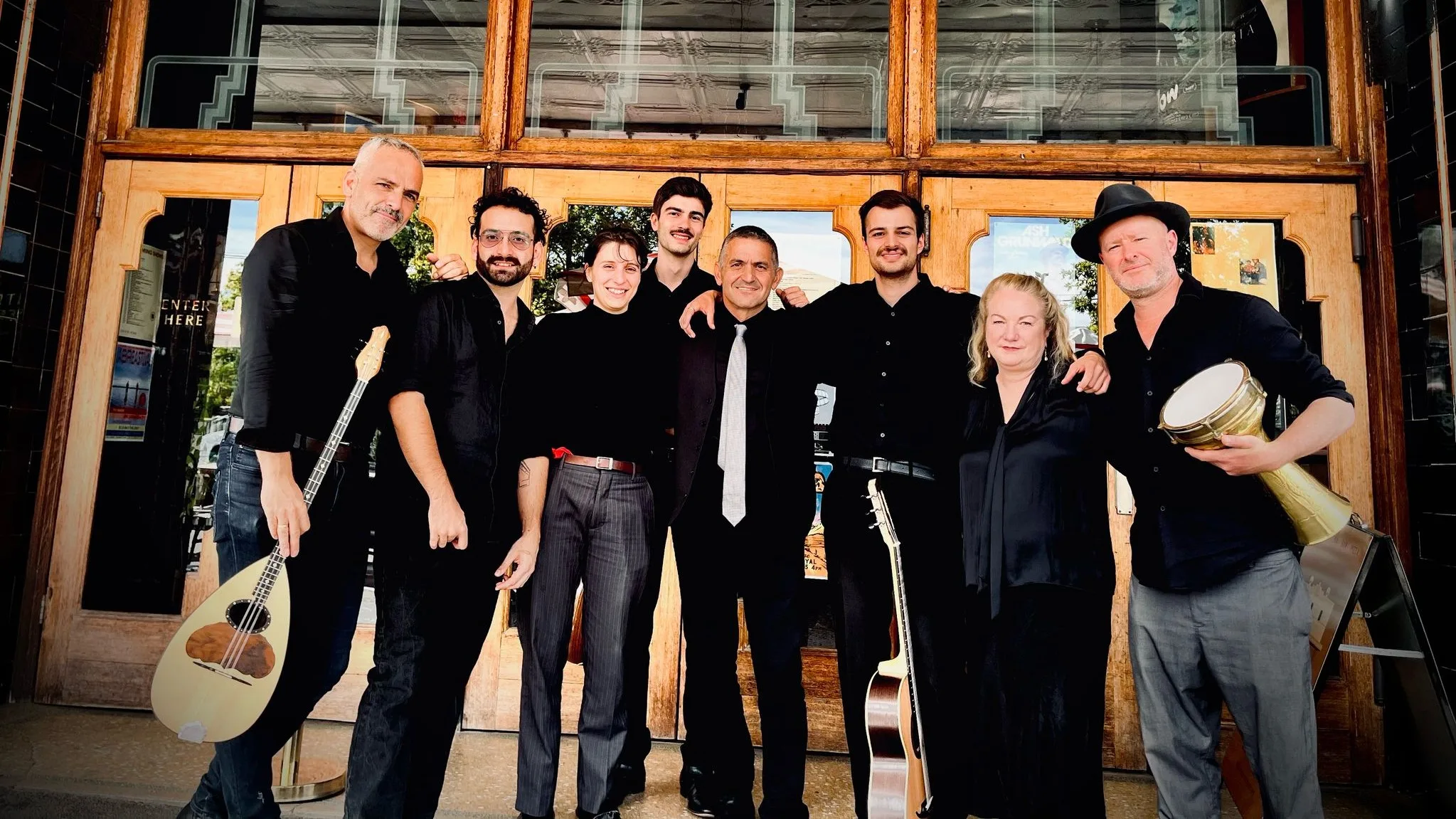
Following the success of their debut album Journey to Rebetika, Estudiantina of Melbourne return with Ta Nisia (The Islands) – a richly textured work that signals both artistic maturity and quiet boldness.
More than a tribute to the Greek islands, the album unfolds as a constellation of musical worlds, where tradition, memory and contemporary expression coexist.
Ahead of the album’s live launch at the Brunswick Ballroom on Sunday, March 15 from 1pm, bouzouki player and vocalist Con Kalamaras reflects on the ensemble’s evolution, the emotional geography that shaped Ta Nisia, and how Melbourne’s multicultural landscape continues to inform their sound, sense of belonging and creative direction.
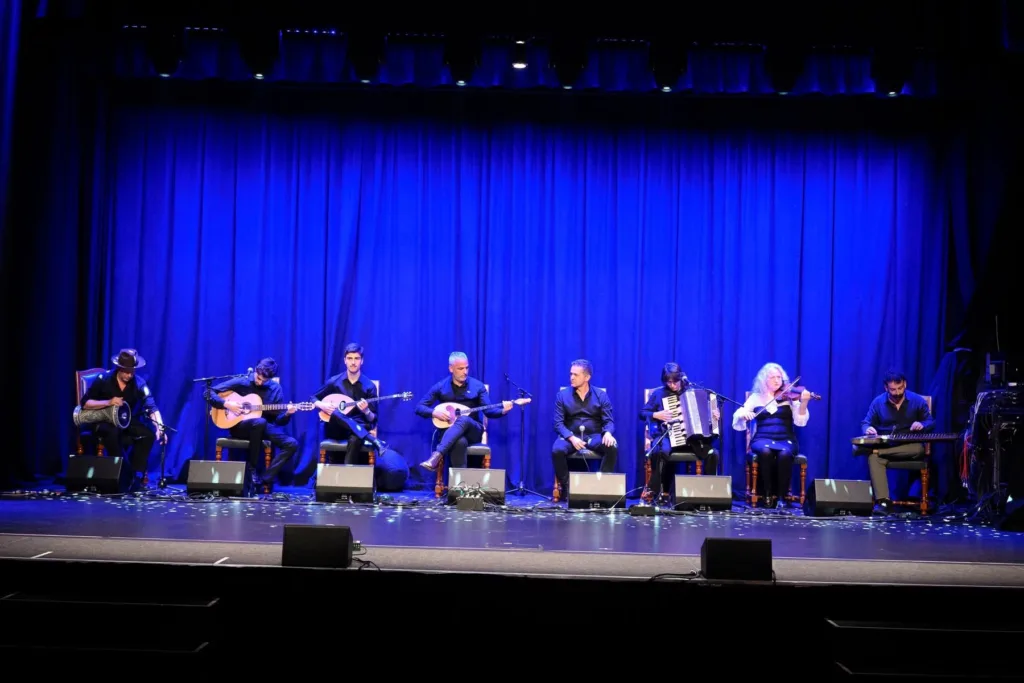
Ta Nisia feels both deeply rooted and boldly exploratory – how does this album reflect your own personal and musical evolution since Journey to Rebetika?
Ta Nisia marks a natural but meaningful progression for the Estudiantina of Melbourne since Journey to Rebetika. The first album was very much about honouring and immersing ourselves in the rebetiko tradition. It was recorded live, all of us in the room together, capturing the raw energy of where we were at that moment.
Since then, the group has grown significantly tighter. We’ve remained in close proximity (weekly Monday rehearsals at Triakosia), travelled extensively and performed more than 80 shows together. That shared experience has deepened our musical connection and strengthened the ensemble. It’s also given us the confidence to expand our repertoire and push ourselves collectively.
With Ta Nisia, we’ve broadened the sonic palette — exploring island repertoire, varied rhythmic feels and a wider emotional range — while remaining grounded in the aesthetics and integrity of the tradition. We wanted to push the sound further, adding a subtle contemporary sensibility and inviting guest musicians to enrich and expand the texture. The result feels more nuanced in its arrangements and more assured in its interplay.
Over these past few years, we’ve grown not only as musicians but as interpreters of this repertoire within the Australian diaspora. Individually, we’ve refined our craft — delving deeper into modal improvisation, historical phrasing and with that, the ensemble cohesion — and that development is reflected in the album’s balance between authenticity and respectful exploration.
In many ways, Ta Nisia represents maturity. It feels less like us presenting a genre and more like us inhabiting it — a step from interpretation towards ownership, while still carrying deep respect for the lineage that shapes our music.
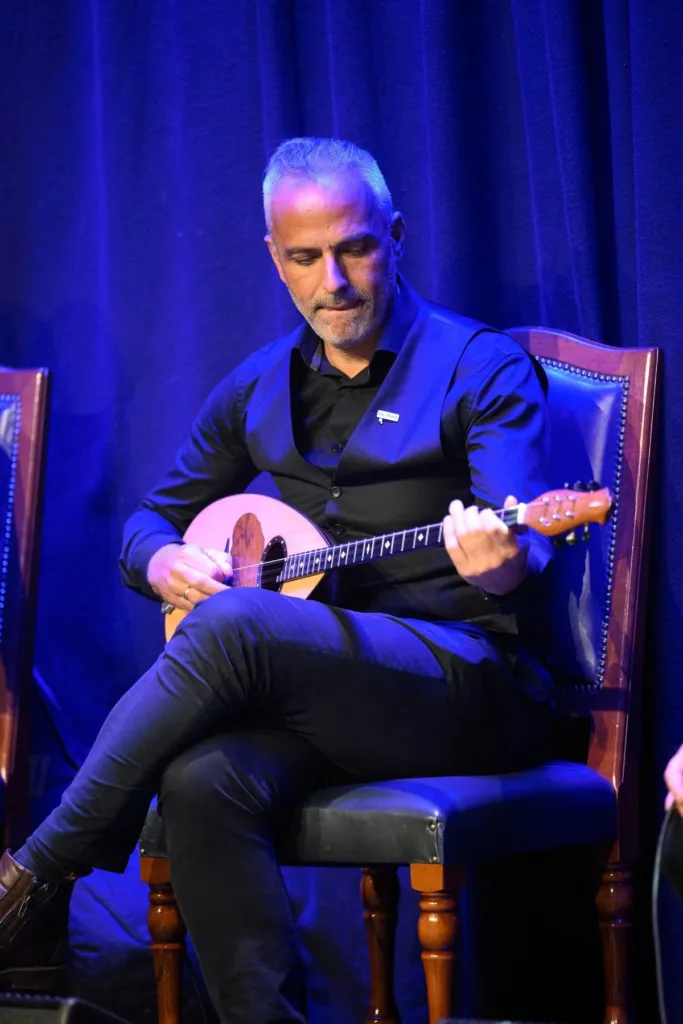
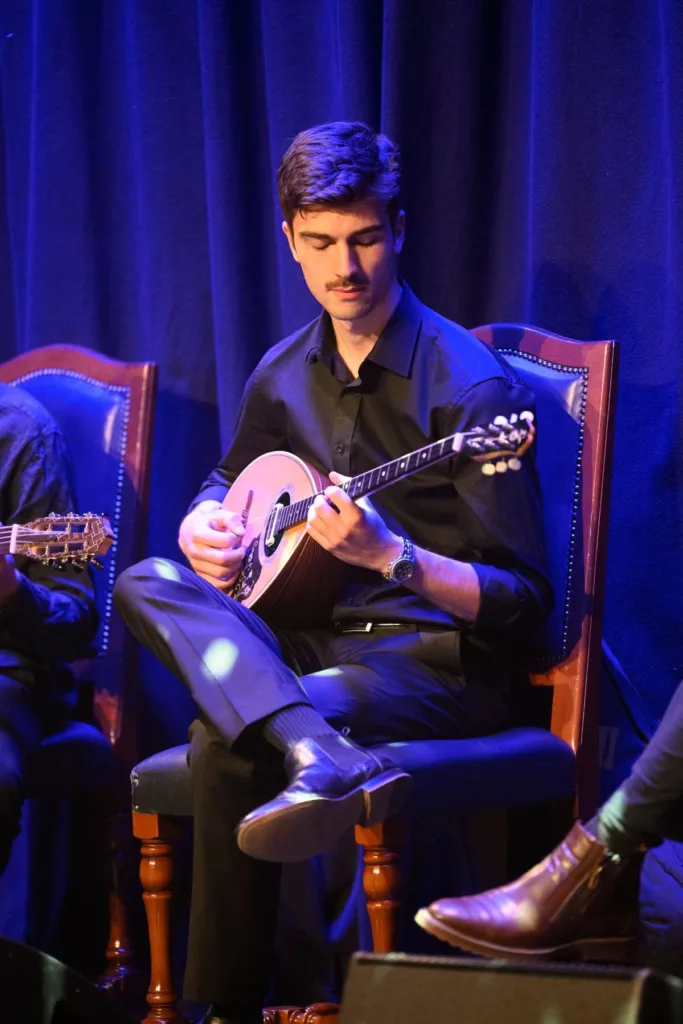
The idea of the album as a constellation of “islands” is powerful – was there a particular story, place or emotion that anchored this concept for you as a musician and songwriter?
The idea of the album as a constellation of “islands” came from a period of feeling both deeply connected and quietly separate at the same time. I was moving through different emotional landscapes — grief, hope, nostalgia, renewal — and each song began to feel like its own contained world. They weren’t chapters in a linear story so much as self-contained spaces you could step into. That image of islands scattered across water felt instinctively right: distinct, shaped by their own weather systems, yet part of the same tectonic plate beneath the surface.
There wasn’t one literal place that anchored it, but rather the sensation of distance — between people, between versions of myself, between past and present. Writing the album became a way of charting those spaces. Some tracks were born out of stillness and introspection, others out of movement and restlessness. What connects them is the undercurrent — the tide, if you like — that runs beneath each one.


Estudiantina of Melbourne honour traditions like Smyrneika and rebetiko while continually reshaping them – how do you navigate the line between preservation and innovation?
For us, preservation and innovation aren’t opposing forces — they sit with one another. The traditions of Smyrneika and rebetiko carry deep histories, stories of displacement, resilience and everyday life, and we approach that legacy with genuine respect. We spend time understanding the original context: the language, the phrasing, the instrumentation, the social conditions that shaped the music. That grounding is essential. Without it, innovation risks becoming superficial.
At the same time, these genres were never static. Rebetiko in particular was born from cultural exchange and urban change — it evolved as people, instruments and influences moved across borders. In that sense, continuing to reshape the music is actually part of honouring it. We see ourselves not as curators preserving something behind glass, but as participants in a living tradition.
Practically, that means retaining the emotional core, and the rhythmic character of the repertoire, while allowing space for our own musical instincts, arrangements and contemporary sensibilities. Sometimes the innovation is subtle — a new harmonic texture or dynamic shift. Other times it’s about how we programme or frame the music for modern audiences. The line between preservation and innovation is navigated through intention and above all respect.

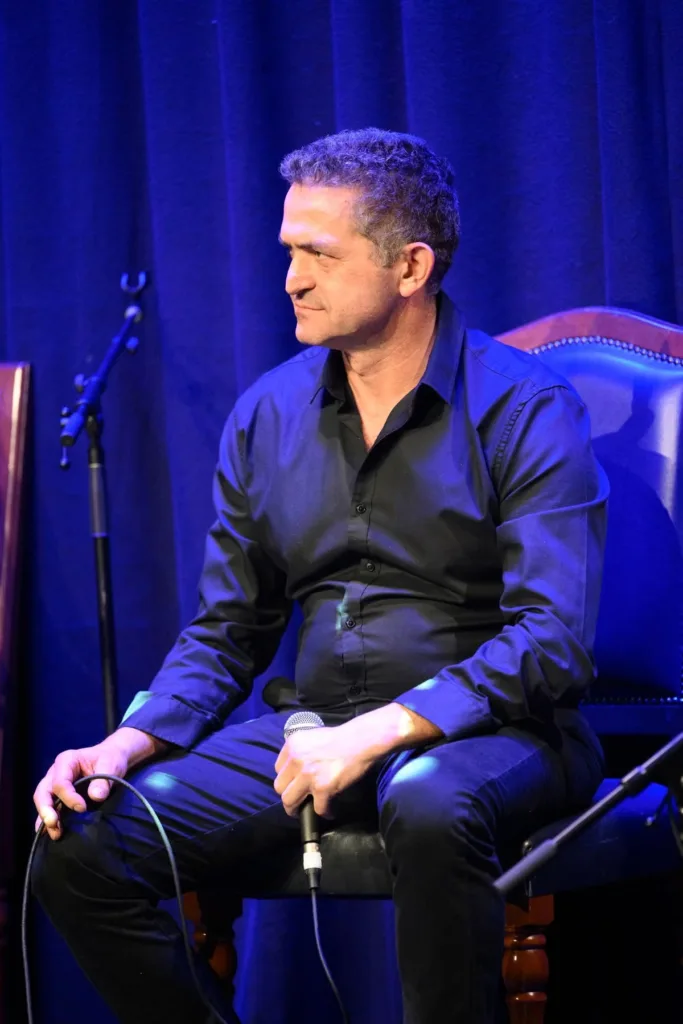
Melbourne is described almost as an unspoken member of the ensemble – how has the city’s multicultural environment shaped your sound and sense of belonging as Greek diaspora musicians?
Melbourne has absolutely shaped who we are, both musically and personally. As Greek diaspora musicians, we carry inherited memory — songs our grandparents sang, stories of migration, fragments of language and rhythm — but we’re also products of this city. Melbourne’s multicultural fabric means those histories don’t sit in isolation; they exist alongside countless other cultural narratives. That proximity has expanded our ears and our sense of possibility.
In Melbourne, it’s normal to move between cultures in a single day. You might rehearse rebetiko in the afternoon, hear jazz or Middle Eastern music in the evening, and collaborate with artists from entirely different traditions the next week. That constant exchange subtly shapes our phrasing, our arrangements, even our confidence to experiment. It gives us permission to see tradition as something porous rather than fixed.
On a deeper level, the city has shaped our sense of belonging. Being part of a large and visible Greek community here means the music isn’t just archival — it’s lived and it changes… that’s an important point, it’s a living breathing organism. At the same time, performing for broader audiences in Melbourne situates that music within a wider cultural conversation. We’re not just preserving heritage; we’re contributing to the city’s contemporary soundscape.
In that way, Melbourne feels like an unspoken ensemble member because it provides both the space and the audience for this dialogue between past and present. It holds the memory, but it also encourages evolution.
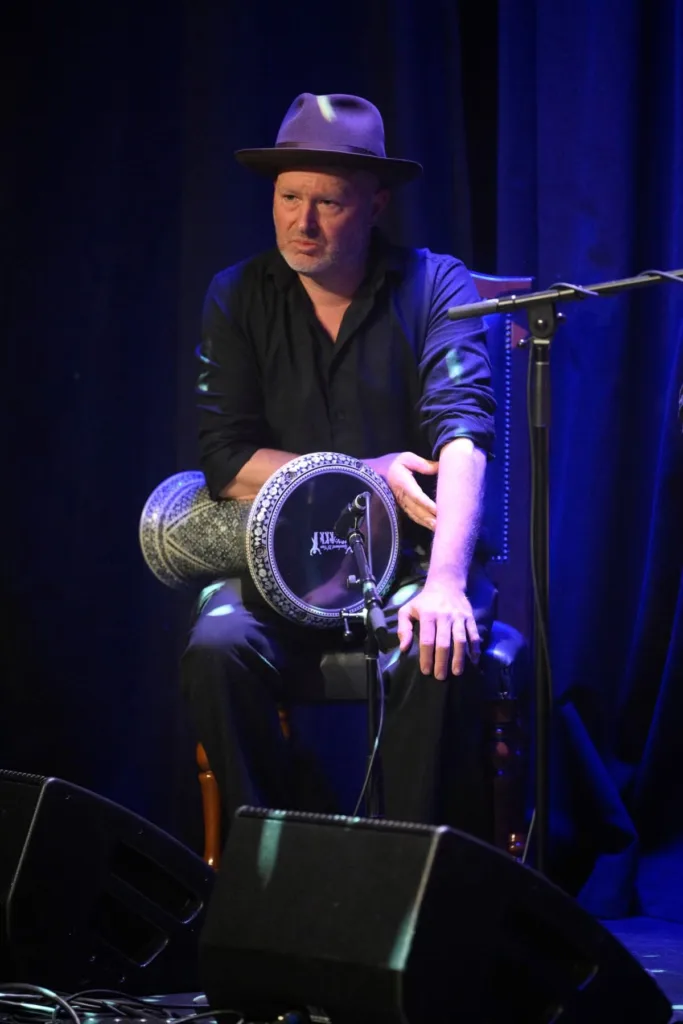
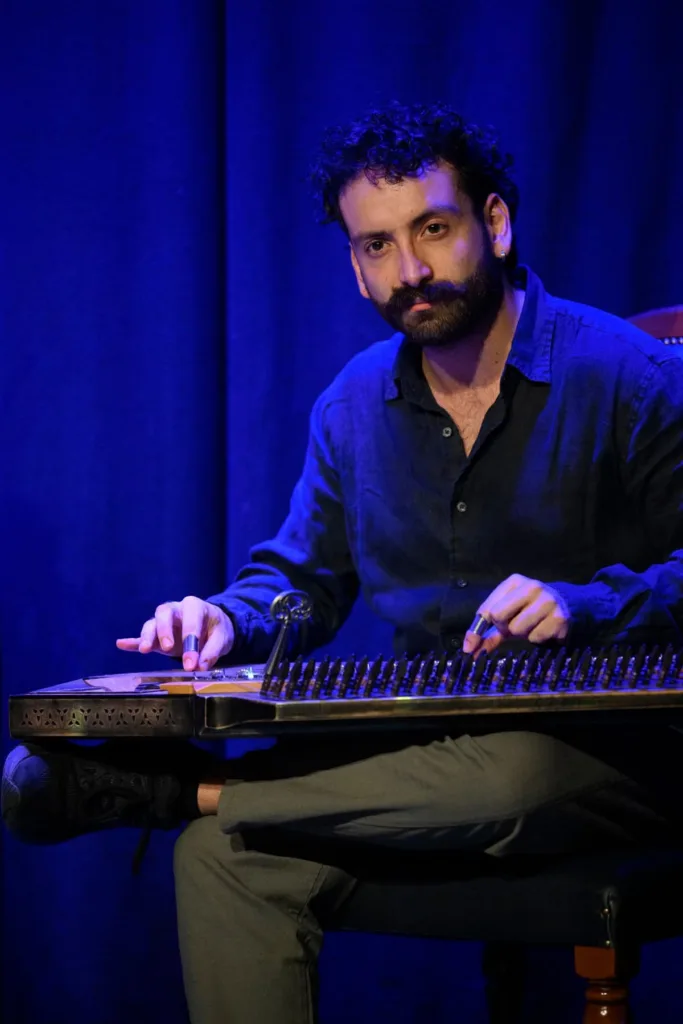
With the album launch at the Brunswick Ballroom approaching, what do you hope audiences – both Greek and non-Greek – will feel or take away from experiencing Ta Nisia live?
With the launch at Brunswick Ballroom approaching, we’re really thinking about the live experience as something immersive rather than simply a performance. We hope audiences feel drawn into that — not just as listeners, but as participants in the atmosphere, the storytelling and the energy of the room.
For our audiences, there’s often a sense of recognition. We hope they feel pride, connection and perhaps a renewed relationship with this repertoire in a contemporary context. At the same time, we’re conscious that many in the room may not speak the language or know the history – we always aim to explain and share the stories in English – that’s important.
Ultimately, we want people to leave feeling moved and connected — to the music, to one another and to us!
We believe that cultural traditions are living, evolving forms of expression. If the show creates a sense of intimacy and shared emotion across different backgrounds, then we’ve achieved what we set out to do.
Bring people together, create memories and just have fun!
Event Details:
- Ta Nisia Album Launch Date: Sunday, 15 March 2026
- Venue: Brunswick Ballroom, Melbourne
- Time: 1pm
- Tickets here
.)