Turkey has accused the Republic of Cyprus and the European Union of politicising Cyprus’ assumption of the EU Presidency, with Ankara claiming the bloc has failed to act as a neutral or constructive force in resolving the long-running Cyprus issue.
Speaking on Thursday, Turkish Foreign Ministry spokesman Oncu Keceli said the Republic of Cyprus had “abused” its EU Presidency to advance what he described as a “distorted” narrative of the Cyprus problem, while criticising the European Union for alleged double standards.
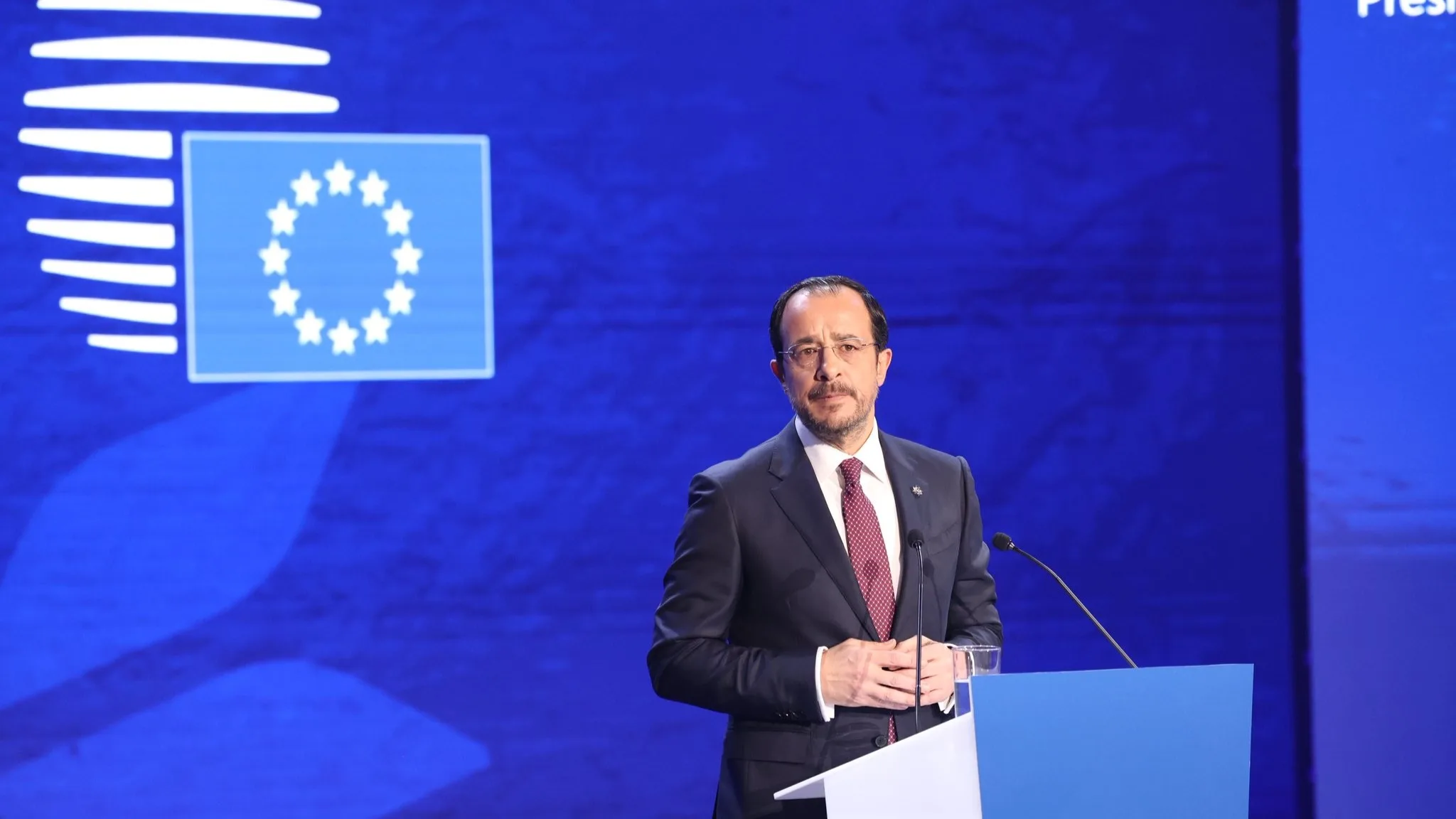
Keceli objected to language used during speeches at an event on January 7, 2026, marking Cyprus’ assumption of the EU Presidency.
“(We) reject the use of terms such as ‘occupation’, ‘invasion’ and ‘division’ that were used in reference to the island of Cyprus during various speeches at the event held on January 7, 2026, to mark the assumption of the EU Presidency by the Cypriot Administration of Southern Cyprus. These terms are in no way compatible with the historical and current reality on the island,” Keceli said.
He argued that responsibility for the island’s division lay with the Greek Cypriot side, not Turkey.
“The only ‘occupation’ on the island stems from the usurpation of the institutions of the partner state by the Greek Cypriot side in 1963, in flagrant violation of the Constitution and the inherent rights of the Turkish Cypriot people,” he said.
Keceli further accused EU officials of disregarding the rights and existence of Turkish Cypriots.
“The contempt for the existence of Turkish Cypriots by EU officials reveals once again the EU’s double standards around the fundamental humanitarian values it claims to uphold,” he said.
He added that Cyprus’ handling of the EU Presidency had reinforced Ankara’s view that Brussels cannot act impartially.
“The fact that the Greek Cypriot side, contrary to its publicly made commitments, has abused the EU Presidency from the very beginning to present its distorted rhetoric and incompatible positions on the Cyprus problem, reveals why the EU cannot be a neutral and constructive actor in the resolution of the Cyprus problem,” Keceli concluded.
