The vision is simple and overdue: a public celebration honouring the global legacy of the Greek language, now officially recognised by UNESCO on World Greek Language Day (9 February 2026). But turning that achievement into reality is a logistical and financial sprint, especially with the event set for early next year.
The driving force behind the effort, Professor Anastasios Tamis, barely paused during a presentation at Alphington Grammar on Wednesday, December 10.
With less than two months’ notice, and Christmas in the middle, he said he secured the iconic Capitol Theatre, drafted the program, and rallied institutions, cultural groups and media across Melbourne.
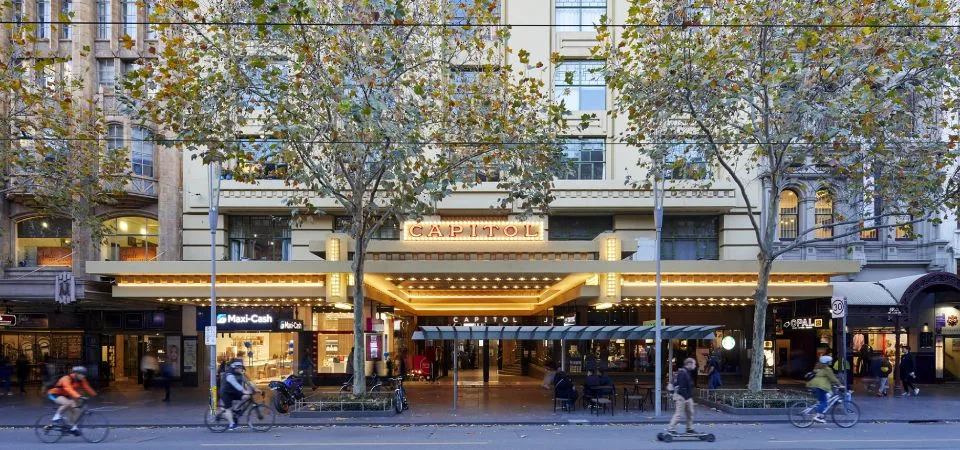
The venue itself carries meaning. The Capitol is central, striking, and built on the legacy of Ithacan immigrant Anthony JJ Lucas (Antonios Lekatsas), who donated the land for its construction. Its 570 seats are now set to welcome dignitaries, embassy officials, artists, and community members on Monday, 9 February 2026. (Time yet to be finalised.)
But big visions come with big costs. The theatre alone comes in at around $10,000, all-up expenses may balloon to $40,000 once you add more than 60 performers, technical needs, and promotion. Much of the work, and savings, rely on volunteers quietly absorbing the load.
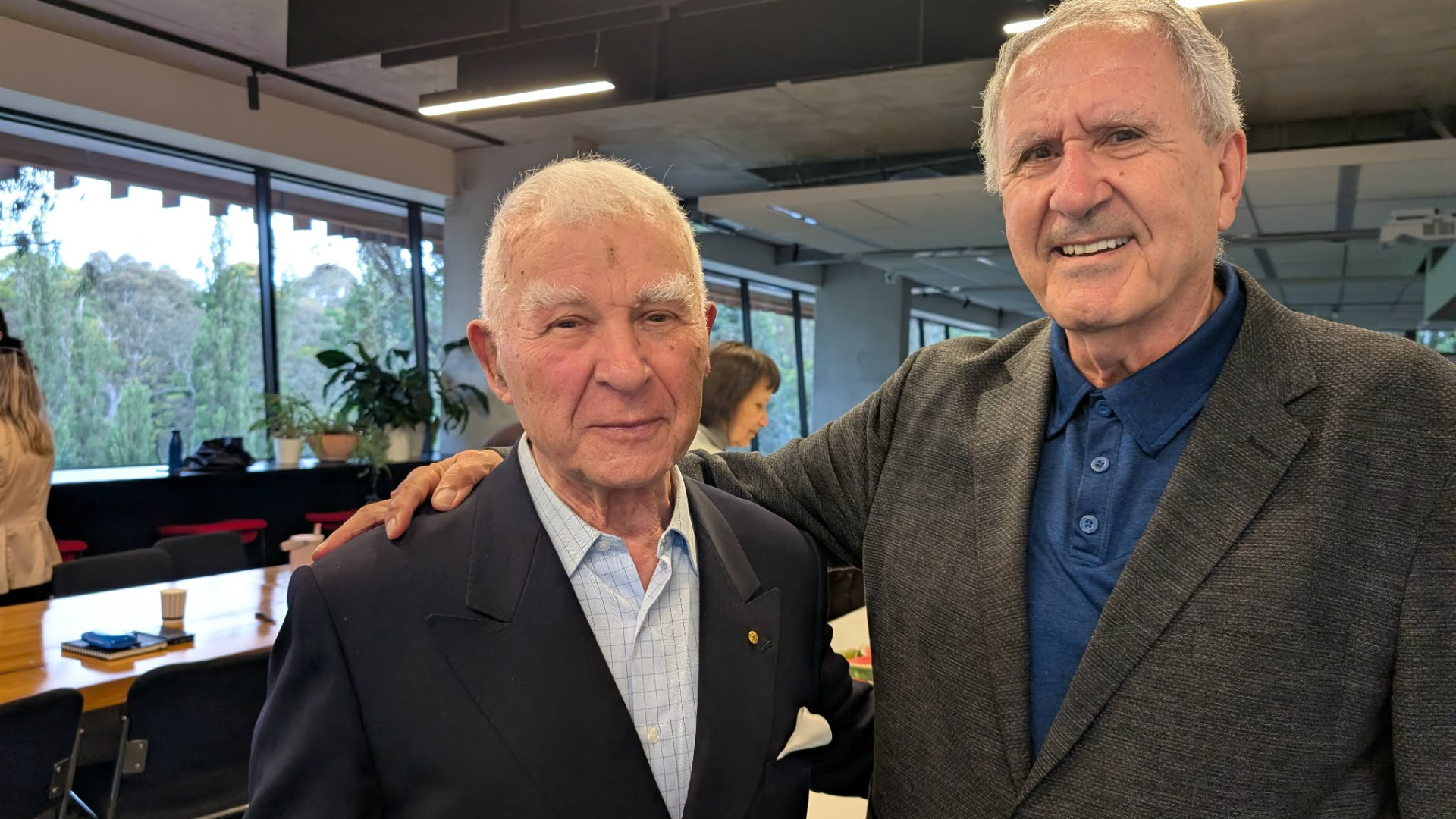
In a crucial moment, Peter Patisteas OAM rose and pledged $5,000 on the spot. A Greek Australian success story who arrived aged 19, he has long championed education through AHEPA Greek Schools to give children opportunities he never had.
The program, a potpourri
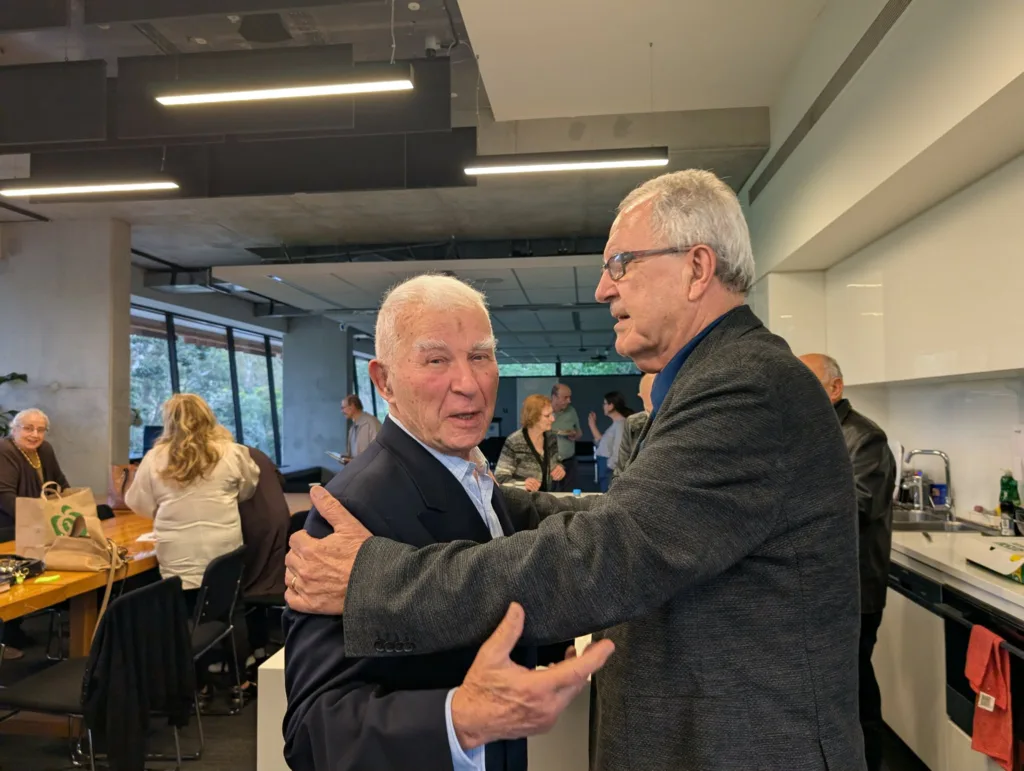
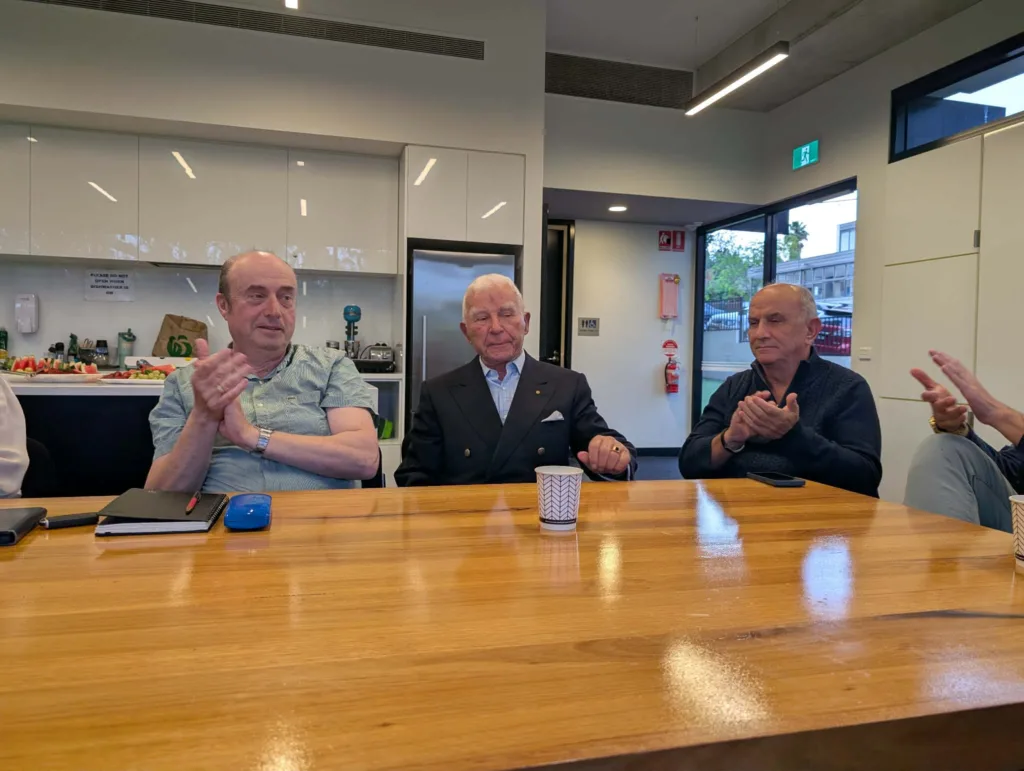
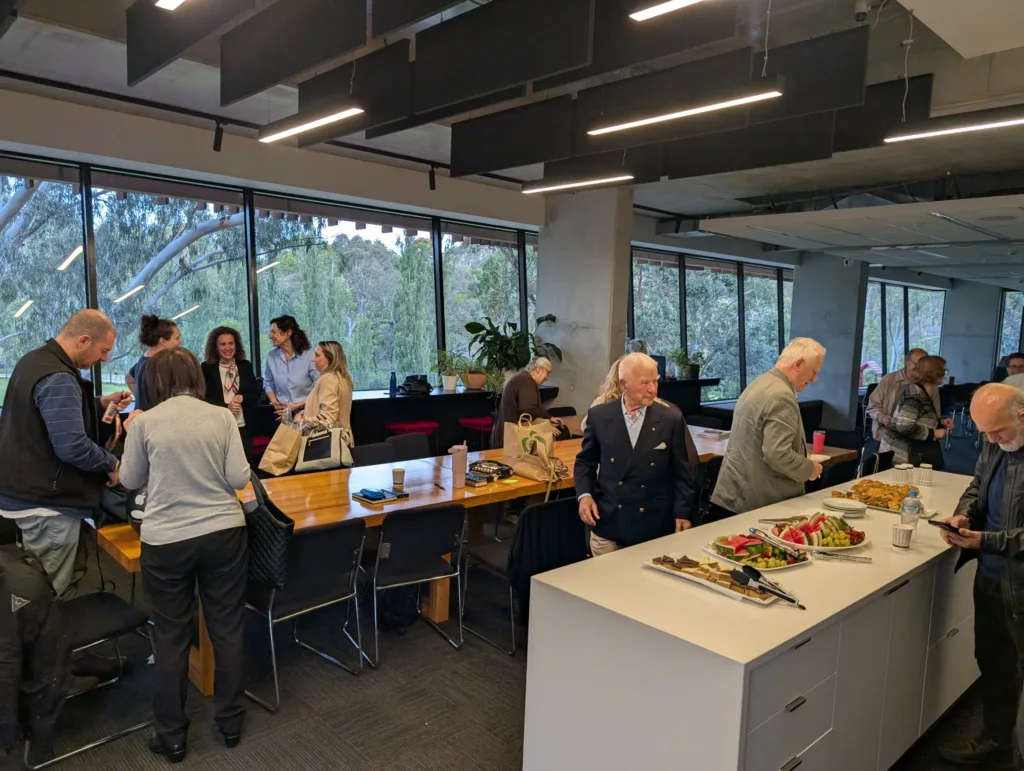
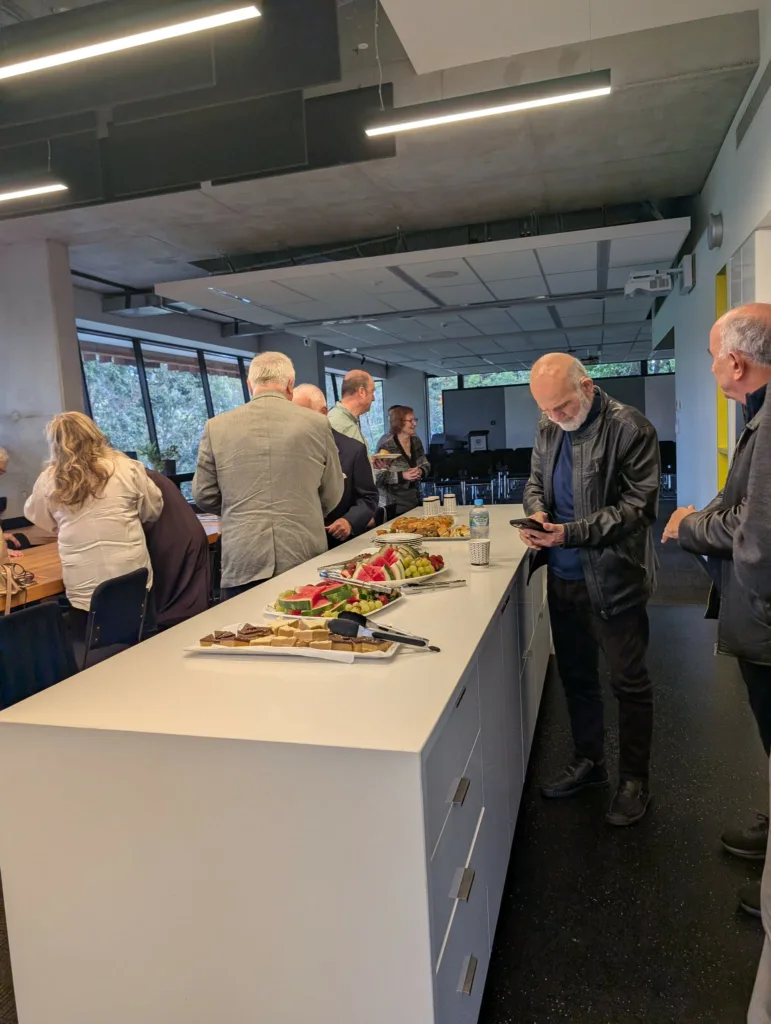
At a working group meeting at Alphington Grammar on December 10, Professor Tamis presented the program. Justice Anthe Philippides, the first Greek Australian woman appointed to a Supreme Court, will deliver the keynote on the ancient roots of the Greek language. Lawyer and author Dean Kalymniou will open the event.
More than 60 performers – actors, choirs, psalters, orchestras, poets, academics – will take audiences on a journey from antiquity and Byzantium to the present.
The mission is clear: fill the Capitol with music, story, pride, and people. And most importantly, broaden the audience.
“We want 60% non-Greeks or second- and third-generation Greeks,” Professor Tamis urged representatives from the Hellenic Lawyers Association, Hellenic Medical Society, Hellenic Australian Chamber of Commerce and Industry, and others.
The point isn’t to preach to the already converted; it’s to remind the wider world of Greek’s ongoing contribution to Western civilisation, democracy, medicine, and science.
Mike Zafeiropoulos, founder of Speak Greek in March and an early Antipodes Festival organiser, put it simply: “We can tell our kids about the value of Greek forever, but real pride comes when they see it valued by Anglo-Australians, the mainstream.
Momentum vs weariness
Success won’t be measured only by attendance. Legacy matters: new school resources, an interactive website now being built, the reach of associated campaigns, and energy moving into the Speak Greek in March initiative immediately after.
This isn’t a beginning; it’s a regroup. The baton is passing from those who fought for decades in classrooms, church halls, and kitchen tables to a new generation ready to take the lead.
Zafeiropoulos teased Professor Tamis: “If you do half of what you say, that would be good.”
“We’ll do double,” Tamis shot back, confident, cocky and cheeky.
But the strain was visible around the table of older advocates. Ninety-three-year-old Theofania Karabatsi, who recalled not feeding her own children at times to serve the community, said, “We are still showing up, as we always do. We want to be included in the conversation.”
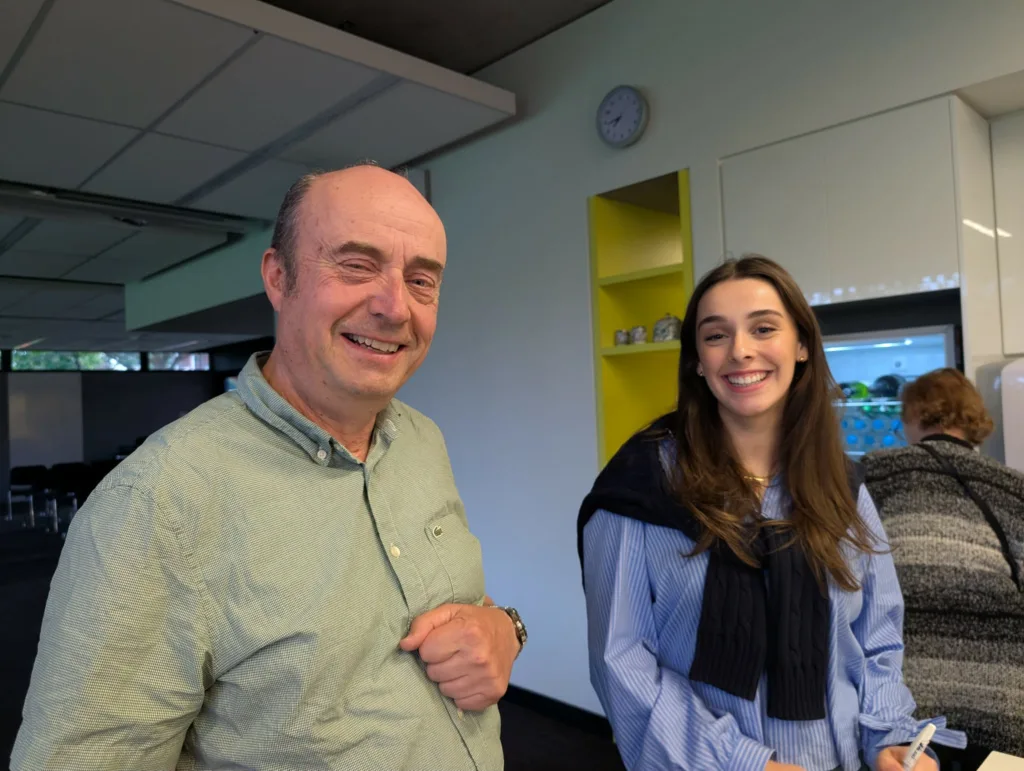
Fresh energy, however, is coming from NUGAS youth leaders like co-president Demi Bourdopoulos and education officer Martha Stamatopoulos, who had been up before dawn for a Sunrise TV appearance. Demi was the last to leave the meeting, jotting notes and brainstorming strategies. Their enthusiasm is the counterweight the community badly needs.
Consultant George Lioukas confirmed worldgreeklanguageday.au is under development, alongside a 24-page publication. Greece’s Deputy Foreign Minister Yiannis Loverdos also announced a standardised global logo is in the works, though Melbourne’s organisers may have to launch before it is finalised.
The handover
The conversation soon turned to outreach. Teachers stayed behind to highlight Greek words embedded in English. Ideas flew. “Wouldn’t it be great if the Melbourne Theatre Company put on a Greek-language play? The Chinese have done it, so why not?”
Professor Tamis welcomed the engagement and revealed he plans to step down on 10 February 2026, the day after the event, so a new committee can build next year’s celebration with fresh perspectives, more time to plan.
Adding to the calendar, the Greek Consul General in Melbourne, Dimitra Georgantzoglou, is preparing a separate commemoration for later in February (possibly February 20), with details still under wraps. The working group welcomes this parallel effort, believing that multiple events celebrating the language will maximise its presence on public calendars and strengthen the overall message.
What is clear is this: the working group is open to all. “If you care about the Greek language, don’t get stuck on personalities or politics. Just come along,” the organisers urged. “Everyone is welcome.”
As Professor Tamis said: “Όλοι μαζί, together.”
Volunteers, sponsors, performers, organisers take note: the door is wide open, and you are welcome to hop on board.
To join the next meeting or help with sponsorship, email anastasios.tamis@aims.edu.au.
*Mary Sinanidis is a member of the digital communications subcommittee of the UNESCO World Greek Language Day.
