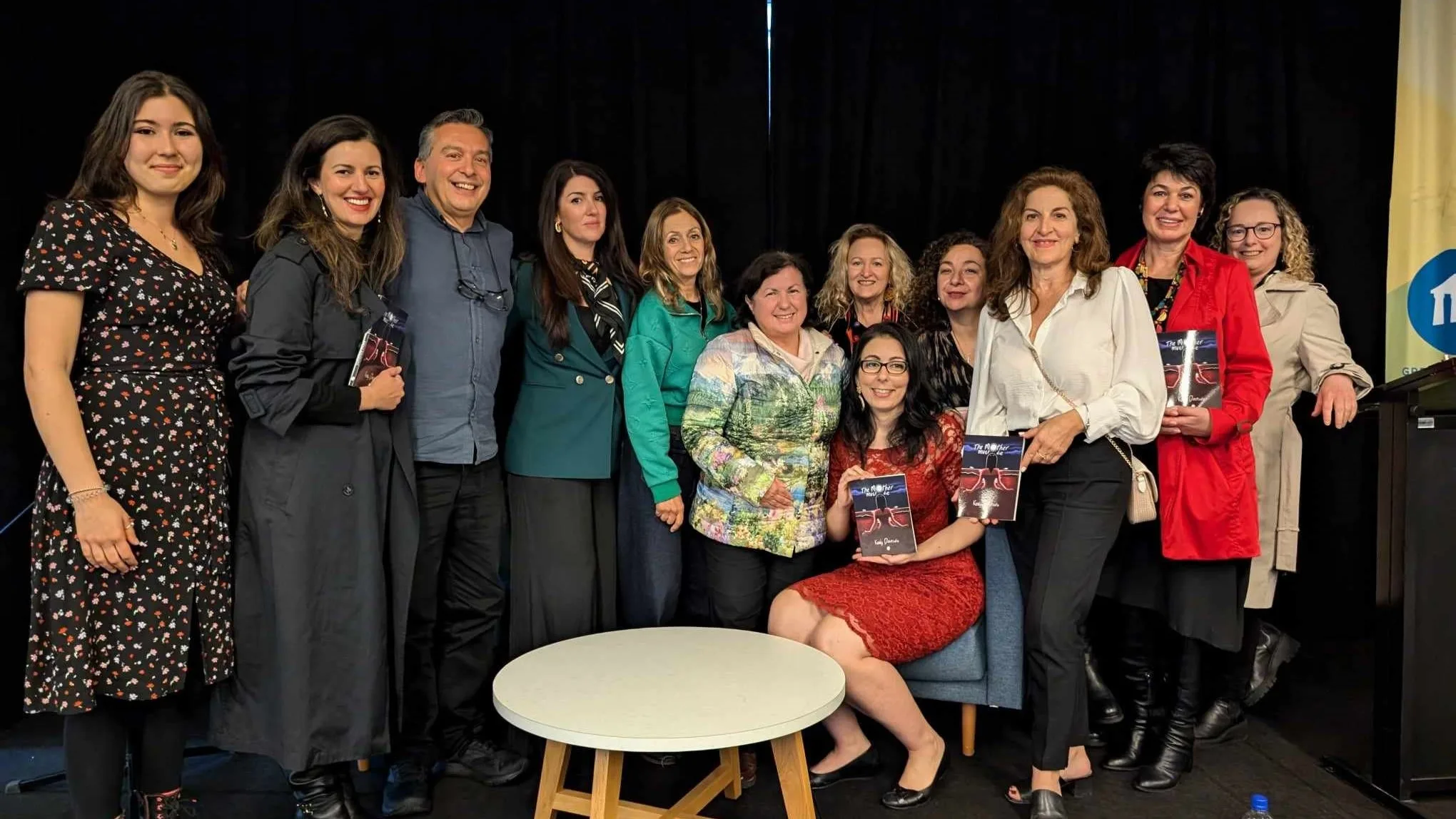
Greek Cypriot writer Koraly Dimitriadis is raw, loud, bolshy, opinionated, and will not dilute beliefs nor mince words – and she has often paid the price for this: personally and professionally.
She is also very talented, according to award-winning authors like Amra Pajalic and Peter Papathanasiou who reviewed her latest work. Christos Tsiolkas, another highly successful giant in Australian literature, agrees.
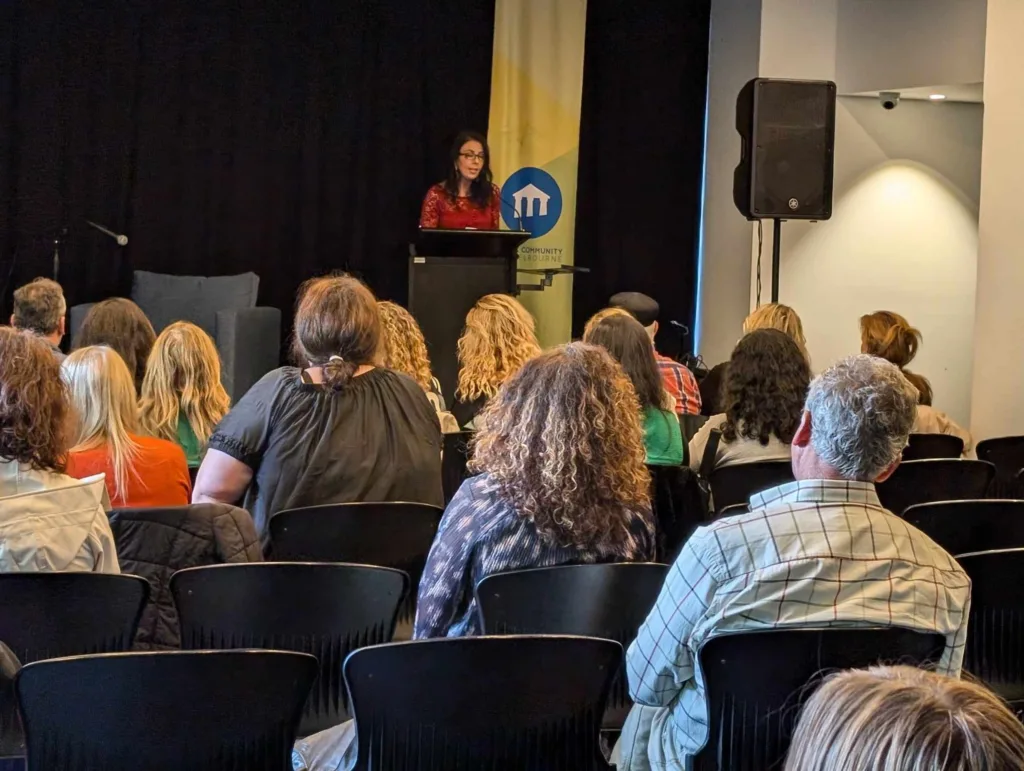
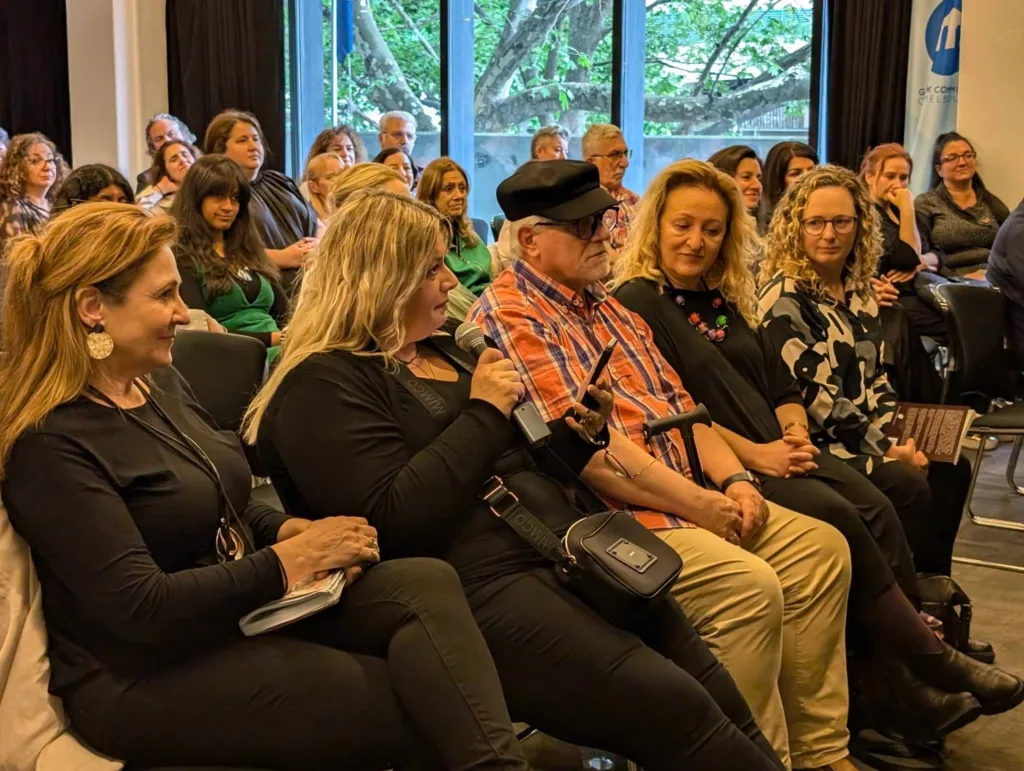
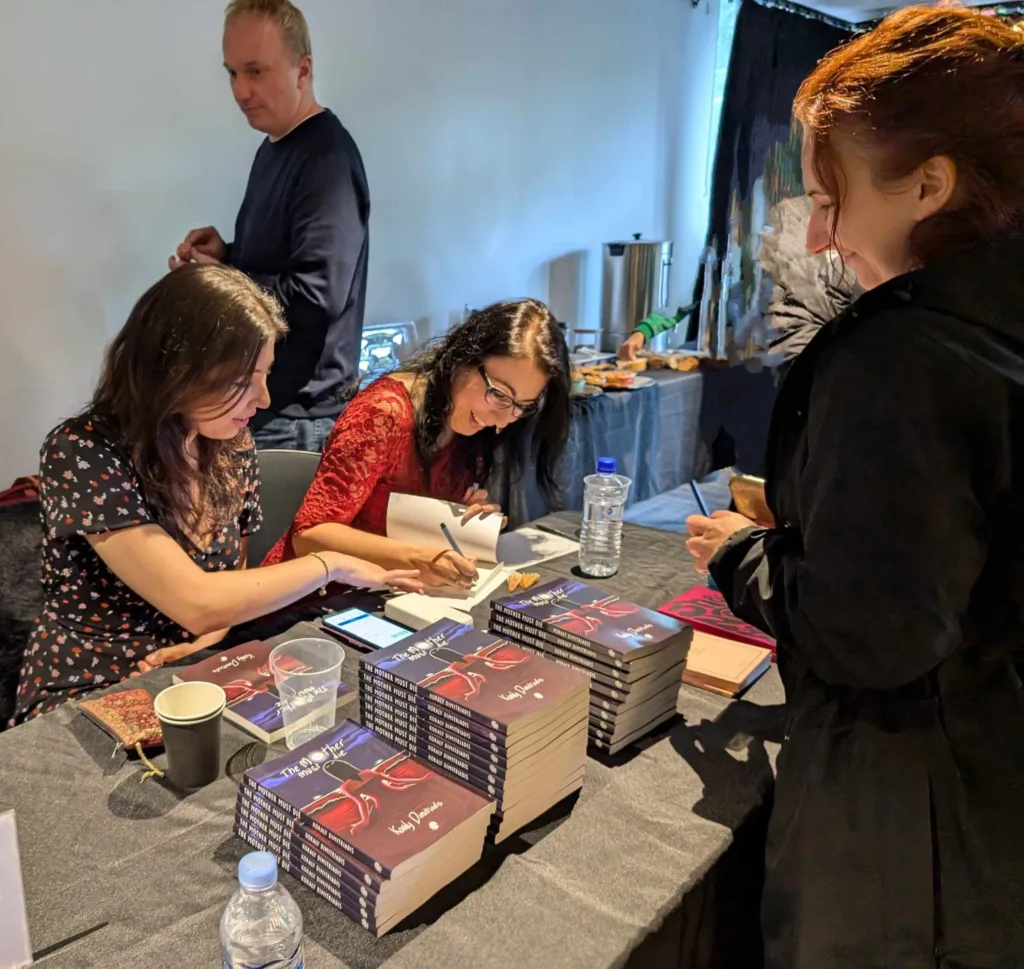
“Reading this collection, what I am struck by, is the maturity of the work,” he said at the launch of “The Mother Must Die”, at the Greek Centre in Melbourne on Sunday, October 6.
Despite being valued by esteemed colleagues and popular as a bestselling poet, Koraly’s path has not been easy. An ethnic-sounding surname does not help, nor does an outspoken nature.
“It has been a real challenge to get my work published because I don’t follow the grain, I don’t have a PhD in creative writing and write in the way they want me to,” she tells The Greek Herald.
She adds that people in the literary community have advised her not to speak out as she does until she achieves Tsiolkas’ level of success.
“They say I’m difficult. Am I a troublemaker because I talk about things we need to discuss?” she asks. “Imagine if I didn’t do all this work. What kind of feminism would we have in the Greek space?”
Asked whether there is feminism in the Greek space, Koraly says it is improving but points to “good Greek girl feminism” without a “radical” backbone.
We pause the interview to tally up the number of female presidents the Greek Community of Melbourne (GCM) and Cypriot Community of Melbourne have had. Zero.
She is grateful, however, for the GCM’s support, offering a space for her voice to be heard.
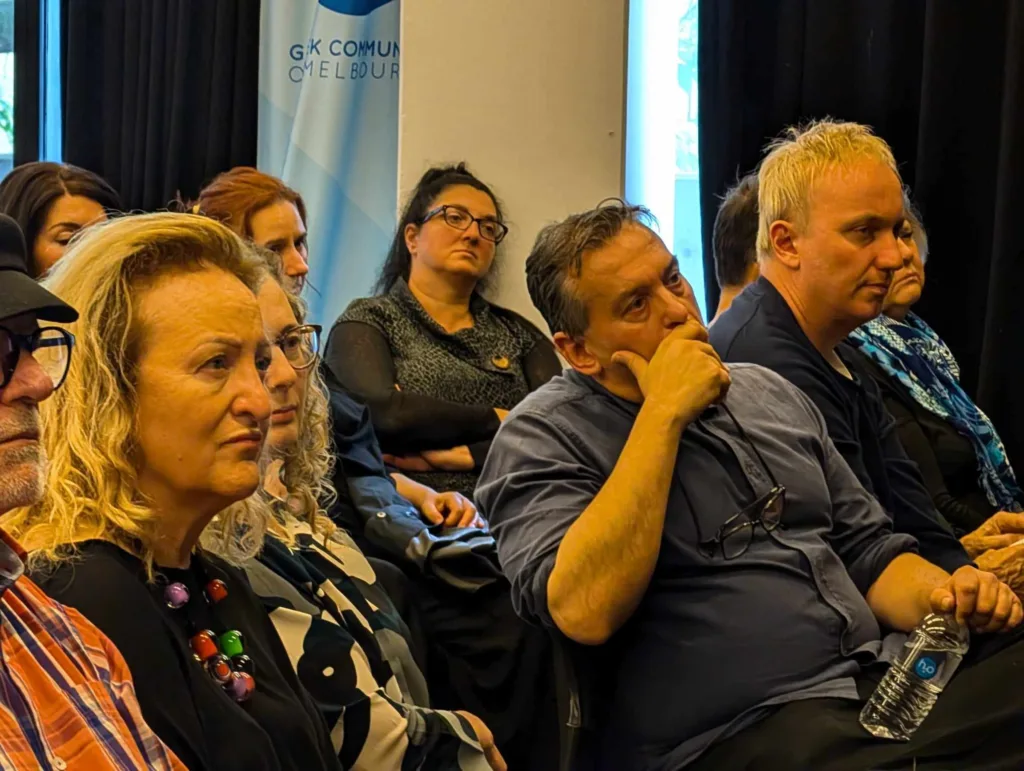
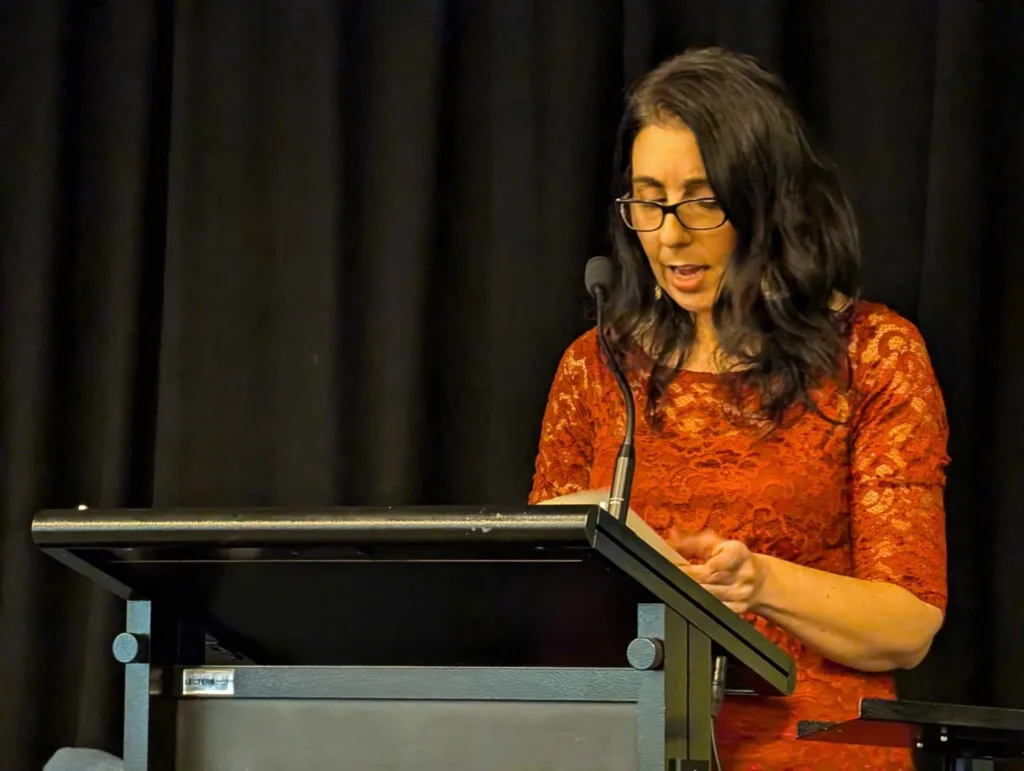
“I’m all about building bridges, even with people I don’t see eye-to-eye with,” she says, an interest that shines through her portrayal of older generations in her book and the male voice, handled with empathy. She told the audience she needed to put herself in the shoes of those she disagrees with, to explore their perspective.
“Yes, but why must the mother die?” I ask.
“It is one of the stories from the collection where a mother is really disconnected from her child and wants to die,” Koraly answers.
“But I thought that the collection should be called that because I feel like patriarchy acts in a way to destroy the mother, kill the woman. So I thought that was the best story to choose from the collection.”
Koraly is also the proud single mum of Rosie G, a year 12 student who designed the cover of the book. When it comes to her daughter, Koraly dotes but says the warm fuzzy feeling women are conditioned to believe they must feel upon encountering their newborn is another imposition by the patriarchy.
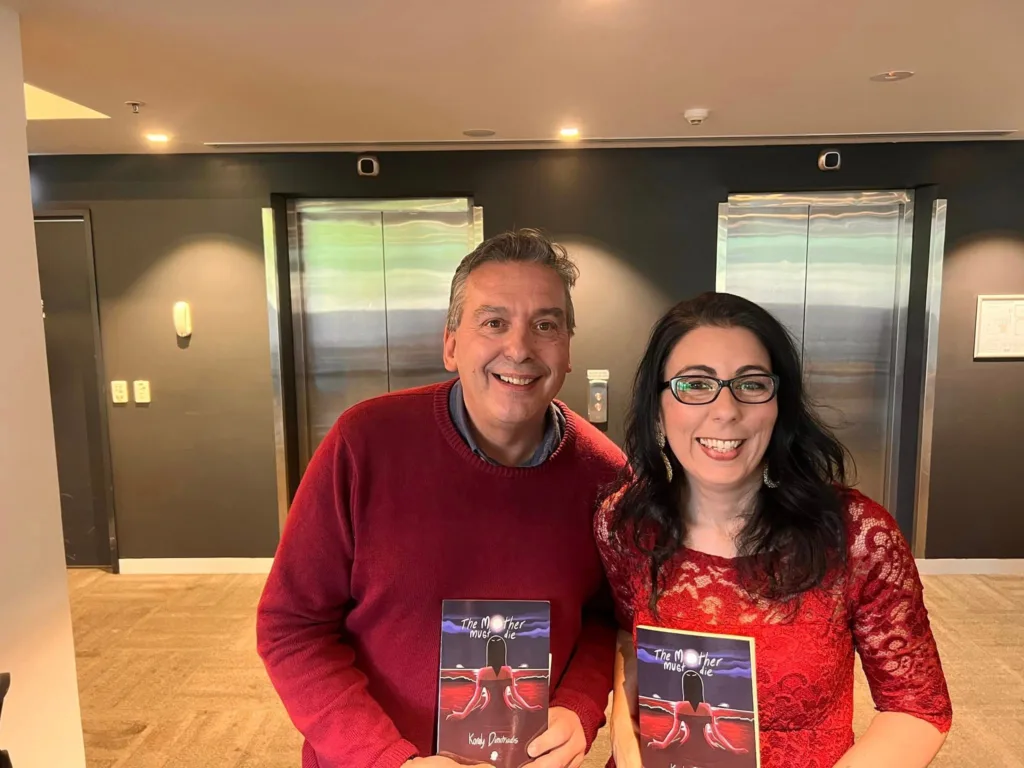
“You are conditioned to believe that when you become a mother you will feel a certain way and that you will be able to have everything: the career, the motherhood, the marriage, the love, everything. And then you have a child, and you don’t feel so great. Your body feels different. Your whole life is turned upside. We are sold this myth that motherhood will be a certain thing, and it doesn’t measure up to that. You have a crash as a mother when you first have a child. I really wanted to capture this through this book,” she said.
“I want to give people comfort, hope, inspiration, empowerment. I want people to be able to read my work and see themselves reflected.”
The need for more voices
Tsiolkas says Koraly’s voice needs to be heard.
“It’s like one or two voices are permitted, and then we think that is okay. We’ve done the Greeks, we’ve done the Italians, and it becomes about ticking boxes,” he tells The Greek Herald.
“I remember years ago in the ABC someone was challenging me, saying ‘Greeks can be published,’ but that is one voice, one publisher. That shouldn’t just be the issue. It is assumed that hundreds of us are writers because there are many of us here. What does that say about the industry?”
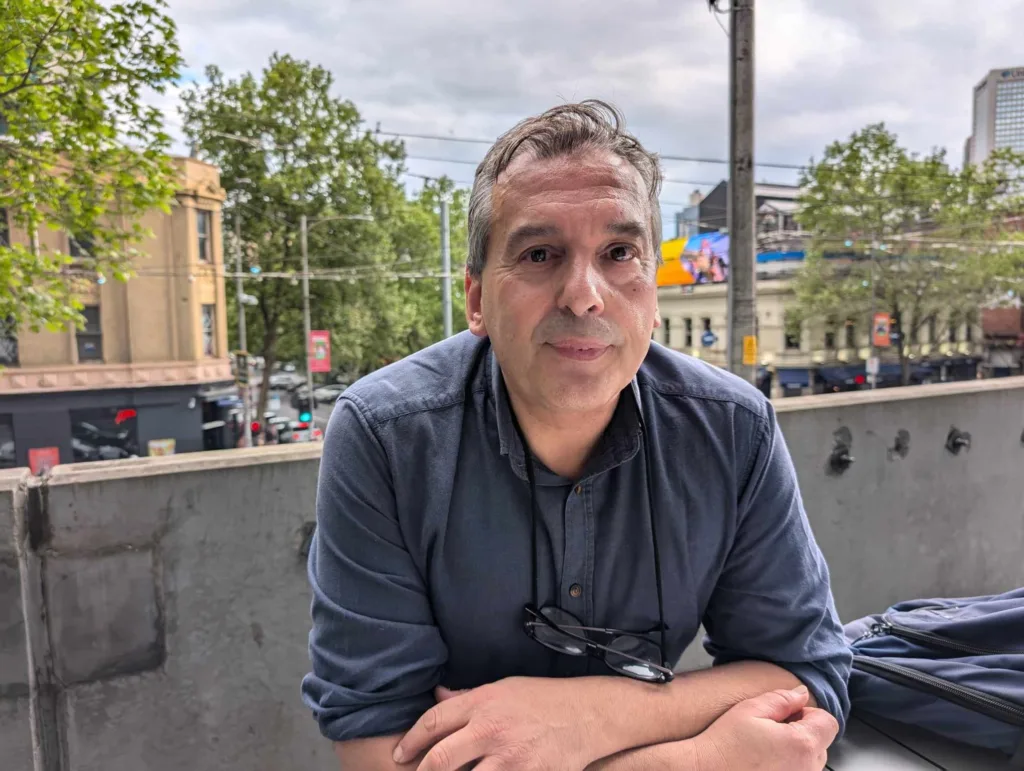
On a personal level, he is grateful for the opportunities.
“I am also conscious of the responsibility of that because there are lots of voices that aren’t heard,” he said.
He empathises with Koraly’s frustration at having her voice cancelled.
“It would be dishonest to say that I am an outsider, but I have been one and I know how it is,” he said. “Let’s shine a torch because attention goes to the mainstream.”
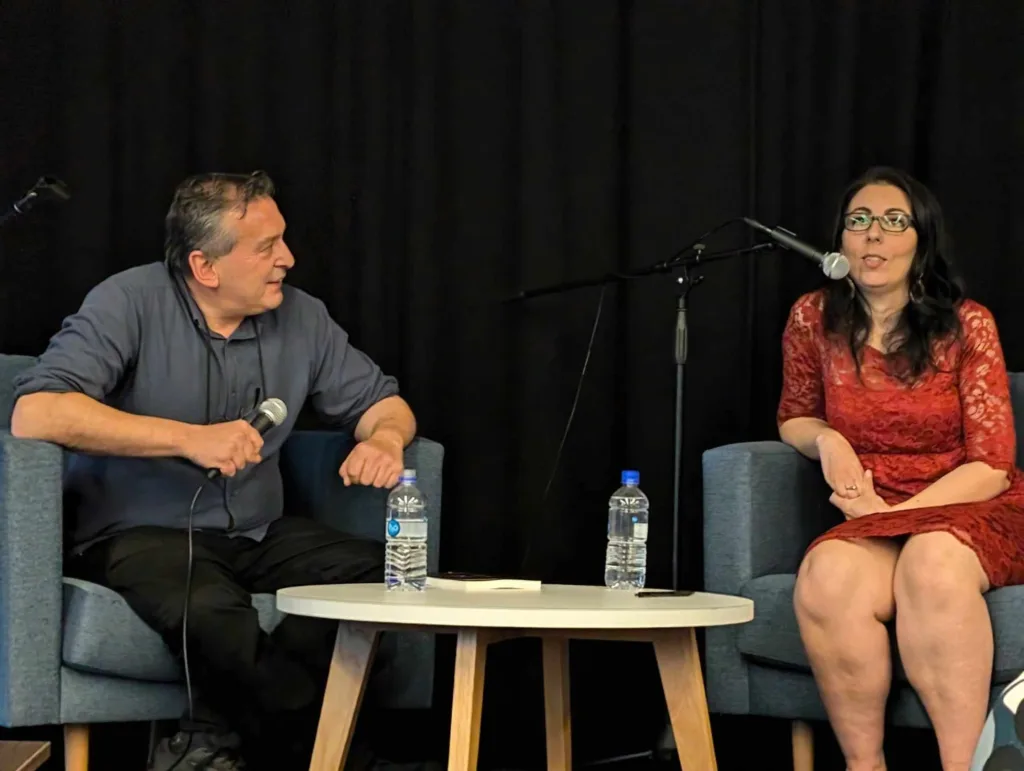
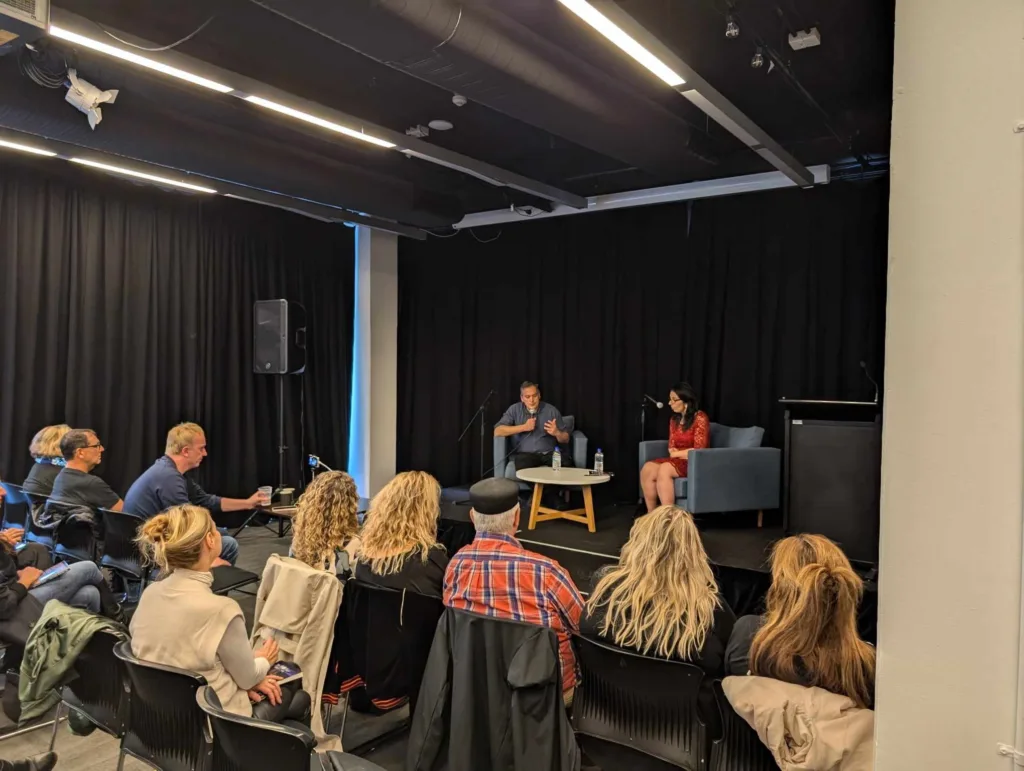
The Q&A led by Tsiolkas was less a formal conversation, more a chit-chat between friends 10 years since an entertaining Guardianwitness video titled, “Greek girl explodes into poetry while talking to Christos Tsiolkas.”
That was around the time she wrote “The Mother Must Die” as well as her unpublished novel, “We Never Said Goodbye.” It has been a real Odyssey, but the works have found their Ithaca in publisher Puncher and Wattman and even Koraly is surprised that they are making their way to bookstores uncensored.
She recalls a journey that has brought maturity.
“I have in the past said things I have been burnt at the sake for,” Koraly confesses.
“Now that I am older, it’s not that I censor myself, but I think about what is going to happen if I say XYZ, and I think to myself, ‘Is it the right time to say XYZ?’, and ‘do I have the energy right now to deal with the repercussion of saying XYZ.’ So I put myself first.”
The publication of the work is a win for Koraly.
For more thought-provoking discussions, attend the Q&A of the Sydney book launch with author Michele Seminara at Sydney University on 20 October or purchase the book.
