For the first time in Greece’s history, DNA analysis was performed on victims of Nazi executions during World War II and among those remains identified was the father of the late Greek Orthodox Archbishop Stylianos Harkianakis of Australia.
The father of Archbishop Stylianos was among 18 victims identified from a Nazi massacre that took place at a little town on the Greek island of Crete called Adele. Other victims included four relatives of the Alexandrakis family.
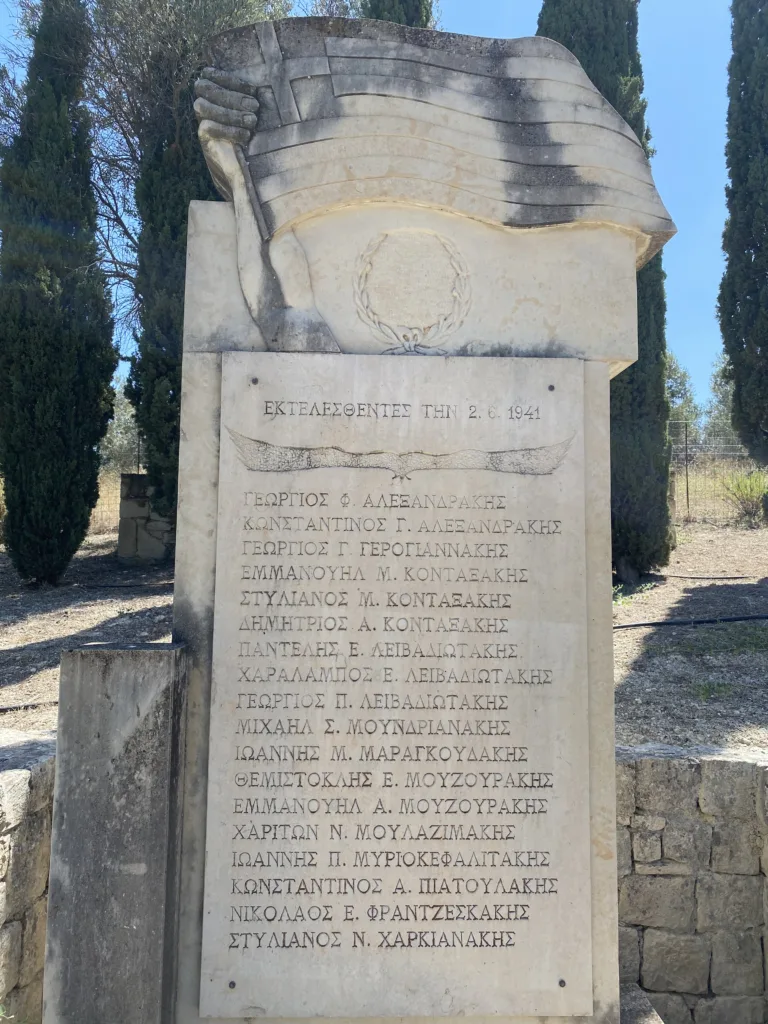
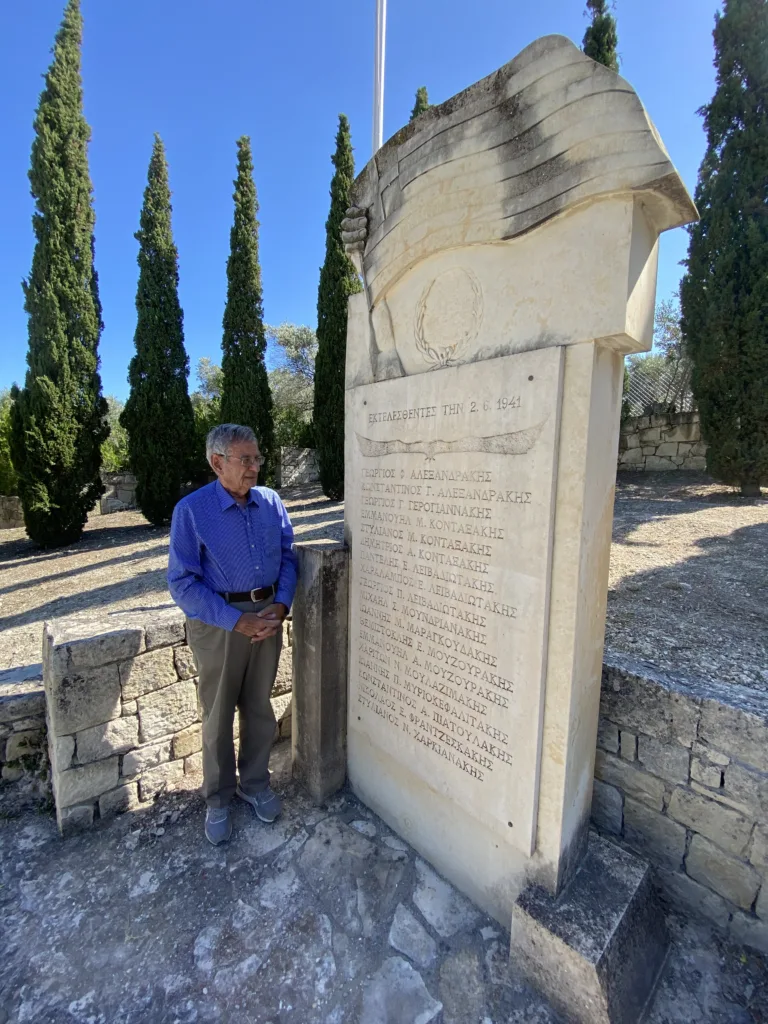
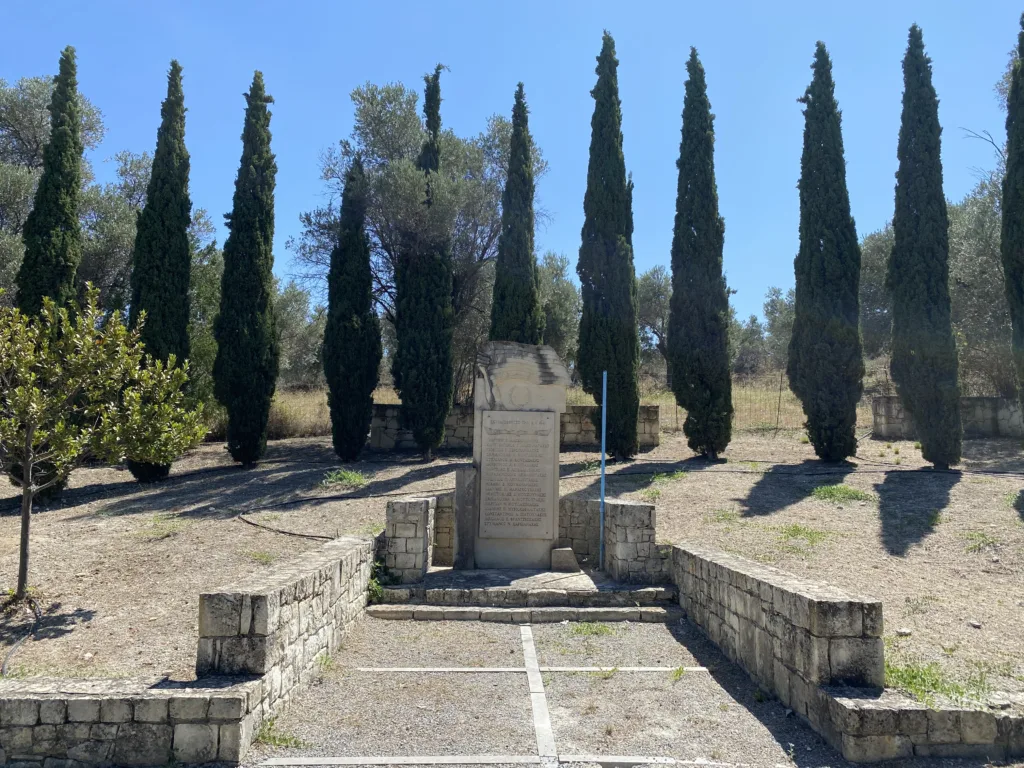
18 males ranging from age 67 to 16, were rounded up by Nazi forces in the town of Adele on June 2, 1941, marched to a secluded area amongst the olive groves, ordered to start digging, were shot on site, and buried in a mass grave. Their remains were found two weeks later and moved to another grave. In 1960, the remains were exhumed but they could not be individually identified until today.
The identification effort led and sponsored by the Alexandrakis family, is a collaboration between Dr George Alexandrakis, the University of Crete, and the Foundation of Technology and Research [HTE]. The effort not only hopes to bring closure to an 83 year old wound, but to also create awareness of many forgotten injustices that have taken place, not only in Greece, but worldwide.
“I’ve been working on a family project for several years now, and hoped that one part of the project would be matching the massacre remains to surviving family members through DNA analysis, but the whole process was beyond me. Two years later my father had the idea to make it happen, and here we are,” two-time Grammy-nominated musician Eric Alexandrakis said.

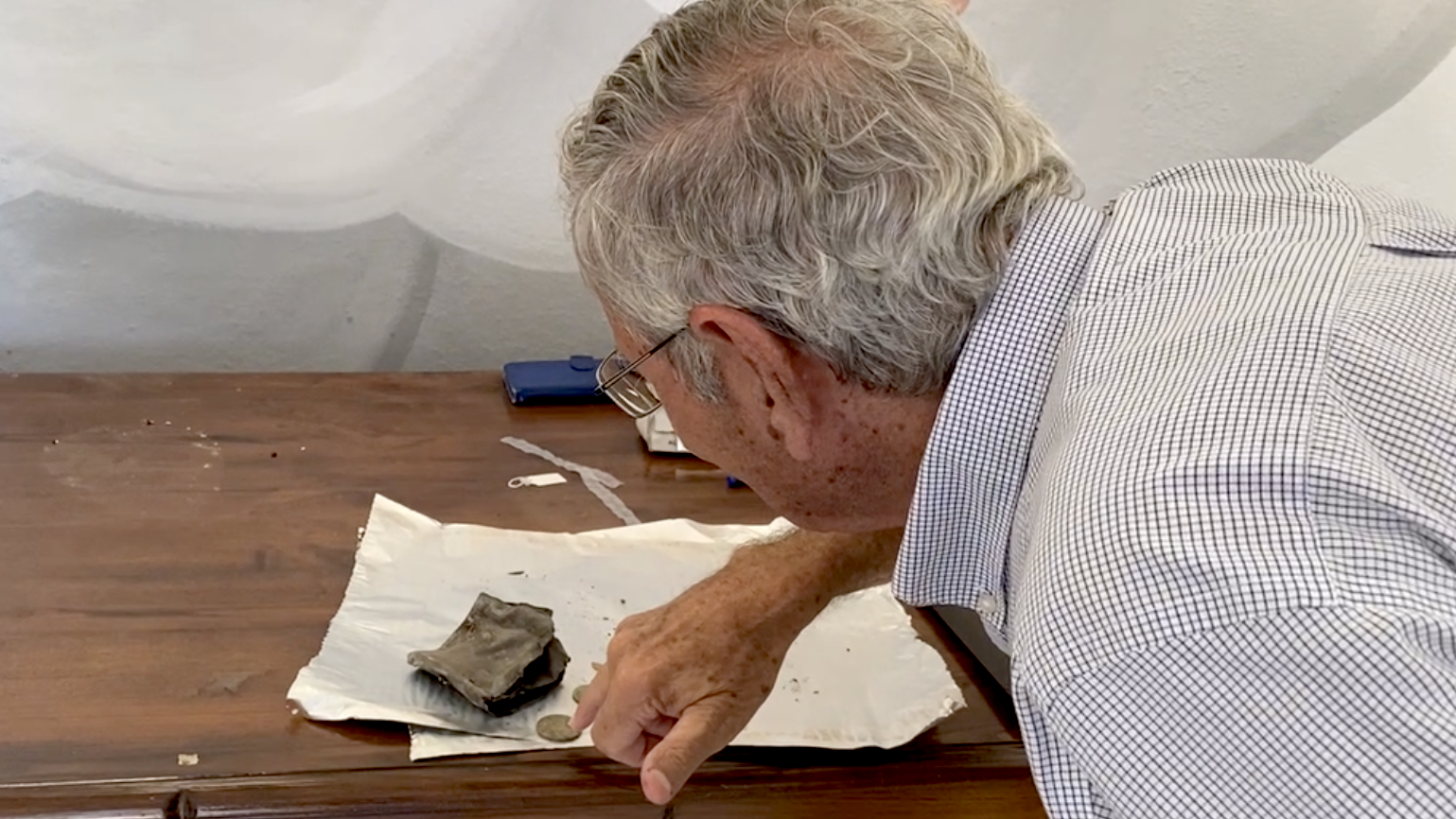
“It’s been an interesting journey watching the progress, holding the bullets, watching my father unknowingly looking at his grandfather’s wallet and the money in it, and even helping one of the scientists handle the remains.”
On leading, and sponsoring this effort, Dr Alexandrakis said: “Our most sacred oath in Crete is taken on the bonds of our ancestors. I object fundamentally to the inhumanity of mass executions, an act which denies people their identity.”
