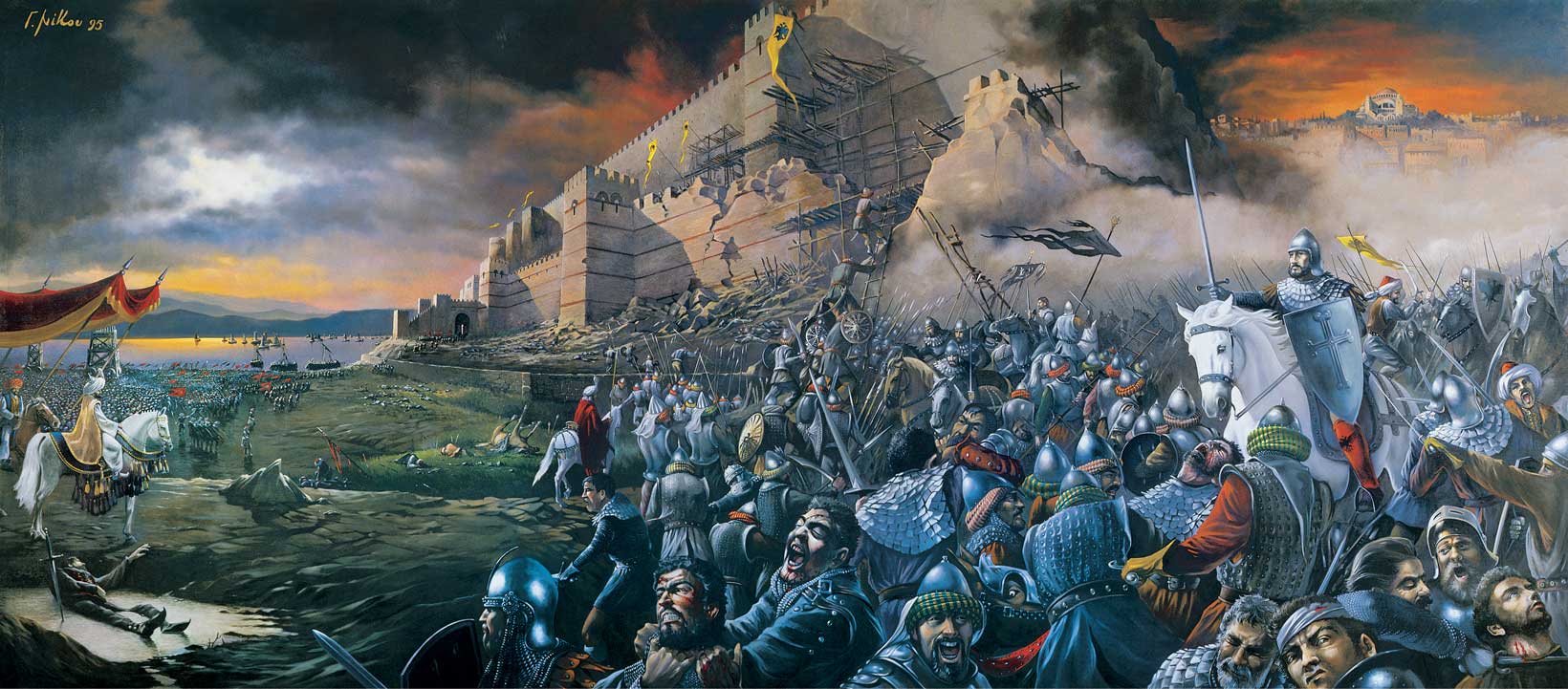
On this day in 1453, the siege of Constantinople ended with the fall of the Byzantine Empire into the hands of the Ottoman Turks, consequently remembered in history as one of the biggest disasters for the Greek people.
Today we honour those who fell during the siege and at the fall, we read the laments and the legends, we are moved, and taught.
The capital of the Byzantine Empire and one of the most heavily fortified cities in the world, the city was defended by, at most, 10,000 men. The Turks had between 100,000 and 150,000 men on their side. The siege lasted for fifty days, ending with the fall of Constantinople.
After using heavy artillery to form a breach in the wall, the fist attack was launched upon Constantinople on a May morning at 1:00 a.m. This first attack was led by the Bashi-bazouks. Knowing they were outnumbered and out skilled, the Greeks still fought with passion for two hours until they were called to retreat.
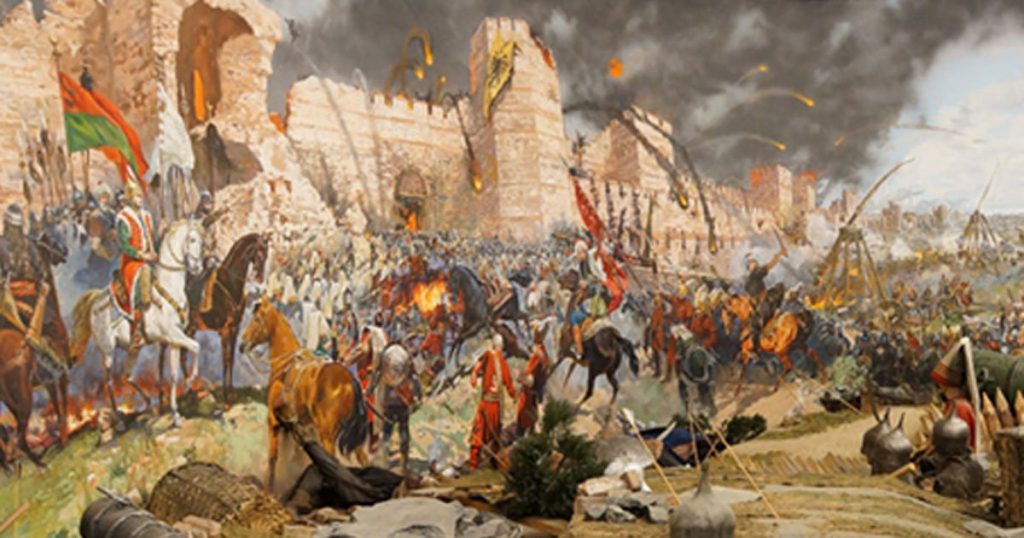
The second attack was brought on by the Anatolian Turks from Ishak’s army. More organised than the first, they used their cannons to blast through the walls of the city. They were the first army to enter the city., yet the Christians were ready for them as they entered. They were able to massacre much of the army from this attack, forcing the Ottomans to retreat at dawn.
Before the Christian army was able to gain strength and order, another attack feel upon them. Mehmet’s favourite set of troops called the Janissaries begun their attack. They launched arrows, missiles, bullets, stones and javelins at the enemy. This battle, at the stockade, was a long tiring battle for the troops, with the soldiers fighting in hand-to-hand combat.
The Christian army was unfortunately the ones to give in, with the Turks storming the gate left unopened by the Christians for flank attacks.
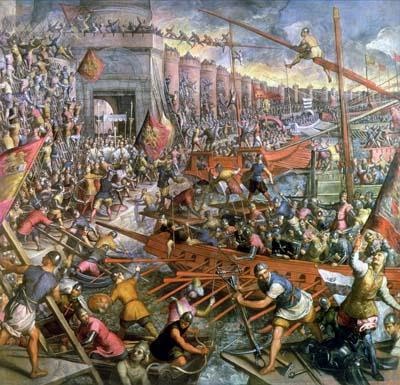
While battles were being fought on land, the Turks were also trying to take control of the sea. Many of the soldiers came from these ships to aid the army on land. Once the signal was sent, troops flooded off of these ships to take down the harbuor walls and start looting the city.
The City was now completely taken over by the Turks, marking a turning point in Eastern Europe. Mehmed renamed the city Istanbul, building mosques, palaces, monuments and a system of aqueducts. The city was now officially claimed for Islam.
Forced into rule under the Ottoman empire, the Greeks formed small communities within the empire called milets.
Sourced By: WebChron
